1. What Is a Silica Sand Ball Mill Machine?
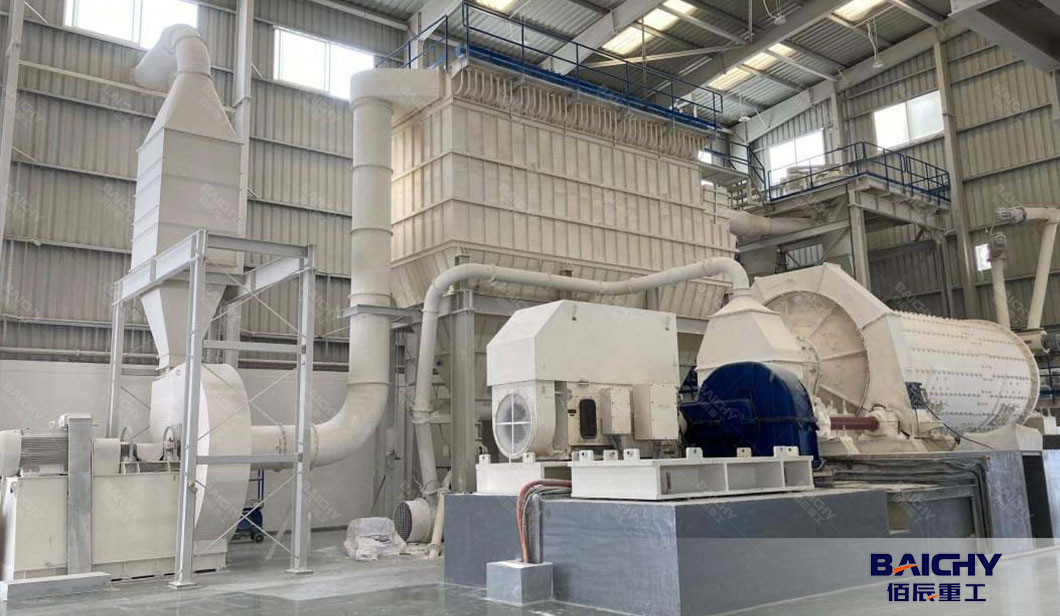
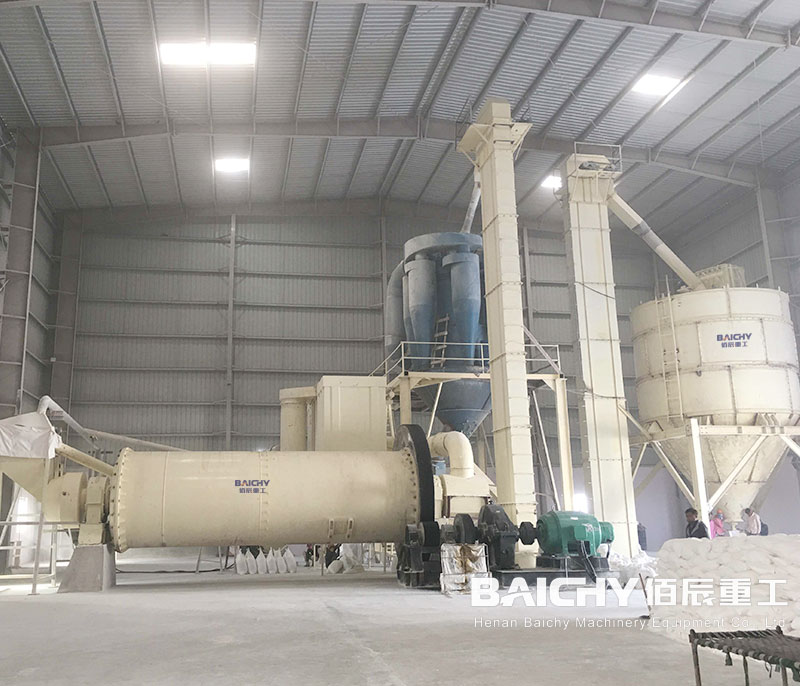
A silica sand ball mill machine is a grinding device used to reduce the particle size of silica sand and quartz sand through the impact and friction of grinding media inside a rotating cylindrical drum. It is widely used in quartz sand processing plants where the raw material needs further grinding to meet specific particle size requirements. Unlike crushing equipment, which mainly reduces large rocks into smaller particles, a ball mill is designed for fine grinding. It can process crushed quartz materials into fine sand or powder, depending on the feed size, grinding conditions, and classification system.
Typical applications include:
-
Glass manufacturing and glass-grade silica sand production.
-
Ceramic and refractory material processing.
-
Foundry sand preparation.
-
Quartz powder production.
-
Industrial silica sand processing.
-
Construction and specialty silica products.
The ball mill is particularly suitable for continuous grinding operations where stable particle size distribution and relatively high processing capacity are required.
2. How Does a Silica Sand Ball Mill Work?
A silica sand ball mill works by rotating a horizontal cylindrical drum partially filled with grinding media, usually steel balls or other suitable grinding media.
The grinding process involves three main actions:
-
Impact: As the drum rotates, grinding balls are lifted and fall onto the quartz particles, breaking them into smaller pieces.
-
Attrition: The grinding media move against each other and the material, gradually reducing particle size.
-
Grinding and discharge: The material continues to be ground until it reaches the required fineness and is discharged from the mill.
The grinding process can be operated under either dry or wet conditions.
| Grinding Method |
Main Characteristics |
Typical Applications |
| Dry grinding |
No process water required; suitable for dry powder production |
Quartz powder, industrial silica |
| Wet grinding |
Material is ground with water to form a slurry |
Wet quartz sand processing, mineral processing |
The choice depends on the final product requirements, downstream processing equipment, moisture conditions, and production costs.
3. Silica Sand Ball Mill Production Process
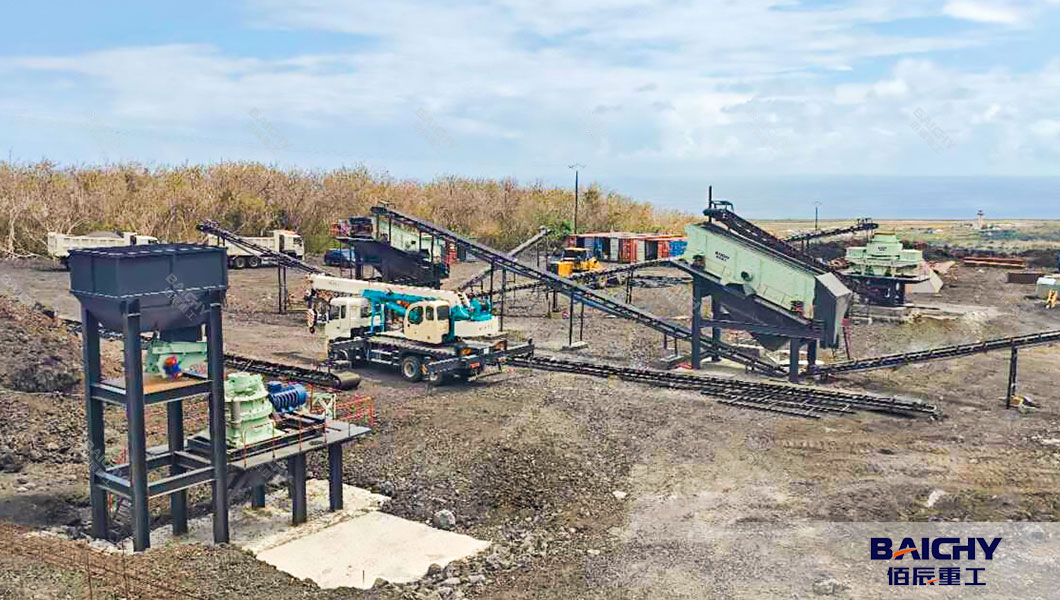
A complete silica sand grinding plant usually includes crushing, grinding, classification, and material collection equipment.
The typical production process is as follows:
Step 1: Raw Material Crushing
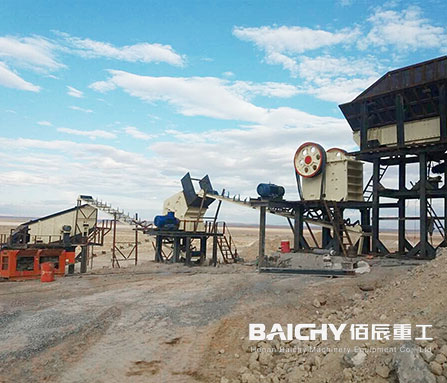
Large quartz stones are first reduced to smaller sizes using jaw crushers and secondary crushing equipment. The purpose is to produce a suitable feed size for the ball mill and improve grinding efficiency.
Step 2: Ball Mill Grinding
The crushed quartz material is fed into the silica sand ball mill. The mill reduces the particle size through continuous impact and grinding between the grinding media and quartz particles. The grinding fineness depends on several factors, including:
-
Feed particle size.
-
Grinding media size and filling ratio.
-
Mill diameter and length.
-
Rotating speed.
-
Grinding time.
-
Wet or dry operating conditions.
Step 3: Classification and Screening
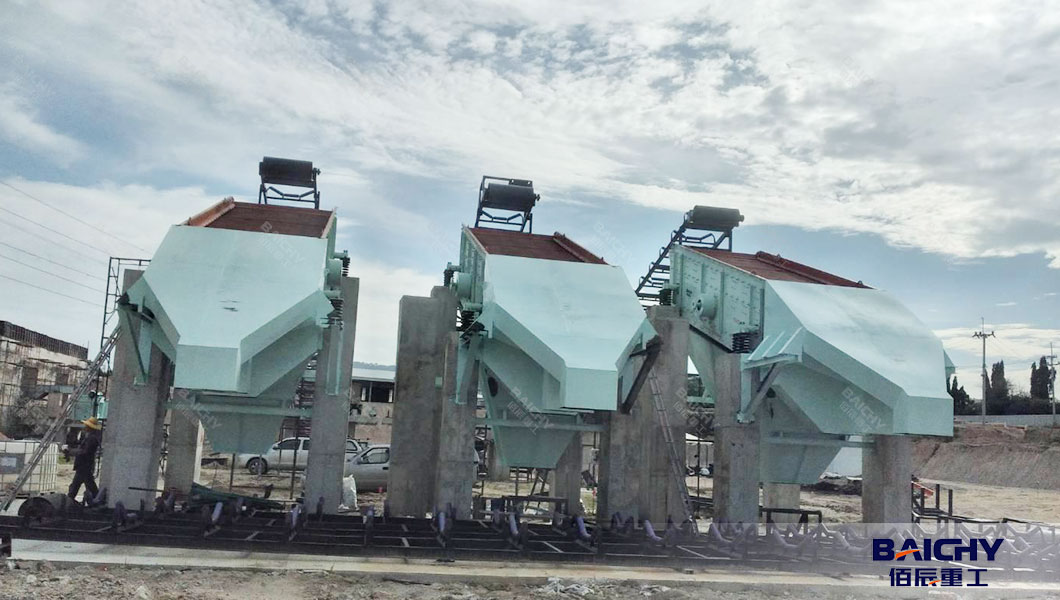
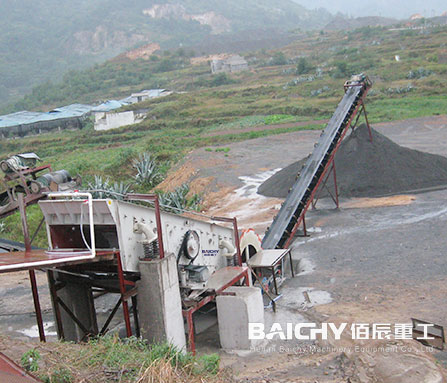
After grinding, the material may pass through vibrating screens, hydrocyclones, or other classification equipment. This stage separates particles according to the required size. For closed-circuit grinding, oversized particles can return to the ball mill for further grinding, while qualified particles move to the next processing stage.
Step 4: Product Collection and Storage
Depending on the process, the finished silica sand can be collected through screening, dewatering, drying, or dust collection systems. For dry powder production, an air classifier and dust collector may be incorporated into the production line. For wet silica sand production, dewatering equipment is generally required.
4. What Particle Size Can a Silica Sand Ball Mill Produce?
A silica sand ball mill can produce different particle sizes by adjusting operating conditions and using an appropriate classification system.
Typical product requirements may include:
|
Product Type
|
Typical Particle Size
|
|
Coarse silica sand
|
0.5–2 mm
|
|
Medium silica sand
|
0.1–0.5 mm
|
|
Fine silica sand
|
0.075–0.1 mm
|
|
Fine quartz powder
|
Below 75 μm
|
These are illustrative product ranges, not guaranteed machine specifications.
The actual grinding fineness depends on the quartz hardness, feed size, mill configuration, grinding media, and classification efficiency. For example, producing 100-mesh quartz powder requires different grinding conditions from producing 20–40 mesh silica sand. An important point: If the target is ordinary commercial silica sand rather than fine quartz powder, excessive grinding should be avoided. Overgrinding increases energy consumption and can create unwanted fine particles.
5. Silica Sand Ball Mill vs. Other Grinding Equipment
Different grinding machines serve different particle size and production requirements.
| Equipment |
Main Function |
Suitable Application |
| Ball Mill |
Impact and friction grinding |
Quartz sand and silica powder |
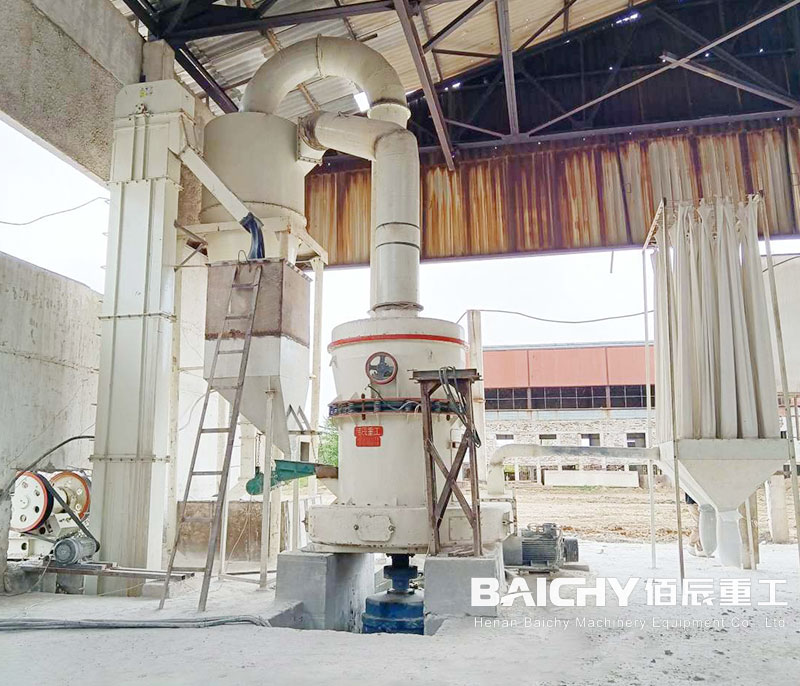
| Raymond Mill |
Roller-based grinding |
Suitable minerals for fine powder production |
| Vertical Roller Mill |
Grinding and classification |
Large-scale mineral powder production |
| Hammer Mill |
Impact crushing and grinding |
Preliminary size reduction of suitable materials |
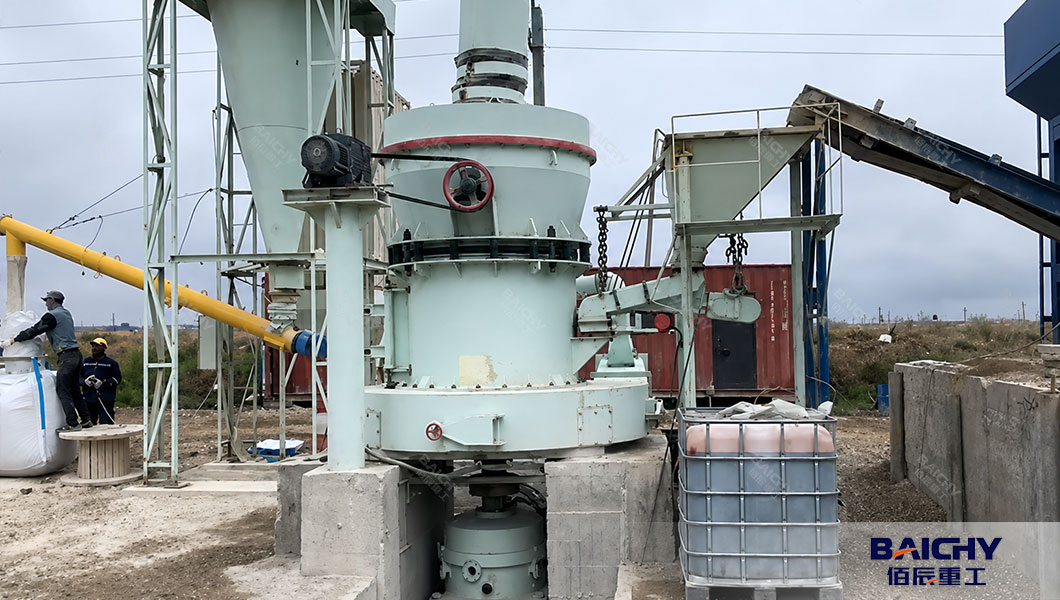
For quartz sand processing, the ball mill is a common choice because of its ability to handle hard, abrasive materials and operate continuously. A Raymond mill may be considered for certain dry mineral powder applications, but the material characteristics and product requirements must be evaluated before selection. For conventional quartz sand grinding, a ball mill is generally a more practical starting point for equipment evaluation.
6. Why Choose Baichy for Silica Sand Grinding Equipment?
When investing in a silica sand grinding plant, buyers need to evaluate not only the grinding machine but also the complete production process.
Baichy Machinery provides crushing and grinding equipment for mineral processing and aggregate production applications.
Its equipment solutions can be configured according to the raw material characteristics, required capacity, and finished product specifications.
Key considerations when planning a silica sand grinding project include:
-
Complete process design: Integrate crushing, grinding, screening, and classification according to production requirements.
-
Equipment configuration: Select suitable ball mill specifications based on feed size, capacity, and product fineness.
-
Wear part selection: Consider grinding media and liner materials for abrasive quartz applications.
-
Production line coordination: Match the ball mill with feeding, conveying, classification, and collection systems.
-
Technical support: Provide equipment selection and process configuration assistance.
The final equipment configuration should be determined after evaluating the customer's raw material and production targets.
7. What Information Is Needed to Configure a Silica Sand Ball Mill Plant?
Before requesting a quotation, prepare the following technical information:
| Required Information |
Example |
| Raw material |
Quartz stone or silica sand |
| Feed size |
0–20 mm |
| Required output |
10–30 TPH |
| Finished particle size |
100 mesh or 200 mesh |
| SiO₂ content |
Based on laboratory analysis |
| Grinding method |
Wet or dry |
| Working hours |
8–24 hours/day |
The values above are examples for project inquiry, not standard specifications or guaranteed production capacities. With this information, an equipment manufacturer can evaluate the appropriate ball mill model, motor power, grinding media, and supporting equipment. Contact Baichy Machinery with your feed size, required capacity, and finished product specifications to get a suitable silica sand ball mill configuration and equipment quotation.
8. Frequently Asked Questions About Silica Sand Ball Mills
Q1: Can a ball mill grind quartz sand?
Yes. A ball mill is commonly used to grind quartz and silica sand because it can handle hard, abrasive materials through continuous impact and attrition grinding.
Q2: Is a ball mill suitable for producing 200-mesh silica powder?
Yes. A properly configured ball mill can produce 200-mesh silica powder. The final fineness and production capacity depend on the feed size, grinding conditions, and classification system.
Q3: Is wet grinding or dry grinding better for silica sand?
Neither method is universally better. Wet grinding is suitable for slurry-based processing and wet mineral separation. Dry grinding is appropriate when the final product needs to be dry powder. The choice depends on the downstream process and operating costs.
Q4: What is the difference between a silica sand ball mill and a quartz grinding mill?
A silica sand ball mill is a specific type of quartz grinding mill. The term quartz grinding mill is broader and can include ball mills, Raymond mills, and other grinding equipment.
Q5: How much does a silica sand ball mill cost?
The price depends on the mill model, processing capacity, motor power, liner materials, and whether auxiliary equipment is included. A complete grinding plant will cost more than an individual ball mill because it may also require crushers, feeders, classifiers, conveyors, and dust collection systems.




 2026-11-07






 86-15093113821
 86-15093113821