Starting a stone crusher plant business can be highly profitable if planned correctly. Stone crushing is essential in construction, road building, mining, and infrastructure development. However, setting up a successful plant requires proper planning, investment, legal compliance, and operational efficiency. If you want to start a stone crusher plant business, find here a complete project plan guide on launching a stone crushing plant with costs, licenses, production process, and much more.
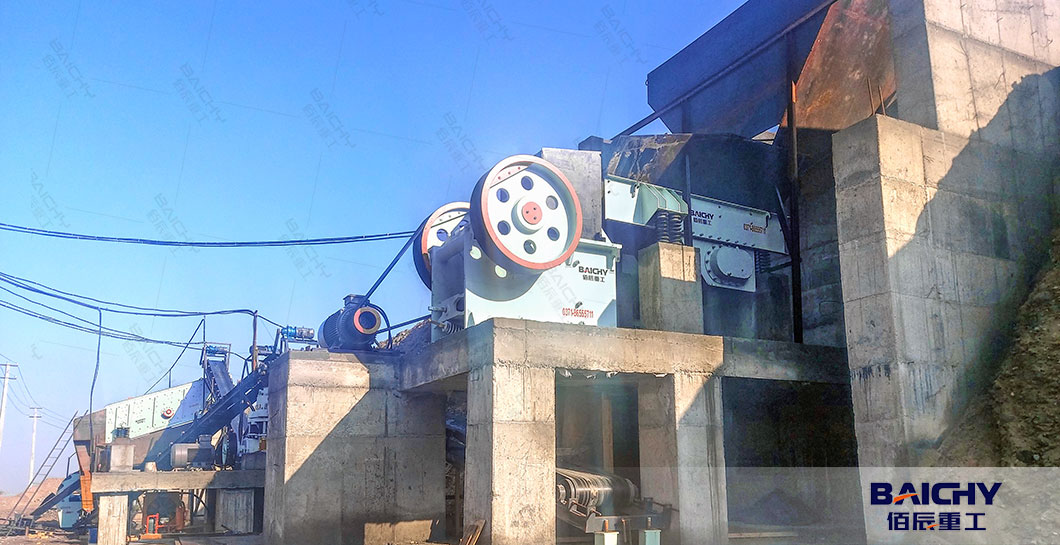
Here are the 8 Steps to Start Stone Crusher Plant Business
1. Market Research & Feasibility Analysis
Before investing, you must validate two critical factors:
● Demand Mapping: Identify ongoing and upcoming construction projects (roads, bridges, high-rise buildings) within a 50-100km radius. Transport costs for aggregates are high, so proximity to the market is a key competitive advantage.
● Raw Material Source: Secure access to a quarry or a reliable supply of raw stones (granite, basalt, limestone, or river stone). The hardness and abrasiveness of the material will dictate your equipment choice.
2. Selection of mining area
1-1 Mining area selection criteria and requirements
Before starting stone crusher plant business, the survey about mining area is necessary. It is better to mining site with sufficient raw material and convenient transport.
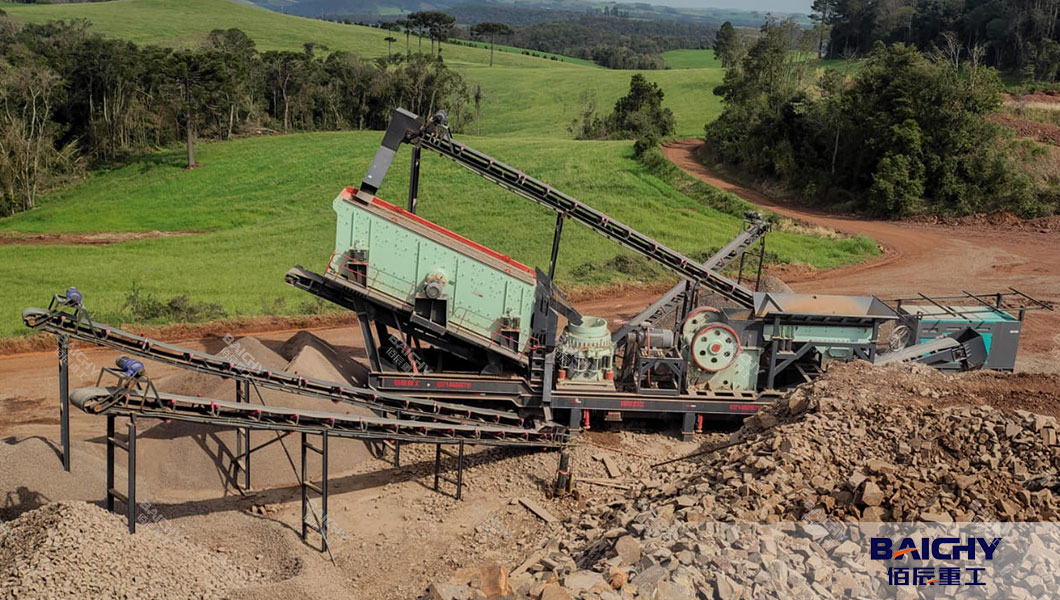
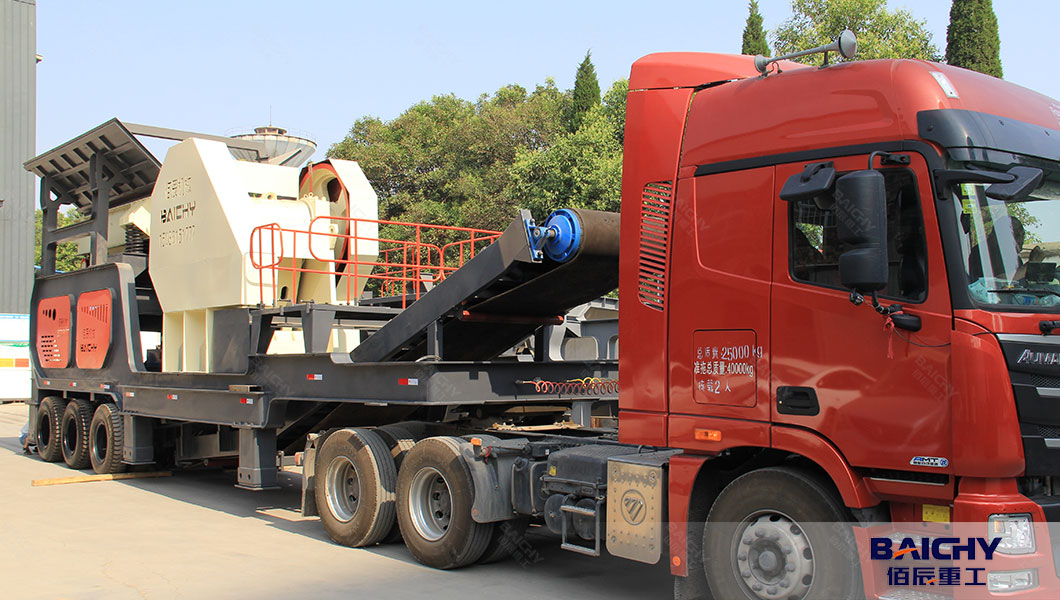
● Sufficient raw materials in the mining area. Fixed stone production line can be mined for at least 5-10 years. If choose mobile crushing plant, it has not strict requirement for mining area, as the crushing machines could move to another place easily.
● The mining area is close to the stone demand market, and the transportation is relatively convenient, which is convenient for the transportation of stone products to reduce the cost.
1-2.Stone crushing plant location selection
● The location of stone crushing plant should be at least 200-500 meters away from the main raw material area. When blasting, it will be safer.
● The site of the stone production line is as flat as possible, and the finished material area is convenient for loading and transport by truck.
1-3.Ownership of mining area
According to the different ownership of the mining area, we calculate the cost of stone crushing plant business is different. There are generally the following four kinds of mining ownership, we should calculate the cost according to different circumstances.
● Own mine;
● The mine you bought;
● Lease mine (5 years, 10 years);
● Partner with mine owners
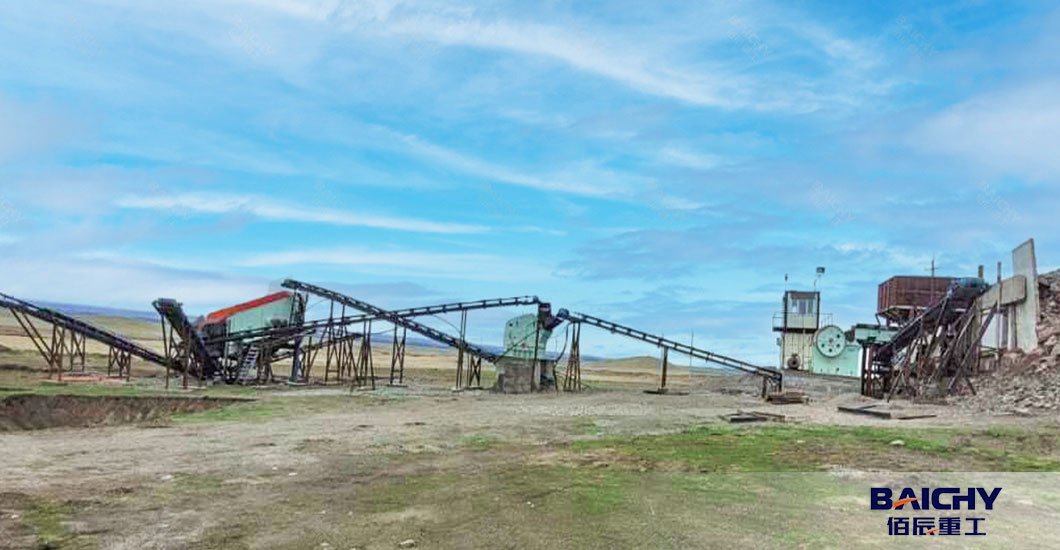
3. Legal Requirements & Compliance
Some operating licenses are necessary for stone crusher plant. They could be applied in the relevant department of local government. The application for the license and the purchase of the equipment can be done simultaneously.
● Land Change Certificate: agricultural land changed to industrial land - from Material Planning Bureau (change if necessary)
● Environmental certificate : Environmental Protection Bureau
● Mining license and blasting license: Mining Bureau
● Business Operation Permit: registered and issued by the local government department;
● Safety Permit: Government Security Bureau
4. Site Selection & Layout Design
A strategic location minimizes operational costs and legal friction:
● Logistics: The site must have heavy-duty access roads for dump trucks and loaders.
● Utilities: Reliable high-voltage electricity is essential. While diesel generators are an option, they significantly increase the cost per ton.
● Buffer Zones: Maintain required distances from residential areas, forests, and water bodies to stay compliant with environmental laws.
For example, When mining and blasting, it need to allocate the drilling distribution. Normally, the drilling whole is size with diameter 90-200mm and depth10-20m. And the drilling space is 2m at least. The required equipment includes down-the-hole drill, detonator, explosives, breaker, etc.
5. Technical Equipment Configuration
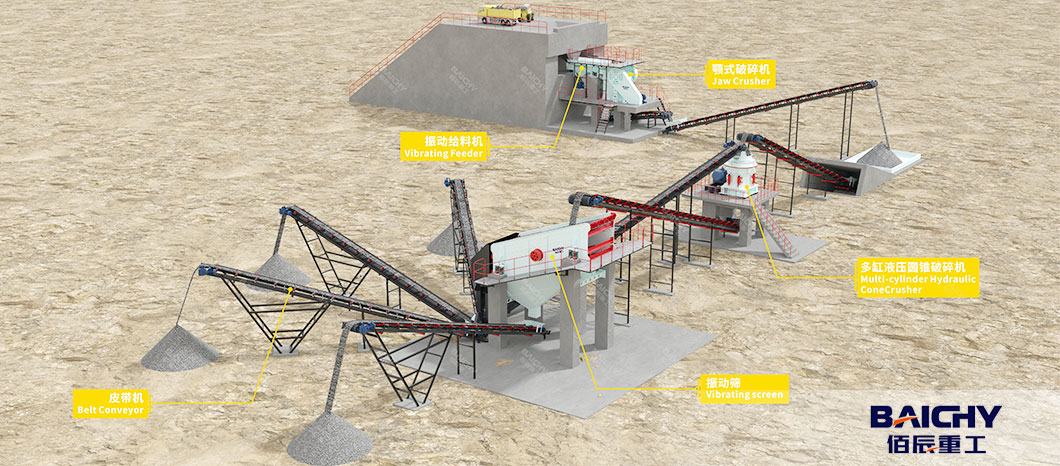
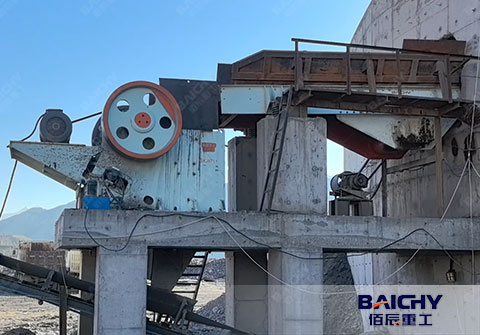
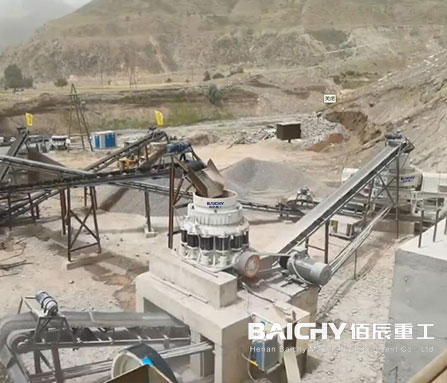
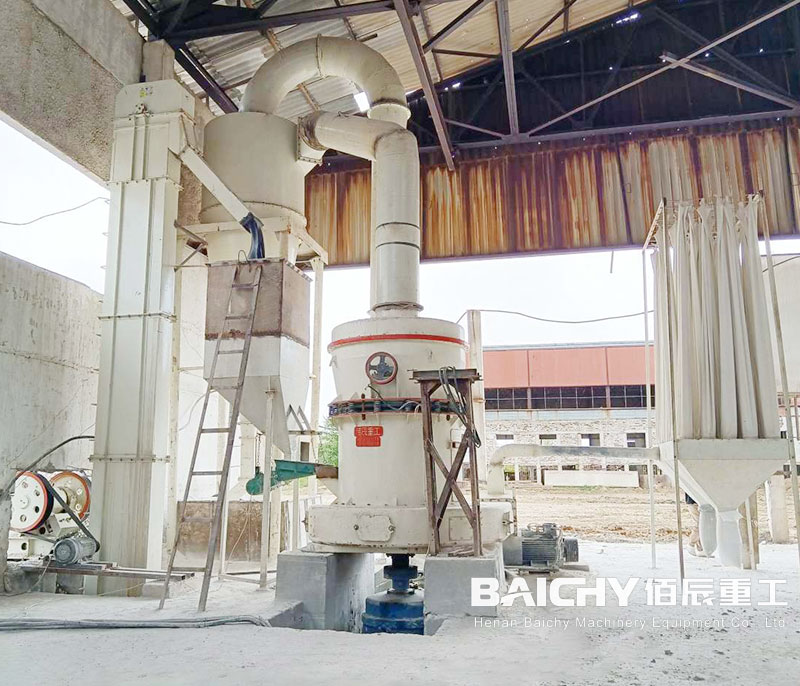
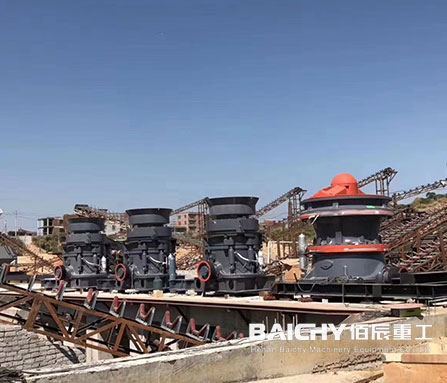
● Stone Crushers: Select the right type of crushers based on the type of stones you will be processing and the desired output size. Jaw crushers are suitable for primary crushing of large, hard stones. Cone crushers are great for secondary and fine - crushing, especially for hard and abrasive materials. Impact crushers work well for producing cubical - shaped aggregates from softer to medium - hard materials.
● Screening equipment: Install vibrating screens to separate the crushed stones into different sizes. The screens have different - sized meshes to achieve the desired gradation of the final products.
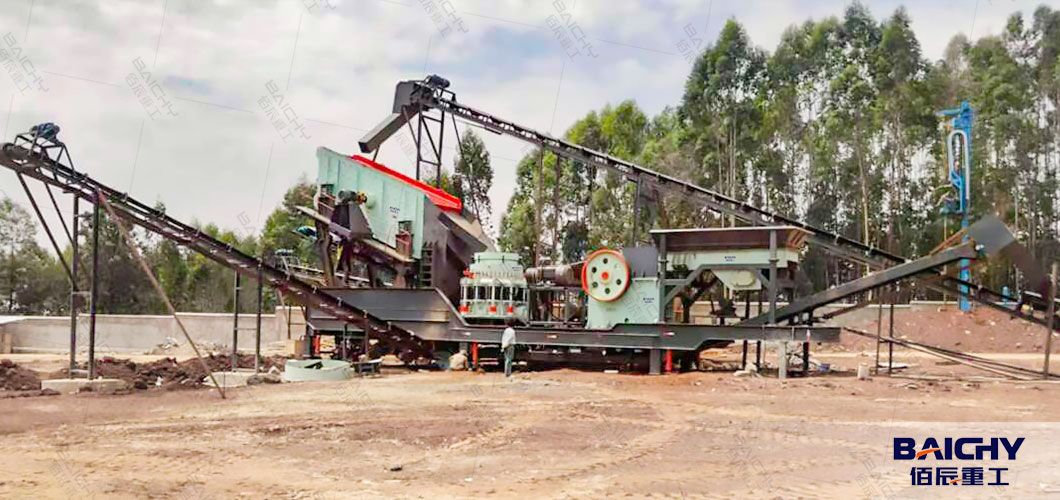
● Conveyor belts: Conveyor belts are used to transport the stones between different stages of the crushing process, from the feeders to the crushers and then to the screening and storage areas. They should be of appropriate length, width, and load - bearing capacity.
● Auxiliary equipment: You may also need equipment like loaders to move raw materials, dust - collection systems to maintain a clean working environment and comply with environmental regulations, and water - spraying systems for dust suppression. When purchasing equipment, consider factors such as reliability, durability, energy efficiency, and after - sales service. Look for reputable manufacturers or suppliers who can provide technical support and spare parts.
6. Financing Your Business
● Self - funding: Use your personal savings or assets to invest in the business. This gives you complete control over the business without the burden of debt. However, it may not be sufficient for large - scale operations.
● Bank loans: Approach banks or financial institutions for business loans. Prepare a detailed business plan that includes projected revenues, costs, and repayment schedules to present to the bank. Banks may require collateral, such as the plant equipment or the land, to secure the loan.
● Investors: Seek investors who are interested in the stone - crushing industry. This could be individuals, venture capitalists, or industry - related companies. In return for their investment, they may expect equity in your business or a share of the profits.
7. Staff Recruitment and Training
● Skilled operators: Hire experienced operators who can efficiently run the crushers and other equipment. They should be trained in safety procedures, equipment operation, and basic maintenance.
● Maintenance technicians: Employ technicians who can regularly maintain and repair the equipment to minimize downtime. They should be familiar with the mechanical and electrical components of the crushers, conveyors, and other machinery.
● Administrative and sales staff: Recruit administrative personnel to handle day - to - day operations, such as bookkeeping, inventory management, and customer service. A sales team is also essential to promote your products, build relationships with customers, and secure contracts. Provide training to all staff members on the latest industry practices, safety regulations, and customer service skills.
8. Marketing and Promoting Your Business
● Build a strong brand: Develop a brand name and logo that reflects the quality and reliability of your products. Create a professional website that showcases your products, services, production capacity, and contact information. Use search engine optimization (SEO) techniques to make your website more visible in online searches.
● Networking: Attend industry trade shows, construction expos, and business networking events. This is an excellent opportunity to meet potential customers, suppliers, and partners. Build relationships with construction companies, contractors, and other industry players.
● Customer service: Provide excellent customer service to build a loyal customer base. Ensure timely delivery of products, respond promptly to customer inquiries and complaints, and offer competitive pricing. Word - of - mouth marketing can be very powerful in the stone - crushing industry, so happy customers can be your best ambassadors.
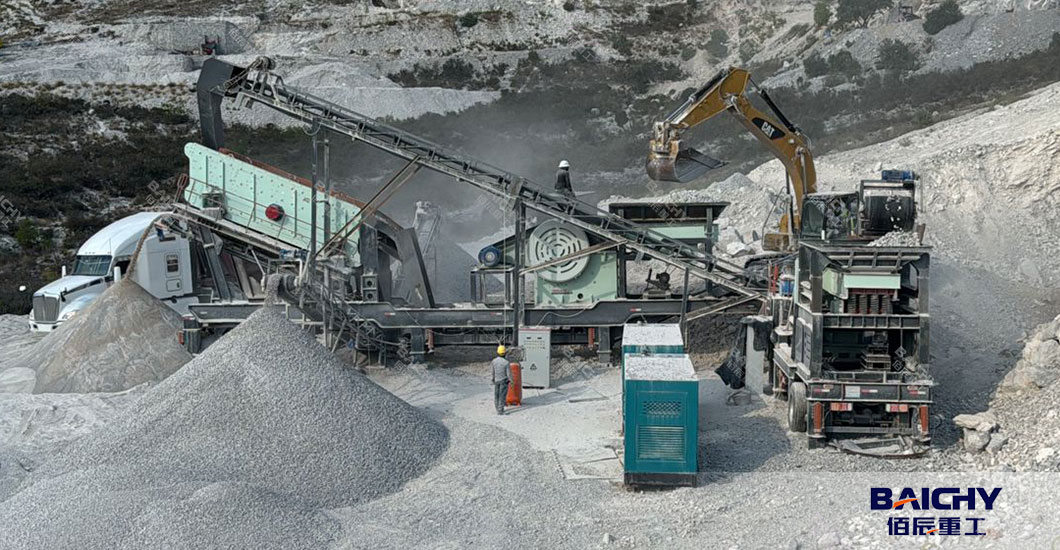
Total Investment Breakdown for Starting a 100 TPH Stone Crusher Plant
A 100 TPH stone crusher plant is a medium-scale aggregate production line commonly used for producing construction materials such as gravel, crushed stone, and manufactured sand. The total investment depends on factors such as stone type, equipment configuration, automation level, local labor costs, land conditions, and infrastructure requirements.
Below is a typical investment breakdown for a 100 TPH stationary stone crushing plant.
1. Machinery & Equipment (60%–70% of Budget)
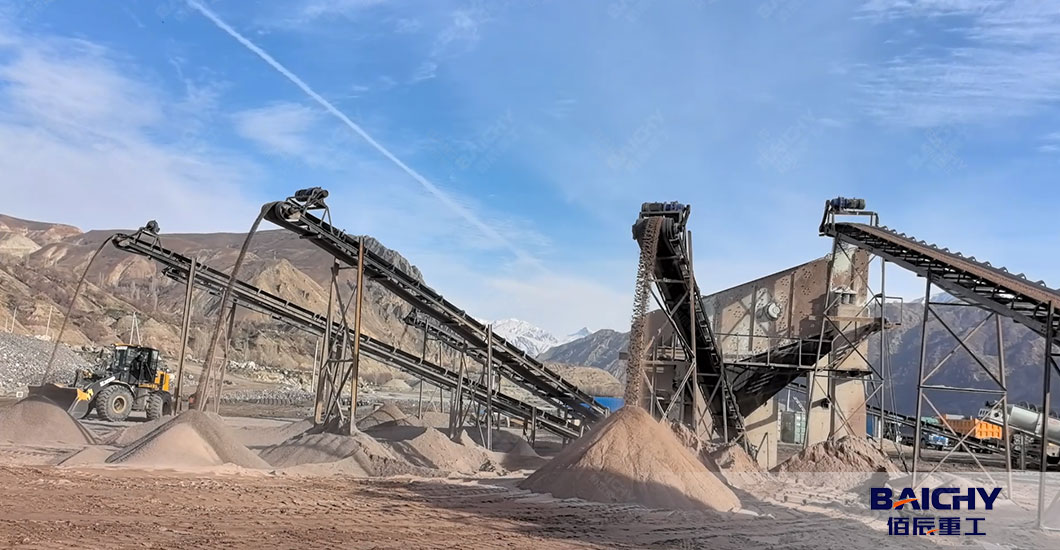
This is the core investment. For a 100 TPH line, you generally need a two-stage crushing process:
● Primary Crusher (Jaw Crusher): $35,000 – $65,000 (e.g., PE600x900 model).
● Secondary Crusher:
○ Option A (Limestone/Soft): Impact Crusher ($45,000 – $75,000).
○ Option B (Granite/Hard): Cone Crusher ($110,000 – $180,000). Cone crushers are more expensive upfront but have significantly lower wear-part costs for hard materials.
● Vibrating Feeder & Screens: $25,000 – $45,000.
● Belt Conveyor System: $20,000 – $35,000 (standard 6-8 units).
● Control System (Electric Cabinet): $8,000 – $15,000.
2. Infrastructure & Civil Works (15%–20%)
Stationary plants require heavy foundations to handle vibration and weight:
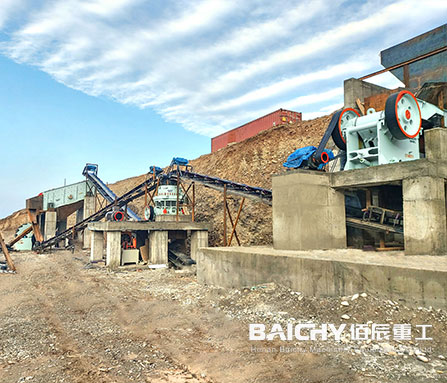
● Concrete Foundations & Steel Structures: $40,000 – $80,000.
● Site Preparation (Leveling/Roads): $15,000 – $30,000.
● Electricity Infrastructure: $30,000 – $60,000 (includes transformer setup, cabling, and potential diesel generator backup).
3. Licensing, Permits & Compliance (5%–10%)
Costs vary by region but are critical for legal operation:
● Environmental & Pollution Clearance: $10,000 – $35,000 (includes dust suppression systems like water sprays or bag filters).
● Mining Lease/Business Licenses: $5,000 – $20,000.
4. Working Capital (Initial 3 Months)
You must have liquid funds to cover initial operational friction:
● Labor & Power/Fuel: $30,000 – $50,000.
● Maintenance & Wear Parts: $10,000 – $15,000 (extra sets of jaw plates, mantles, or blow bars).
● Raw Material Acquisition: $20,000 – $40,000 (if not owning the quarry).
Total Investment Summary (100 TPH)
| Category |
Estimated Cost (USD) |
| Machinery (Total) |
$233,000 – $415,000 |
| Infrastructure & Civil |
$85,000 – $170,000 |
| Permits & Compliance |
$15,000 – $55,000 |
| Working Capital (3 mo) |
$60,000 – $105,000 |
| Total Project Cost |
$393,000 – $745,000 |
How to Reduce Initial Investment
For new investors:
1. Start Without Owning a Quarry
Buy raw stone from existing mines to reduce upfront costs.
2. Choose a Modular Plant
A compact crushing line reduces: Foundation cost, Installation time, Transportation cost
3. Use Semi-Automatic Control
Fully automated systems improve efficiency but increase initial investment.
4. Select Equipment Based on Stone Hardness
Over-sizing equipment increases unnecessary costs.
Starting a stone crusher plant business is a challenging but potentially rewarding endeavor. By following these steps and staying committed to quality, compliance, and customer satisfaction, you can build a successful and sustainable business in the stone - crushing industry. Baichy Machinery company is a high-tech mining equipment comprehensive enterprise, integrating R&D, manufacturing, sales and after-sales service, and passed ISO9001:2015 quality management system certifications. Our products have exported to more than 80 countries.If you are interested in the stone crusher, please click on the online consultation to get solution and price now. Baichy Machinery is dedicated to serving you 24 hours a day!
People Also Frequently Asked For - FAQ:
1. How to start a crusher plant?
Starting a stone crusher project requires a detailed business plan. You should include an executive summary and market research. Stone crushing plant consists of vibrating feeder, jaw crusher, cone crusher, impact crusher, vibrating screen, belt conveyor and electric control panel etc. Its designed throughput generally is 50-600 t/h. It can be adopted to almost all types of materials from stone production to various ores crushing.
2. What is the production cost of stone crusher?
Project cost will depend upon desired quality as well as quantity of of end product as well as infrastructure facilities available at proposed project site. Find a professional engineering company and stone crusher manufacture, like Baichy Machinery company to get a detailed quotation for your budget reference.
3. Is stone crusher a profitable business?
Yes, rock and concrete crushing can be very profitable, with typical profit margins ranging from 15% to 20%, though success depends heavily on local market demand, equipment maintenance, and controlling transportation costs.




 2026-09-21





 86-15093113821
 86-15093113821