Home About us
Products
News
Solution
Video Service Contact us
Home  /  News

Sand is an essential raw material for construction, fracking, and industrial applications. However, traditional wet processing methods often result in significant loss of fine particles—sometimes exceeding 20% of the finer sand fractions . This not only reduces yield but also disrupts product gradation and increases environmental compliance costs.


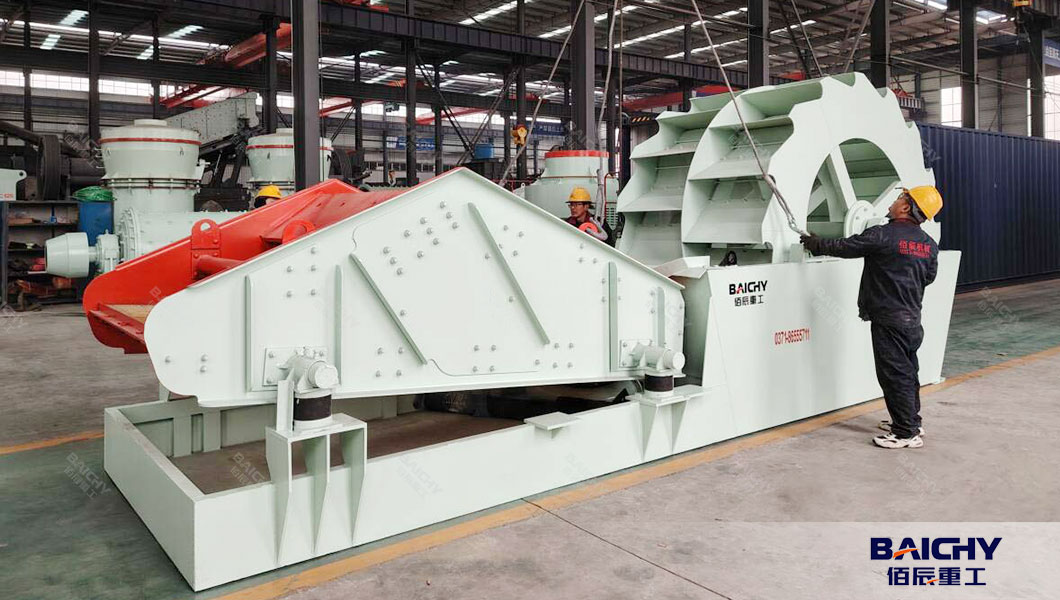
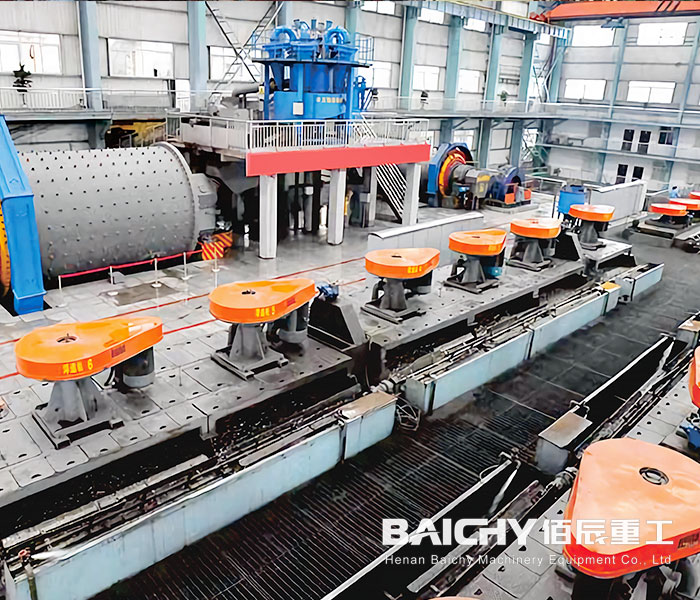
sand-refining-machine-01.jpg


A modern sand refining machine integrates hydrocyclone classification, dewatering, and optional attrition scrubbing to recover fine particles, reduce moisture content, and deliver consistent, high-quality sand products. Whether you process natural sand, manufactured sand from crushed stone, or reclaimed foundry sand, these systems maximize resource utilization and minimize waste.


What Is a Sand Refining Machine?

A sand refining machine is a complete processing system designed to recover, clean, and dewater sand from slurry or feed material. Typical configurations include:

 ● Feed sump and slurry pump – collects and transfers sand-water slurry

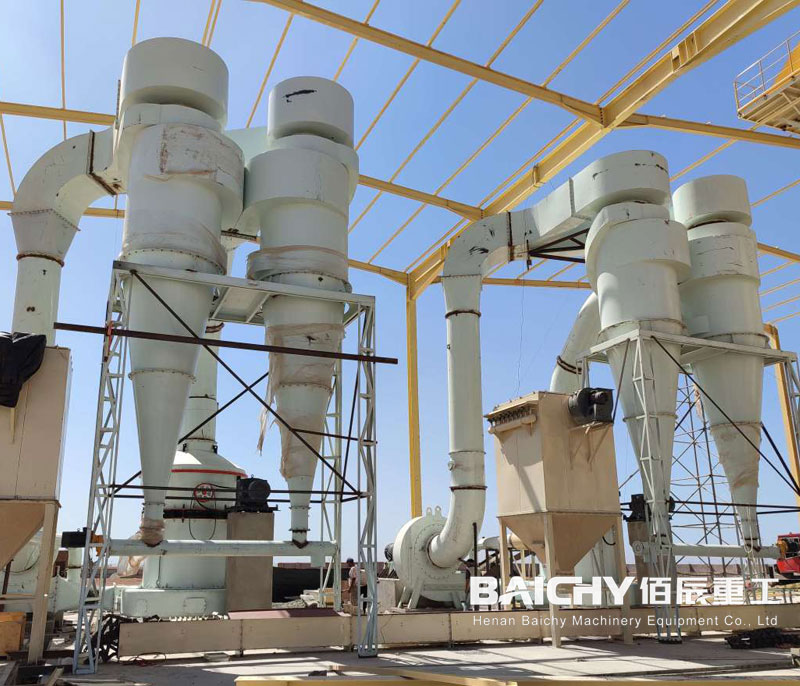
 ● Hydrocyclone(s) – separates fine sand from silt, clay, and excess water

 ● Dewatering screen – removes moisture and delivers a "drip-free" product

 ● Optional attrition scrubber – polishes sand grains and removes surface contaminants

The system operates in a closed-loop configuration, with water and fines passing through the screen recirculated back to the sump to minimize product loss .


Key Features of a Modern Sand Refining System

1. Higher Product Yields

Conventional sand washing equipment like fine material screw washers can lose significant amounts of -200 mesh sand. Advanced sand refining machines with hydrocyclones recover 3–5% more product than traditional screw washers . In many applications, fine particle loss can be reduced to just 5–10% .


2. Drier, More Consistent Products

Dewatering screens apply high-frequency vibration and high G-force to remove excess moisture. Dryer sand means:

 ● Immediate use without additional drying

 ● Higher stockpile angle of repose for more storage capacity

 ● Reduced water loss and better site housekeeping


3. Effective Fine Particle Recovery

Hydrocyclones are the core separation device in sand refining systems. They use centrifugal force to separate valuable sand particles from water and fine contaminants. With polyurethane-lined cyclones and wear-resistant components, these units achieve long service life while processing abrasive materials .


4. Removal of Contaminants

For applications requiring high-purity sand (such as frac sand or glass sand), attrition scrubbers are incorporated into the refining line. These units contain rotating blades that force sand grains against each other, delaminating clay, graphite, and other surface contaminants . The process typically reduces moisture content below 20% between stages and uses a second set of hydrocyclones to remove liberated fines.


5. Blending Flexibility

Some advanced sand refining plants can produce both coarse and fine sand products simultaneously. Using gate systems, operators can blend sands to control the final product's Fineness Modulus (FM), meeting specific customer specifications .


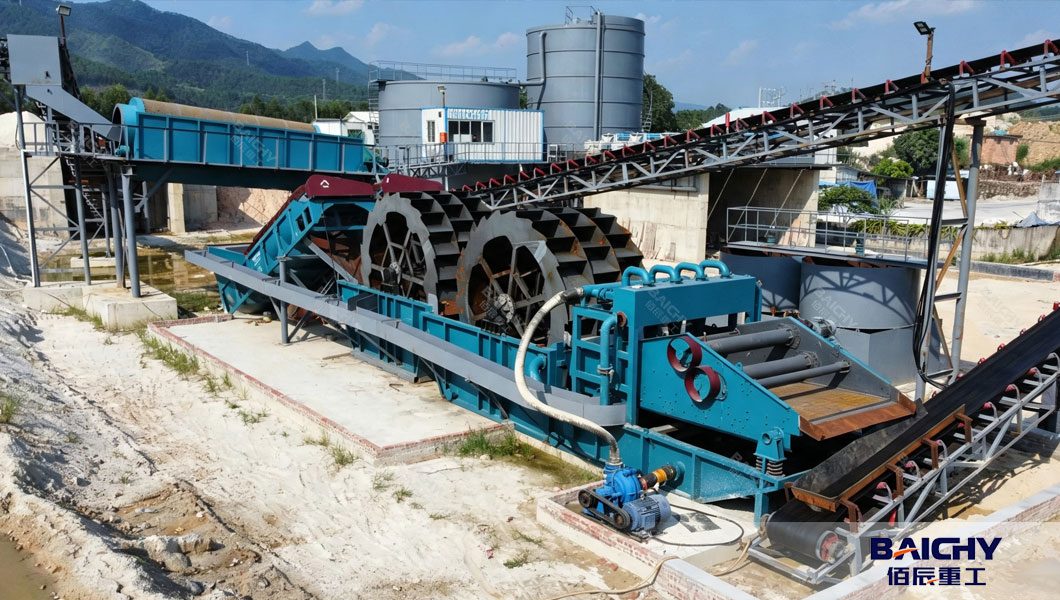
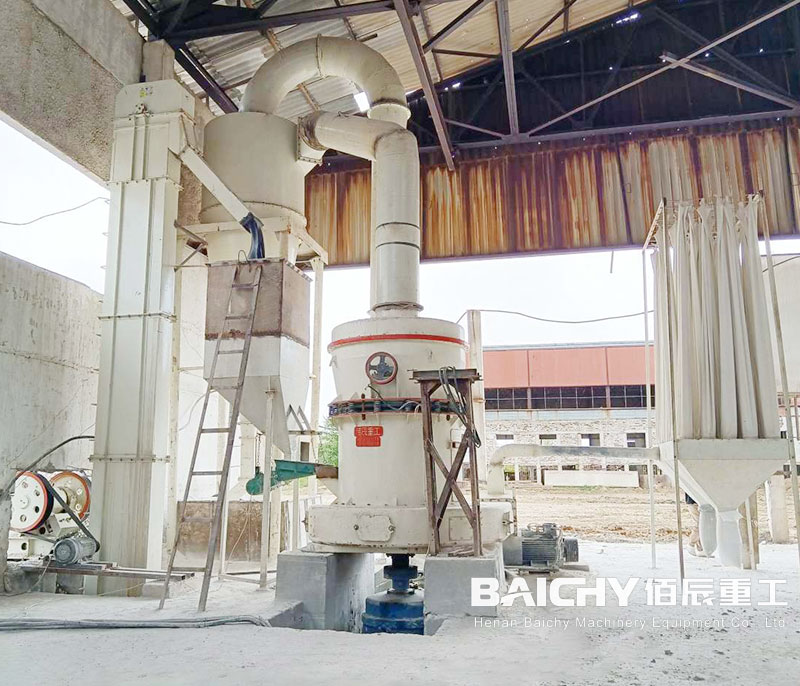
sand-refining-machine-02.jpg


Typical Sand Refining Process Flow

 ● Feed screening – Raw sand is screened to remove oversize material (>2 mm)

 ● First fines separation – Slurry is pumped to hydrocyclones that remove fine contaminants and excess water

 ● Primary dewatering – The underflow is discharged onto a dewatering screen, reducing moisture to ~15%

 ● Attrition scrubbing (optional) – Sand is processed in an attrition cell cluster to remove surface coatings

 ● Second fines separation – Liberated fines are removed in a second hydrocyclone stage

 ● Final dewatering – Clean sand is dewatered to the desired moisture content

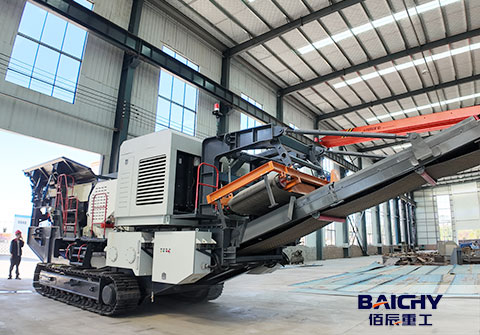
For portable operations, modular, containerized sand refining plants can be deployed at mine sites, eliminating the cost of transporting raw sand to central processing facilities .


Key Components and Specifications

Component Function Material / Feature
Hydrocyclone Separates sand from water and fines Polyurethane lining for wear resistance
Dewatering screen Removes excess moisture High-frequency vibration, polyurethane screen media
Attrition scrubber Polishes and cleans sand grains Multiple cells with rotating blades; torque monitoring for water control
Slurry pump Transfers slurry to cyclones Heavy-duty, wear-resistant construction
Sump / tank Collects and recirculates process water Closed-loop system minimizes product loss 


Applications

Construction aggregates – producing washed, graded sand for concrete and asphalt

 ● Frac sand – refining high-purity sand for hydraulic fracturing

 ● Foundry sand – particle size adjustment and waste reduction

 ● Silica sand – producing consistent No. 4 and No. 5 grades

 ● Recycling – recovering sand from settling ponds and waste streams


Investing in a high-performance sand refining machine delivers measurable benefits: higher yield, drier product, consistent grading, and lower environmental impact. Whether you need a standalone dewatering screen, a complete fines recovery system, or a portable frac sand processing plant, modern equipment from leading manufacturers can be customized to meet your specific requirements. 


Maybe you are interested in