1. Overview of a 500 TPH Large-Scale Quarry Crushing Line
A large-scale quarry requires more than a high-capacity stone crusher. It needs a coordinated crushing and screening system that can process large feed sizes, maintain stable production, control particle shape, and produce several aggregate sizes for different construction applications. This 500 TPH quarry crushing line is designed around a multi-stage processing system. It combines a primary jaw crusher, secondary and tertiary cone crushers, vibrating screens, a VSI sand making machine, and a screw sand washer. The production line is designed to process quarry stone into several finished aggregate fractions, including 0–4.7 mm, 4.7–9.5 mm, 9.5–13.2 mm, and 13.2–19 mm, together with washed manufactured sand in the 0–6.7 mm range.
The system is suitable for large aggregate producers supplying concrete batching plants, asphalt mixing plants, road construction projects, and commercial building material markets.
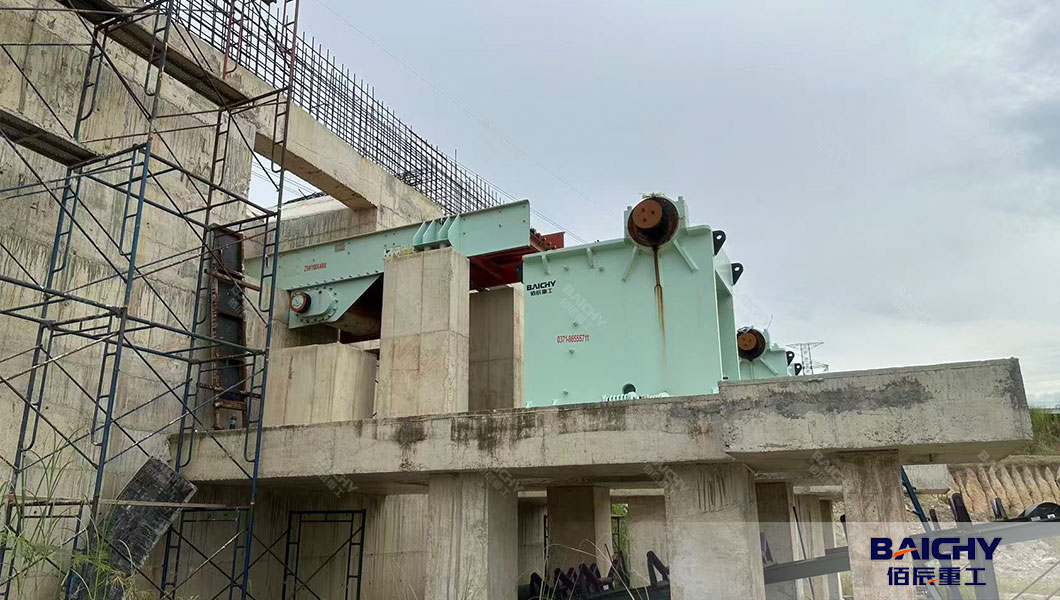
2. Equipment Configuration for the 500 TPH Quarry Plant
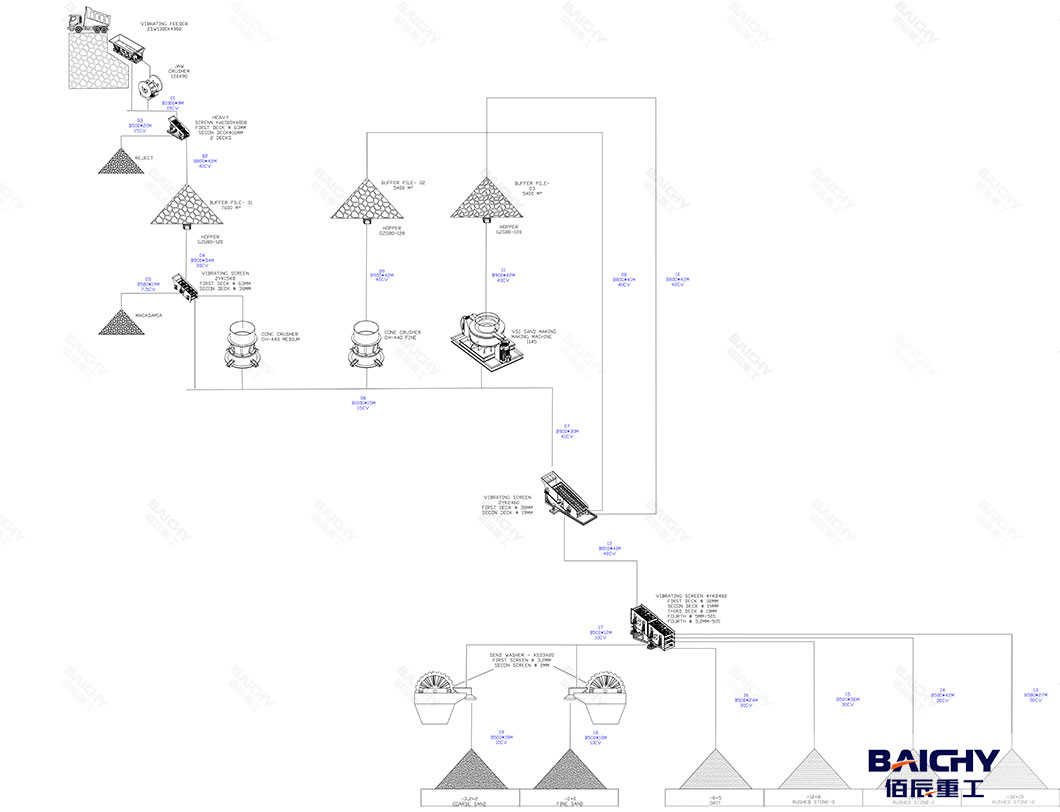
The equipment configuration follows the process flow diagram. Each machine performs a specific function, while the conveyors, screening units, and material transfer points connect the different processing stages.
| No. |
Equipment Model |
Equipment Name |
Quantity |
| G1 |
ZSW1300×4900 |
Vibrating Feeder |
1 |
| C2 |
PE1000×1200 |
Jaw Crusher |
1 |
| C3 |
DGS300 |
DG Cone Crusher |
1 |
| C4 |
HPC300 |
HPC Cone Crusher |
2 |
| Y1 |
2YK3080 |
Vibrating Screen |
1 |
| Y2 |
3YK3080 |
Vibrating Screen |
1 |
| Y3 |
2YK2470 |
Vibrating Screen |
1 |
| G5 |
VSI1150 |
Sand Making Machine |
1 |
| G6 |
1575 |
Screw Sand Washer |
1 |
The main equipment selection reflects the need to distribute the crushing workload across several stages instead of relying on one machine to achieve the final product size.
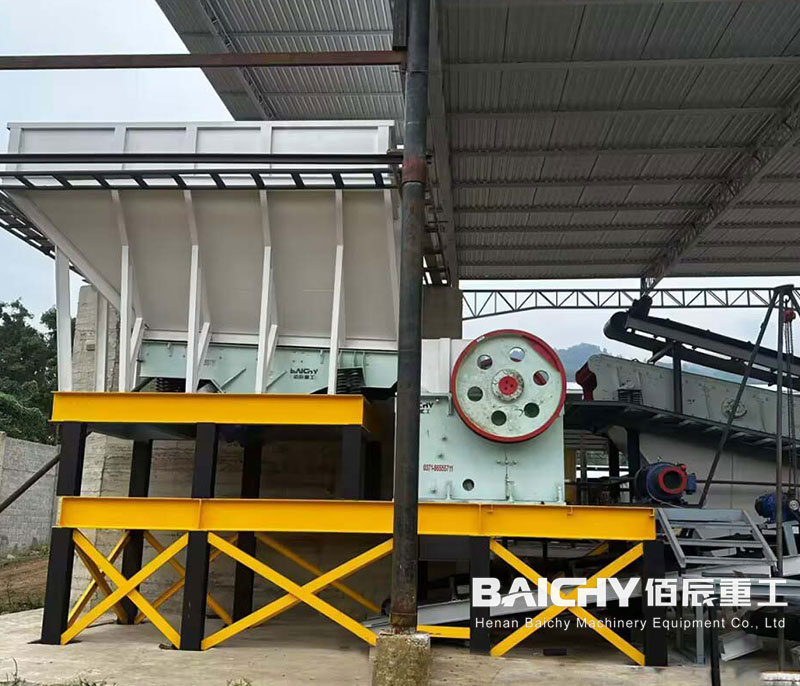
Primary Crushing: ZSW1300×4900 Feeder and PE1000×1200 Jaw Crusher
The primary crushing stage receives large quarry stones directly from the raw material feeding area. The ZSW1300×4900 vibrating feeder transfers raw stone to the PE1000×1200 jaw crusher at a controlled rate. Stable feeding helps prevent sudden loading fluctuations and keeps the primary crusher working efficiently. The PE1000×1200 jaw crusher uses a compression crushing principle to reduce large rocks into smaller pieces suitable for secondary crushing. For a large quarry, primary crushing performance directly affects the production capacity of the downstream equipment. The feeder and jaw crusher must therefore be selected according to the maximum feed size, rock hardness, bulk density, and required operating capacity.
Secondary and Tertiary Crushing: DG300 and Two HPC300 Cone Crushers
After primary crushing, the material enters the cone crushing section. The DGS300 DG cone crusher performs the next crushing stage, reducing the size of the material before it enters the two HPC300 cone crushers. The two HPC300 cone crushers provide additional crushing capacity for the large-volume aggregate production system. Using multiple crushing units allows the workload to be distributed and helps maintain a more balanced material flow. Cone crushers are particularly suitable for hard and abrasive rocks such as granite, basalt, and other high-strength quarry materials. The crushing chamber, closed-side setting, and feed distribution should be adjusted according to the actual rock characteristics and target aggregate sizes.
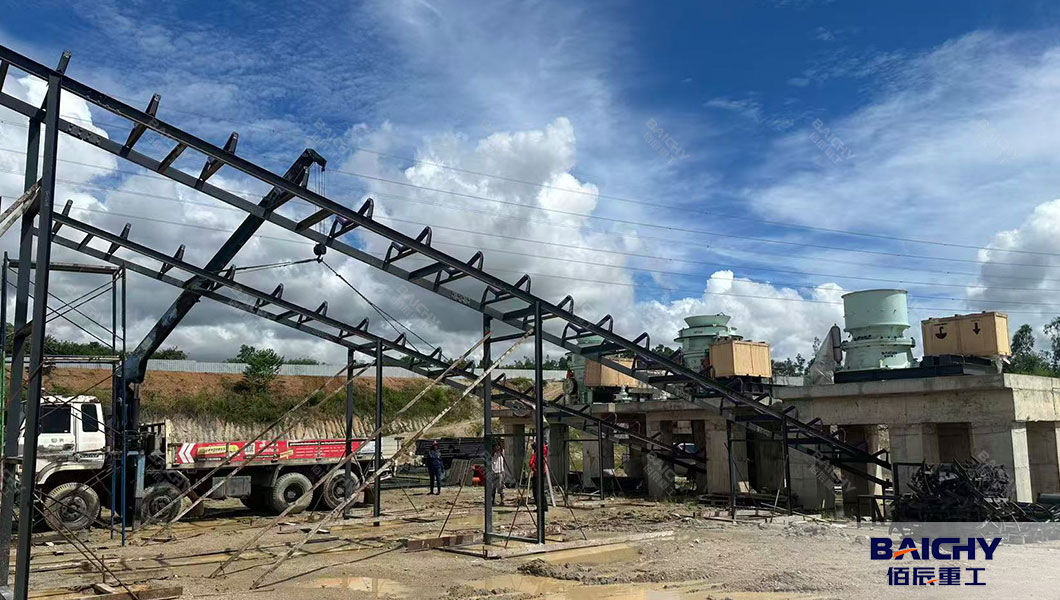
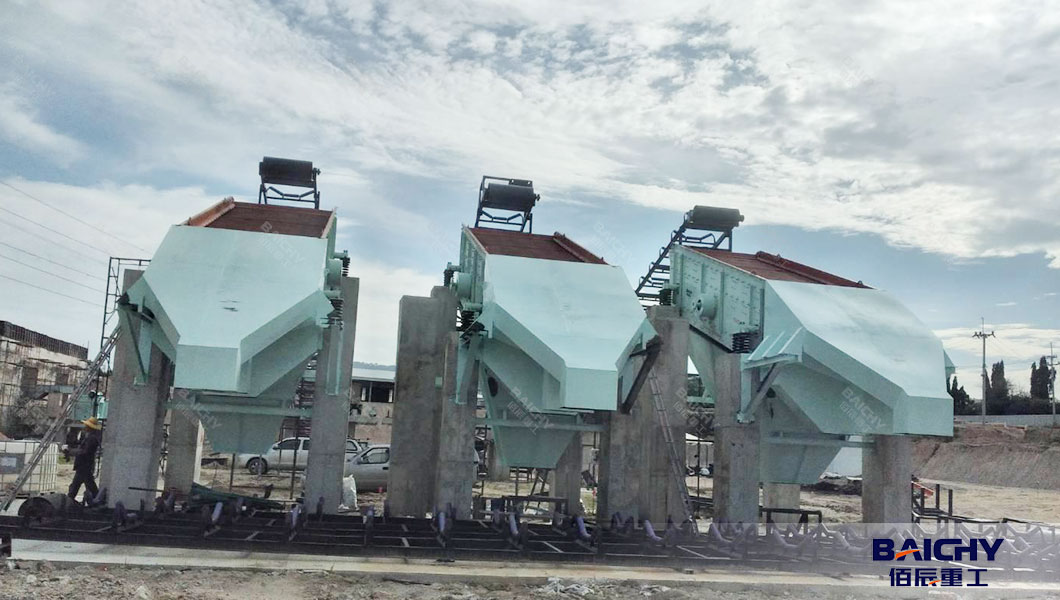
Multi-Stage Screening: 2YK3080 and 3YK3080 Vibrating Screens
Screening is an important part of this quarry processing system because the plant needs to produce several commercial aggregate sizes. The 2YK3080 vibrating screen separates crushed materials after the cone crushing stage. Oversized particles are returned to the crushing circuit for further reduction, while appropriately sized materials move to subsequent screening and product handling stages. The 3YK3080 vibrating screen performs further classification to separate the finished aggregate into different size fractions.
The target aggregate specifications shown in the process diagram are:
-
0–4.7 mm
-
4.7–9.5 mm
-
9.5–13.2 mm
-
13.2–19 mm
A closed-circuit screening arrangement helps reduce oversized material in the finished products and improves control over aggregate grading. Actual product proportions depend on the raw stone grading, crusher settings, screen mesh openings, and operating conditions.
VSI1150 Sand Making Machine: Manufactured Sand Production
The VSI1150 sand making machine is used in the sand production section. After the appropriate material is directed to the sand-making circuit, the VSI crusher uses high-speed impact and particle-to-particle crushing to further reduce and shape the stone. Compared with relying only on compression crushing, VSI processing can improve particle shape and produce finer aggregate for manufactured sand applications. This stage is particularly useful when the quarry needs to supply concrete sand, construction sand, or other fine aggregate products. The VSI1150 should be configured according to the feed particle size, moisture content, rock abrasiveness, and required sand grading.
Final Screening and Washing: 2YK2470 Screen and 1575 Screw Sand Washer
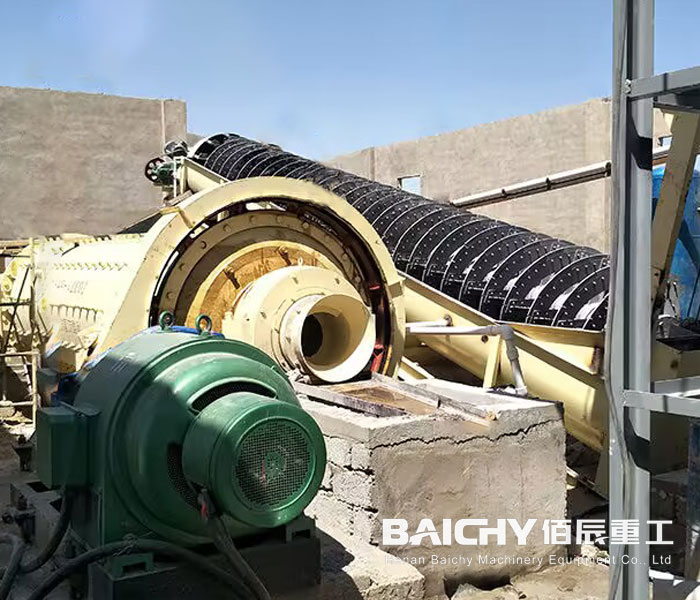
The VSI sand-making section is connected to a 2YK2470 vibrating screen for material classification. The classified fine material is then transferred to the 1575 screw sand washer. The screw sand washer uses water and mechanical agitation to remove clay, silt, and other unwanted fine impurities from manufactured sand. The final washed sand product shown in the flow diagram is 0–6.7 mm. For projects supplying ready-mix concrete plants or commercial construction markets, washing is important because excessive clay and fine impurities can affect aggregate quality and concrete performance. The washing system should be designed according to the actual material cleanliness requirements, water availability, and wastewater treatment arrangements.
3. Complete Processing Flow of the 500 TPH Quarry Plant
The production process can be divided into two main sections: aggregate crushing and screening, and manufactured sand production.
Step 1: Raw Material Feeding
Quarried rock is delivered to the ZSW1300×4900 vibrating feeder. The feeder provides a controlled and continuous supply of raw material to the PE1000×1200 jaw crusher.
Step 2: Primary Crushing
The PE1000×1200 jaw crusher reduces large quarry stones into smaller pieces for the next crushing stage.
Step 3: Cone Crushing
The crushed material enters the DGS300 cone crusher and subsequently the two HPC300 cone crushers. These machines reduce the material to the required intermediate sizes.
Step 4: Aggregate Screening and Recirculation
The 2YK3080 and 3YK3080 vibrating screens classify crushed materials into different size fractions. Oversized material is returned to the crushing circuit for further processing.
Qualified aggregate is separated into the required commercial product sizes.
Step 5: VSI Sand Making
A portion of the suitable feed material enters the VSI1150 sand-making section. The machine further reduces and shapes the stone to produce manufactured sand.
Step 6: Sand Screening and Washing
The 2YK2470 vibrating screen classifies the sand-making output. The 1575 screw sand washer then removes unwanted impurities and produces washed manufactured sand in the specified size range.
This arrangement allows the quarry to manufacture both conventional crushed aggregates and washed manufactured sand within one integrated processing system.
4. Finished Products and Applications
A large-scale quarry crushing line should be designed around the actual product demand of its target market.
The 500 TPH process diagram identifies four aggregate size ranges and one washed sand product.
| Finished Product |
Particle Size |
Typical Applications |
| Fine Aggregate |
0–4.7 mm |
Concrete sand blending and fine aggregate applications |
| Small Aggregate |
4.7–9.5 mm |
Concrete production and construction materials |
| Medium Aggregate |
9.5–13.2 mm |
Concrete and asphalt mixtures |
| Coarse Aggregate |
13.2–19 mm |
Concrete, road construction, and infrastructure |
| Washed Manufactured Sand |
0–6.7 mm |
Concrete, mortar, and general construction |
The actual commercial specifications should be confirmed against local aggregate standards and customer requirements.
It is also important to distinguish between the nominal particle-size range and the final grading curve. Two products with the same nominal size may have different particle distributions and therefore different market applications.
5. Why Use a Multi-Stage Crushing System for a Large Quarry?
For a quarry processing hundreds of tons of stone per hour, the crushing process must balance capacity, reduction ratio, product quality, and equipment operating costs.
A multi-stage crushing arrangement offers several practical advantages.
1. Better Distribution of Crushing Workload
The jaw crusher handles large feed material, while cone crushers perform further size reduction. The VSI crusher focuses on particle shaping and manufactured sand production.
This division of work avoids placing excessive crushing demands on a single machine.
2. More Controlled Aggregate Gradation
Multiple vibrating screens classify materials at different stages. This helps the plant produce several aggregate sizes and return oversized particles for further crushing.
3. Improved Particle Shape
The VSI sand-making stage provides additional particle shaping, which is important when producing manufactured sand and higher-quality fine aggregates.
4. Flexible Product Allocation
The plant can distribute suitable material between aggregate production and sand making according to market demand. Screen openings and crusher settings can be adjusted to meet different product specifications, subject to the plant's design and material balance.
5. Integrated Production
Combining crushing, screening, sand making, and washing reduces the need for separate processing facilities and creates a more coordinated production system.
6. Key Factors to Consider Before Building a 500 TPH Quarry Crushing Plant
A 500 TPH design target does not automatically mean that every quarry can achieve the same output with an identical equipment configuration. The actual production capacity depends on several engineering factors.
Raw Material Characteristics
Rock hardness, compressive strength, abrasiveness, moisture content, and feed particle size all affect crusher performance.
For example, granite and basalt generally require different wear-part considerations from softer limestone. Abrasive materials can also increase the replacement frequency of crusher liners and VSI wear parts.
Feed Size and Crushing Ratios
The maximum raw material size must be compatible with the jaw crusher's feed opening.
Each subsequent crushing stage should receive material within its specified feed range. An unsuitable feed distribution can reduce capacity, increase energy consumption, and accelerate wear.
Product Size Requirements
Before selecting screen mesh openings and crusher settings, the quarry operator should define the required finished products.
Producing several narrow aggregate size ranges requires careful screening design and sufficient screening area.
Water Supply and Sand Washing
The VSI and sand washing section should be evaluated together.
Water consumption, recycled water availability, wastewater treatment, and sludge management should be considered during project planning.
Plant Layout and Conveying Capacity
A large quarry plant requires sufficient space for crushers, vibrating screens, stockpiles, conveyors, maintenance access, and electrical equipment.
The conveyor system must also match the material flow between processing stages. Insufficient conveying capacity can become a bottleneck even when the crushers themselves have adequate capacity.
7. Baichy: Complete Quarry Crushing and Sand Making Solutions
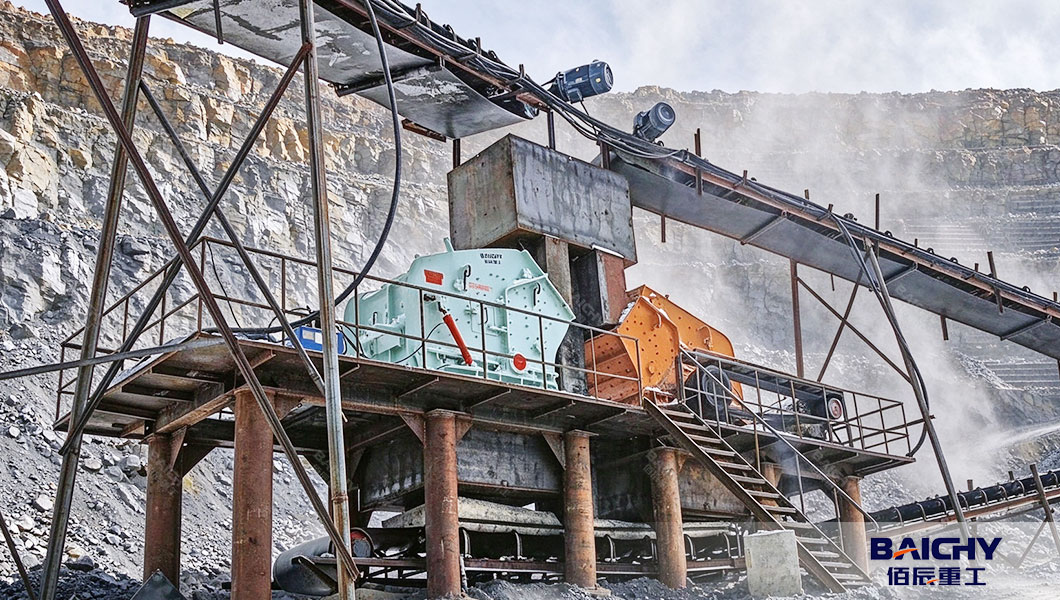
For large quarry projects, equipment selection should start with the customer's production objectives and raw material conditions rather than simply choosing individual machines by model. Baichy Machinery provides crushing, screening, sand-making, and mineral processing equipment for aggregate and mining applications. For a 500 TPH quarry project, the engineering process should include raw material analysis, feed-size evaluation, finished product requirements, equipment selection, process flow design, and plant layout planning. The proposed configuration can be evaluated and adjusted according to the customer's actual project conditions, including rock hardness, operating hours, product specifications, available installation space, and investment budget. The goal is to build a coordinated production system that maintains stable material flow and delivers the required aggregate and manufactured sand products.
Planning a large-scale quarry requires a complete understanding of raw material properties, target production capacity, product grading, and local market demand. Baichy can evaluate these factors and recommend a suitable crushing, screening, sand-making, and washing configuration for your project. Contact the Baichy engineering team with your raw material type, maximum feed size, required capacity, and finished aggregate specifications to discuss a customized quarry crushing plant solution.
8. Frequently Asked Questions
1. What equipment is needed for a 500 TPH quarry crushing plant?
A typical large-scale quarry crushing plant may include a vibrating feeder, primary jaw crusher, secondary and tertiary cone crushers, vibrating screens, belt conveyors, and optional VSI sand-making and sand-washing equipment. The exact configuration depends on the raw material and final product requirements.
2. Can this 500 TPH crushing line process granite and basalt?
The jaw and cone crushing arrangement is suitable for evaluating hard-rock applications such as granite and basalt. However, the final equipment settings and wear-part specifications should be confirmed after checking the rock's hardness, abrasiveness, feed size, and required output grading.
3. What aggregate sizes can this quarry plant produce?
The process diagram identifies aggregate products of 0–4.7 mm, 4.7–9.5 mm, 9.5–13.2 mm, and 13.2–19 mm. It also includes a separate washed manufactured sand product of 0–6.7 mm.
4. Is a VSI sand-making machine necessary for a quarry crushing plant?
A VSI crusher is useful when the quarry needs manufactured sand or improved particle shape. If the project only produces conventional crushed stone, the VSI section may not be necessary. Its inclusion should depend on local sand demand and the economic value of fine aggregate products.
5. How much does a 500 TPH quarry crushing plant cost?
The investment depends on the equipment configuration, raw material properties, automation level, installation requirements, steel structures, electrical systems, conveyors, and water treatment facilities. A reliable quotation requires project-specific technical information rather than capacity alone.




 2026-11-12






 86-15093113821
 86-15093113821