Home About us
Products
News
Solution
Video Service Contact us
Home  /  News

Efficient size reduction is the critical first step in mining operations—converting massive ore lumps into manageable particles for downstream processing (crushing, grinding, beneficiation). Among all crushing equipment, the jaw crusher is renowned for its delivering rugged performance, reliable throughput, and unmatched adaptability to the harsh conditions of mining sites worldwide.


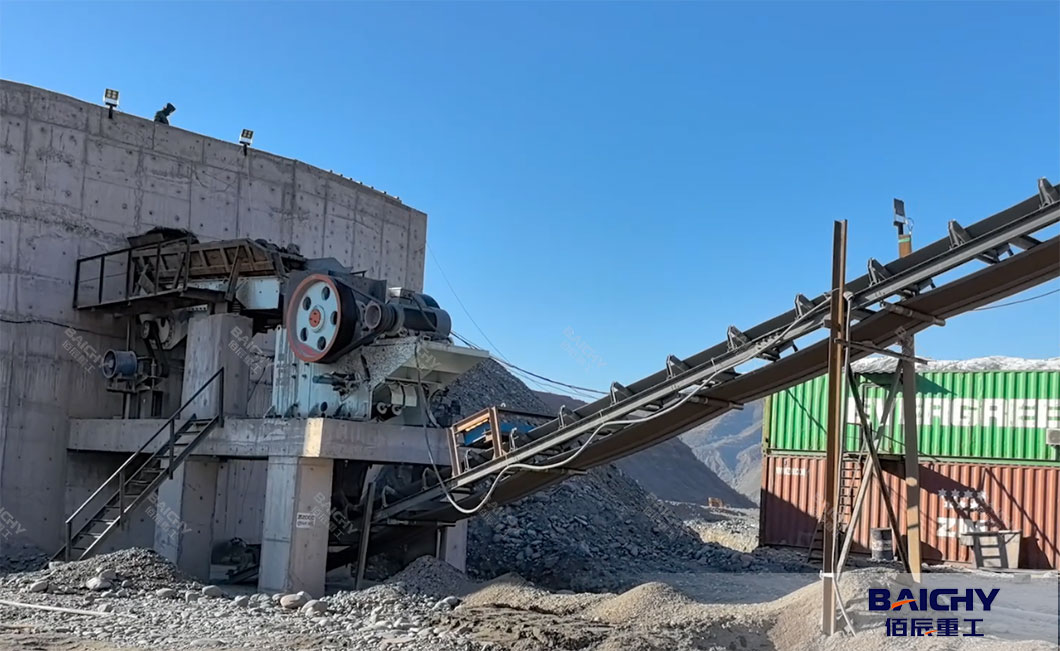
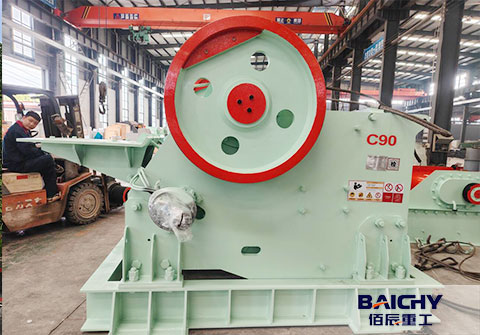
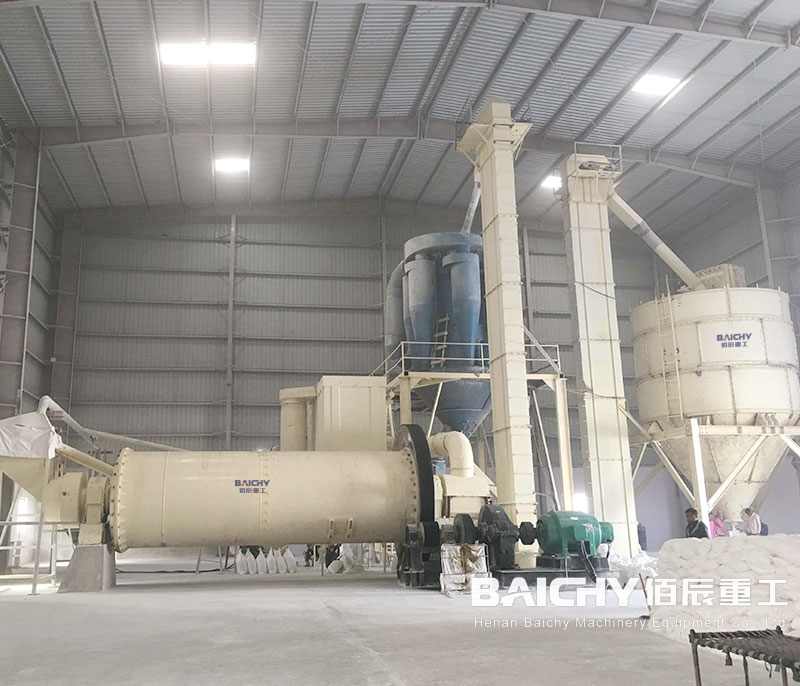
Why-is-a-Jaw-Crusher-Essential-in-the-Mining-Industry-01.jpg


1. It Is the "First in Line" (Primary Crushing)

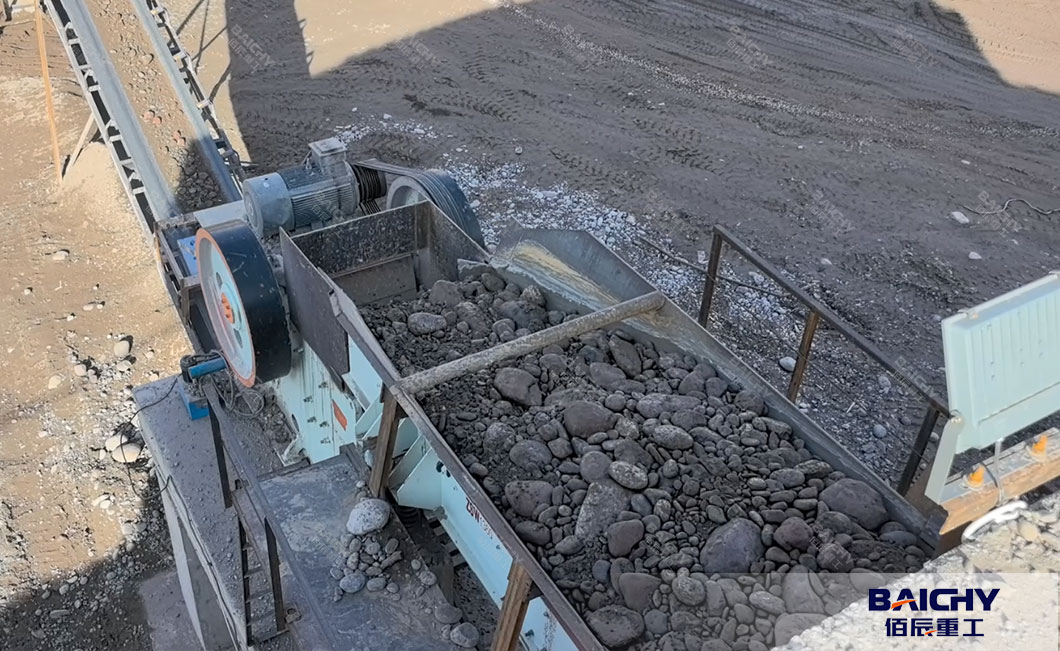
Mining extraction yields ore in irregular, often massive lumps—some exceeding 1 meter in diameter. These raw chunks are too large for secondary crushers, grinders, or sorting systems to handle. The jaw crusher’s primary mission is initial size reduction: it takes oversized ore and compresses it into 100–200mm fragments, the optimal feed size for subsequent processing stages. Jaw crushers are engineered for handling the largest, most unrefined material with consistent efficiency. For example, in iron ore mines, jaw crushers process blast-mined ore lumps (500–800mm) into manageable feed for cone crushers, ensuring the entire production line runs smoothly.


2. Durability in Harsh Conditions

Mining environments are unforgiving—abrasive ores (granite, basalt, iron ore), constant vibration, and 24/7 operation demand equipment built to withstand punishment. Jaw crushers thrive here thanks to three key design features:
   

   ● Rugged Durability: Constructed with heavy-duty steel frames, reinforced eccentric shafts, and wear-resistant manganese steel jaw plates, they resist deformation and abrasion even under extreme loads. A well-maintained jaw crusher frame can last 15+ years, outperforming lighter crushing equipment in harsh mining conditions.
   

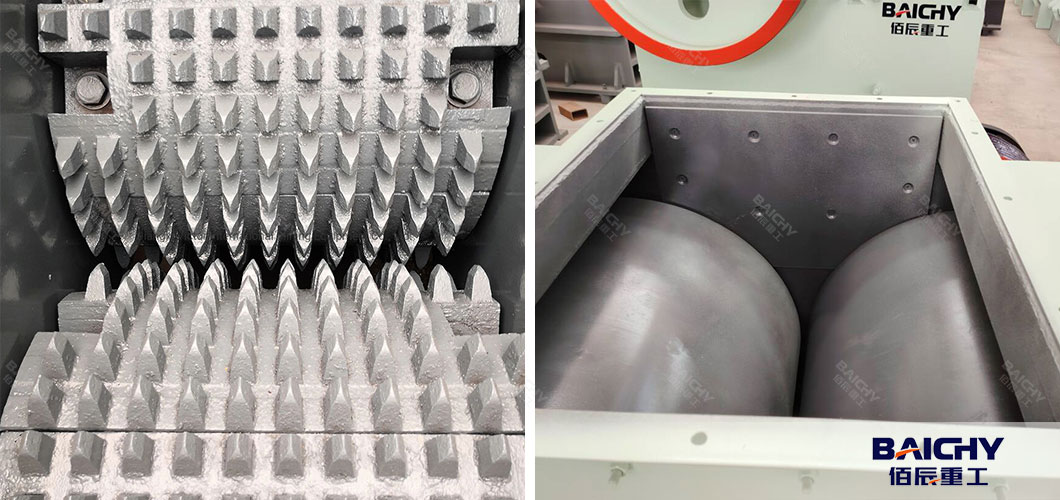
   ● Simple Compressive Force Mechanism: Unlike impact crushers that rely on high-speed collisions (prone to wear on hard materials), jaw crushers use compressive force—two jaws (one fixed, one moving) squeeze ore until it fractures. This simple, low-speed design minimizes wear and tear, reduces maintenance needs, and handles even the hardest ores (Mohs hardness 6–8) with ease.

   ● Overload Resilience: Equipped with hydraulic toggle systems or shear pins, jaw crushers automatically protect against uncrushable objects (steel debris, boulders) by retracting the moving jaw or shearing a pin—preventing costly downtime and equipment damage.


3.  Handles the Hardest Materials Efficiently

A mine’s profitability is relative to throughput and operational uptime—and jaw crushers directly drive both. Their high capacity (ranging from 50–1,000 TPH for industrial models) ensures a steady flow of ore to downstream processes, maximizing daily production volumes. Reliability is equally vital: jaw crushers have minimal moving parts, reducing the risk of breakdowns.


Additionally, modern jaw crushers integrate energy-efficient motors and adjustable discharge gaps with hydrauic device. This efficiency translates to lower operational costs and higher profit margins.


4. More Than Just Mining

Jaw crushers not only extends to quarrying and aggregate production. In quarries, they process limestone, granite, and river gravel into construction aggregates (5–40mm) for roads, bridges, and buildings. In construction waste recycling, they crush concrete and asphalt debris into reusable materials, supporting sustainable building practices. This versatility means jaw crushers are not just for mining but also in construction and materials industries, demonstrating their enduring value across sectors.


The jaw crusher’s status as a mining essential stems from its ability to deliver what the industry demands most: reliable, efficient, and durable primary size reduction. It turns unmanageable ore lumps into processable material, withstands the harshest conditions, drives operational efficiency, and adapts to diverse industrial needs. 


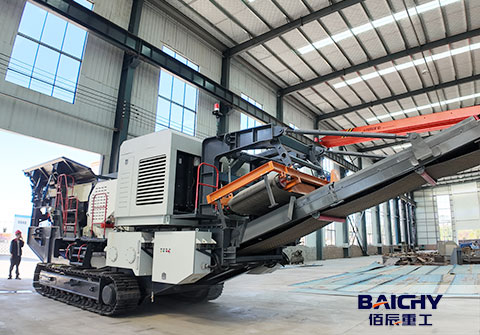
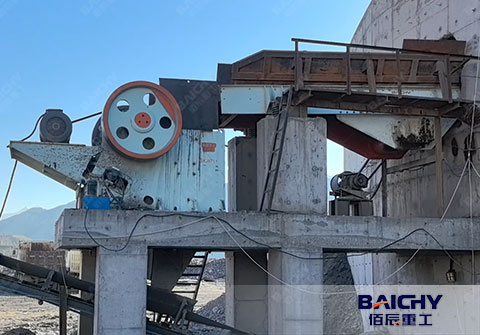
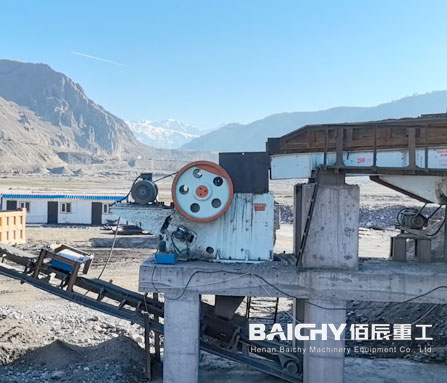
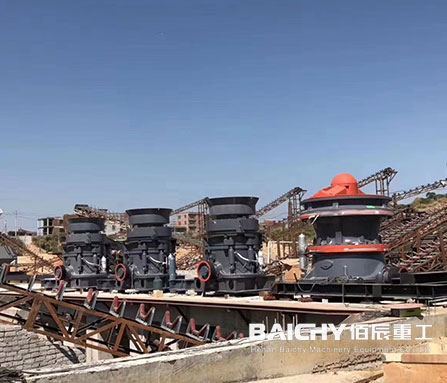
Why-is-a-Jaw-Crusher-Essential-in-the-Mining-Industry-02.jpg


Relative Jaw Crusher Topics Maybe You Are Interested In

1. How do we analyze a jaw crusher machine?

2. How to Measure the Jaw Crusher Gap (CSS)?

3. How to operate a jaw crusher?

4. How to adjust jaw crusher gap?

5. Stone Jaw Crusher Machine: 6 Problems You Could Face

6. What Are The Parts Of Jaw Crushers?

7. What Are The Different Models And Specifications Of The Jaw Crusher

8. What are skills to buy jaw crusher

9. 3 Jaw Crusher Machine Alternatives


Maybe you are interested in