Home About us
Products
News
Solution
Video Service Contact us
Home  /  News

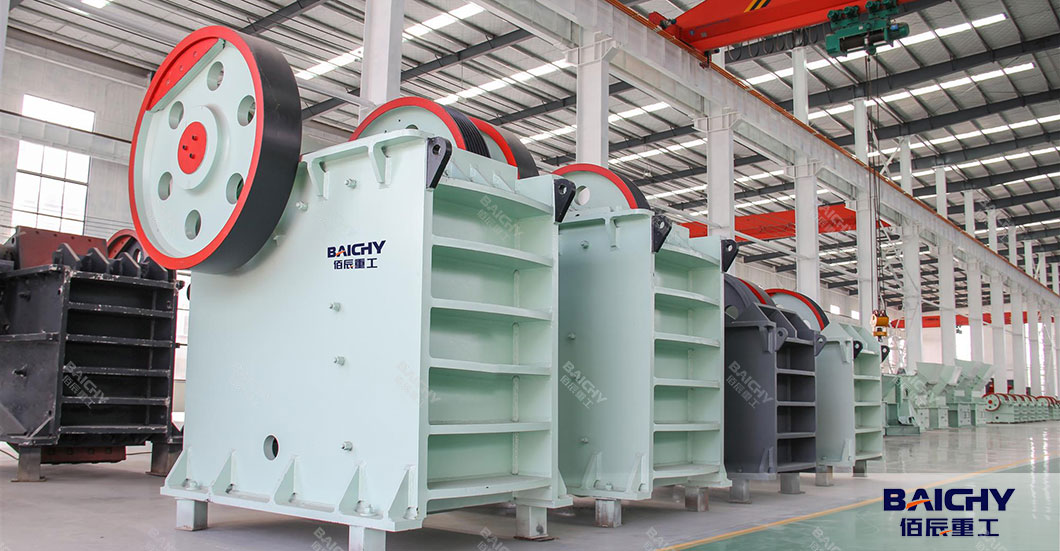
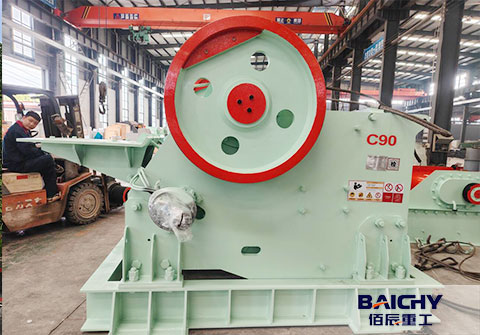
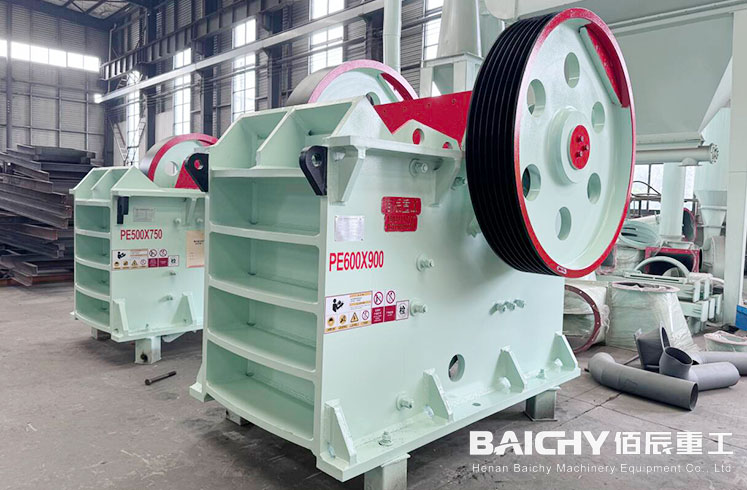
Jaw crushers are essential for primary crushing in mining, quarrying, and construction. To ensure that the machine you choose remains efficient and profitable in 2026, please select a model that can enhance efficiency, durability and cost-effectiveness, and prioritize the following 5 key features:


5-Key-Features-to-Consider-When-Selecting-a-Jaw-Crusher-01.j


1. Hydraulic CSS Adjustment (vs. Shims)

This is the single biggest "usability" feature to check.
● The Old Way (Shims): To change the output size (Closed Side Setting - CSS), you manually insert metal plates behind the toggle block. This is dangerous, slow, and requires stopping the machine for hours.

● The Feature to Look For: Hydraulic Wedge Adjustment.
   ○ Why: It allows you to change the setting via a control panel or remote button in seconds, even while the machine is running (in some models).
   ○Benefit: You can open the jaw dynamically to clear a blockage and reset it immediately without sending a person inside the machine.


2. Active "Tramp Iron" Release System

"Tramp iron" refers to uncrushable material (like a loader tooth or steel bar) entering the chamber.
● The Standard Feature: A "Toggle Plate" acts as a mechanical fuse—it snaps in half to save the crusher. This is effective but requires you to buy a new plate and spend hours replacing it.
● The Premium Feature: Hydraulic Overload Relief.
   ○Why: When the hydraulic cylinders detect uncrushable pressure, they automatically retract (open) the jaw to let the metal pass through, then automatically return to the original setting.
   ○Benefit: Zero damage and zero downtime.


3. Chamber Geometry & Nip Angle

Not all jaw openings are created equal. You need to look at the Nip Angle—the "V" angle between the fixed and moving jaw.
● The Spec: Look for a nip angle between 18° and 24°.
● Why:
   ○If the angle is too wide (>25°), round or slippery rocks will pop out of the top ("popcorning") instead of being crushed.
   ○If the angle is too narrow, you lose crushing volume capacity.
● Pro Tip: Look for a "Deep Chamber" design. A longer crushing face increases the leverage and capacity compared to a shallow, older-style chamber.


4. Energy Efficiency & Motor Performance

Energy consumption accounts for a significant portion of a jaw crusher’s operating costs, especially for large-scale, continuous-run projects.
● High-Efficiency Motor: Look for crushers equipped with IE3 or IE4 energy-efficient motors. These motors reduce power consumption by 15–25% compared to standard IE2 motors, translating to substantial long-term cost savings for projects running 24/7.
● Variable Frequency Drive (VFD) Compatibility: Some advanced jaw crushers support VFDs, which allow operators to adjust motor speed based on feed volume and material hardness.
● Optimized Toggle Speed: Crushers with a balanced toggle speed (typically 200–300 rpm) strike a sweet spot between crushing efficiency and energy use. Too high a speed causes excessive wear and power drain; too low reduces capacity. Match the toggle speed to your material’s hardness—faster speeds for soft rocks (e.g., limestone), slower speeds for hard rocks (e.g., basalt).


5. Maintenance Access & Liner Profile

Since wear parts (liners) must be changed regularly, the physical design of the mounting system matters.
● Bolted vs. Wedged Liners: Look for Wedge-lock systems rather than bolted liners. Bolts often shear or get hammered flat, making them impossible to remove without a torch. Wedges are easier to knock out.
● Jaw Plate Profile: Ensure the manufacturer offers different teeth profiles.
● Corrugated/Sharp: Best for slippery rock.
● Heavy Duty/Flat: Best for very abrasive rock (lasts longer but crushes less aggressively).

Focus on these features—chamber design, wear resistance, overload protection, energy efficiency, and serviceability—to select a jaw crusher that aligns with your material, capacity, and budget needs.


Maybe you are interested in