Running a profitable gravel and aggregate operation comes down to cost per ton (CPT) and product specification compliance. When a rock crushing circuit is poorly matched to rock geology—such as high Bond Work Index (BWi) granite or abrasive river gravel—inefficiencies compound rapidly across every stage of comminution. Below is a technical breakdown of the 5 most expensive operational pain points in gravel production, paired with actionable engineering solutions and industry performance metrics.
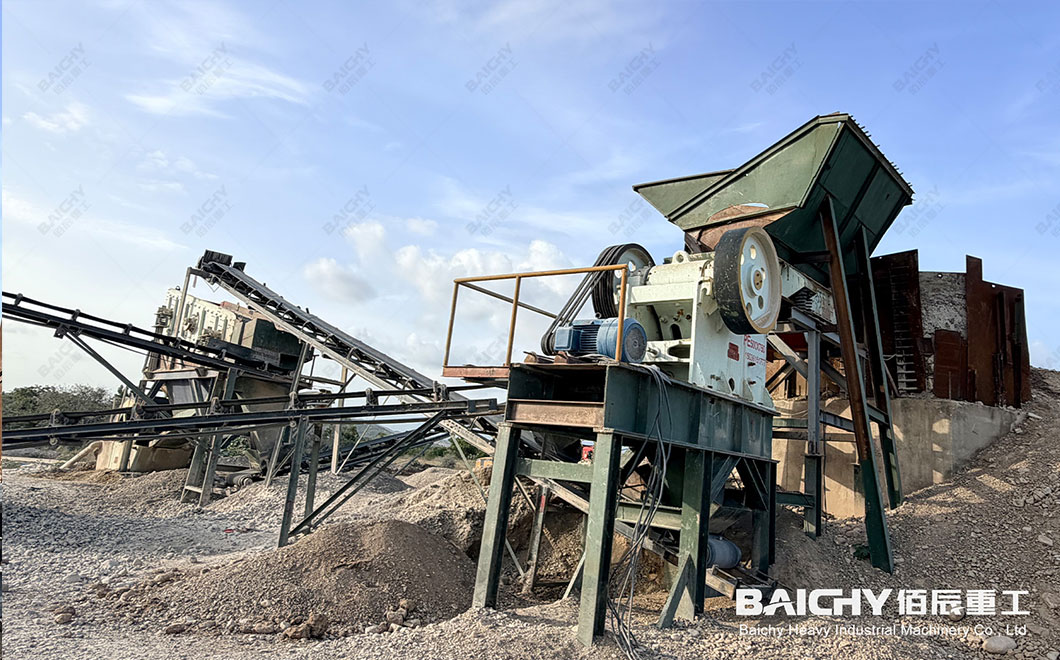
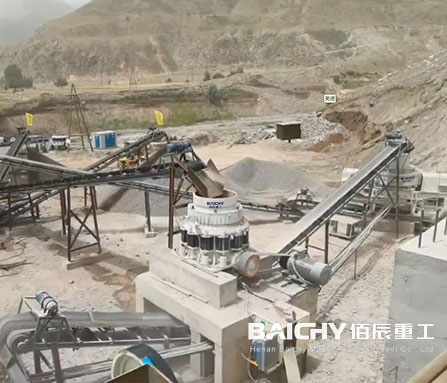
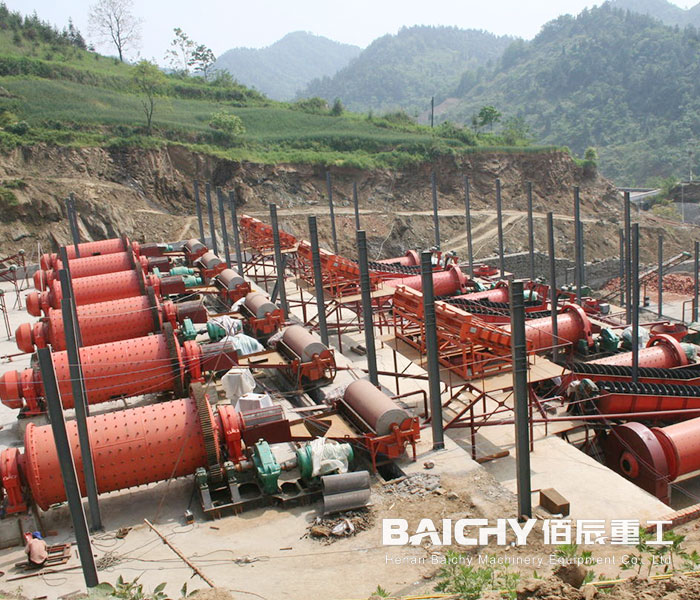
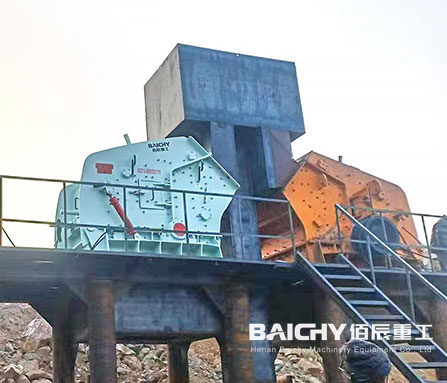
Rock crushing machine for making gravel
1. Premature Wear Part Failure on High-Silica Rock
The Engineering Pain Point
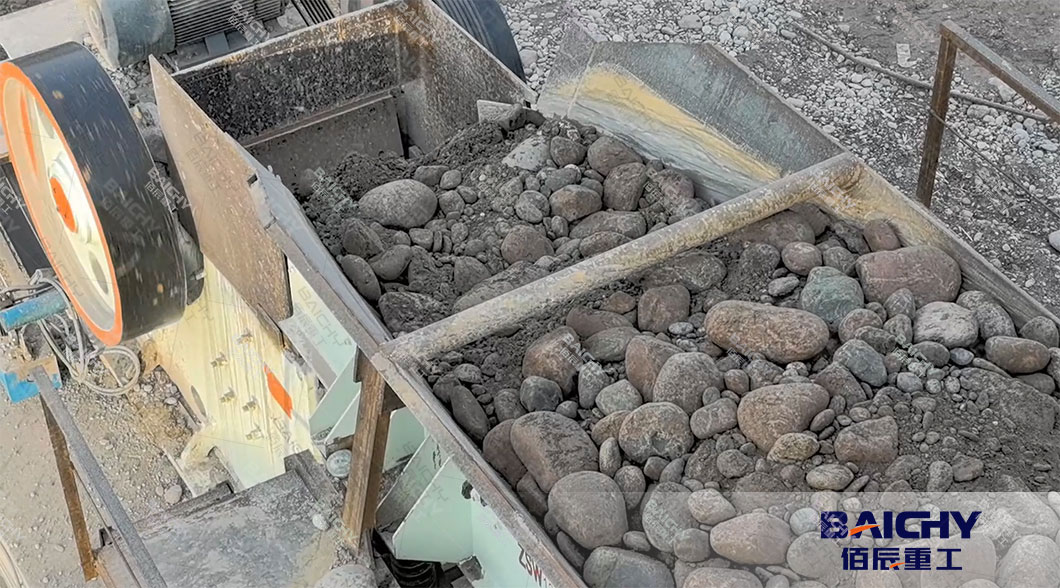
Processing abrasive materials with high free-silica (SiO₂) content—such as river pebbles (SiO₂ > 75%), granite, or quartzite—causes extreme gouging and sliding abrasion. When operators mistakenly use impact crushers (HSI) for hard rock, blow bar lifespan can drop to 40–80 operating hours, driving wear costs above $1.50–$2.50 per ton and causing 10–15% unscheduled downtime.
Actionable Solutions
- Switch to Interparticle Comminution (Lamination Crushing): For rock with compressive strength > 150 MPa or BWi > 14 kWh/t, replace secondary impactors with a Multi-Cylinder Hydraulic Cone Crusher. Compression crushing rock-on-rock reduces metal-to-stone sliding, extending mantle and concave life to 800–1,500+ hours and lowering wear costs to $0.25–$0.50 per ton.
- Specify Alloy Metallurgy by Zone: Upgrade standard Hadfield manganese steel (Mn13Cr2) to Titanium Carbide (TIC) composite inserts or Martensitic steel with ceramic inserts in high-wear zones. Field data shows TIC-embedded blow bars and jaw plates last 2.5x to 4x longer than standard Mn18Cr2 alloys.
- Install Dual-Stage Tramp Iron Protection: Combine a self-cleaning overband magnetic separator (suspended 250–350 mm above the primary conveyor) with an upstream metal detector interlocked to stop the belt before non-crushable manganese steel (e.g., excavator teeth) enters the cone crusher cavity.
2. High Flakiness Index & Rejected Concrete/Asphalt Batches
The Engineering Pain Point
Primary jaw crushers and standard coarse-cavity cone crushers fracture rock along natural cleavage planes, often producing a Flakiness Index (FI) of 18%–28%. Most state DOTs, highway projects, and commercial ready-mix concrete plants mandate a Flakiness Index below 10%–15% (EN 933-3 / ASTM D4791). Poor particle shape increases cement paste demand by 5%–10% and reduces concrete compressive strength, resulting in rejected loads or discounted pricing.
Actionable Solutions
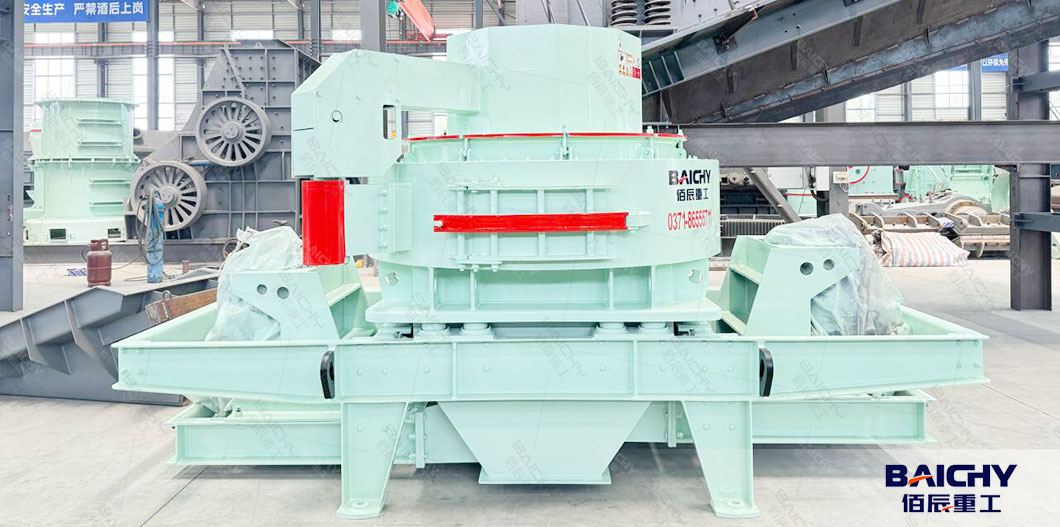
- Integrate a Tertiary VSI Crusher ("Rock-on-Rock" Autogenous Mode): Position a Vertical Shaft Impact (VSI) crusher after the secondary cone crusher. Operating at rotor tip speeds of 55–70 m/s, the VSI utilizes high-velocity stone-on-stone attrition to shear sharp edges, consistently dropping the Flakiness Index to < 5% while boosting cubical bulk density by 4%–8%.
- Enforce Choke-Fed Closed-Circuit Screening: Run the secondary/tertiary cone crusher in a closed circuit with a multi-deck inclined vibrating screen. Maintaining a 100% full crushing chamber (choke feeding) forces stones to crush against each other rather than the liners, improving cubicity and increasing the yield of target 5–20 mm gravel fractions by 15%–20%.
3. Screen Blinding & Chamber Choking with Wet/Clayey Feed
The Engineering Pain Point
Raw quarry rock or river gravel containing > 3%–5% plastic clay and > 6% surface moisture rapidly coats crusher liners and blinds standard woven-wire screen meshes. Screen blinding reduces effective screening area by up to 50%, causing massive recirculating loads (often exceeding 150% of fresh feed) and triggering motor overload trips.
Actionable Solutions
- Install a Double-Deck Vibrating Grizzly Feeder (VGF) with Scalping Bypass: Set grizzly bar spacing at 35–50 mm ahead of the primary jaw crusher. Route the bottom deck through a dedicated bypass conveyor to strip out overburden clay and dirt before primary crushing, immediately recovering 10%–18% of plant throughput.
- Upgrade to Flip-Flow or Polyurethane Tensioned Screens: For damp fine screening (under 10 mm), replace rigid wire mesh with flip-flow screens (which generate 30G–50G acceleration forces on flexible polyurethane mats to prevent sticky fines from adhering) or anti-blinding piano-wire screens, increasing open screening efficiency from 60% to > 92%.
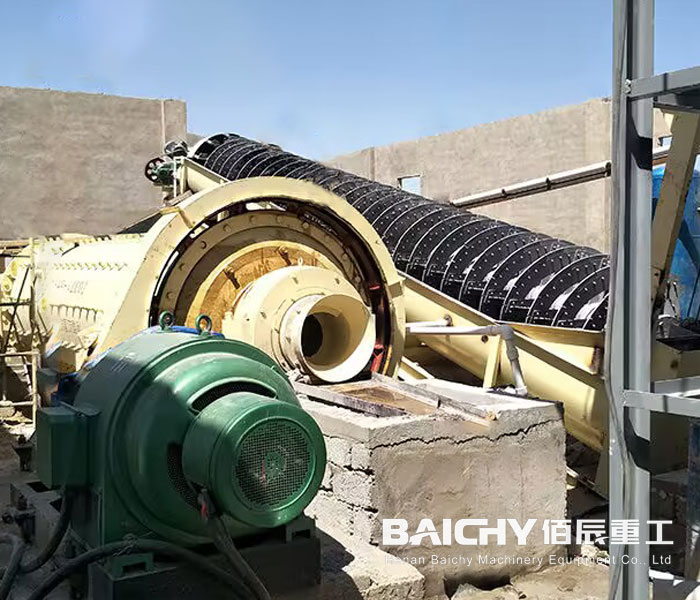
- Deploy Attrition Scrubbers & Fines Recovery: When producing washed concrete gravel, pair a log washer (for heavy clay agglomerates) with a spiral/wheel sand washer + hydrocyclone to keep silt/clay content under 1.5% while recovering up to 95% of fine sand above 75 microns.
4. Dust Emissions (> 10 mg/m³) & Noise Compliance Violations
The Engineering Pain Point
Uncontrolled transfer points, dry cone crushing, and screening routinely generate respirable crystalline silica (RCS) dust concentrations exceeding OSHA/EPA limits (50 μg/m³ 8-hour TWA) and ambient noise levels of 90–105 dBA at 1 meter. Non-compliance leads to immediate regulatory shutdowns and accelerated bearing/hydraulic seal failure from abrasive dust ingress.
Actionable Solutions
- Balanced Negative-Pressure Pulse-Jet Baghouses: Enclose all crusher discharge hoods and conveyor transfer chutes with double-skirting rubber seals. Size pulse-jet baghouse collectors at an air-to-cloth ratio of 1.0–1.2 m/min with PTFE-coated filter bags to capture 99.9% of PM2.5/PM10 particles (reducing stack emissions to < 10 mg/m³).
- Dry-Fog Ultrasonic Atomization at Feed Points: Where baghouses are impractical (e.g., primary dump hoppers), install dry-fog nozzles producing 1–10 micron water droplets. Unlike standard water sprays that cause screen blinding, dry fog agglomerates airborne dust particles without adding more than 0.1%–0.3% moisture to the aggregate.
- Polyurethane Modular Screen Media & Acoustic Isolation: Switching from steel wire mesh to modular polyurethane screen panels reduces screening noise by 8–12 dBA while lasting 3x–5x longer. Mount crushers on heavy-duty elastomer isolation pads inside acoustic-lined steel enclosures to bring boundary noise below 65–70 dBA.
5. High Specific Energy Consumption (kWh/Ton) & Manual Drift
The Engineering Pain Point
Crushing accounts for 35%–50% of a quarry's total electrical bill. As liners wear down, the Closed Side Setting (CSS) drifts open by 1–3 mm per day. Without real-time compensation, product gradation coarsens, recirculating load spikes, and specific energy consumption jumps from an optimal 1.2–1.8 kWh/ton to over 2.8 kWh/ton.
Actionable Solutions
- PLC Automation with Automated CSS Calibration & Choke Control: Implement ultrasonic level sensors above the cone crusher feed hopper linked via PLC to a Variable Frequency Drive (VFD) belt feeder. The system holds cavity fill level at 95%–100% and automatically calibrates CSS hydraulic cylinder positions daily to compensate for liner wear, cutting specific energy use by 12%–18%.
- Hydraulic Tramp Release & Cavity Clearing: Specify multi-cylinder hydraulic cone crushers equipped with nitrogen accumulators. When tramp iron passes, hydraulic cylinders instantaneously lift the upper frame and reset to the exact previous CSS without operator intervention. In the event of a power outage under full load, hydraulic clearing strokes purge the chamber in < 10 minutes, eliminating 4–6 hours of hazardous manual jackhammering.
Summary: Troubleshooting Matrix for Gravel Plant Operators
| Operational Bottleneck |
Root Cause |
Recommended Engineering Fix |
Expected Performance Gain |
| Wear cost > $1.00/ton |
Using HSI on high-SiO₂ stone |
Switch to Cone Crusher + TIC alloys |
50%–75% lower wear cost/ton |
| Flakiness Index > 15% |
Single-stage or open-circuit crushing |
Add VSI shaper + choke-fed closed circuit |
Flakiness reduced to < 5% |
| Screen blinding / low TPH |
> 5% clay & > 6% feed moisture |
VGF scalping bypass + flip-flow screens |
+15%–25% net plant throughput |
| High kWh/ton energy bill |
CSS drift & trickle-feeding |
PLC automated CSS + VFD choke feeding |
12%–18% reduction in kWh/ton |
| Dust/Noise citations |
Unsealed chutes & wire screens |
Pulse-jet baghouse + PU screen media |
< 10 mg/m³ dust; -10 dBA noise |
Optimize Your Gravel Crushing Plant with Baichy Machinery
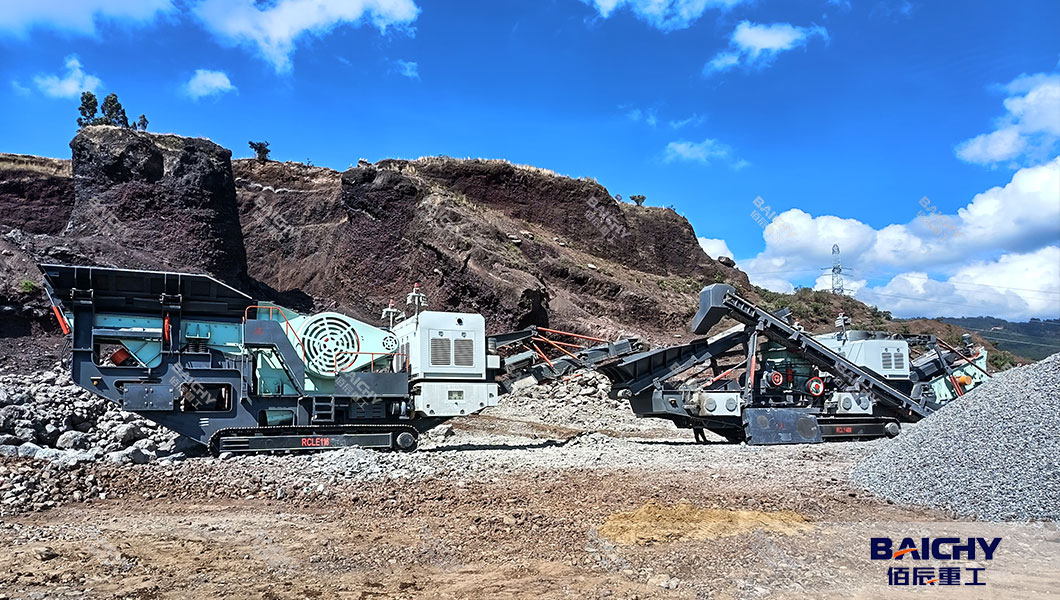
Struggling with high wear costs, flaky aggregates, or frequent bottlenecks in your quarry? Baichy Machinery is a leading manufacturer of heavy-duty rock crushing and screening equipment, delivering turnkey stationary and mobile gravel production plants tailored to your exact rock hardness and capacity targets. From primary C-series jaw crushers and multi-cylinder hydraulic cone crushers to precision VSI sand makers and anti-blinding vibrating screens, Baichy engineers complete crushing circuits built to lower your cost per ton and meet strict DOT/ASTM aggregate standards.
Ready to upgrade your crushing line or start a new gravel project?
• Get a Custom Plant Layout & Quote: Send our engineering team your raw rock type, feed size, and target hourly tonnage (TPH) for a free flowsheet design and factory-direct pricing.
• Explore Equipment Specs: Visit Baichy Machinery Official Website to view full technical parameters for our jaw, cone, impact, and mobile crushing solutions.
• Direct Engineering Consultation: Email us at vip@baichy.com or connect via WhatsApp at +86 150 9311 3821 for fast technical support.




 2026-11-26






 86-15093113821
 86-15093113821