Home About us
Products
News
Solution
Video Service Contact us
Home  /  News

From soft limestone to hard granite, the jaw crusher is an all-rounder in crushing various materials. With its reliability and wide adaptability to materials, it plays a core role in numerous settings such as mines, quarries, and recycling stations.


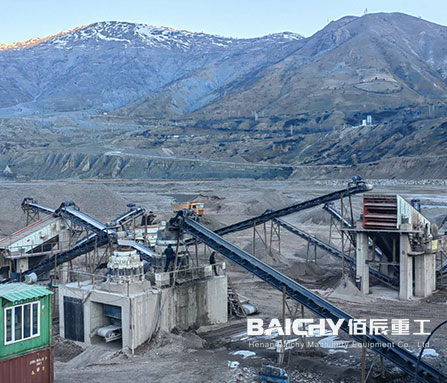
What-Materials-Can-Jaw-Crushers-Process-00.jpg


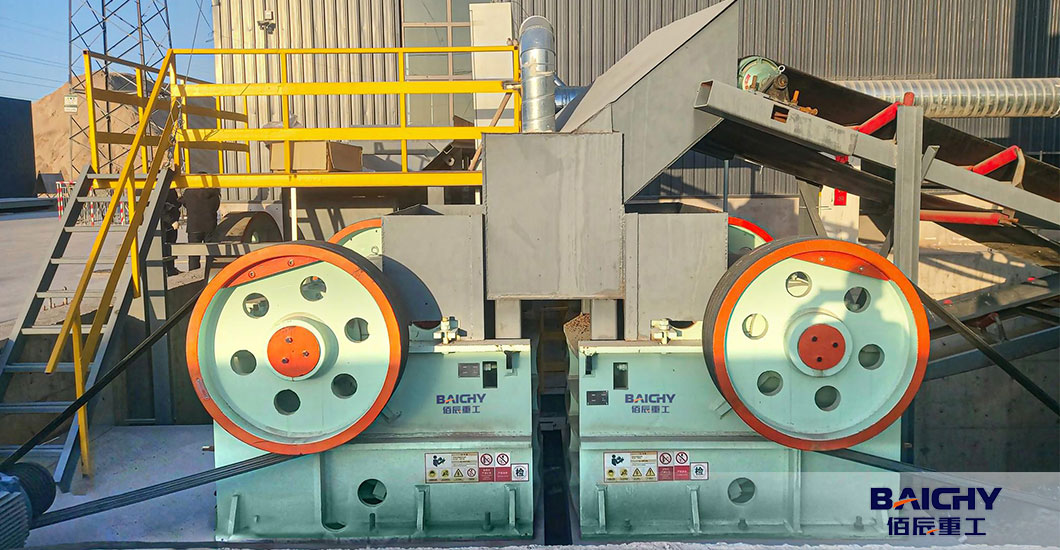
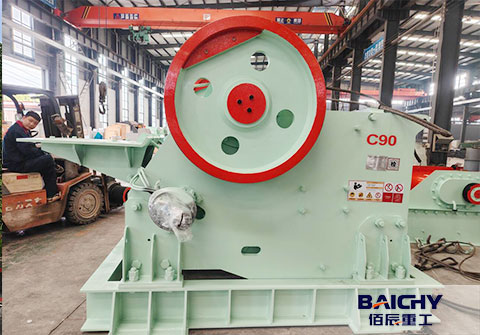
The working principle of the jaw crusher is much like how animals chew food. It has two solid jaw plates, one fixed and the other moving back and forth. When materials enter between them, they are crushed under the powerful mechanical squeezing force. This straightforward and effective principle enables it to handle most solid materials that can be crushed.


In the processing of natural rocks, the jaw crusher performs exceptionally well. For soft to medium-hard rocks like limestone, it can break them efficiently with minimal wear on the equipment. Even for hard rocks such as granite and basalt, it can handle them, though when dealing with these high-hardness and highly abrasive materials, the wear on the jaw plates will accelerate. Therefore, it is usually recommended to use more wear-resistant jaw plates and control the processing volume appropriately. Additionally, it can also be used to crush minerals like iron ore and is a common primary crushing equipment in mining crushing production lines.


In addition to natural materials, jaw crushers are also widely used in the processing of artificial and recycled materials. They are often employed to handle reinforced concrete blocks and old asphalt materials generated from building demolition, which is crucial for the resource utilization of construction waste. Modern equipment is usually equipped with overload protection devices to effectively prevent damage caused by metals such as steel bars. Some industrial by-products, such as blast furnace slag, can also be initially crushed by it. However, when processing materials like bricks and ceramics, a considerable amount of dust is produced, which requires the use of an effective dust removal system.


Of course, not all materials are suitable for processing with a jaw crusher. Some highly resilient or sticky materials, such as wet clay and certain rubber and plastics, can easily cause blockages in the crushing chamber, affecting efficiency. Large pieces of metal or other non-crushable foreign objects mixed in can cause serious damage to the equipment, so sorting and cleaning before feeding are very important. For materials with extremely high silica content and strong abrasiveness, using a jaw crusher may not be economical due to rapid wear of components.


To better adapt the equipment to different materials, some optimization configurations can be made. For instance, for hard materials, jaw plates with flatter teeth can be selected to reduce point wear, while for soft materials, jaw plates with deeper teeth can be used to enhance the efficiency of grasping and crushing. Adjusting the size of the discharge opening can also balance output, product particle size and equipment wear. In actual operation, maintaining uniform and continuous feeding and avoiding large pieces of material exceeding the specified size from directly impacting the equipment are key to ensuring stable operation.


In conclusion, the jaw crusher is a robust and versatile piece of equipment. It can be found in a wide range of settings, from quarries producing construction aggregates to mines processing raw ores and recycling plants aiming to achieve resource recycling. Understanding its principles, capacity limits and using it correctly will make it the most reliable assistant on the production line. 


Relative Jaw Crusher Topics Maybe You Are Interested In

1. How do we analyze a jaw crusher machine?

2. How to Measure the Jaw Crusher Gap (CSS)?

3. How to operate a jaw crusher?

4. How to adjust jaw crusher gap?

5. Stone Jaw Crusher Machine: 6 Problems You Could Face

6. What Are The Parts Of Jaw Crushers?

7. What Are The Different Models And Specifications Of The Jaw Crusher

8. What are skills to buy jaw crusher

9. 3 Jaw Crusher Machine Alternatives

10.5 Tips to Maximize Jaw Crusher Efficiency and Productivity


Maybe you are interested in