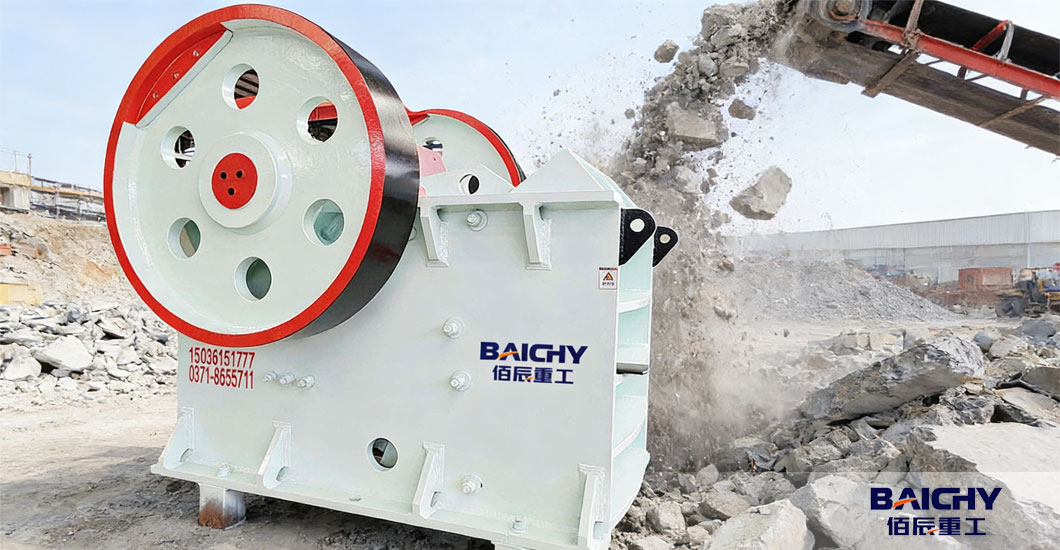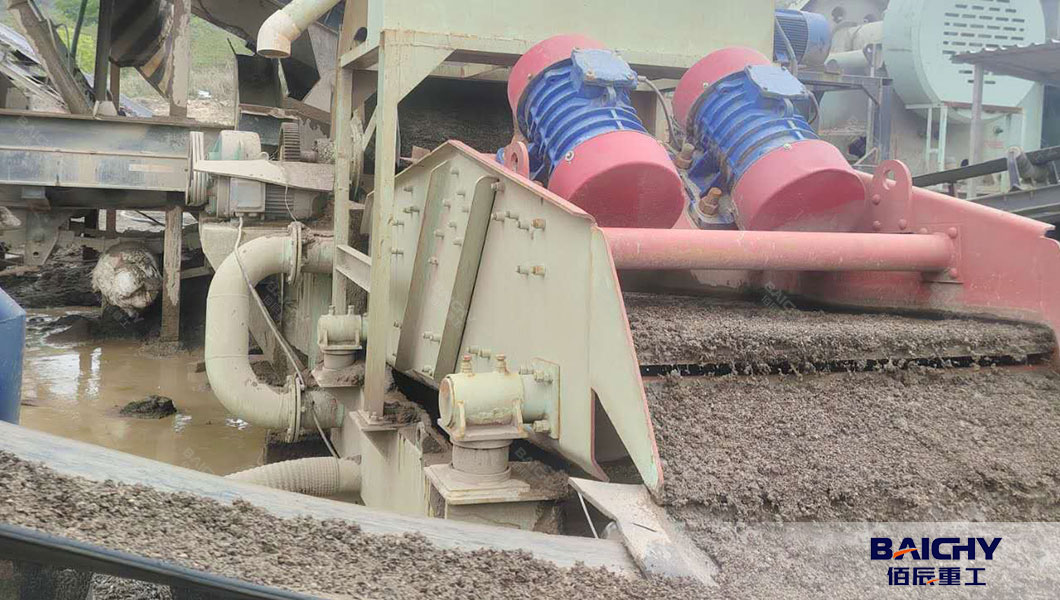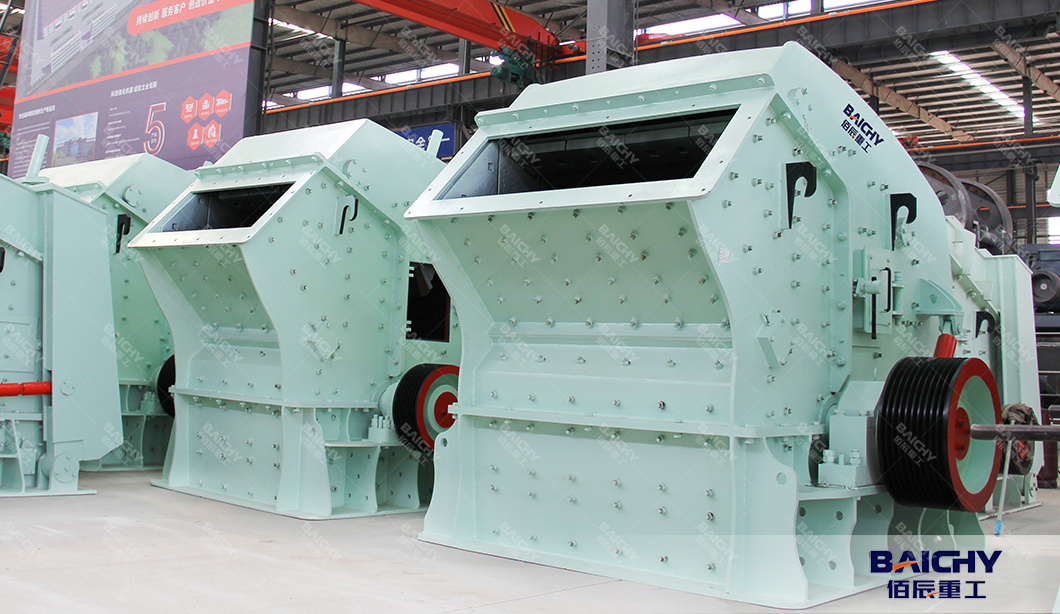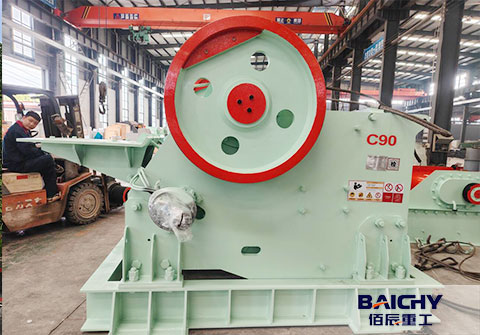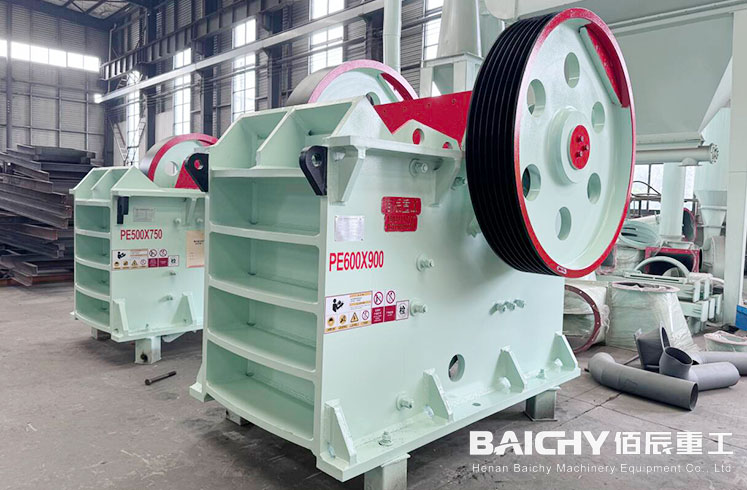
The construction and demolition (C&D) industry generates billions of tons of waste every year. Now, construction debris, concrete waste, and construction leftovers are no longer sent to landfills but are instead processed into high-value resources. The core technology behind this is: jaw crushers. These sturdy and durable machines, which were originally limited to the mining and quarrying sectors, have now solved the biggest pain points of this industry and have become one of the important processing equipment.

The key way in which jaw crushers have transformed the recycling industry
The modern jaw crushers are specifically designed for handling the most demanding recycling applications. They are equipped with durable jaw plates and a robust pressure crushing mechanism, capable of efficiently processing:
● Reinforced concrete (with integrated magnetic separator, which can automatically remove reinforcing bars)
●Asphalt, bricks, and masonry debris
●Construction waste generated from the demolition of skyscrapers, bridges, and tunnels
●Mine tailings and industrial by-products
Unlike cone crushers or impact crushers, jaw crushers excel at primary crushing - reducing the size of the material by 3-5 times in one step, while being able to withstand contamination and wear. This versatility makes them an ideal choice for small urban projects (<200 tons/day) and large recycling facilities (>1,000 tons/day).
One of the main factors driving this revolution is mobility. In the past, waste had to be transported by trucks to fixed factories - a costly and carbon-intensive process. The advent of crawler-mounted mobile jaw crushers has completely transformed this model.
Mobile jaw crushers enable contractors to:
●On-site crushing: Directly handle and dismantle waste at the site of production.
●Elimination of transportation costs: No need to transport the debris away or bring in new aggregates.
●Flexible deployment: Can be easily moved from narrow urban demolition sites to highway construction projects. For many businesses, the ability to convert a pile of waste into a saleable product within just a few hours represents a significant operational advantage.
Looking ahead to the next decade, jaw crushers will become more intelligent and environmentally friendly.
●Hybrid and electric models: To reduce carbon footprint and operate in low-emission urban areas, manufacturers are introducing electric hybrid jaw crushers. These jaw crusher machines offer the same crushing capacity, but significantly lower noise and diesel consumption.
●Internet of Things and Automation: The latest jaw crusher crushers are equipped with remote information processing systems, which can monitor wear conditions, track productivity in real time, and even automatically detect non-crushable materials to prevent blockages.
The jaw crusher has expanded beyond the quarry industry and is now being applied in a wider range of fields. As technology moves towards electric and automated solutions, the role of the jaw crusher in the construction industry will become even more significant in the future. If you want to learn more about jaw crushers and get project plans and prices online, please click here to contact us.
1. How do we analyze a jaw crusher machine?
2. How to Measure the Jaw Crusher Gap (CSS)?
3. How to operate a jaw crusher?
4. How to adjust jaw crusher gap?
5. Stone Jaw Crusher Machine: 6 Problems You Could Face
6. What Are The Parts Of Jaw Crushers?
7. What Are The Different Models And Specifications Of The Jaw Crusher
8. What are skills to buy jaw crusher
9. 3 Jaw Crusher Machine Alternatives
Save Time! Get A Detailed Quotation Quickly.