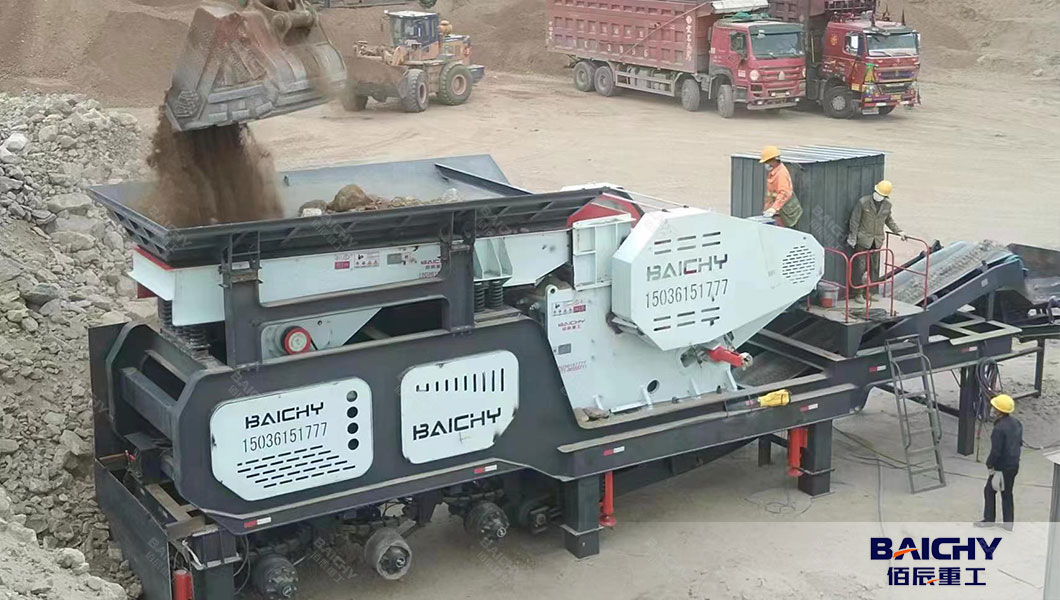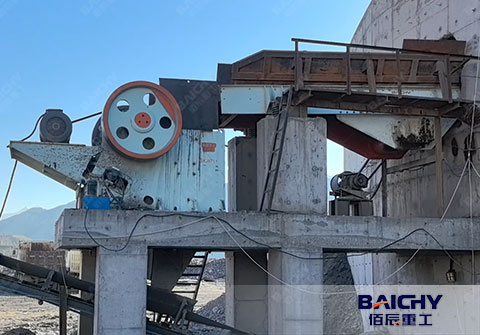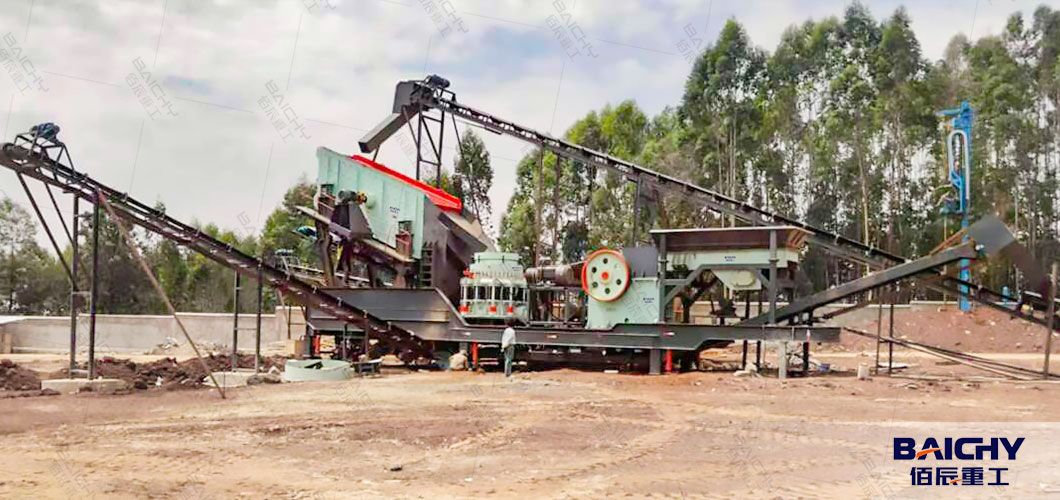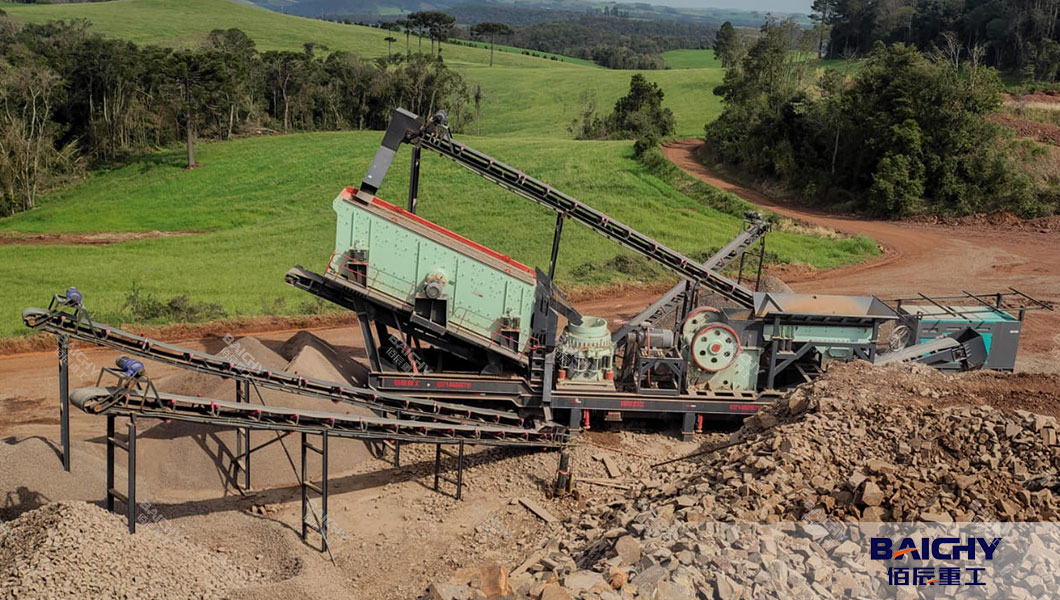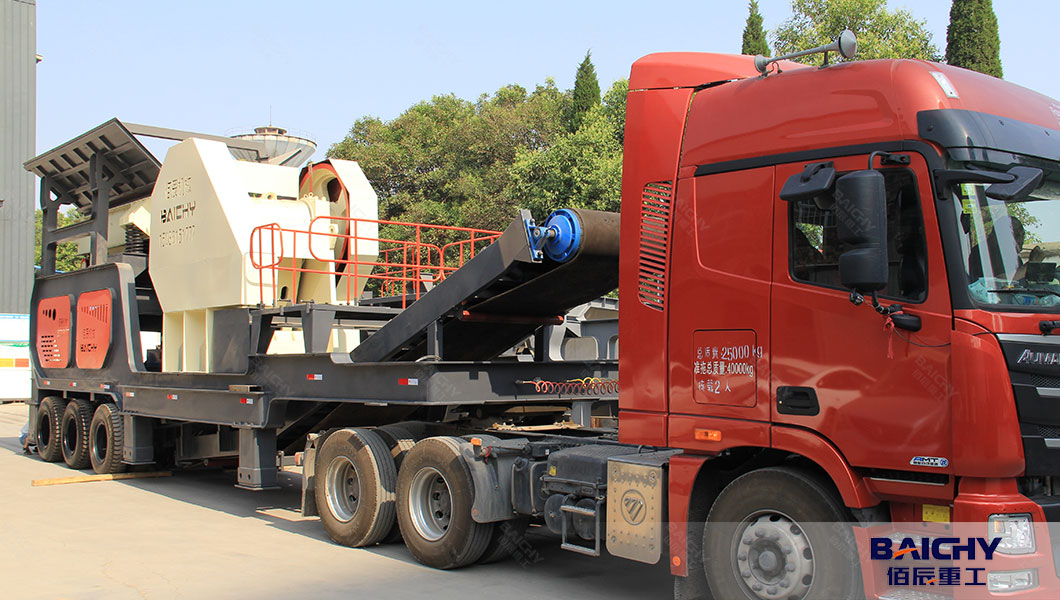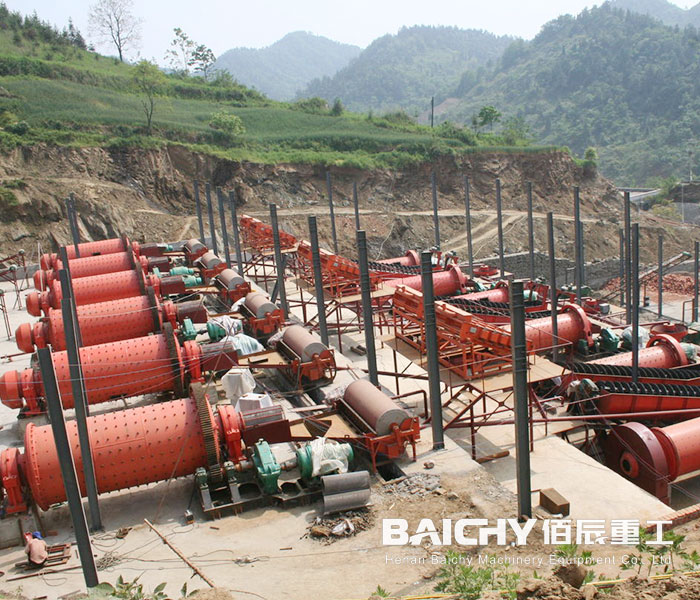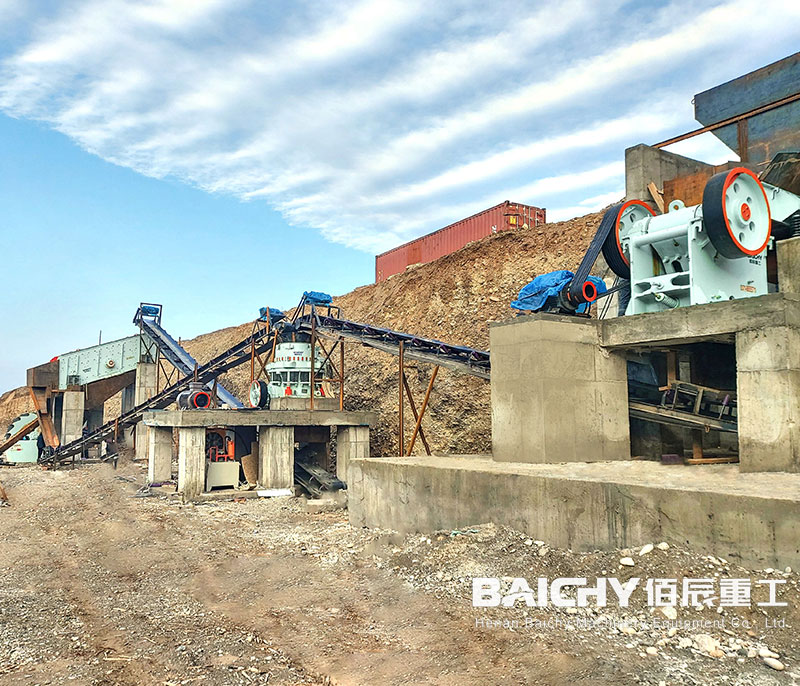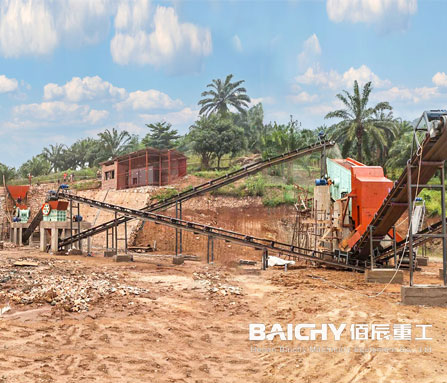
Mobile jaw crusher operation refers to the complete workflow of starting, feeding, monitoring, adjusting, and shutting down a mobile crushing unit safely and efficiently. It is widely used in mining, quarrying, and construction waste recycling to crush hard materials such as granite, basalt, limestone, and concrete.

Before starting the machine, operators must perform a full safety check.
Key inspection points:
● Hydraulic system (no leakage or pressure loss)
● Jaw plates (wear condition and tightness)
● Conveyor belts (alignment and tension)
● Electrical cabinet (fault alarms, wiring condition)
● Lubrication system (oil level and pressure)
● Emergency stop system (must function correctly)
👉 A Most crusher failures are caused by skipping pre-start inspection, especially lubrication and belt issues.
Correct positioning ensures stable and safe operation.
Required conditions:
● Place machine on firm and level ground
● Keep safe distance from excavation or blasting zones
● Ensure clear loading and unloading routes
● Lock crawler or wheel system before operation
● Avoid soft soil or unstable slopes
👉 Stable positioning reduces vibration and improves crushing efficiency.
Mobile jaw crushers must always follow a strict startup sequence.
Correct startup order:
● Turn on main power supply
● Activate control system
● Start lubrication system
● Start discharge conveyor
● Start jaw crusher (no load)
● Run idle for 3–5 minutes
👉 Only start feeding when the machine runs smoothly without abnormal noise or vibration.
Feeding is one of the most important operational steps.
Best practices:
● Use excavator or loader for even feeding
● Avoid oversized rocks beyond crusher capacity
● Do not overload hopper
● Maintain continuous and stable material flow
● Remove metal or uncrushable objects before feeding
👉 Uneven feeding is a major cause of jaw plate damage and blockage.
During crushing, operators must continuously monitor system status.
Watch for:
● Abnormal vibration or impact sound
● Motor overload or alarm signals
● Irregular discharge size
● Belt slippage or deviation
● Hydraulic system overheating
If any abnormal condition occurs:
➡ Stop feeding immediately
➡ Let machine clear material
➡ Diagnose before restarting
The Closed Side Setting (CSS) determines final output size.
Adjustment logic:
● Smaller CSS → finer output, lower capacity
● Larger CSS → coarser output, higher capacity
⚠️ CSS adjustment must only be done when:
● Machine is fully stopped
● Power is locked out
● No material is inside crushing chamber
Daily maintenance ensures stable long-term performance.
Key tasks:
● Check jaw plate wear condition
● Lubricate bearings regularly
● Clean dust from radiator and control box
● Inspect conveyor belt tension
● Monitor hydraulic oil temperature
👉 Preventive maintenance reduces downtime by up to 30–50%.
Safe shutdown is as important as startup.
Shutdown steps:
● Stop feeding material
● Allow crusher to run empty (3–5 minutes)
● Stop jaw crusher unit
● Stop conveyors
● Turn off main power
● Lock equipment and secure site
⚠️ Never stop the machine under full load.
Common emergency situations include blockage, metal entry, or overheating.
Emergency actions:
● Press emergency stop button immediately
● Cut off power supply if needed
● Do not restart until fault is resolved
● Report to maintenance team
Mobile jaw crusher operation requires strict safety discipline.
● Wear helmet, gloves, and protective goggles
● Keep distance from hopper and moving parts
● Never open protective covers during operation
● Only trained personnel are allowed to operate
● Follow lockout/tagout procedures
Correct operation directly improves:
● Higher crushing efficiency
● Longer jaw plate life
● Lower fuel and energy consumption
● More stable output size
● Reduced downtime and maintenance cost
Modern mobile crushing systems are designed for easier and safer operation, especially in quarry and construction waste recycling projects.
Baichy Machinery provides crawler and wheel-type mobile jaw crushers designed with integrated safety systems, hydraulic control, and user-friendly operation for mining and aggregate production.
Start lubrication first, then conveyors, and finally the crusher unit before feeding material.
Overfeeding, oversized rocks, and foreign metal objects are the main causes.
No. CSS adjustment must only be done after full shutdown and lockout.
Regular inspection, controlled feeding, proper training, and strict shutdown procedures are key.
Save Time! Get A Detailed Quotation Quickly.