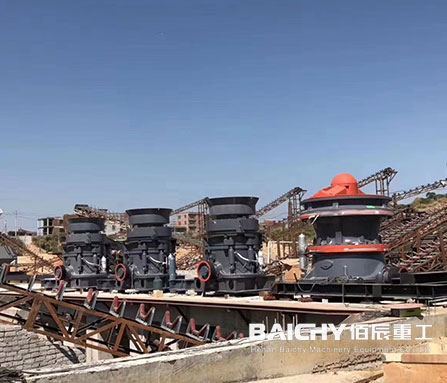
The PY Series Spring Cone Crusher is a widely used machine in industries like mining, metallurgy, and construction. It is designed to crush a range of materials such as ores, rocks, and aggregates. Over the years, the cost of the PY Series has evolved, influenced by several factors. This article will explore the key elements that impact the cost of purchasing a PY Series Spring Cone Crusher in 2026, including the upfront cost, maintenance expenses, and long-term value.
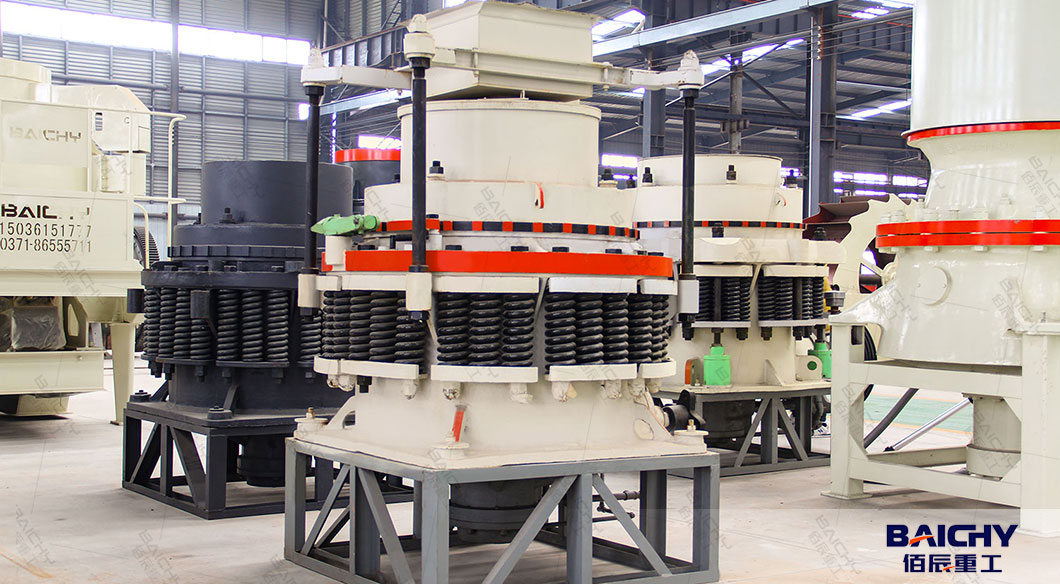
PY Series Specifications and Models
To understand the price, you first need to know the size. The PY Series comes in several standard models. The number in the name usually indicates the diameter of the crushing cone in millimeters.
Here are the common models available in 2026:
● PYB 900 (Standard): For coarse crushing.
●PYD 900 (Short Head): For fine crushing.
●PYB 1200: A popular mid-sized option.
●PYB 1750: Large scale, high output.
●PYB 2200: Industrial heavy-duty crushing.
Example: The cone crusher PYB900 model has a maximum feed size of about 115 mm. It can process between 50 to 90 tons per hour. The motor power required is 55 kw .
Upfront Cost of PY Series Spring Cone Crushers in 2026
The upfront purchase cost of a PY Series Spring Cone Crusher varies depending on factors such as the model, capacity, and the manufacturer. As of 2026, the cost of these crushers generally ranges between $15,000 and $50,000. Here’s a breakdown of the key elements that influence pricing:
Model Type: Different models in the PY series, such as the PYB (standard), PYZ (medium), and PYD (short-head), will have different price points based on their intended applications and size.
Capacity: Crushers with higher processing capacities (measured in tons per hour, or TPH) tend to be more expensive. For example, the PY900 (50-90 TPH) is typically priced in the lower to middle range, while crushers with higher capacities or additional features may cost more.
Manufacturer and Brand: Established brands may charge higher prices due to the quality of materials used and the reputation for durability and reliability. However, choosing a reputable manufacturer can reduce long-term repair costs and improve overall performance.
Example Price Ranges in 2026:
● PYB600 (Medium Capacity): Approx. $15,000 to $20,000.
● PY900 (50-90 TPH): Approx. $20,000 to $30,000.
● PYD2200 (Large Capacity): Approx. $30,000 to $50,000.
These prices represent typical market values and can fluctuate based on the supplier, location, and any customization needed.
Maintenance Costs for PY Series Spring Cone Crushers
In addition to the initial purchase cost, maintenance costs are an important consideration when investing in a PY Series Spring Cone Crusher. A well-maintained crusher can last for several years, but regular maintenance is essential to keep it running efficiently.
Key Maintenance Factors:
1. Wear Parts Replacement:
The most common maintenance expense is the replacement of wear parts, such as the mantle, bowl liner, and eccentric bushing. These parts wear out over time, especially when crushing abrasive materials. The cost for replacement parts can range from $2,000 to $10,000 per year, depending on the model and usage.
2. Lubrication and Oil Changes:
Cone crushers require lubrication to keep moving parts working smoothly. Depending on the frequency of use, oil changes and lubrication can cost around $1,000 to $3,000 per year.
3. Regular Inspections and Overhauls:
Periodic inspections are necessary to ensure the crusher operates at peak efficiency. These inspections typically cost $1,000 to $2,500 per year, depending on the complexity of the model and the service provider.
4. Labor and Service Fees:
Service fees for routine maintenance, including labor, may range from $100 to $300 per hour, depending on the location and the expertise of the technicians.
Estimated Annual Maintenance Costs:
For a typical PY Series Spring Cone Crusher in 2026, annual maintenance costs can range from $5,000 to $15,000. However, these costs can vary depending on the crusher's usage, location, and the service agreements in place.
Factors Influencing the Total Cost of Ownership (TCO)
The total cost of ownership (TCO) of a PY Series Spring Cone Crusher includes more than just the initial purchase price and maintenance expenses. Several other factors contribute to the long-term costs of operating the crusher:
1. Energy Consumption:
Spring cone crushers require energy to operate, and the power consumption can significantly impact operational costs. On average, these crushers use between 50 kW and 250 kW depending on the model and processing capacity. The cost of energy will depend on local electricity rates and the frequency of operation.
2. Spare Parts Availability:
The availability of spare parts can affect how quickly repairs are made and how much they cost. For crushers from well-known manufacturers, spare parts are usually readily available, reducing downtime. However, if you choose a less-known brand, parts may be harder to source, leading to longer downtime and increased costs.
3. Downtime and Production Delays:
Unexpected breakdowns or inefficient maintenance can result in production delays, which can negatively impact revenue generation. It's important to have a good maintenance plan to minimize downtime and keep the crusher running efficiently.
Long-Term Value of PY Series Spring Cone Crushers
Despite the initial investment and ongoing maintenance costs, PY Series Spring Cone Crushers offer excellent long-term value. Here are a few reasons why they remain a popular choice:
● Durability: PY Series crushers are known for their long lifespan and can operate for many years with proper care.
● High Efficiency: They offer high throughput and produce uniform-sized products, making them a cost-effective solution for continuous operations.
● Lower Operating Costs: With the right maintenance plan, the operating costs can be kept low, especially in terms of energy consumption and parts replacement.
Return on Investment (ROI):
For businesses focused on producing high-quality gravel and aggregate, the PY Series Spring Cone Crusher can offer an attractive ROI due to its reliability, efficiency, and the ability to reduce the need for secondary processing equipment. The ROI will depend on factors like local market demand for crushed material, operational efficiency, and effective maintenance practices.
In 2026, the PY Series Spring Cone Crusher continues to be a reliable and cost-effective solution for a variety of crushing applications. The upfront costs for a PY900 or other PY models range from $15,000 to $50,000, depending on the capacity and specifications. When considering long-term ownership, maintenance costs typically range from $5,000 to $15,000 per year, with additional expenses related to energy consumption and spare parts. However, the durable design and high efficiency of the PY Series crushers ensure they provide significant long-term value for businesses.
To ensure the best investment, it’s important to carefully evaluate factors like maintenance costs, energy efficiency, and spare parts availability when making a purchasing decision. By doing so, you can maximize the benefits of your PY Series Spring Cone Crusher and ensure reliable performance for years to come. Contact us today for more details on cone crusher models, pricing, and customized solutions to meet your business needs!




 2026-09-17





 86-15093113821
 86-15093113821