Choosing cone crusher spare parts involves balancing wear resistance (for long life) with toughness (to prevent cracking) while ensuring exact dimensional fit.

This guide details how to select the right parts based on material, rock type, and supplier quality.
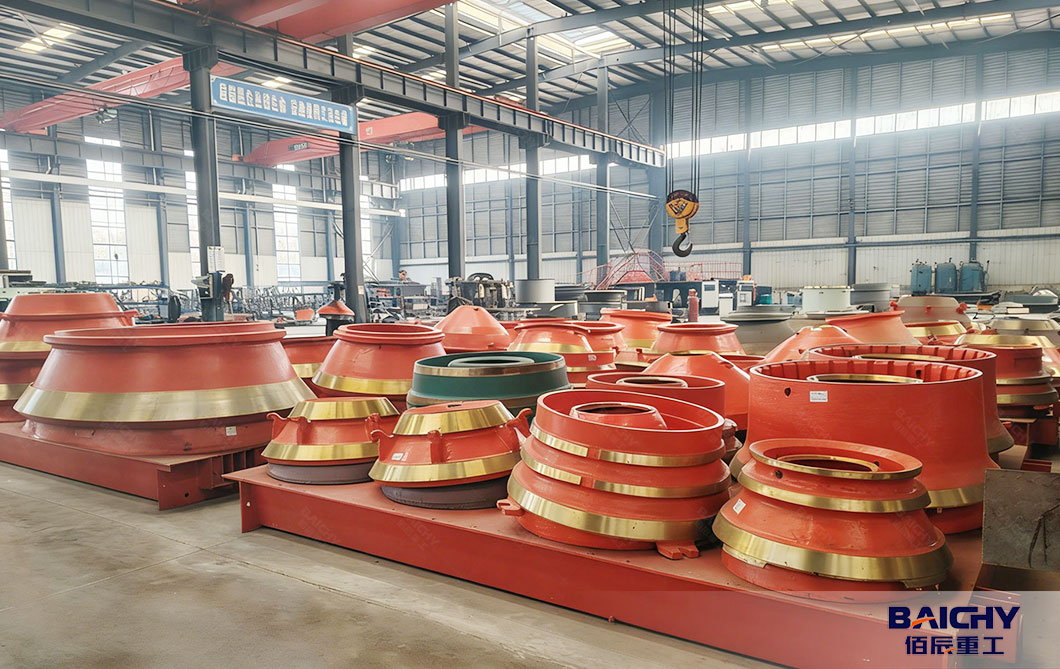
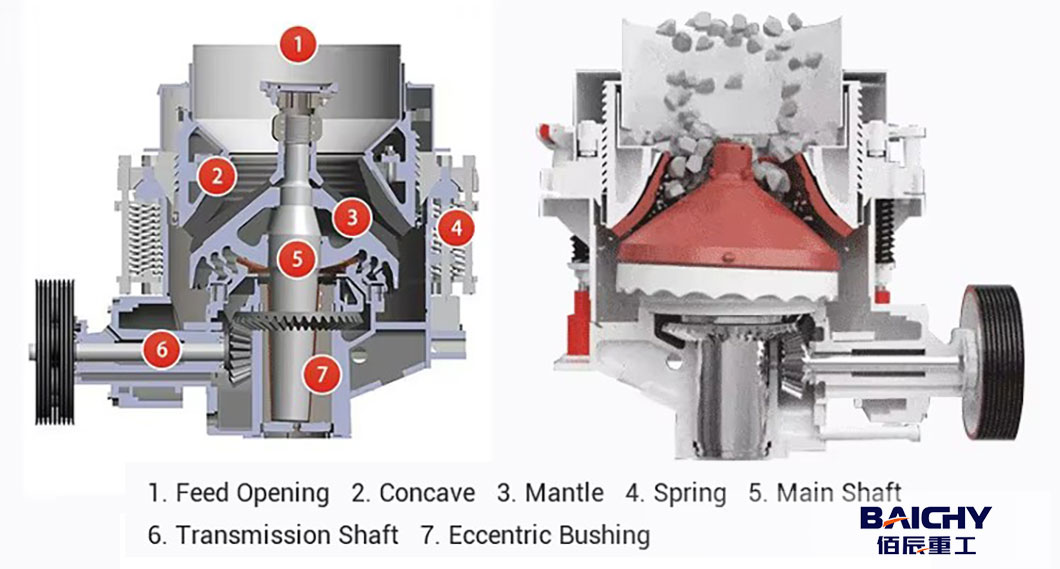
Cone crusher parts are generally divided into two categories: Wear Parts (consumables) and Spare Parts (mechanical components).
● Wear Parts: These directly contact the rock and need frequent replacement.
○ Mantle: The moving cone that gyrates.
○ Bowl Liner (Concave): The stationary outer ring.
○ Feed Cone: Protects the top of the mantle.
● Mechanical Spare Parts: These drive the machine and require high-precision manufacturing.
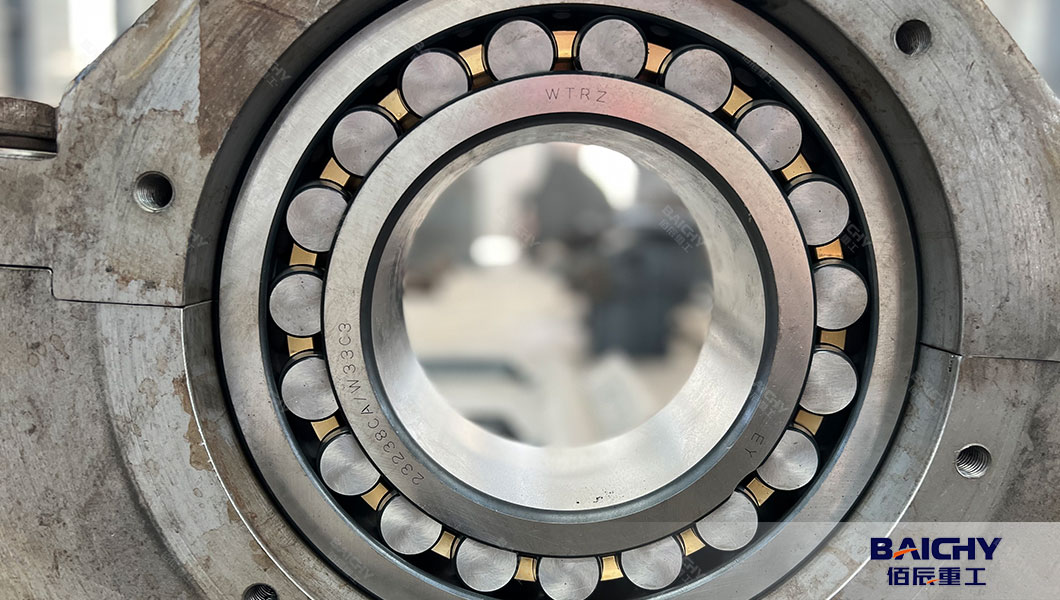
○Bushings (Eccentric, Countershaft, Frame): Usually made of high-leaded tin bronze.
○Seals (Dust & Oil): Critical for protecting internal components from rock dust.
○Pinion & Bevel Gears: Must be matched sets for proper meshing.

For wear parts (mantles and bowl liners), the material is almost always Hadfield Manganese Steel. The key is choosing the right "grade" of manganese based on the rock you are crushing.
| Manganese Grade | Application | Best For |
| Mn13% (Standard) | Soft to Medium Rock Limestone, soft stone. | Good impact resistance but wears faster on abrasive rock. |
| Mn18% (High) | Hard Rock Granite, Basalt, River Stone. | The industry standard. Work-hardens quickly to resist abrasion. |
| Mn22% (Ultra-High) | Extremely Abrasive Rock Iron ore, hard quartzite. | Offers maximum wear life but is more brittle (risks cracking if there is too much tramp iron). |
Pro Tip: If you are crushing highly abrasive material, ask for Mn18Cr2 or Mn22Cr2. The added Chromium improves the hardness profile.
Do not just buy "standard" liners. You must choose the correct cone crusher cavity profile (Extra Fine, Fine, Medium, Coarse, Extra Coarse) based on your feed size.
● If the cavity is too narrow: The feed opening will bridge/block, causing downtime and uneven wear.
● If the cavity is too wide: You will lose crushing efficiency (reduction ratio) and produce oversized product.
● Check the Nip Angle: Ensure the liner design has the correct nip angle to grip the rock effectively; otherwise, rocks will just "pop" up instead of crushing.
Sourcing parts from the Original Equipment Manufacturer (OEM) guarantees fit but is expensive. If buying from aftermarket suppliers, verify:
● Part Number: Always order by the specific OEM part number (e.g., Metso, Sandvik, Symons codes).
● Weight: A high-quality casting should be within 2-3% of the standard weight. If a liner is significantly lighter, the foundry likely used internal voids or thinner walls to cut costs.
● Machined Surfaces: The backing surfaces (where the liner touches the crusher frame) must be perfectly machined. Rough surfaces here can cause the liner to crack or spin during operation.

If buying from a third-party foundry (especially overseas), check these indicators of quality:
● Traceability: Every part should have a serial number stamped on it that traces back to a heat treatment report and chemical analysis.
● Appearance: Look for a clean casting finish. Avoid parts with visible pits, holes, or rough grinding marks, as these are stress points where cracks start.
● Bronze Quality: For bushings, ensure the supplier uses Centrifugal Casting rather than Sand Casting. Centrifugal casting eliminates air pockets and creates a much denser, longer-lasting bronze part.
1. Know your rock: Is it abrasive (high silica) or soft? (Determines Mn content).
2. Know your machine: Get the exact model and Serial Number.
3. Check the weight: Compare the quoted weight against the OEM manual.
4. Ask for reports: Request "Material Certification" and "Dimensional Inspection Reports" before shipping.
We can help you create a checklist for cone crusher spare part inspection to verify quality upon delivery, would you need that? Click here to get the cone crusher spare parts checklist.
Save Time! Get A Detailed Quotation Quickly.