Malachite is one of the most recognizable and economically significant copper oxide minerals. Known for its striking green color and high copper content, it is a primary source for copper extraction. However, extracting copper from malachite efficiently requires precise physical processing. The most critical step in this beneficiation process is grinding the ore to a specific particle size to ensure "monomer dissociation"—the separation of useful minerals from waste rock (gangue). For most malachite flotation or leaching processes, the ideal particle size is 150 mesh (approximately 0.105 mm).
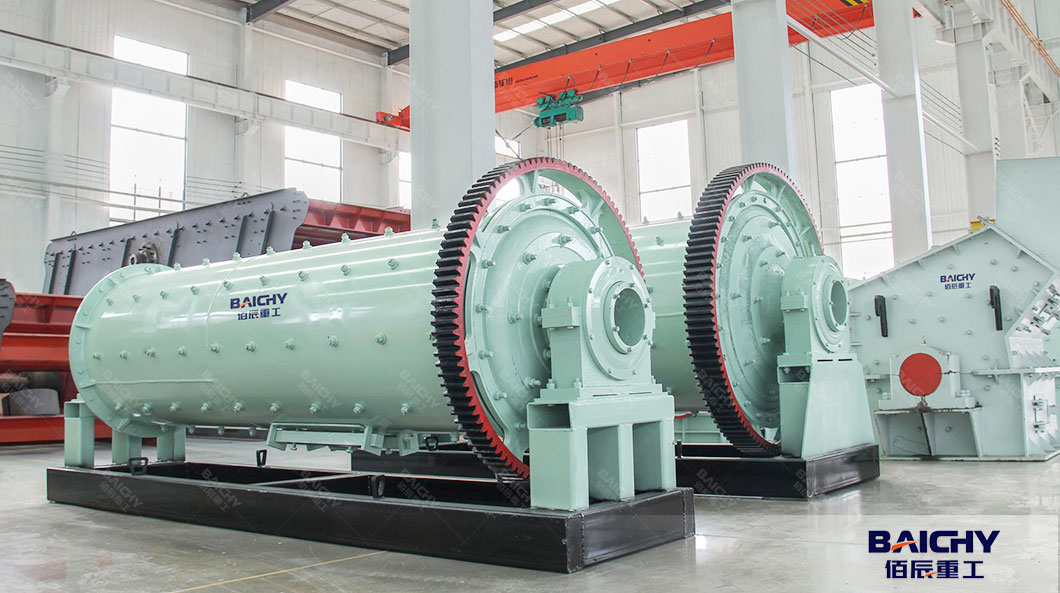
In this guide, we will explore why the ball mill is the equipment of choice for this task, the science behind the 150-mesh requirement, and how to optimize your grinding circuit for maximum profitability.
What is Malachite and Why Does it Need Grinding?
Malachite (Cu2CO3(OH)2Cu2CO3(OH)2) is a secondary copper mineral often found in the oxidation zones of copper deposits. While it is sometimes used as a gemstone, industrial mining focuses on its copper content.
Before chemical processing (flotation or acid leaching) can occur, the ore must be processed physically. Malachite is rarely found pure; it is usually intergrown with gangue minerals like limestone, quartz, or iron oxides.
The goal of grinding: To break the physical bond between the malachite and the waste rock. If the grind is too coarse, the copper remains "locked" inside the waste rock and is lost to tailings. If the grind is too fine, it creates "slimes" that interfere with flotation chemicals.
Why 150 Mesh? The Sweet Spot for Recovery
In mineral processing, particle size is measured in "mesh." A size of 150 mesh means the particle can pass through a screen with 150 holes per linear inch.
Achieving a passing rate of 70% to 80% at 150 mesh is considered the industry standard for malachite for two main reasons:
1. Liberation Degree: At this size, the surface area of the copper mineral is sufficiently exposed to react with flotation reagents (collectors and frothers) or leaching acids.
2. Floatability: In froth flotation, particles that are too heavy (coarse) will sink, while particles that are too small (ultra-fine) will not attach to air bubbles effectively. 150 mesh offers the optimal buoyancy.
The Ball Mill: The Heart of the Grinding Circuit
The ball mill is the most widely used grinding equipment in the mining industry. It consists of a hollow cylindrical shell rotating about its axis. It is partially filled with grinding media—usually steel balls.
How Ball Mill Works for Malachite Ore
1. Feeding: Crushed malachite ore (usually reduced to <25mm by a jaw or cone crusher) is fed into the cylinder.
2. Impact and Attrition: As the cylinder rotates, the steel balls are lifted by centrifugal force and drop back down (cascading). This impact crushes the ore. Additionally, the rolling action of the balls against the shell grinds the ore via attrition.
3. Discharge: The ground material passes through a discharge grate or overflow weir.
Why Choose a Ball Mill for Malachite?
1. High Efficiency: It can handle high capacities and continuous operation.
2. Versatility: Capable of both wet and dry grinding (Wet grinding is preferred for malachite intended for flotation).
3. Size Control: By adjusting the ball charge, speed, and classification system, you can precisely target the 150-mesh requirement.
The Step-by-Step Processing Workflow
To get malachite from a raw rock to a 150-mesh powder, a complete Malachite ore processing line is required. Here is the standard workflow:
1. Crushing Section (Preparation)
You cannot feed large boulders into a ball mill.
● Primary Crushing: A Jaw Crusher reduces raw ore to 4-6 inches.
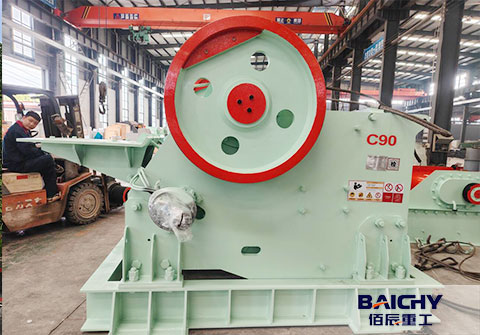
● Secondary Crushing: A Cone Crusher or Fine Jaw Crusher reduces the ore further to under 25mm (1 inch). This is the ideal feed size for the ball mill.
2. Grinding Section (The Core)
The crushed ore is sent to the Ball Mill via a belt conveyor or electromagnetic feeder.
● Wet Grinding: Water is added to the mill to create a slurry (pulp). This is essential for preventing dust and preparing the ore for the subsequent flotation stage.
● Grinding Media: High-chrome steel balls are recommended for their hardness and wear resistance against malachite, which has a Mohs hardness of 3.5–4.0.
3. Classification Section (Closed Circuit)
A ball mill rarely achieves 100% uniformity in a single pass. To ensure the output is exactly 150 mesh, the mill works in a "closed circuit" with a classifier.
● Spiral Classifier or Hydrocyclone: The slurry flows into this device.
● The Process: Fine particles (150 mesh) overflow and move to the flotation machine. Coarse particles (under-grind) settle and are returned to the ball mill for regrinding. This prevents over-grinding and ensures uniform particle size.
Benefits of Modern Ball Mills for Malachite
Investing in a modern, energy-efficient ball mill offers several advantages for mining plant owners:
● Energy Savings: Modern motors and rolling bearings can reduce energy consumption by up to 30% compared to older babbit bearing mills.
● Ease of Maintenance: Large access doors and hydraulic jacking devices make changing liners and adding balls easier.
● Automation: Many modern mills can be integrated with PLC control systems to monitor feed rate and discharge size automatically, ensuring the 150-mesh target is consistently met.
A Ball Mill, utilized in a closed-circuit system with a spiral classifier, remains the industry standard for this task. It offers the perfect balance of impact and attrition to liberate copper minerals effectively, preparing the ore for high-recovery flotation or leaching.
Are you planning a copper processing plant? Choosing the right model depends on your daily capacity (TPD), ore hardness, and initial feed size. Consult with professional mineral processing engineers to size your ball mill correctly and maximize your return on investment.




 2026-10-22





 86-15093113821
 86-15093113821