Home About us
Products
News
Solution
Video Service Contact us
Home  /  News

The jaw crusher has always been one of the important equipment in mining, quarrying and aggregate operations. As the demands for higher productivity, lower emissions and higher safety in various industries continue to grow, the technology of jaw crushers is also developing rapidly. What are the development trends of jaw crushers? We will introduce the future development trends of jaw crusher technology from the following four aspects, bringing value to operators, engineers and the environment.


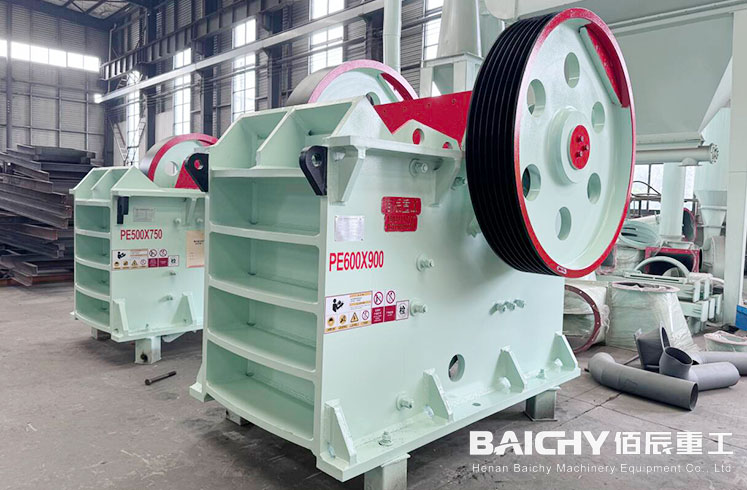
The-Future-of-Jaw-Crusher-Technology-00.jpg


1. The Rise of "Smart" Jaw Crushers (AI & Automation)

Modern crushers are becoming data-driven devices.
     ● Real-Time Monitoring: Sensors now track vital metrics like temperature, vibration, and hydraulic pressure in real-time. This data is sent to the cloud, allowing operators to monitor fleet health remotely via tablets or smartphones.
     ● Predictive Maintenance: Instead of waiting for a breakdown, AI algorithms analyze data trends to predict when a part is about to fail. This shifts maintenance from "reactive" to "proactive," drastically reducing unplanned downtime.
     ● Auto-Regulation: "Self-learning" crushers can now automatically adjust the Closed Side Setting (CSS) based on the hardness and size of the incoming material, ensuring optimal throughput without manual intervention.


2. Electrification and Hybrid Power Systems

Sustainability is no longer optional; it is a regulatory and economic necessity. The era of the diesel-guzzling beast is ending.
     ● Hybrid Solutions: Hybrid jaw crushers, combining diesel engines with electric motors, are becoming the industry standard. They offer the portability of diesel with the efficiency of electricity.
     ● Plug-In Capability: Many modern mobile units now feature "plug-in" options, allowing them to run entirely on mains electricity when available. This eliminates exhaust emissions and significantly lowers fuel costs.
     ● Urban Compliance: Electric crushers are quieter and cleaner, making them essential for construction and recycling projects in strict urban environments where noise and pollution regulations are tight.


3. Mobility and Modular Design

The future of mining is agile. Operators want to move the machine to the rock, not haul the rock to the machine.
     ● Tracked type mobile jaw crusher: The market share of tracked mobile jaw crushers continues to grow. These units can navigate difficult terrain and be set up in minutes, reducing material haulage costs.
     ● Modular jaw crusher plant: Manufacturers are designing crushers with modular components. If a specific section fails, it can be swapped out quickly without dismantling the entire machine. This modularity also makes transport easier, as machines can be broken down into container-sized loads.


4. Advanced Materials and Safety Design

Innovation isn't just about computers; it’s also about metallurgy and human safety.
     ● Next-Gen Alloys: Wear parts (jaw dies and cheek plates) are being manufactured with advanced high-chrome and manganese alloys. These materials last significantly longer, even when processing abrasive materials like granite and quartzite.
     ● Safety First: The ultimate goal is to remove the operator from the danger zone. Full remote control operation is becoming standard, allowing workers to control the crusher from the safety of an excavator cab or a control room, far away from dust and noise.


The jaw crusher of the future is smarter, cleaner, and more efficient. As technology advances, jaw crushers will remain indispensable, delivering more efficient, reliable, and sustainable crushing solutions for years to come. 

Maybe you are interested in