Quartz gold ore is one of the most common and valuable gold-bearing ores. It requires a specialized, step-by-step approach to maximize gold recovery while controlling costs. This guide breaks down the entire gold mining process from start to finish, focusing on quartz gold ore, key equipment, and critical mistakes to avoid.

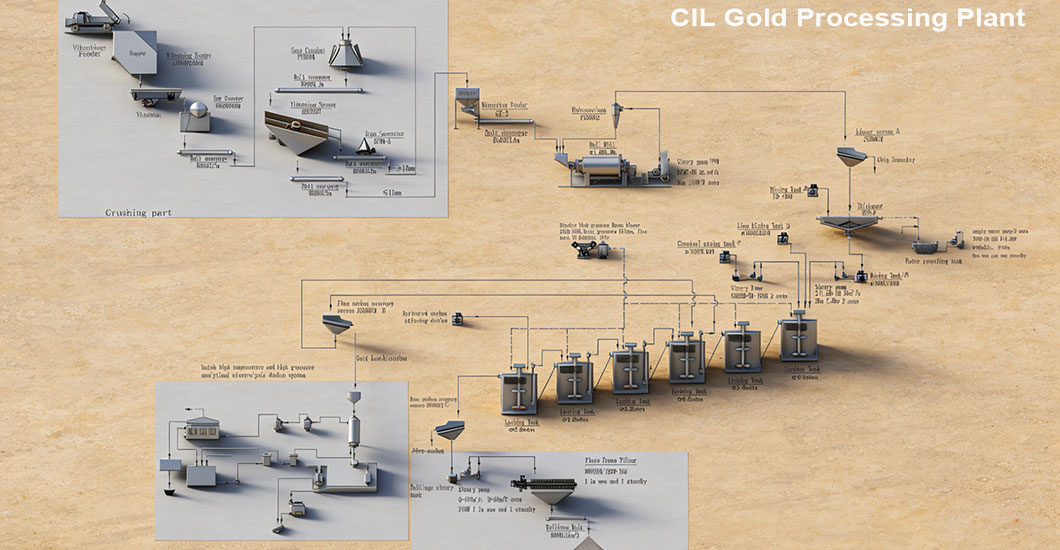
CIL Gold Processing Plant Flowchart
● Mineral composition: Dominated by quartz (SiO₂ content ≥85%), with gold present as native gold embedded in quartz crystals or along mineral fractures.
● Physical properties: High hardness (Mohs hardness 7), dense structure (density 2.65g/cm³), and low friability. Gold particles are often fine-grained and disseminated, making liberation (separating gold from quartz) a key challenge.
● Gold occurrence: Two main forms—free gold (directly recoverable) and encapsulated gold (trapped in sulfide minerals or quartz lattices), requiring different processing techniques.
The quartz gold mining process plant follows a four-stage workflow: Ore Extraction → Crushing & Grinding → Gold Liberation & Concentration → Gold Recovery. Each stage builds on the previous to isolate and recover gold efficiently.
The first step is extracting raw quartz gold ore from the earth. It include underground mining and open-pit mining. After mining, gold ore is transported to the processing plant (crushing section) for further treatment.
Quartz’s high hardness requires gradual size reduction to liberate embedded gold particles. This stage has three sub-steps:
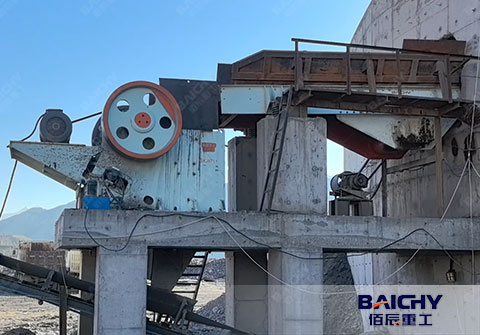
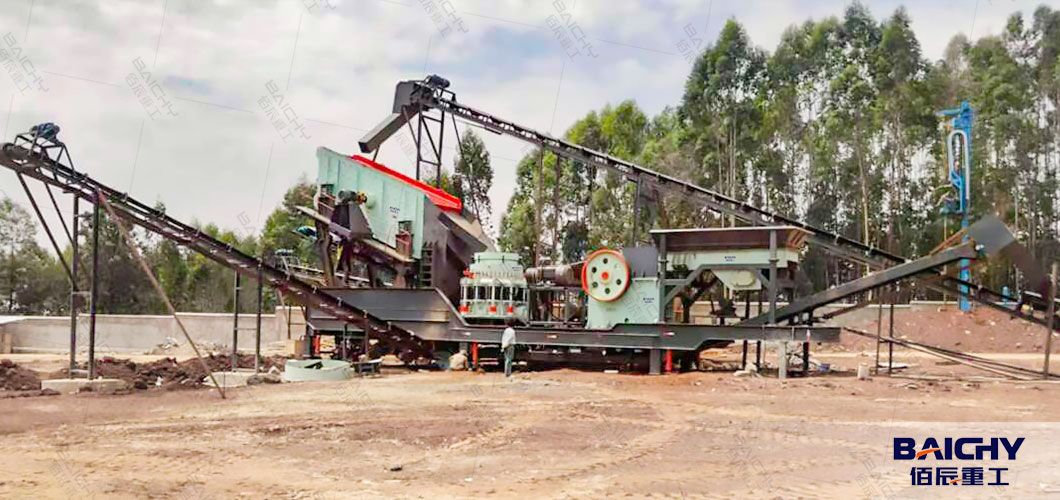
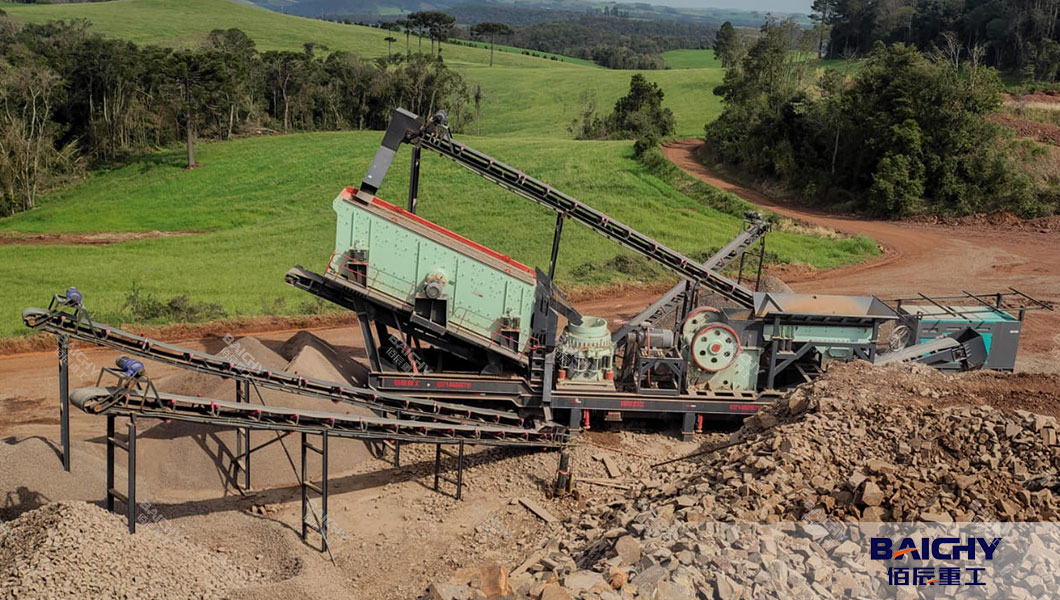
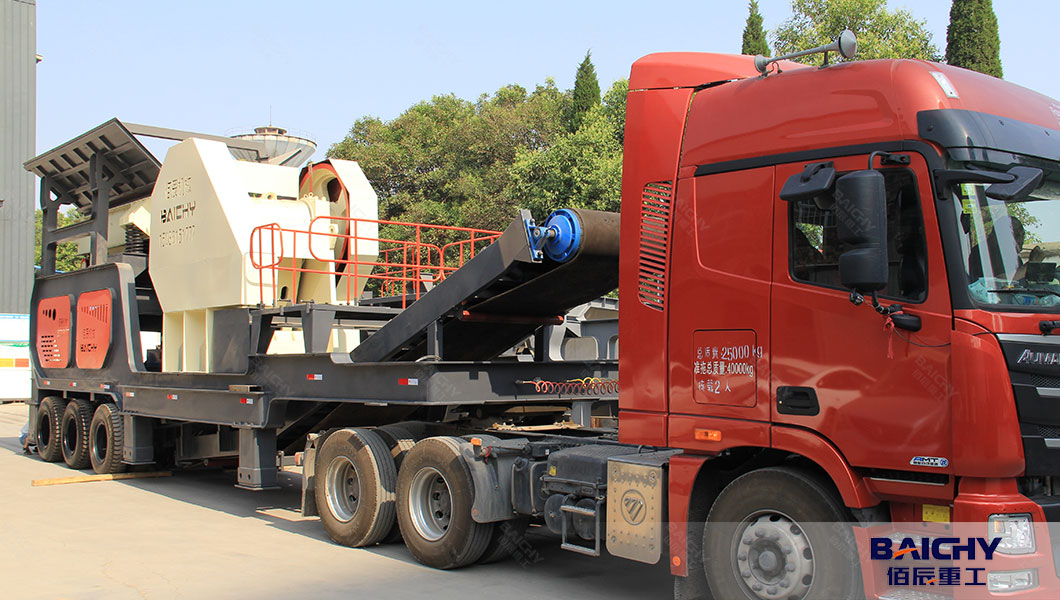
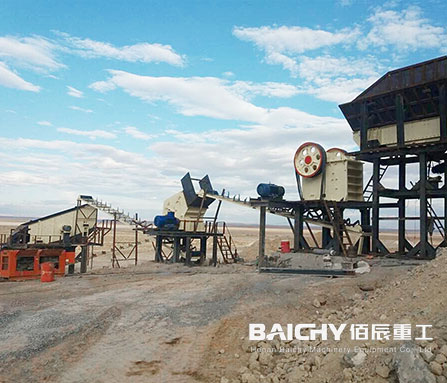
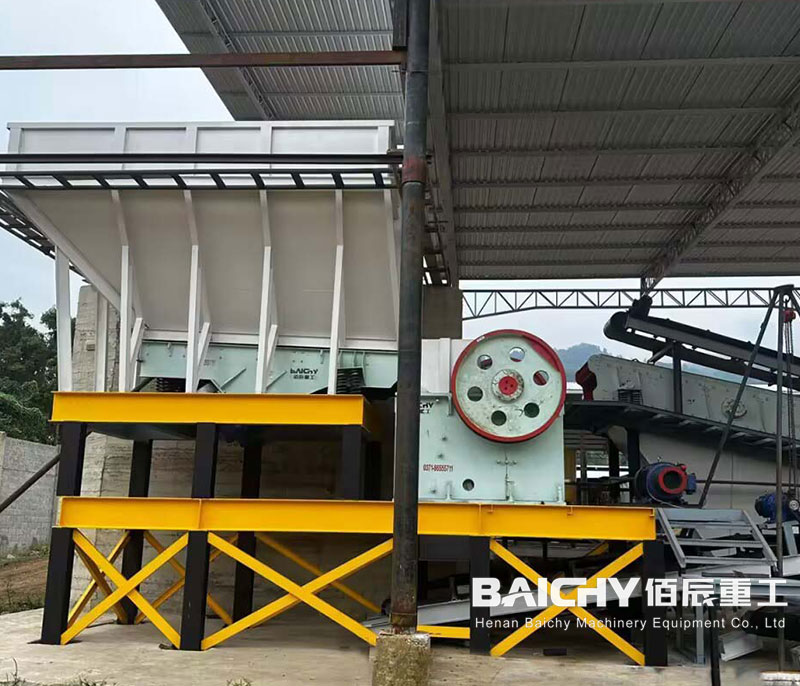
1.Primary crushing: Reduce raw ore (500-1000mm) to 100-200mm using gold jaw crushers.
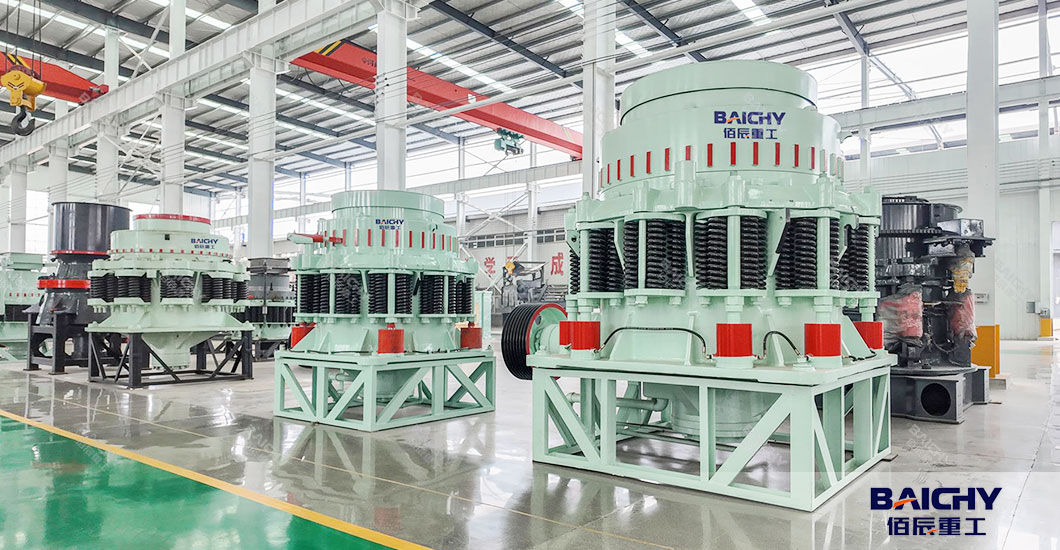
2.Secondary crushing: Further reduce ore to 10-20mm with cone crushers.
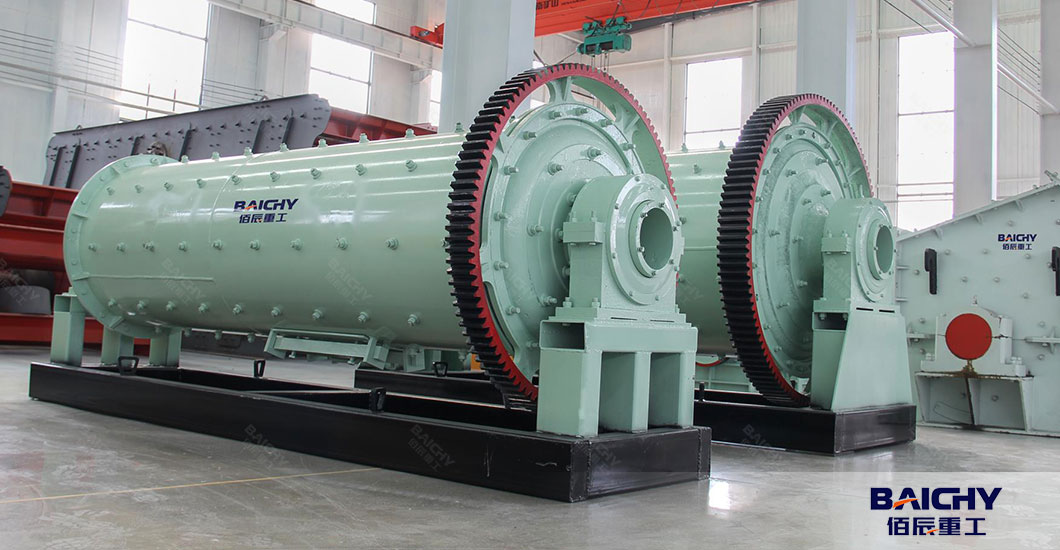
3.Grinding: Grind crushed ore to 75μm (200 mesh) in ball mills or rod mills—this fineness ensures 85%+ gold particle liberation (critical for subsequent recovery).

Gold rock crusher
After grinding, gold is still mixed with quartz and sulfide minerals. This stage separates gold-bearing minerals from gangue. Depending on gold particle size, you will use one or a combination of these methods:
1. Gravity Separation (For Coarse Gold): Equipment like Centrifugal Concentrators and Shaking Tables use the weight difference between gold and quartz. This is chemical-free and cost-effective.
2. Flotation (For Fine/Sulfide Gold): If the gold is microscopic or associated with sulfides, a Flotation Machine is added. Reagents are added to the slurry, making gold attach to bubbles and float to the top for collection.
3. Gold CIL process (Carbon In Leach, the carbon leaching process) is the most widely used gold extraction technology now. Its core advantage lies in the simultaneous implementation of cyanide leaching of gold and activated carbon adsorption, without the need for separate leaching tanks and adsorption tanks. The process is compact and the gold recovery rate is high. It is the preferred solution for large-scale gold extraction from fine-grained disseminated gold ores.

Gold Ball Mill
The concentrate from stage 3 undergoes final processing to extract pure gold. The gold sludge is smelted in a furnace (1100-1300℃) with fluxes (silica, limestone) to remove impurities, then refined (via electrolysis or chemical refining) to produce 99.99% pure gold bullion.
1. Ignoring Mineral Analysis: Never buy equipment without a lab test. You need to know if your gold is "free milling" (gravity) or "refractory" (chemical). The study of ore properties is important to determin the process flow. Before investment, adequate laboratory tests and expanded continuous tests should be carried out to determine the appropriate process flow and equipment.
2. Using Impact Crushers on Quartz: Impact crusher is good for construction aggregates production. Using an impact crusher on quartz is the fastest way to burn through your operating budget due to wear costs.
3. Skipping the Knelson/Concentrator: Many plants lose free gold in the grinding circuit. Adding a centrifugal concentrator early in the loop can recover nugget gold before it gets over-ground.
Whether you’re planning a small-scale mine or a medium-sized operation, prioritizing ore testing, quality equipment, and environmental compliance will set your project up for long-term profitability. For personalized process design or equipment recommendations, consult with a professional beneficiation engineering team like Baichy Machinery to tailor solutions to your specific ore and budget.
Save Time! Get A Detailed Quotation Quickly.