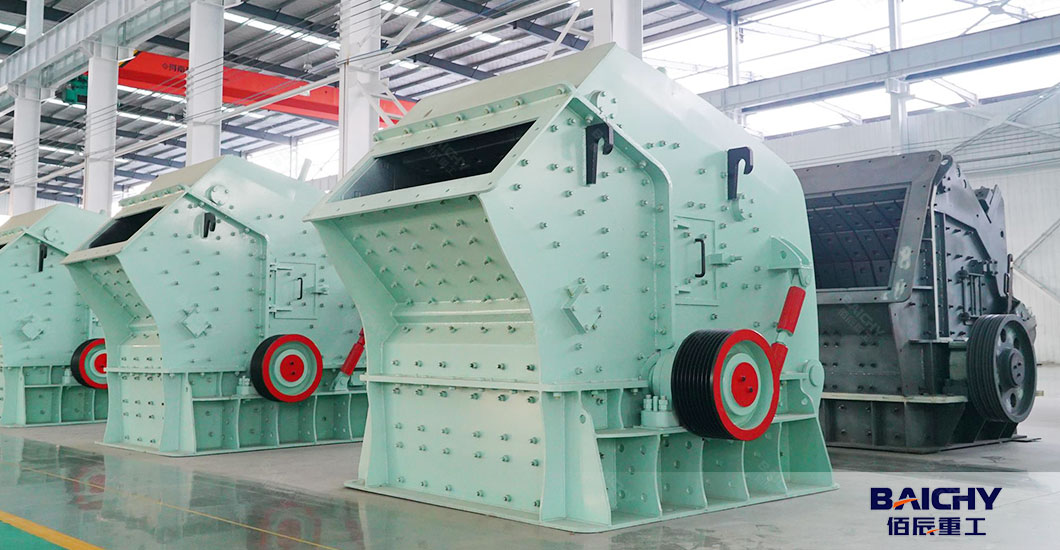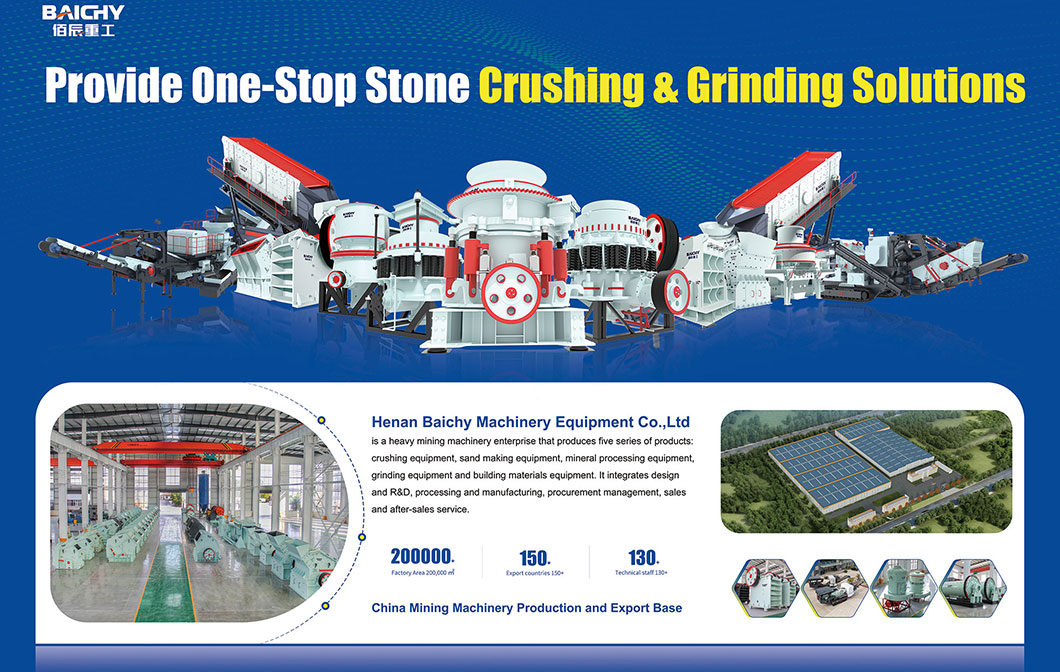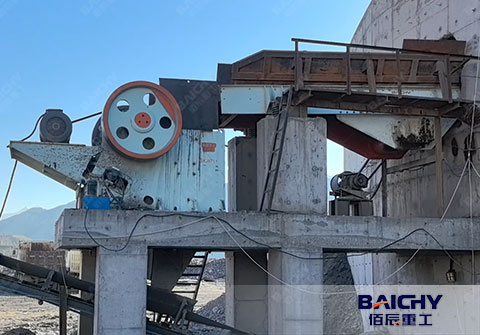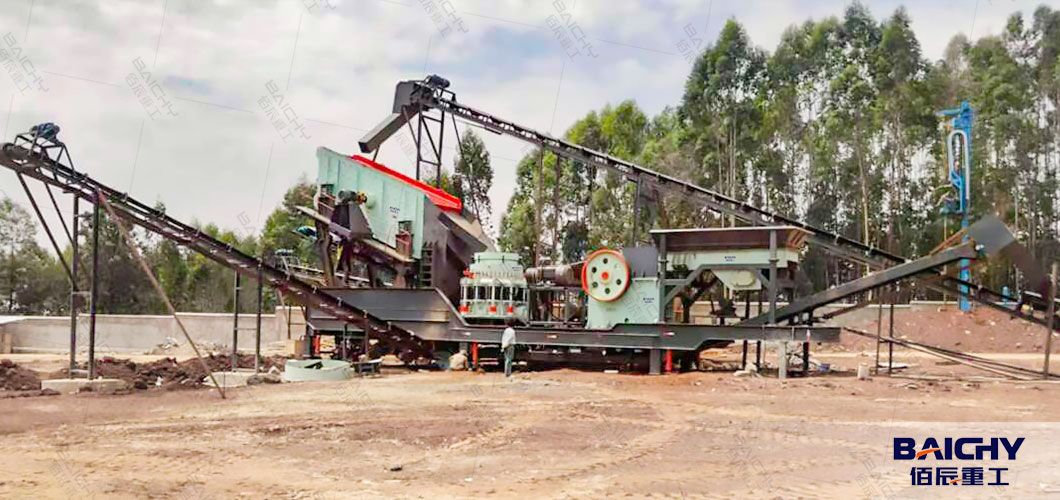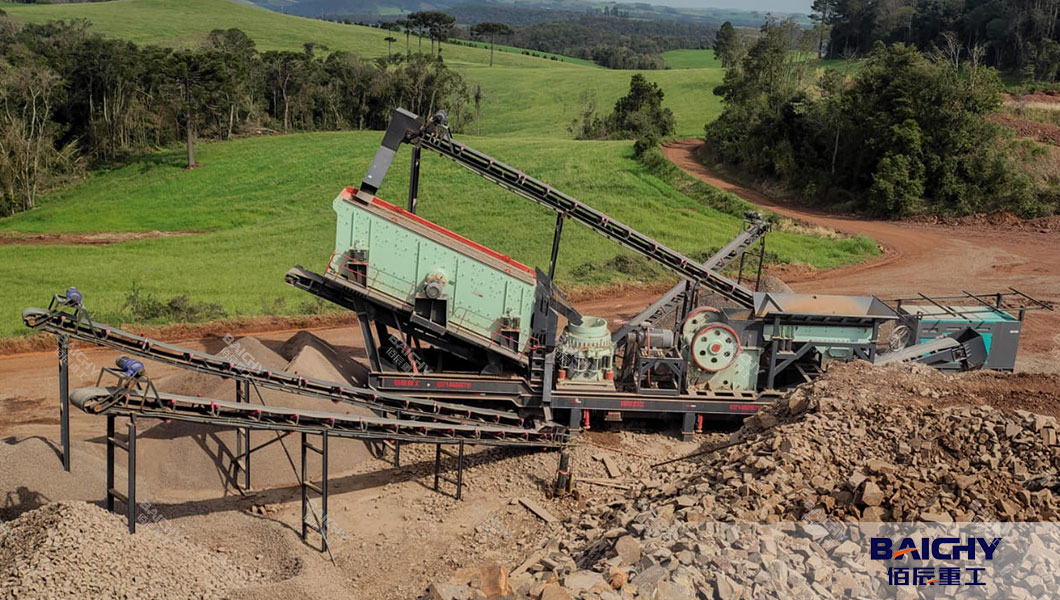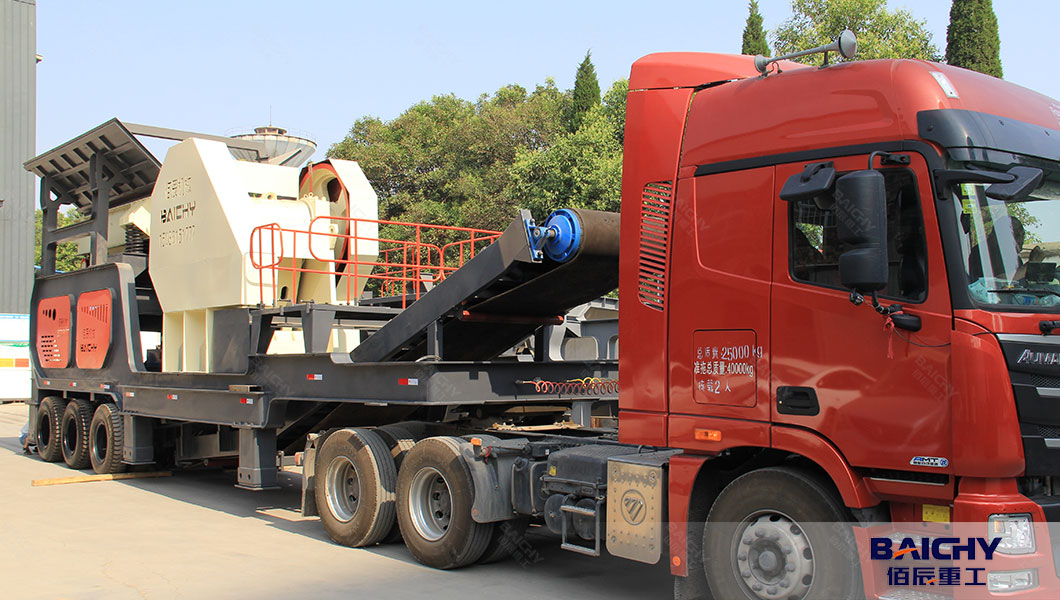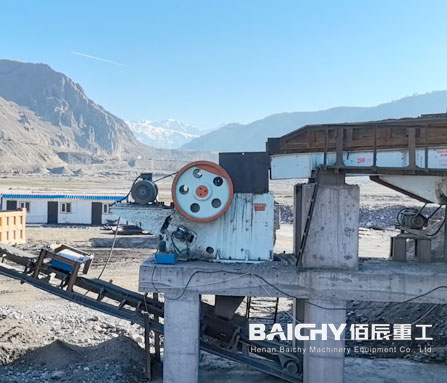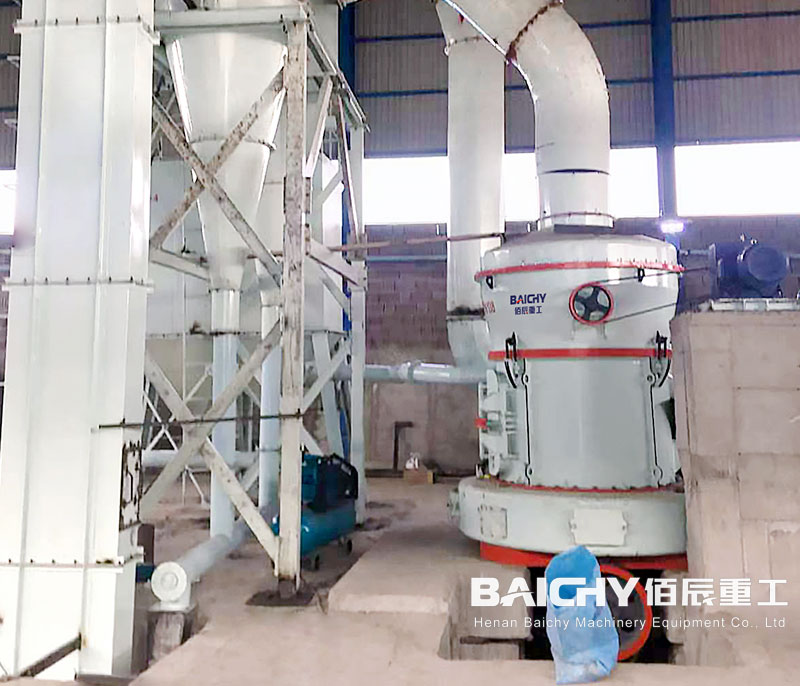
In the crushing equipment market, various types of equipment such as jaw crushers, cone crushers, and impact crushers are all competing for market share. Which type of stone crusher can truly match your mining materials, improve production efficiency, and reduce long-term costs? Today, we will focus on introducing impact crushers: in which aspects are they superior to other equipment, what technical advantages do they have, and how can they achieve better results at a lower cost in specific industries. After reading this article, you will clearly understand whether impact crushers are suitable for your project - in addition, you also have the opportunity to apply for a free on-site inspection to verify your choice.

The ideal solution for specific industries. The impact crusher is the best choice for specific stone materials and industries. Its unique working principle (utilizing high-speed impact to break down materials) gives it an unparalleled advantage in producing high-quality aggregates at a low cost.
Impact crushers can achieve optimal performance and cost-effectiveness in the following scenarios:
• Medium-hard rock crushing: limestone, dolomite, marble, travertine, etc. with compressive strength ≤ 350 MPa. These materials are relatively brittle and easy to break. Impact crushers can achieve high production efficiency while minimizing wear.
• Brittle material crushing: coal gangue, shale, slag, and construction waste. These materials are prone to breakage under impact. Impact crushers can produce uniformly sized materials without consuming excessive energy.
• End-use industries: construction aggregate production (concrete mixing plants, precast concrete factories), road subgrade and pavement construction, and landscape stone processing. In these industries, particle shape and cost control are crucial - and this is where impact crushers excel.
Let's analyze several key parameters that distinguish impact crushers from jaw crushers, cone crushers and other alternative equipment.
• Adjustable granularity range: Impact crushers can precisely adjust the output granularity by adjusting the gap between the impact plate and the hammer. The typical adjustable range is 10-80mm, covering most of the aggregate requirements (for example, 10-20mm for concrete, 20-40mm for roadbeds). • • • • Advantage of cubic particles: Thanks to the multi-stage crushing process of "impact-crush-impact", the crushed particles produced by impact crushers have a cubic shape ratio of over 85%.
The impact crusher wearing parts is designed to be durable:
• Blow bars: Made of more wear-resistant and corrosion-resistant high manganese steel, and the counter plate can be rotated regularly to extend its service life
• Liner plate: These components have a lifespan of 6 to 8 million tons and support local replacement (instead of total replacement), thereby reducing spare part costs by 40%.
Project Background: A large building materials company in Hebei needs to produce 2,000 tons of construction aggregates every day. The raw material is limestone with a compressive strength of 280 MPa. Initially, the company used a combination of jaw crushers and cone crushers, but the product quality was poor and the content of needle-like and flake-like particles was high.
Equipment upgrade: The company has replaced its previous crushing equipment with a 1315 type impact crusher (with a processing capacity of 200-300 tons per hour) as the main crushing equipment.
The main achievements after 6 months:
• Improved particle shape: The ratio of cubic particles has significantly increased. The product has passed all government inspections and has achieved substantial profits.
Now, you should have clearly understood when to choose a impact crusher as the best option: suitable for medium-hard rocks,brittle materials,and projects with high requirements for particle shape and long-term cost control.
If you are still unsure whether a impact crusher is suitable for you, Baichy Machinery are always here to assist you. We offer free on-site survey services for crushers in the mining industry, including:
• Professional testing of your stone materials (compressive strength, brittleness, moisture content)
• Customized equipment recommendation plans based on your production capacity and product requirements
• Detailed cost analysis (purchase price, maintenance cost, energy consumption, profit forecast)
• On-site demonstration of the performance of the impact crusher (if conditions permit)
Our engineering team has over 15 years of experience in the crushing industry and has successfully completed 1000+ projects in 20+ industries. We will help you avoid costly mistakes and choose the most cost-effective crushing solution.

Save Time! Get A Detailed Quotation Quickly.