A Shaker Screener is a piece of heavy-duty equipment used to separate crushed limestone into different sizes (grades). Driven by an electric motor and an exciter, the machine vibrates the screen deck. As the limestone moves across the mesh, smaller particles fall through, while larger rocks remain on top to be discharged or re-crushed.
1. Common Types of Limestone Screeners
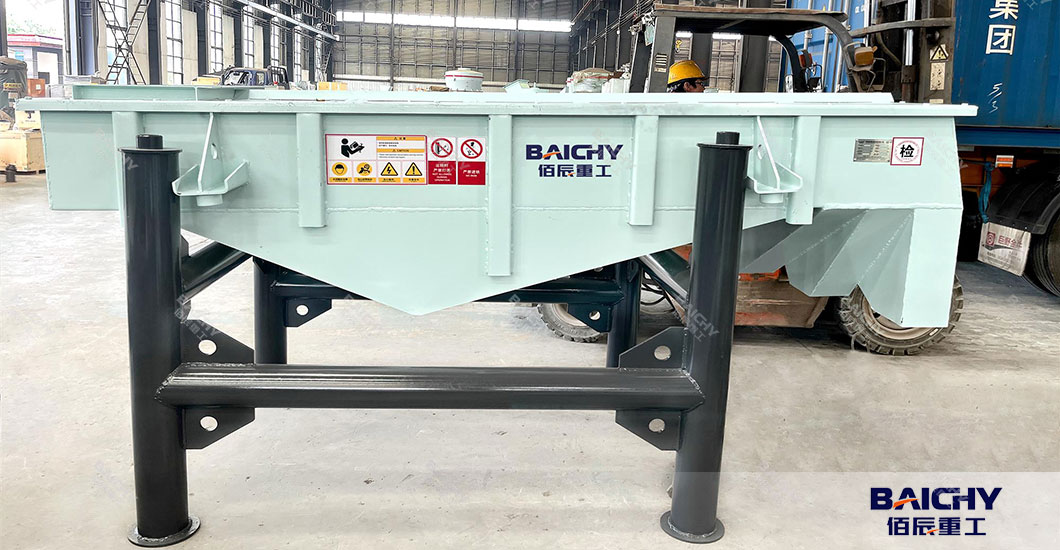
● Introduction: It adopts dual motors for synchronous drive, generating a linear vibration trajectory. Materials move uniformly forward along the screen surface. It is mostly designed with 1-4 layers of screens and is suitable for medium and fine grading of limestone ranging from 0 to 50mm (such as construction aggregates and cement raw materials).
● Advantages: High grading accuracy (95%+), suitable for mainstream aggregate specifications of 1-20mm; strong anti-blocking performance in linear motion, less prone to sticking to the screen when the humidity of limestone is ≤12%; single machine processing capacity of 50-250tph, matching medium and large crushing lines; polyurethane/manganese steel screens are wear-resistant and have low maintenance costs.
● Disadvantages: Prone to damage the screen box when processing coarse materials over 50mm; for fine screens (≤1mm), the vibration intensity needs to be enhanced, resulting in slightly higher energy consumption; occupies a larger area compared to circular vibrating screens.
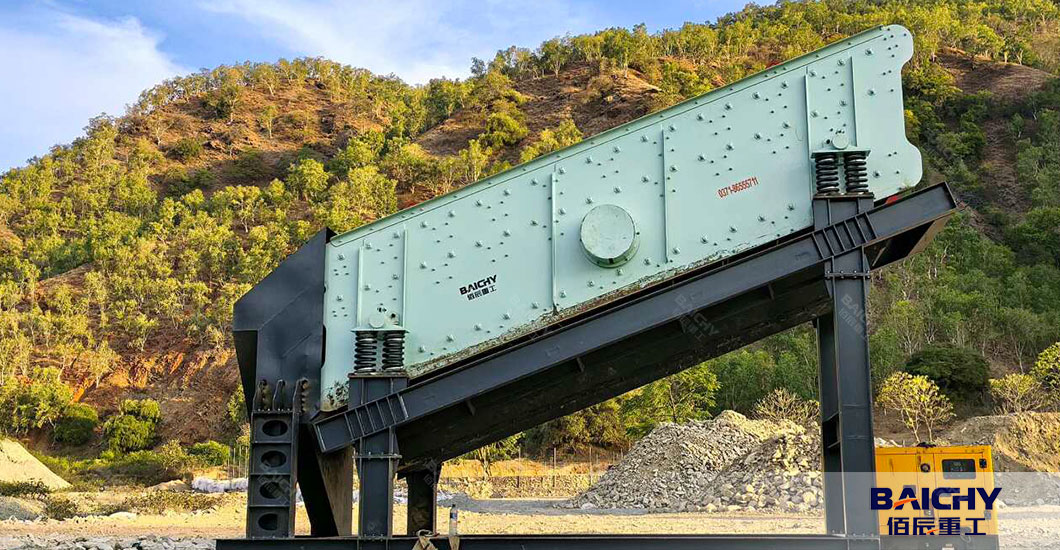
● Introduction: It generates circular vibration through an eccentric shaft, with a screen surface inclination of 15-25°, using gravity to accelerate material flow. It is mainly used for coarse screening of limestone ranging from 20 to 100mm (such as pre-screening of raw materials after blasting and protection screens for crushers).
● Advantages: Strong ability to handle coarse materials (100-300tph), capable of withstanding the impact of large limestone blocks over 100mm; robust structure with low failure rate, suitable for harsh quarry conditions; energy consumption is 15-30% lower than linear screens, making it economically efficient in operation.
● Disadvantages: Moderate grading accuracy (80-85%), not suitable for fine materials ≤5mm; prone to clogging with wet materials, efficiency drops sharply when the humidity is >10%; fine screens wear out quickly, requiring more frequent replacements than linear screens.
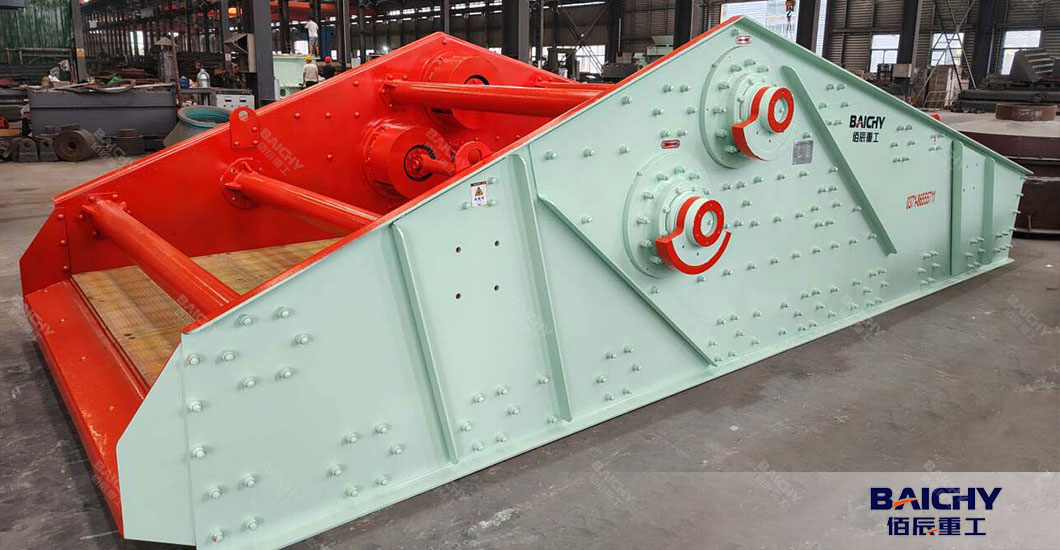
● Introduction: With a vibration frequency of 3000-5000rpm and small amplitude, it is mainly used for fine powder grading of limestone ranging from 0.045 to 5mm (such as light calcium carbonate and industrial fillers), and is mostly designed with single or double layers of fine screens.
● Advantages: Extremely high fine screening accuracy (98%+), capable of effectively separating sub-millimeter particles; strong anti-arching performance due to high-frequency vibration, preventing clogging with sticky limestone; compact in size, suitable for integration into small production lines or laboratories.
● Disadvantages: Low processing capacity (≤80tph), not suitable for large-scale coarse crushing lines; high-frequency vibration leads to rapid screen wear (requiring replacement every 3-6 months); high equipment cost, with an initial investment 40%+ higher than ordinary screens.
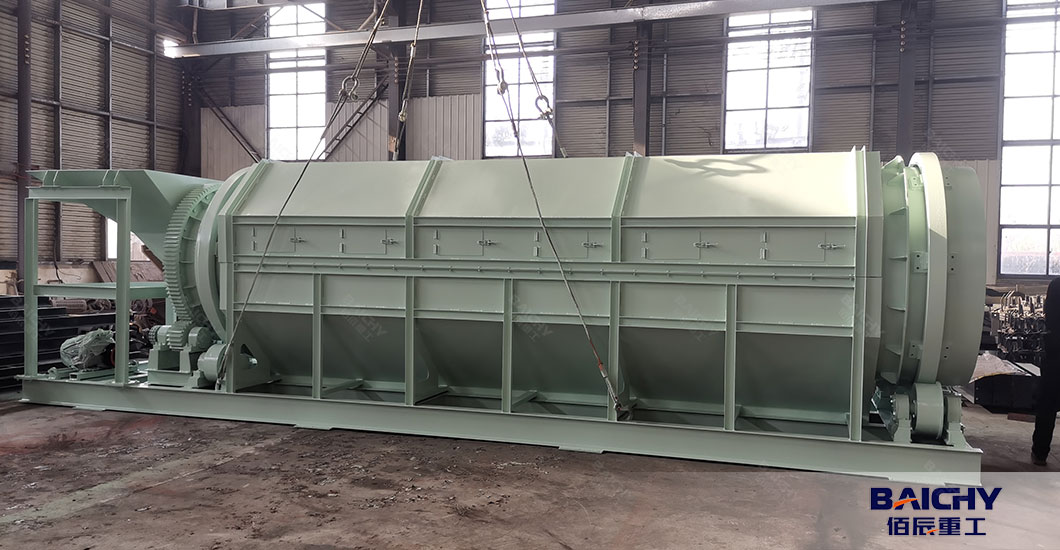
● Introduction: It operates by rotating a cylindrical screen drum, with screen holes gradually changing along the axial direction. It is suitable for grading limestone ranging from 0 to 80mm, especially for materials with high mud content and high humidity (such as wet materials from open-pit mines).
● Advantages: Best anti-clogging performance, wet materials (humidity >15%) or limestone with high mud content are less likely to stick and clog; simple structure, no intense vibration, low noise (≤70dB); can handle mixed materials of large and fine particles, with wide adaptability.
● Disadvantages: Low grading accuracy (75-80%), screen holes are prone to deformation; medium processing capacity (30-150tph), less efficient than vibrating screens; the screen drum is heavy, requiring reinforced foundation for installation and is not easy to move.
3. Core Selection Summary
● For medium and fine aggregates (1-20mm): Choose the linear vibrating screen (balanced accuracy and efficiency);
● For coarse material pre-screening (20-100mm): Choose the YK circular vibrating screen (durability and energy efficiency);
● •For fine powder grading (≤5mm): Choose the high-frequency vibrating screen (accuracy priority);
● For wet or muddy materials: Choose the roller screen (anti-clogging priority).
4. Success Story: Upgrading Vibrating Screen Of Limestone Quarry in Mexico
A medium-sized limestone quarry in Peru was struggling with their old screening station. They were producing road base (0-20mm) and clean aggregate (20-40mm). However, their old flat screen was constantly bottlenecking the production, capping output at 150 tons per hour (tph).
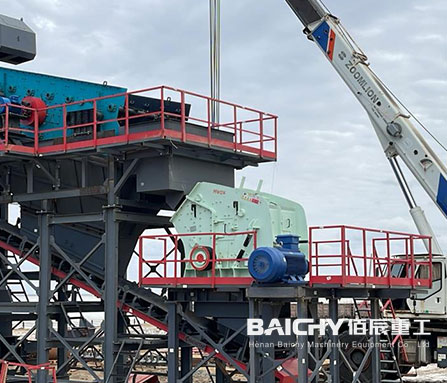
The quarry replaced the old unit with a modern YK Series Inclined Vibrating Screen (3-Deck). The inclined design utilized gravity to speed up the flow of the material.
The Results:
Capacity Boost: Production immediately jumped from 150tph to 250tph.
Better Separation: The 3-deck system allowed them to add a new product line (agricultural lime dust) from the bottom deck, creating a new revenue stream.
Reduced Maintenance: The simpler circular vibration mechanism reduced bearing wear, lowering annual maintenance costs by 15%.
People Also Frequently Asked For - FAQ
Q1: What is the best shaker screener for limestone aggregates?
A: A multi-deck linear vibrating screen is typically the best choice. It efficiently separates limestone into multiple sizes (e.g., 0-5mm, 5-20mm) with high capacity and low maintenance. For sticky or damp material, use screens with polyurethane panels and anti-blinding systems.
Q2: How to prevent screen blinding with damp limestone?
A: Key solutions include: using anti-blinding devices (like ball trays or ultrasonic cleaners), selecting non-stick polyurethane screens, and increasing vibration amplitude or screen incline to improve material flow.
Q3: What factors are critical when choosing a limestone shaker screen?
A: Consider: material characteristics (size, moisture), required capacity (TPH), screen configuration (decks, panel type), equipment durability, and site conditions (space, dust control). A 3-deck linear screen with polyurethane panels is often ideal for high-capacity aggregate production.




 2026-09-21





 86-15093113821
 86-15093113821