A stone crusher plant is a complete production system that processes quarried rocks (such as granite, basalt, and limestone) or construction demolition waste into engineered aggregates that meet construction specifications. Through the coordinated operation of feeding, crushing, screening, and conveying, the plant transforms run-of-mine material into finished products of multiple size fractions—typically 0-5mm, 5-10mm, 10-20mm, and 20-40mm—for use in highways, bridges, dams, and ready-mix concrete production.
The core logic of equipment selection is matching raw material characteristics with production targets. For hard rock (granite, basalt) with Mohs hardness above 6, a "jaw crusher + cone crusher" combination is required, utilizing interparticle crushing to keep flakiness index within 5%. For medium-soft rock (limestone), a "jaw crusher + impact crusher" configuration can achieve "one-step shaping."
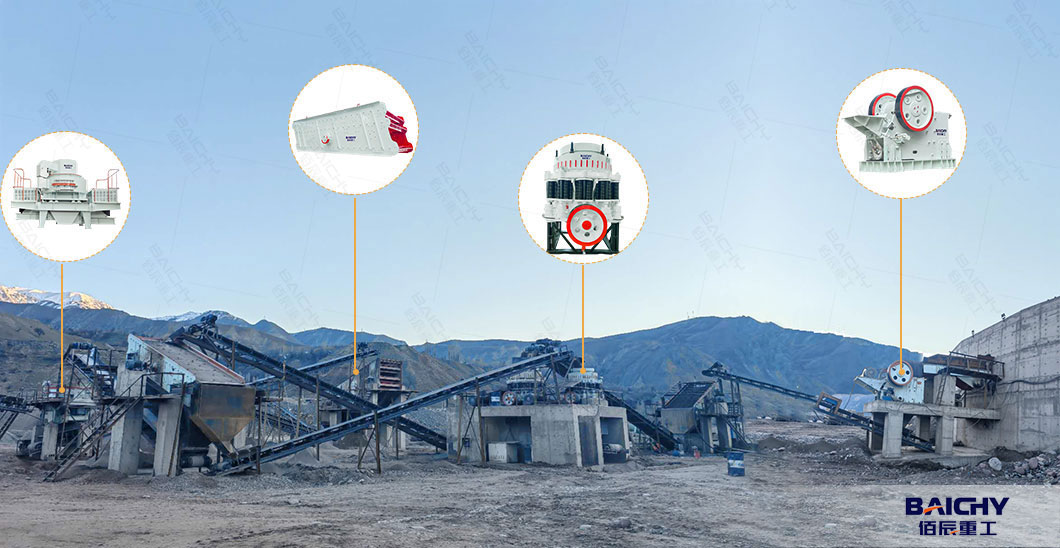
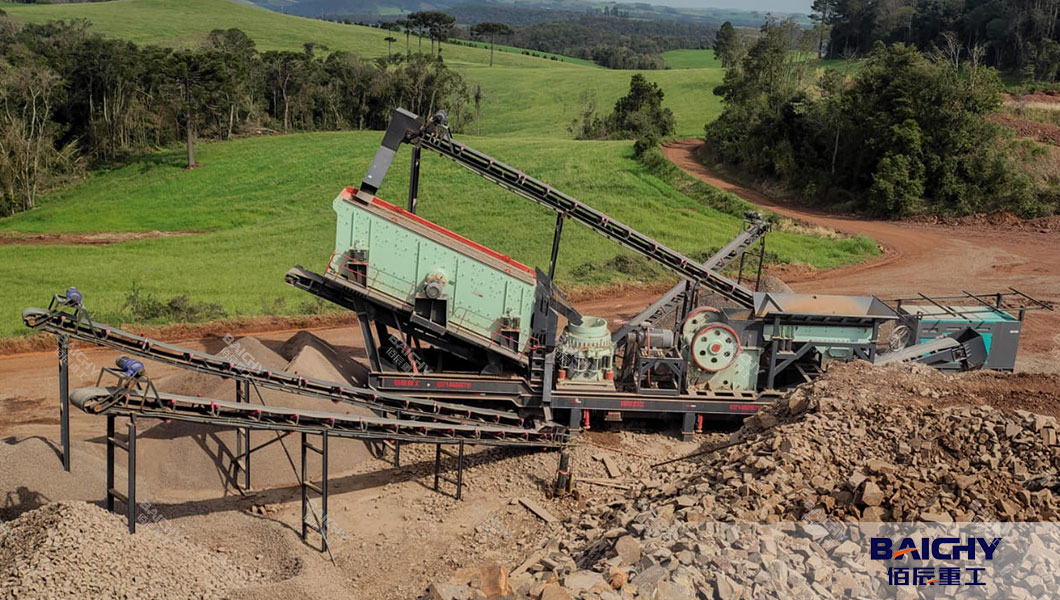
Core Components of a Stone Crusher Plant: Six Key Systems
1. Vibrating Feeder:
The vibrating feeder delivers raw material from the hopper uniformly into the jaw crusher. Its grizzly bar pre-screening function removes fine particles and impurities in advance, preventing clogging downstream.
Key selection parameters include feed capacity (e.g., ZSW1100×4200 model achieves 300-500 TPH) and maximum feed size (typically ≤800mm, customizable to 1000mm for oversized material).
2026 trend: Variable-frequency drive (VFD) feeders have become standard—they automatically adjust feed rate based on crusher load, reducing energy consumption by 15-20%.
2. Crusher:he Core That Determines Capacity and Particle Shape
The crusher is the primary machine that reduces the size of the raw material. It can be a jaw crusher, impact crusher, cone crusher, or gyratory crusher depending on the type of stone and the desired end product.
- Primary Crusher
Jaw crusher is often used as a primary crusher. It has a simple structure with two jaws, one fixed and one movable. The stones are crushed between these jaws by compressive force. It can handle large - sized stones and reduce their size to a more manageable level for further crushing.
Another option for the primary crusher can be a gyratory crusher, which is suitable for high - capacity applications and can handle very hard and abrasive stones.
- Secondary Crusher
Cone crusher is a popular choice for secondary crushing. It uses a rotating mantle and a concave surface to crush the stones further. It can produce more uniform - sized products compared to the primary crusher. The cone crusher is the preferred choice for hard rock secondary crushing, utilizing interparticle crushing between the mantle and concave to produce uniform aggregates.
Impact crusher is also used in some cases. It works by using impact force to break the stones. It is effective for crushing materials with a relatively lower hardness. For limestone and other medium-soft materials, the impact crusher uses high-speed rotor impact for crushing, achieving high one-step shaping rates and excellent finished particle shape.
- Tertiary Crusher (Optional)
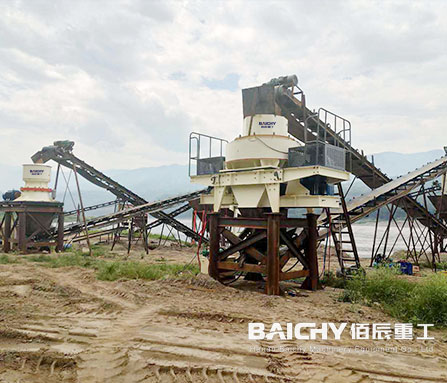
For applications that require very fine - sized products, a tertiary crusher such as a vertical shaft impact crusher (VSI) may be used. For manufactured sand production or strict particle shape requirements, the VSI crusher uses a "rock-on-rock" principle for fine crushing and shaping. It can further refine the crushed stones to the desired particle size distribution.
3. Vibrating Screen:
The vibrating screen separates the crushed materials into different sizes. It ensures that the final product meets the required specifications by separating out oversize and undersize materials. This is used to separate the crushed stones into different sizes. It has a vibrating motion that allows the smaller particles to pass through the screen apertures while retaining the larger ones. Multiple - deck vibrating screens can be used to separate the stones into more than two size fractions. For example, a 4YK2470 four-deck screen can simultaneously produce five size fractions. Closed-loop circuit: Oversized material is returned via a recirculating conveyor belt to the cone/impact crusher for re-processing, ensuring 100% product compliance.
Secondary Components:
4. Conveyor Belts:
Conveyor belts transport the crushed material from one part of the plant to another. They play a crucial role in the continuous operation of the plant by moving materials efficiently. They are used to transport the stones between different components of the crusher plant. For example, from the hopper to the crusher, from the crusher to the screen, and for transporting the final products to the storage area. Belt conveyors are reliable and can handle a large amount of material over long distances.
5. Intelligent Control System:
Traditional control panels have been replaced by SCADA centralized control systems that monitor 20+ operating parameters in real-time (current, oil temperature, vibration values, etc.). When vibration exceeds 4mm/s, the system automatically reduces speed; when liner wear reaches threshold levels, maintenance alerts trigger scheduled replacement.
6. Dust Suppression and Noise Reduction System:
Fully enclosed structures + negative-pressure dust collection systems can maintain site boundary dust concentrations below 10mg/m³. Soundproof enclosures can reduce daytime noise levels to below 60dB. For projects near residential areas, mobile crushing plants—featuring integrated dust collection and noise reduction—have become the compliance-first choice.
Additional Components:
7. Storage Hopper or Bin:
A storage hopper or bin is used to store the raw material before it is fed into the crusher. It ensures a steady supply of material to the crusher.
8. Generator Set:
In areas where access to electricity is limited, a generator set is used to provide power to the crusher plant and its components.
9. Control Room:
The control room is where operators monitor and control the entire crushing process. It provides a centralized location for overseeing the plant's operation.
Optional Components:
10. Screening Equipment:
Additional screening equipment such as a scalper or a deck screen can be included to further refine the size and quality of the final product.
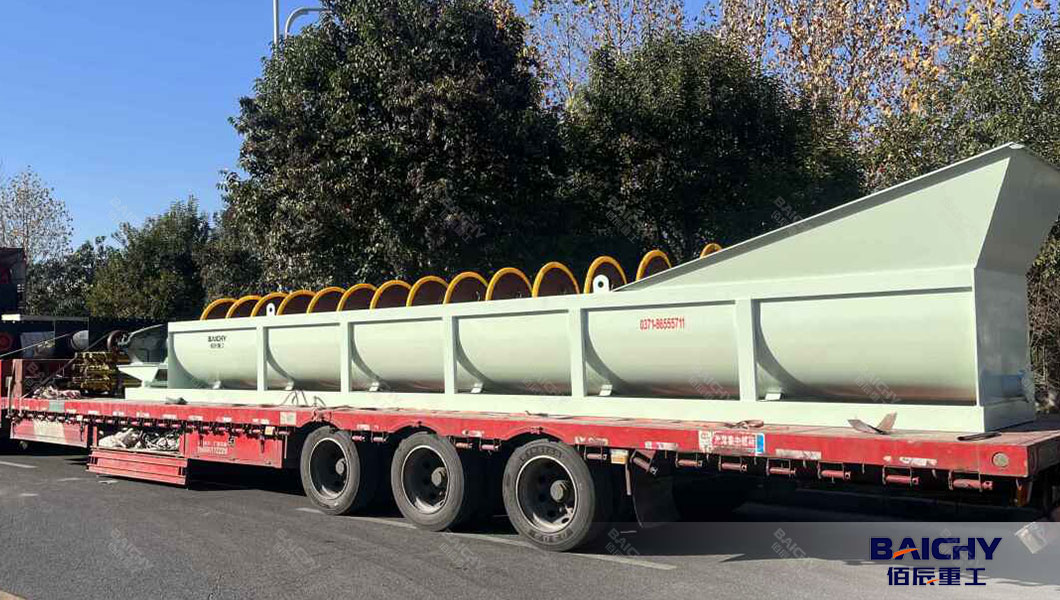
11. Washing Equipment:
For certain types of stone materials, washing equipment like a sand washer may be installed to clean and remove impurities from the final product.
Three Cutting-Edge Trends in 2026 Equipment Configuration
Trend 1: Intelligence – Remote Operation and Predictive Maintenance
With 5G + IoT sensors, equipment can be monitored and faults predicted remotely. For overseas projects like those in the Philippines, operational parameters can be diagnosed by experts via cloud platforms, reducing on-site personnel dependency.
Trend 2: Green Compliance – Full-Lifecycle Environmental Responsibility
New fixed plants must be equipped with: fully enclosed steel structures, negative-pressure baghouse dust collectors, and wastewater sedimentation circulation systems. Equipment that meets the latest CE certification dust emission standards (tightened by 50% in 2026 compared to 2020) receives bidding priority.
Trend 3: Modularization and Mobilization – Flexible Deployment Solutions
Modular plants: Each unit is pre-assembled at the factory for plug-and-play installation, reducing site relocation disassembly time from traditional 3-5 days to just hours
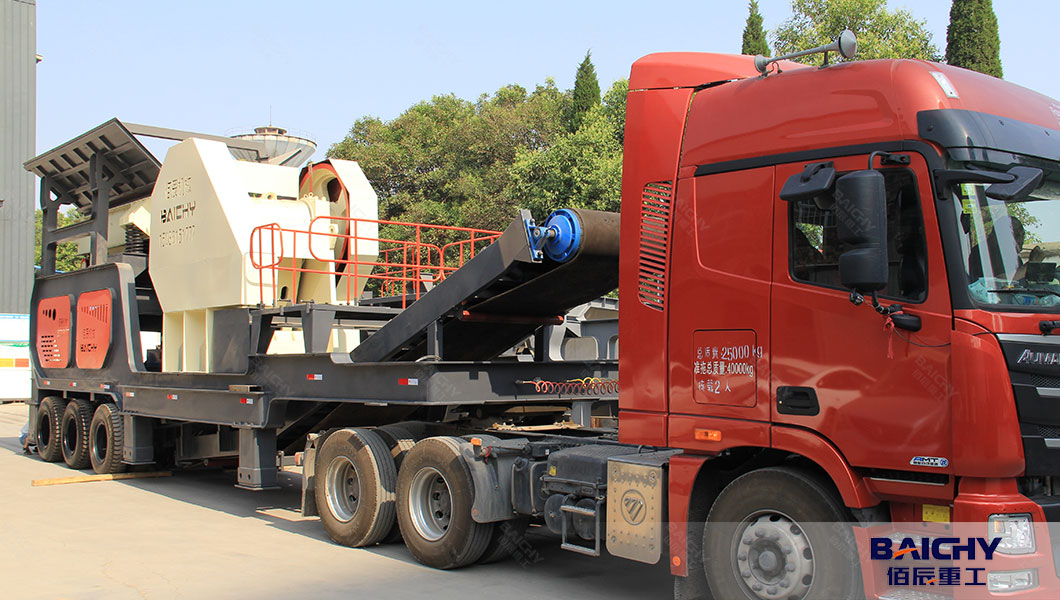
Mobile plants: Ideal for linear projects (highways, railways) and urban construction waste processing—equipment moves with the working face, significantly reducing transportation costs
Real-World Case Study – Philippine Iron Ore Beneficiation Project
The following actual operational data demonstrates modern equipment performance:
Project overview: Magnetite ore, feed size ≤700mm, target capacity 200-250 TPH
Equipment configuration: ZSW vibrating feeder + C110 jaw crusher (primary) + CS250 cone crusher (secondary) + 4YK2470 vibrating screen + fully enclosed dust collection system
Actual operating data:
Stable throughput: 250 TPH (100% of designed capacity)
Jaw plate replacement cycle: 3,200 hours (isothermal quenched high-manganese steel)
Cone crusher liner life: 3,800 hours (high-chromium cast iron + tungsten carbide composite layer)
Finished product fractions: 0-5mm, 5-10mm, 10-20mm, 20-40mm
System availability: >90% (including scheduled maintenance downtime)
Economic benefits: With intelligent control systems optimizing load in real-time, specific energy consumption per ton of product is reduced by 12% compared to conventional operations. Predictive maintenance reduces unplanned downtime losses by approximately 40%.
Benefits of a Well-Equipped Stone Crusher Plant:
- Efficient Crushing Process: The components work together to efficiently crush and process raw materials into the desired end products.
- Versatility: Different types of crushers and screens can be used to produce various sizes and shapes of crushed stone.
- Reliable Operation: Proper maintenance and monitoring of components ensure smooth and reliable plant operation.
- Environmentally Friendly: Dust suppression systems and other measures help reduce environmental impact.
A well-designed stone crusher plant with the right components can enhance productivity, quality, and efficiency in the crushing process, leading to high-quality final products for construction and other applications. Looking for a customized plant configuration for your project? Contact Baichy Consulting Service for a detailed technical proposal and ROI projection.




 2026-09-17





 86-15093113821
 86-15093113821