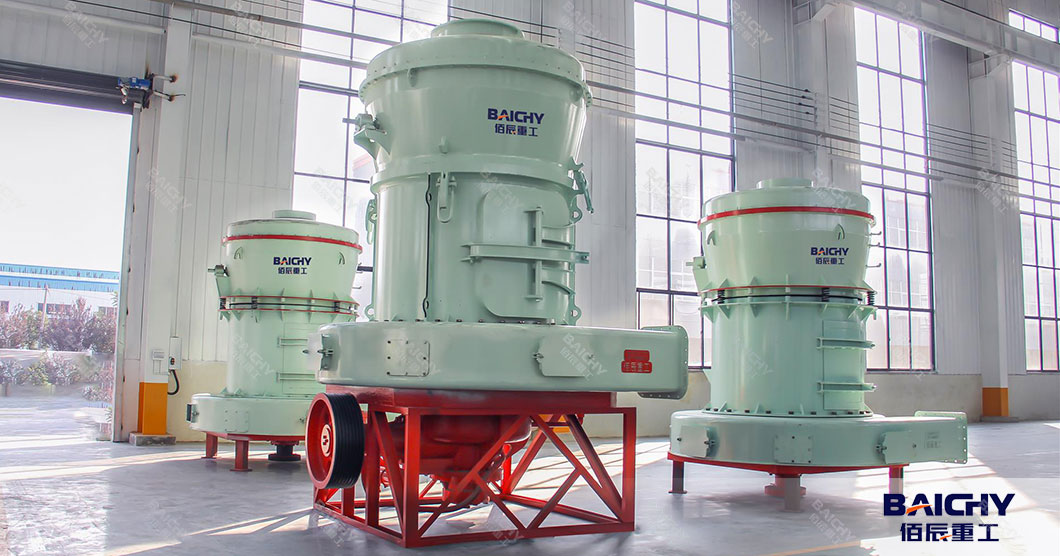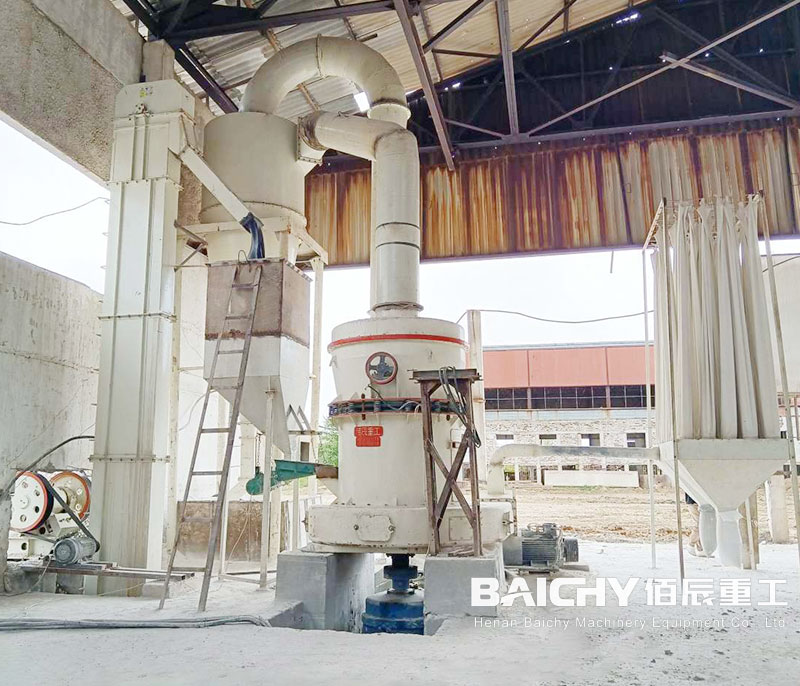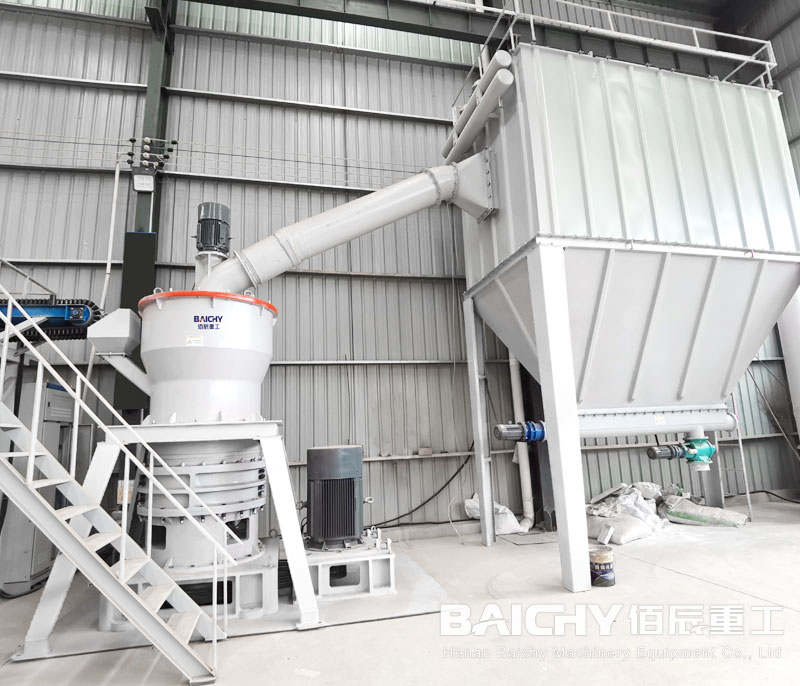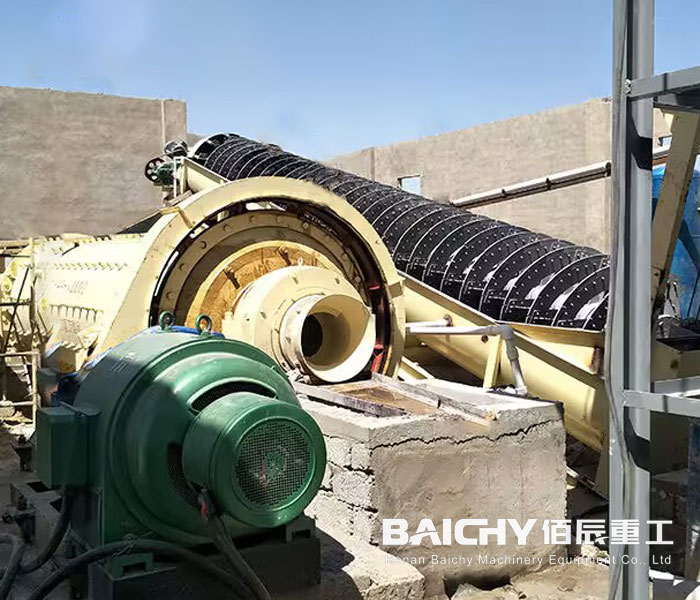
In the industrial powder industry, the Raymond Mill is a legend. For over a century, it has been the standard for grinding limestone, calcite, and barite. But in the world of machinery, technology doesn't stand still.
If you are setting up a new powder plant or upgrading an old line, you have likely seen the code "MTW" on spec sheets. MTW stands for the European Trapezium Grinding Mill. Think of it as the "Raymond Mill 2.0." It keeps the reliable principles of the classic design but fixes the maintenance headaches and capacity limits. In this post, we break down exactly why the MTW is taking over the market and why it might be the smartest investment for your plant.

The name "Trapezium" isn't just a fancy marketing term; it describes the engineering of the grinding rollers and the ring.
In a traditional Raymond Mill, the rollers and ring wear down unevenly over time, reducing efficiency. The MTW uses a Trapezoidal Working Surface.
● The Benefit: As the roller wears down, the contact area between the roller and the ring remains constant. This ensures that your production capacity doesn't drop significantly as your wear parts get older. It maximizes the grinding efficiency of every rotation.
Why does the MTW cost more than an old-school pendulum mill? Because it saves you money in operations. Here are the three distinct technological leaps.
The traditional Raymond mill usually requires a massive separate reduction gearbox connected by a coupling, or a messy system of belts and pulleys.
● The Old Way: Belts slip, break, and lose power. Separate gearboxes take up huge floor space.
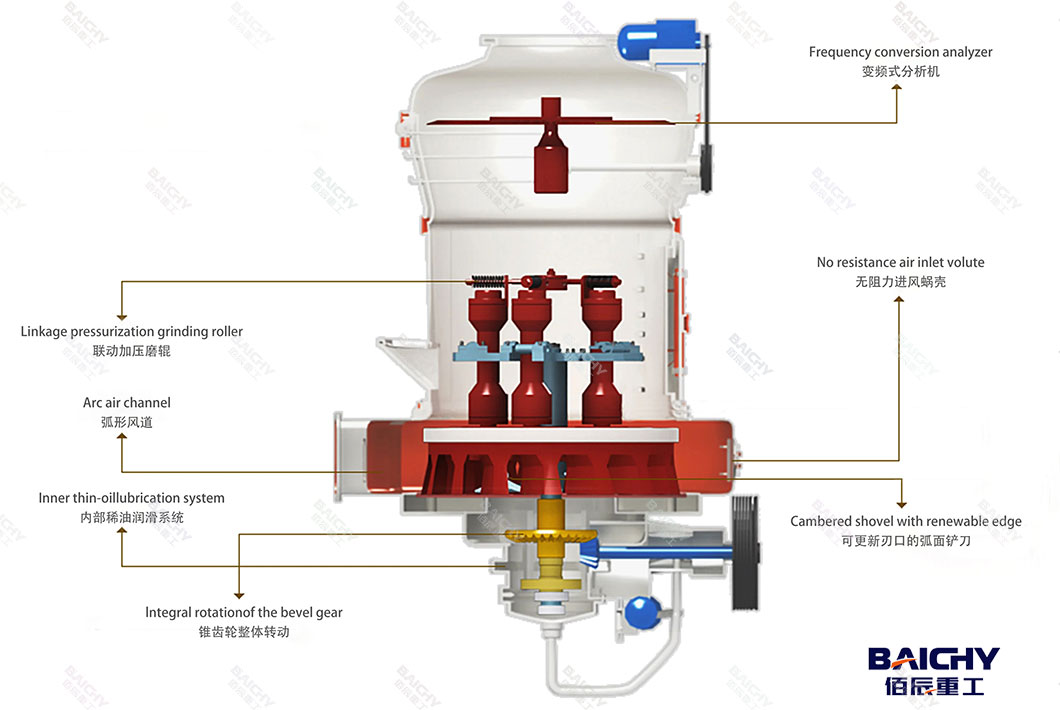
● The MTW Way: It uses an Overall Bevel Gear Drive. The motor connects directly to the main shaft via an internal gear system.
● Result: It is compact, quieter, and transmits power with much higher efficiency. No more belt slippage means consistent speed and higher tonnage.
Ask any maintenance operator what they hate about old mills. The answer is usually: "Greasing the bearings." Old mills often require manual greasing or external oil stations that are prone to leaks.
● The MTW Way: It features an internal Thin-Oil Lubrication System. The main shaft and bevel gears are constantly bathed in clean oil pumped internally.
● Result: You don't need to stop the machine to grease it. The bearings last longer, and the maintenance interval is extended significantly.
Pneumatic mills rely on airflow to carry the powder out of the chamber.
● The Old Way: Traditional ducts have sharp 90-degree corners. This creates air resistance (drag) and uses more fan power.
● The MTW Way: The air channel is curved and streamlined.
● Result: The air flows smoothly with less resistance. This means the fan works less hard to move the same amount of powder, lowering your electricity bill.

The MTW is a versatile beast. It is designed for non-flammable, non-explosive minerals with a Mohs hardness below 9.3 and humidity below 6%.
● Desulfurization: Grinding limestone for power plant exhaust cleaning.
● Heavy Calcium Carbonate: For paper, plastic, and paint fillers.
● Barite: For oil drilling mud.
● Gypsum: For wallboard and construction plaster.
The MTW is highly adjustable. You can produce coarse powder (30 mesh) down to fine powder (425 mesh / 0.033mm), and with a secondary classifier, even finer.
| Feature | Traditional Raymond Mill (R-Series) | MTW European Trapezium Mill |
| Drive System | Drive System Belt or Coupling + Gearbox | Integral Bevel Gear |
| Lubrication | Grease / Manual | Internal Thin Oil Pump |
| Air Channel | High Resistance (Right Angles) | Low Resistance (Curved) |
| Classifier | Blade Type (Old) | Cage Type (Frequency Control) |
| Footprint | Large | Compact |
| Capacity | Standard | 20% - 30% Higher |
If you are a small, budget-constrained operation running only a few hours a day, the traditional Raymond Mill is still a solid, cheap choice.
However, if you are a commercial powder producer running 10-24 hours a day, the MTW Trapezium Mill is the superior choice.
● It produces more tons per hour.
● It uses less electricity per ton.
● It saves hours of maintenance time every week.
● In the long run, the MTW pays for itself through efficiency.
Don't let outdated technology slow down your production.Contact us today for the latest capacity charts and pricing on the MTW Series Raymond mill.
Save Time! Get A Detailed Quotation Quickly.