Home About us
Products
News
Solution
Video Service Contact us
Home  /  News

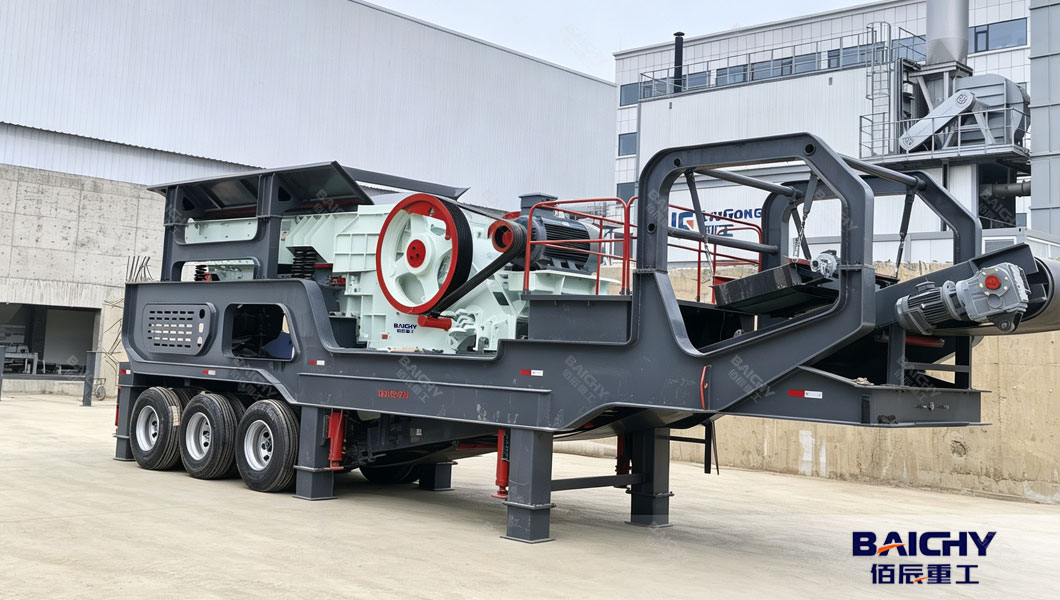
Tracked jaw crushers have revolutionized material processing in industries like mining, construction, and waste recycling—outperforming traditional stationary jaw crushers in flexibility, cost efficiency, and adaptability. Below are their core advantages, grounded in real-world operational needs and industry data:


tracked-jaw-crusher-advantages-01.jpg


1. No Foundation Construction: Slash Initial Investment & Deployment Time

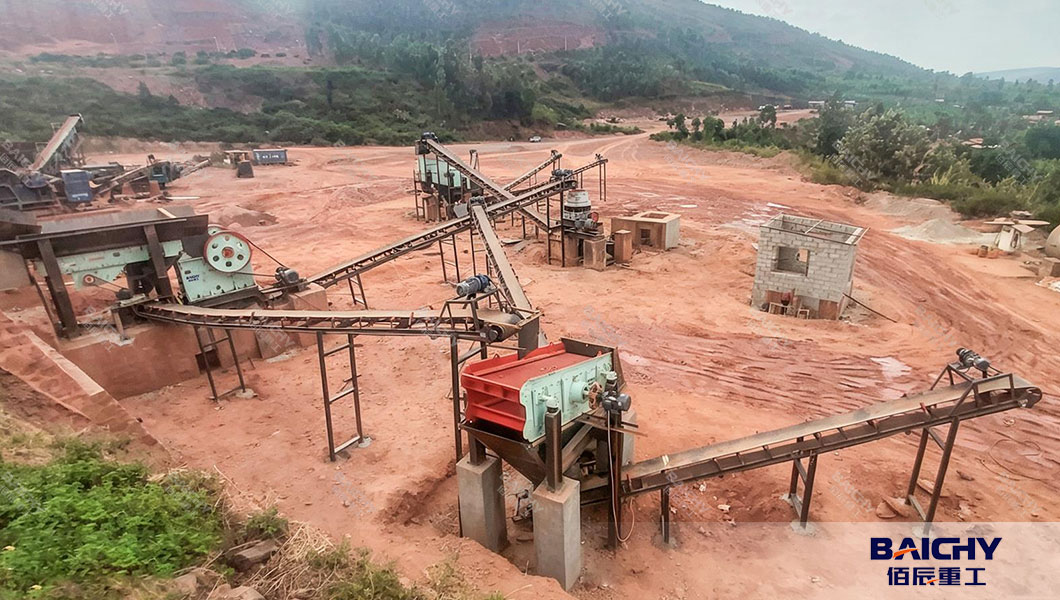
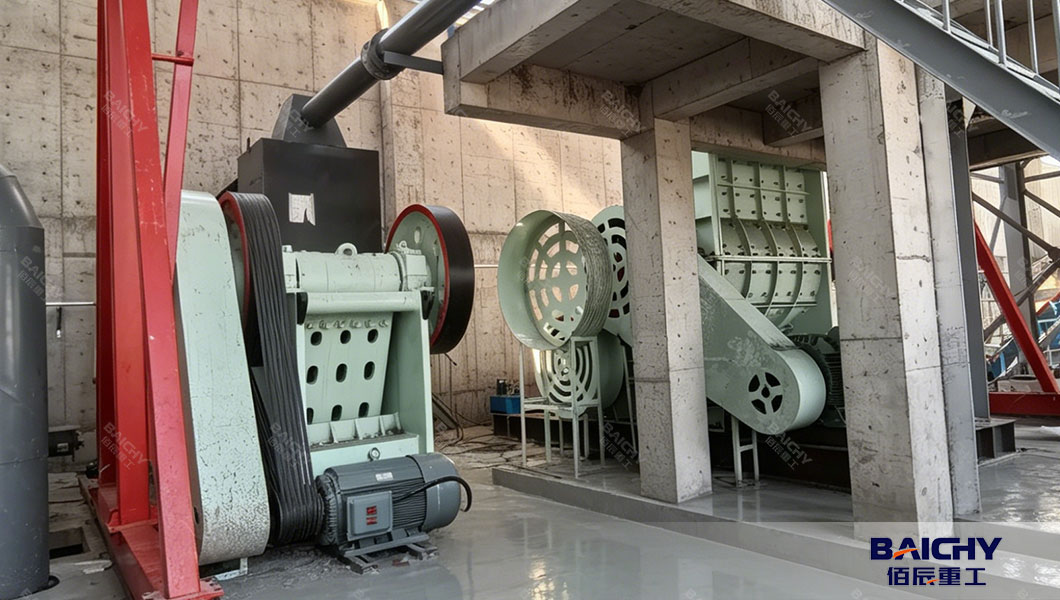
Stationary jaw crushers require complex, time-consuming civil works: pouring concrete foundations, building support structures, and leveling large areas—often taking weeks to months to set up. In contrast:
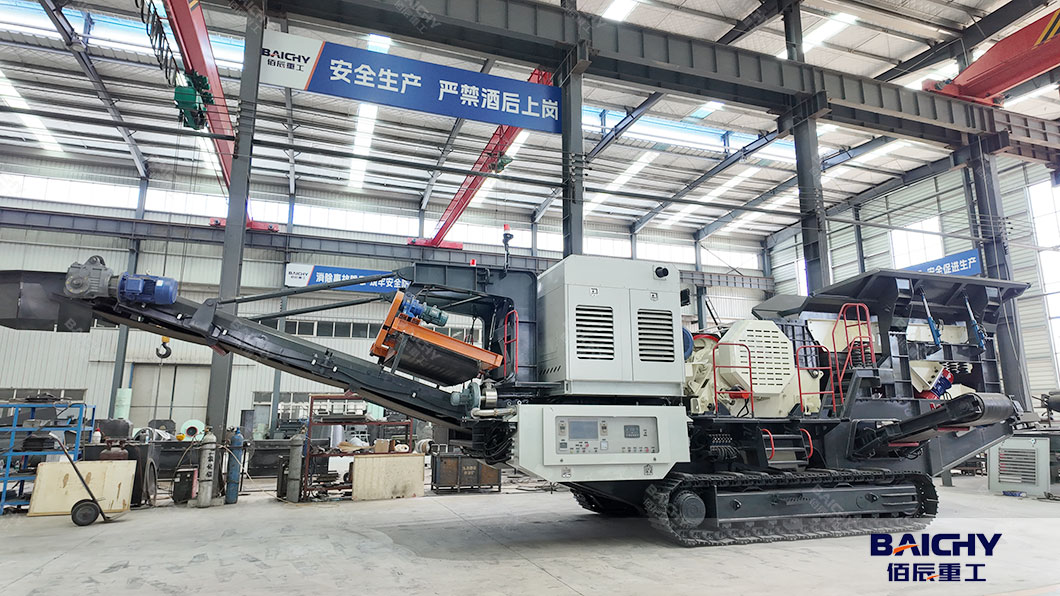
● Tracked jaw crushers integrate all functional systems (feeding, crushing, conveying, screening) into a single tracked unit. They need no permanent foundations—simply arrive at the job site, complete basic debug (1–2 days on average), and start production immediately.
● This eliminates foundation costs and cuts project launch time by 80% or more—critical for time-sensitive projects like emergency road repairs or demolition waste processing.


2. On-Site Crushing: Eliminate Material Transportation Costs

Stationary crushers force operators to haul raw materials (e.g., rock, construction waste) from extraction sites to the fixed plant—a major expense. Tracked jaw crushers solve this by moving to the material:

● For example, processing construction waste at a demolition site with a tracked crusher eliminates the need to transport 100+ tons of debris per day to a distant stationary plant.


3. Superior Mobility: Access Rough & Remote Job Sites

Stationary crushers are confined to flat, prepared land—unusable in mountainous mines, wet quarries, or narrow urban construction zones. Tracked jaw crushers, with their heavy-duty rubber crawler chassis:
● Navigate uneven terrain (slopes up to 20°), mud, gravel, and rocky ground with ease. They can reach remote mining sites or tight urban areas where stationary equipment cannot be installed.


4. Lower Operational Costs: Less Labor, Maintenance, & Energy Waste

Tracked jaw crushers streamline operations to reduce ongoing expenses—an area where stationary crushers struggle:
● Reduced labor: Equipped with PLC control systems and one-button operation, tracked models need only 1–2 on-site workers (vs. 3–4 for a stationary line).
● Simpler maintenance: Tracked units have fewer scattered components (no separate conveyors or feeders to maintain) and easy access to wear parts (e.g., jaw plates). Maintenance time is shorter than stationary crushers, minimizing downtime.
● Dual power options: Many tracked models use both diesel engines and electric motors, with one-button switching. This allows operators to use cheaper electricity at fixed sites or diesel for remote work.


5. Flexibility for Dynamic Needs: Customizable & Scalable

Stationary crushers are designed for fixed capacities and material types—hard to adapt if project needs change. Tracked jaw crushers offer flexibility:

● Customizable configurations: Users can swap jaw crusher models or add secondary crushing/screening modules (e.g., impact crushers for fine aggregates) to match material hardness (limestone vs. granite) or output requirements.

● Scalable for small-to-large projects: A single tracked crusher works for 50tph small quarries or can be combined with other tracked equipment (e.g., tracked cone crushers) for 200tph+ large-scale aggregate production—no need to replace the entire system.


6. Environmental Compliance: Lower Dust & Noise Pollution

Modern tracked jaw crushers are engineered for eco-friendliness—addressing a key pain point of stationary lines (which often generate unregulated dust and noise):
● Built-in dust control: Most models include pulse jet dust collectors and sealed conveyors, keeping dust concentrations below 10mg/m³ (meeting EU EPA and Chinese GB standards).

● Reduced noise: Rubber tracks and enclosed engine compartments lower operational noise by 10–15dB compared to stationary crushers—critical for urban projects or residential areas.

● Waste recycling support: They efficiently process construction waste (concrete, bricks) into reusable aggregates, reducing landfill use and the need for natural resource extraction.


While stationary crushers still have a role in large, long-term fixed sites (e.g., permanent aggregate plants), tracked jaw crushers offer the agility and cost savings that modern material processing demands.Baichy Machinery is a well-known manufacturer and supplier of mining equipment, including stone crushers, sand making machines, mobile crushing plants, and other machinery for various industries. Baichy Machinery has gained a reputation for producing high-quality equipment that is reliable, efficient, and durable. Welcome to consult online to get your exclusive crawler mobile stone crushing plant solution.

Maybe you are interested in