Home About us
Products
News
Solution
Video Service Contact us
Home  /  News

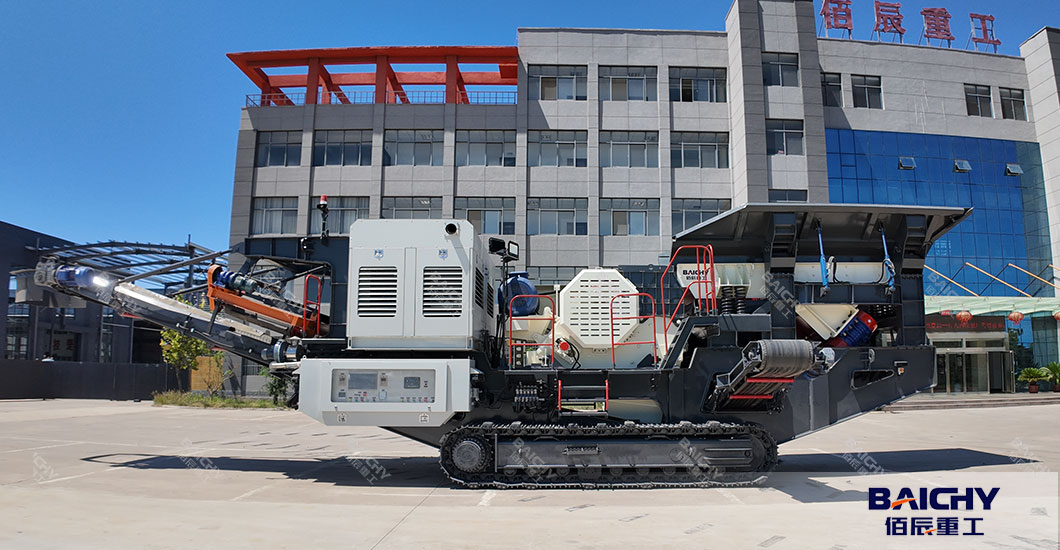
The mobile jaw crusher machine is used for several applications: debris recycling, demolition, and construction waste. The recycling plants process debris arising from debris removal works. This debris consists predominantly of concrete (reinforced and plain), masonry, and stone. Some pollutants may arise from the demolition and site clearing works, typically metal, wood, and interior household objects, which the debris removal teams will separate.


Debris-Recycling-Machine-Mobile-Jaw-Crusher-Plant-01.jpg


The recycled products from the recycling plants are primarily intended for use in the repair of secondary roads, as well as for sub-base and coarse base materials in infrastructure, filter media and bedding for infrastructure, pipes, and backfill and engineering fill materials.

The mobile jaw crushing plants are self-propelled mobile (i.e., diesel-driven on their own tracks) to allow movement along streets and between damaged building plots. The recycling machines are completely self-contained units, including their own power supply (diesel engine) and all other necessary equipment required to operate as a crushing and screening plant.


Baichy Mobile Jaw Crusher Plant Structure:

Mobile jaw crusher that can operate in the most demanding applications such as reinforced concrete, bricks, construction and demolition waste, asphalt, and rock. Hydraulically adjustable CSS (closed side setting) for various applications, and Hydraulic-driven reverse crushing action to clear blockages and crush asphalt.

Hopper:
   ○ Material:Wear-resistant steel plate with braced steel sections.
   ○ Function: Vibrating grizzly feeder for fines removal move by teeth belt. Auto feeder speed to ensure consistent feed.
   ○ Hopper capacity: Minimum 6 m3
   ○ Speical: Reinforced loading hopper with hydraulic foldable covers for quick step and wear-resistant liner plates.


Feeder:
   ○ Feeder: High-capacity, vibrating, variable-speed step grizzly feeder and system controlling the feeder drive to ensure a continuous and uninterrupted crushing operation
 

Power System
   ○ Engine power:Diesel, 220–300 kVA [Capability to operate on diesel or electric power]

   ○ Cooling system: Water


Bypass Belt: The pre-screen separates fine material; depending on user needs, material can be fed directly to the central belt via a flap or discharged directly through the bypass belt [This option should be available].


Magnetic Separator: Should be available with the best quality and matched with the global standard.


Main Conveyor: Hydraulic raise/lower feature to increase clearance for discharging iron rods in recycling applications.


Chassis: Heavy-duty welded frame on a tracked chassis.


Control System: Should be a highly efficient hydraulic and electric system that provides superior control.


Easy and Safe Operation: Radio remote control should be available.


Jaw adjustment: Hydraulic


If you’re in the market for a debris recycling machine, prioritize mobility, efficiency, and environmental compliance—and a mobile jaw crusher plant checks all these boxes. Welcome to contact us to get crushing solution for you.


Debris-Recycling-Machine---Mobile-Jaw-Crusher-Plant-03.jpg


People Also Frequently Asked For - FAQ

Q1: What debris can a mobile jaw crusher handle?

A: Construction waste, mining tailings, hard rock, MSW, and disaster debris—including mixed materials with steel (with magnetic separators).


Q2: How long to recoup the investment?

A: 6–18 months, depending on usage. Large-scale users (50+ tons/day) often recoup in 1 year via hauling savings and aggregate sales.


Q3: Need specialized training to operate it?

A: No. Intuitive controls and automatic feeding let operators master basics in hours—only basic safety awareness is required.


Q4: What’s its max capacity, and is it for large projects?

A: 10–200 tons/hour. Larger models (100+ tons/hour) work for large-scale projects like highway construction or mining.


Maybe you are interested in