The steel industry produces millions of tons of blast furnace slag every year. In the past, this material was just dumped as useless industrial waste. Today, a modern GGBS grinding plant transforms this exact waste into a highly valuable, eco-friendly building material. This complete guide will explain what GGBS is, how the production line works, and how to choose the best grinding equipment.
What is GGBS (Ground Granulated Blast-Furnace Slag)?
GGBS stands for Ground Granulated Blast-Furnace Slag. It is created when molten iron slag from a blast furnace is rapidly quenched with water or steam. This fast cooling forms glassy, sand-like granules. Once thoroughly dried and ground into a very fine powder, it becomes a powerful binder. It possesses strong latent hydraulic properties, making it a perfect replacement for ordinary cement.
GGBS application
GGBS is primarily a binder used as an addition to cement which uses the latent hydraulic properties of GGBS to produce Portland blastfurnace cement (6-35% of GGBS) or blastfurnace cement (36-90% GGBS) produced by blending at the concrete mixer, or as a factory blend at the cement factory. As a new admixture of high performance concrete, GGBS powder has the advantages of improving the compressive, tensile, shear, bending and other properties of concrete.
Why Invest in a GGBS Production Line?
1. Environmental Sustainability
Investing in a GGBS plant drastically reduces the carbon footprint of cement production. Producing standard clinker releases massive amounts of CO2 into the atmosphere. By replacing a large portion of clinker with ground slag, you save energy and protect the environment. Furthermore, it permanently solves the heavy ecological burden of stockpiling steel plant waste.
2. Enhanced Concrete Performance
Adding GGBS makes concrete much stronger and incredibly durable. It significantly lowers the hydration heat, which prevents dangerous thermal cracking in massive structures. Moreover, this unique slag powder provides excellent resistance against sulfate and chloride attacks. This makes it the ultimate building material for bridges, marine structures, and harsh underground environments.
3. High Economic Return
Transforming cheap industrial waste into a premium product guarantees a fantastic return on investment. The global demand for green building materials is skyrocketing right now. By setting up a dedicated slag grinding plant, steel mills and cement factories can create a highly profitable new revenue stream. It essentially turns a massive disposal problem into pure, continuous profit.
The Complete Process of a GGBS Grinding Plant
1. Slag Drying Stage
Water-quenched slag is naturally very wet, usually containing up to 15% moisture. It must be thoroughly dried before the grinding process begins. The wet material is fed directly into a heavy-duty rotary dryer. This machine quickly reduces the moisture content to below 1%. If the slag is not properly dried, it will stick inside the mill and severely ruin your grinding efficiency.
2. Iron Removal and Feeding
After drying, the granulated slag is safely transported to a weighing feeder. However, raw blast furnace slag often contains hidden scrap iron. To protect the expensive grinding equipment from severe mechanical damage, a powerful magnetic separator is installed over the conveyor belt. This magnet effectively removes all stray iron pieces before the pure slag enters the main crushing unit.
3. Slag Grinding Stage
This is the absolute heart of the entire production line. The dry, iron-free slag enters the main grinding mill, where it faces intense pressure and heavy friction. Because blast furnace slag is exceptionally hard and difficult to grind, the machine must be incredibly powerful. It pulverizes the rough granules into a microscopic powder, achieving a high specific surface area.
4. Powder Selecting and Collecting
Once ground, the material flows into a dynamic powder separator. This smart machine classifies the particles by their exact size. The perfectly fine powder is collected by pulse bag filters and sent to the finished product silo. Meanwhile, any oversized, coarse particles are automatically rejected and sent right back into the grinding mill for another continuous round of crushing.
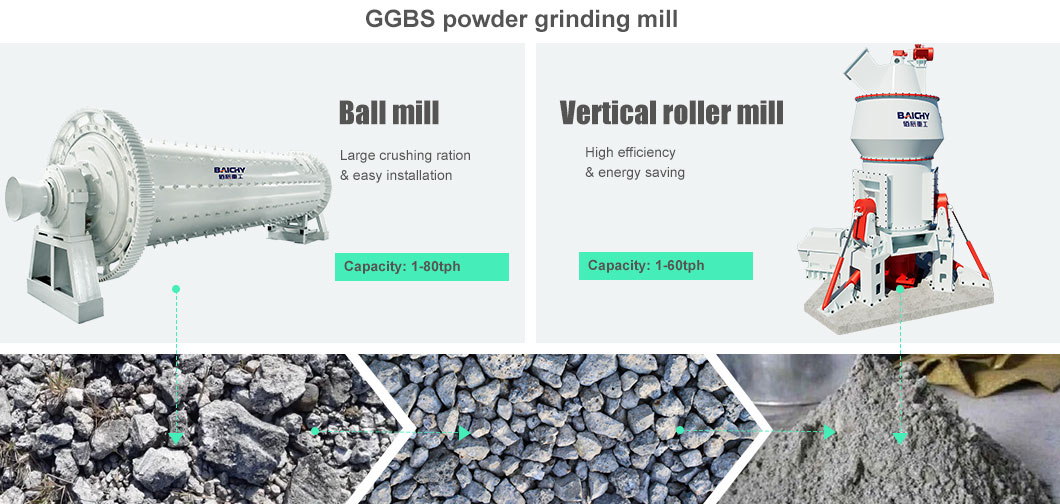
Core Equipment: Slag Vertical Mill vs. Ball Mill
Because blast furnace slag is highly abrasive and extremely hard to grind, choosing the right core machinery is vital for your plant's operational success.
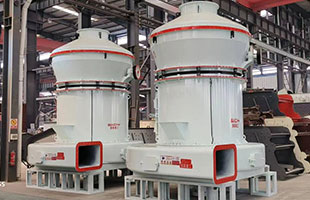
Slag Vertical Roller Mill
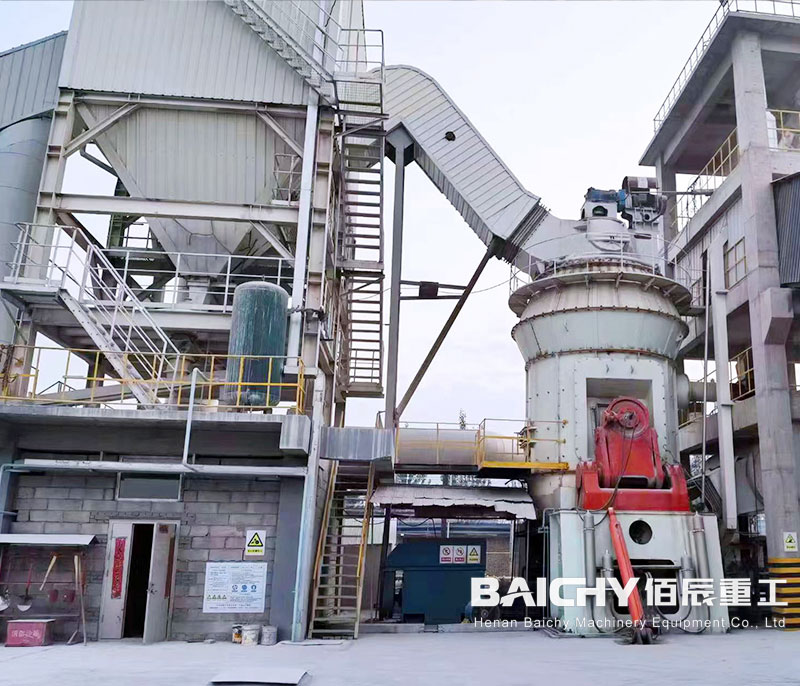
The vertical roller mill is the modern standard for large-scale slag processing. It masterfully combines drying, grinding, and powder separating into one single, compact machine. Its biggest advantage is massive energy efficiency. A vertical mill uses up to 40% less electricity than traditional equipment, making it the most profitable choice for high-capacity GGBS production lines.
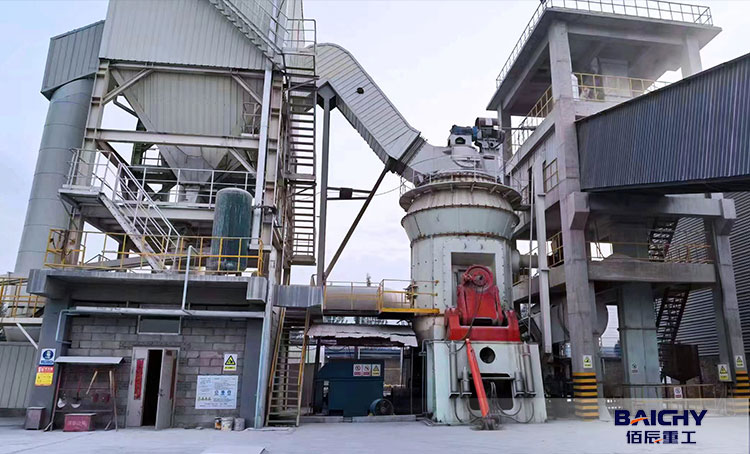
Slag is transported into the factory by truck and stored in the material storage area. The material is taken by a forklift, and after being measured by the hopper and quantitative feeder, it is directly sent to the vertical roller mill by a belt conveyor, and an iron remover is set on the conveyor for iron removal.
The slag after iron removal enters the vertical roller mill for grinding. The slag powder after drying and grinding is collected by the bag type dust collector and transported to the finished product bin by the air chute and elevator. The material discharged from the vertical mill is fed back to the vertical mill through the conveyor and elevator.
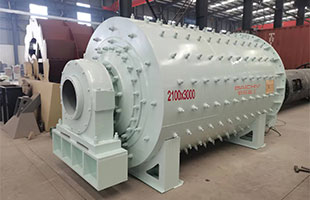
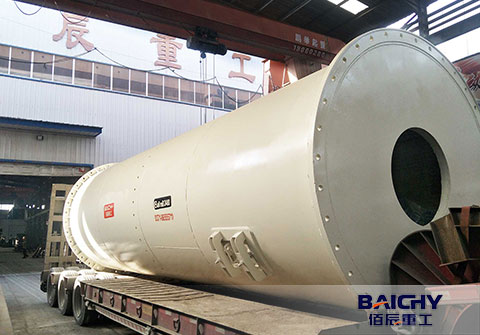
Slag Ball Mill
The traditional ball mill remains a highly reliable and budget-friendly option. While it consumes slightly more power, the initial equipment investment is much lower. Furthermore, ball mills often produce a better particle size distribution. This specific granular shape gives the final GGBS powder higher hydration activity, which is highly desired by many premium concrete mixing plants.
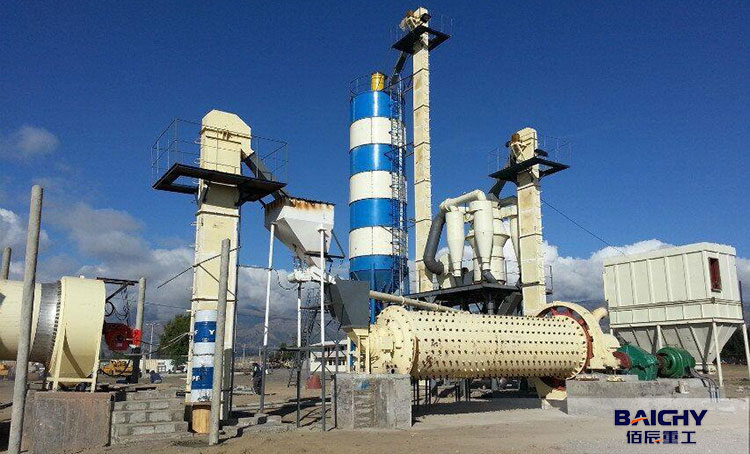
The slag is transported into the factory by truck and stored in the storage area. The material is taken by the forklift, and after being measured by the hopper and quantitative feeder, it is sent to the dryer by the belt conveyor for drying. The dried slag enters the ball mill for grinding. The ground mineral powder is sent to the powder selector for classification by the bucket elevator, and the qualified particle size is transported to the finished product bin by the air chute and elevator. The large-particle mineral powder returns to the ball mill for re-grinding. A dust collector is set at the discharge end of ball mill, and the fine powder collected by the dust collector is transported to the finished product bin by the air chute and elevator. The drying heat source is provided by the hot air furnace.
Well-designed GGBS grinding plant is the ultimate bridge between the steel and cement industries. It turns a heavy environmental liability into a highly lucrative green business. By selecting the right drying, crushing, and separating equipment, you can produce premium-grade slag powder that dominates the local construction market. Contact our expert engineers today for customized slag vertical mills, ball mills, and complete turnkey plant solutions tailored perfectly to your budget and capacity needs!
Frequently Asked Questions (FAQ)
Q1: What is the ideal fineness or Blaine surface area for GGBS powder?
A: To perform effectively as a strong cement replacement, Ground Granulated Blast-Furnace Slag (GGBS) needs to be ground very fine. The industry standard target for the specific surface area (Blaine fineness) is typically between 400 and 500 m²/kg. Grinding the slag finer than this increases its reactivity and early strength, but it also significantly raises your grinding energy costs.
Q2: Can I grind wet blast furnace slag directly without drying it first?
A: No, this is highly unadvisable. Blast furnace slag quenched in water usually contains 10% to 15% moisture. If you feed wet slag directly into a traditional ball mill, the material will turn into a thick mud, sticking to the grinding media and completely destroying the mill’s efficiency (a condition known as "mill choking"). It must be dried to below 1% moisture using a rotary dryer, or processed in a Vertical Roller Mill (VRM) that has built-in hot air drying capabilities.
Q3: How much GGBS can be used to replace ordinary Portland cement in concrete?
A: GGBS is a highly versatile binder. Depending on the specific construction requirements, it can replace anywhere from 30% to 70% (and sometimes up to 85% for massive specialized foundations) of the ordinary Portland cement in a concrete mix. Higher replacement levels are generally used when high resistance to chemical attack (like in seawater structures) and low heat of hydration are strictly required.




 2026-10-16





 86-15093113821
 86-15093113821