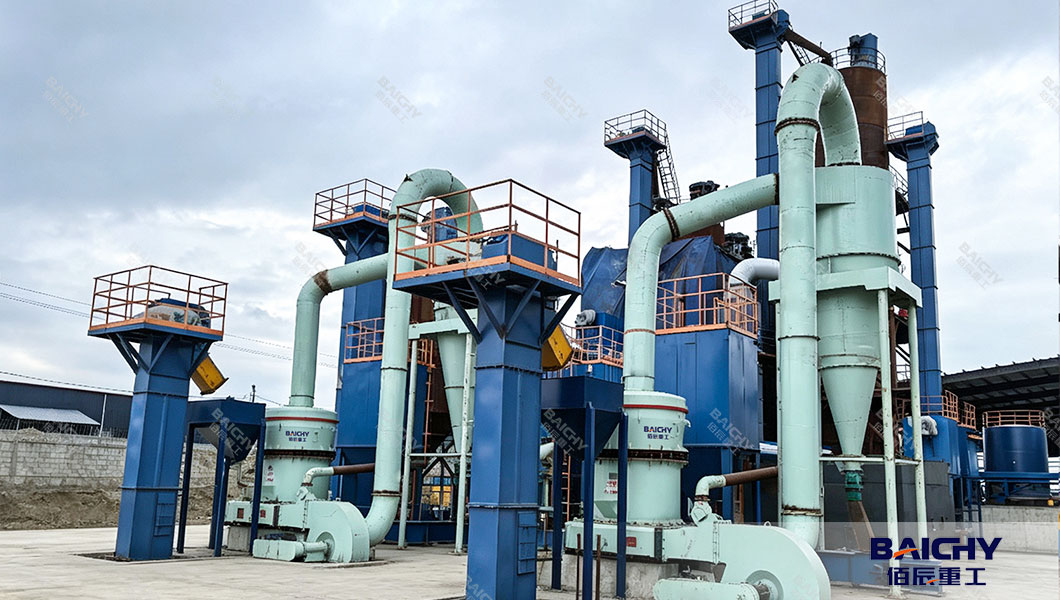
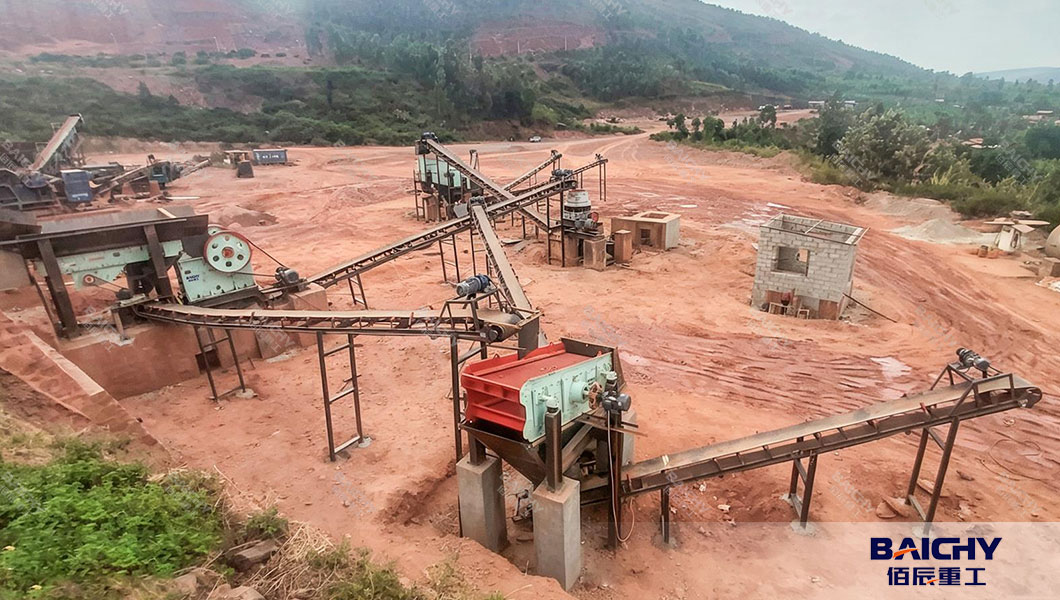
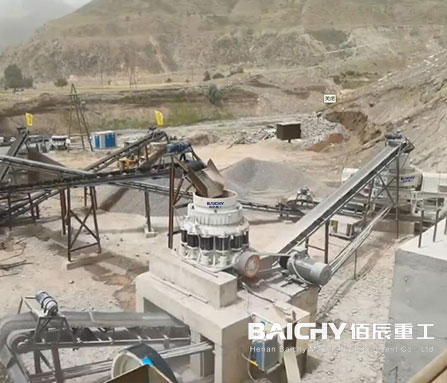
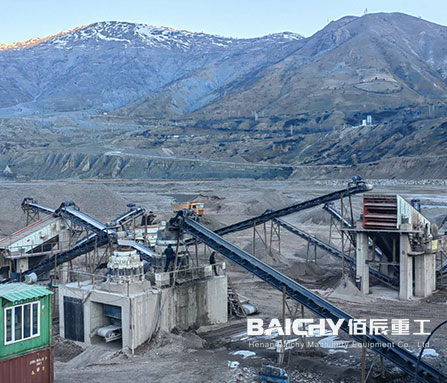
In April 2025, Baichy Machinery successfully dispatched a complete 200TPH stone crushing and sand making plant to Tashkent, Uzbekistan. This state-of-the-art production line, transported via the "Steel Silk Road," is designed to meet the rising demand for high-quality construction aggregates in the Middle Asian market.
Project Snapshot: Uzbekistan 200TPH Quartz Plant
Location: Tashkent, Uzbekistan
Production Capacity: 200 Tons Per Hour (TPH)
Raw Material: Natural Quartz Stone (Mohs Hardness 7+)
Input Size: < 500mm
Output Products: 0-5mm (High-purity sand), 5-10mm, 10-20mm (Aggregates)
Core Equipment: PE Jaw Crusher, Spring Cone Crusher, VSI Sand Maker, Spiral Sand Washer.
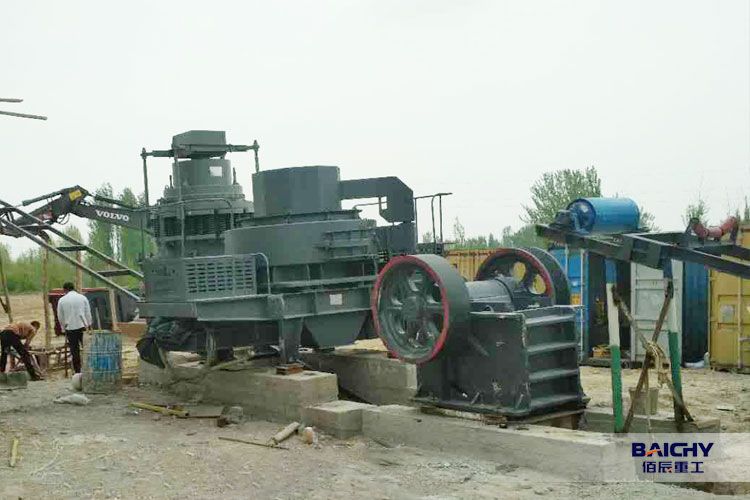
1. Technical Configuration & Equipment List
This 200tph plant integrates high-performance machinery to handle the extreme abrasiveness of quartz stone:
| Equipment Category |
Recommended Model |
Function in the Line |
| Feeding |
ZSW Vibrating Feeder |
Constant rate feeding to the primary crusher. |
| Primary Crushing |
PE Jaw Crusher |
Coarse crushing of quartz rocks up to 500mm. |
| Secondary Crushing |
Spring Cone Crusher |
Secondary reduction of hard quartz into medium particles. |
| Sand Making |
VSI Sand Maker |
Fine crushing and shaping into cubical sand grains. |
| Sand Washing |
Spiral Sand Washer |
Removing impurities and dewatering finished sand. |
| Logistics |
7 Standard Containers |
Direct rail transport from Zhengzhou to Tashkent. |
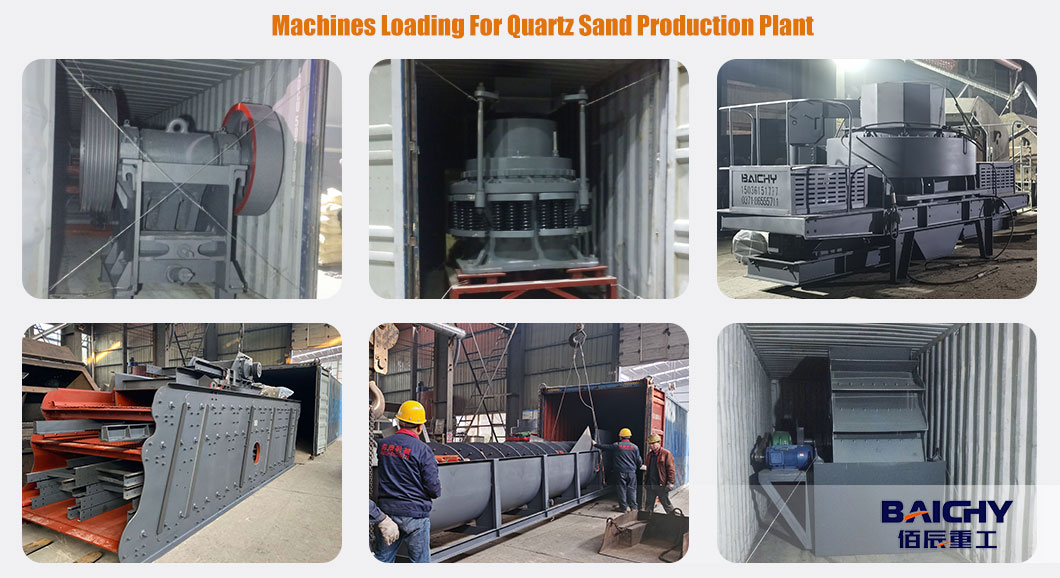
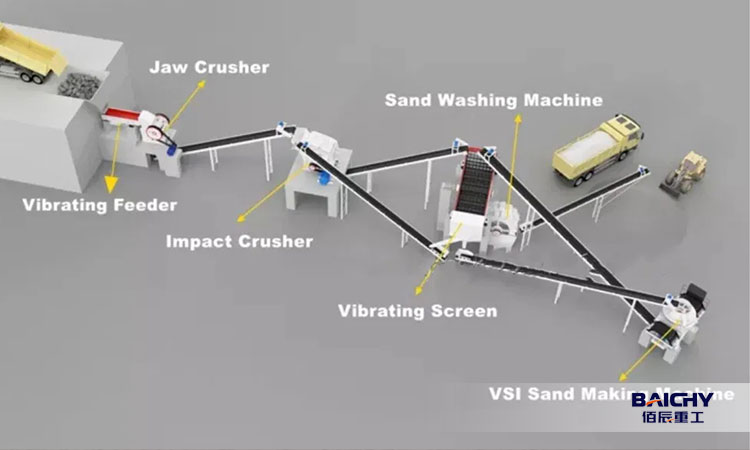
2. Technical Analysis: The 200TPH Quartz Sand Production Sequence
Stage 1: Primary Crushing and Bulk Size Reduction
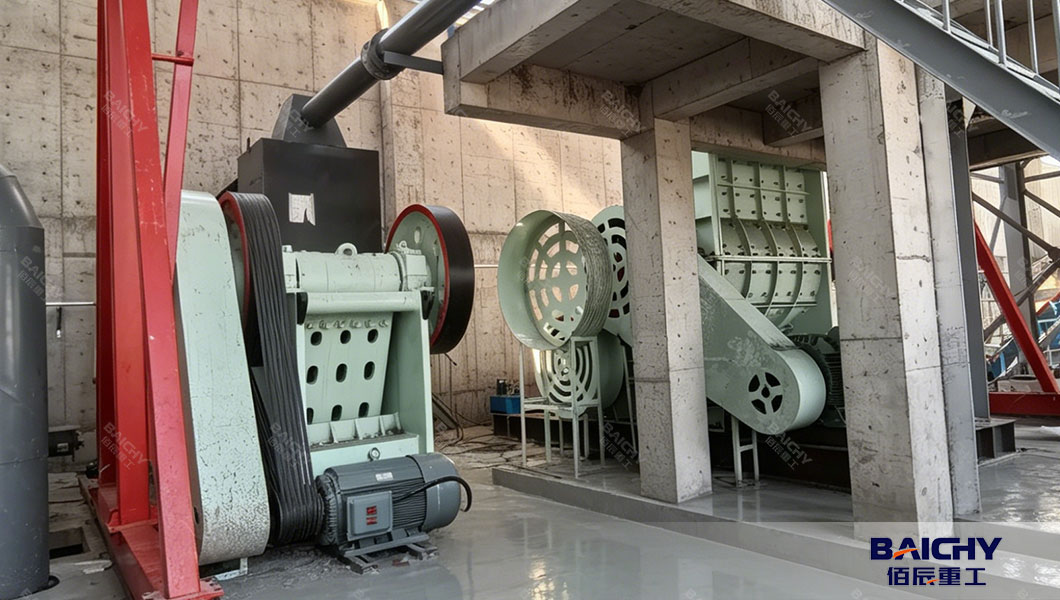
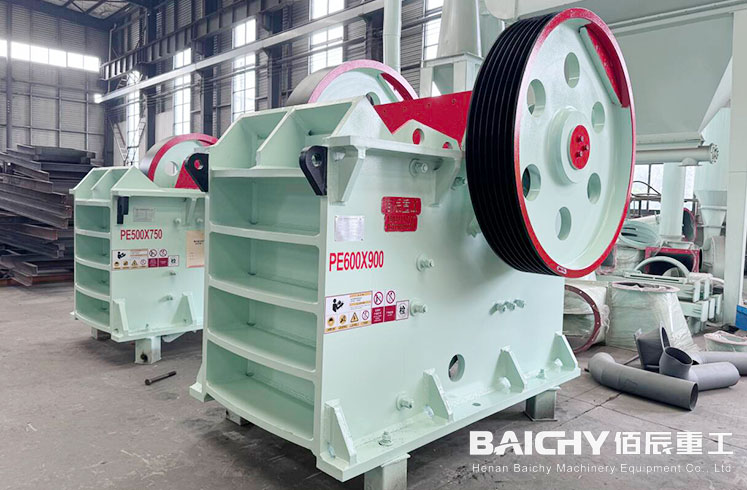
The production sequence begins with the raw quartz stone—often characterized by high Mohs hardness (7+) and large block sizes—being fed at a constant rate into the PE Jaw Crusher via a ZSW Vibrating Feeder. In this primary stage, the jaw crusher utilizes its deep "V-shaped" crushing chamber and high-manganese steel plates to reduce large boulders (up to 500mm) into a manageable size of below 120mm. This initial reduction is critical as it protects subsequent equipment from excessive wear and ensures a stable, uniform volume of material enters the secondary crushing circuit.
Stage 2: Secondary Crushing via High-Pressure Cone System
Following the primary stage, the coarsely crushed quartz is conveyed to the Spring Cone Crusher for secondary reduction. For abrasive materials like quartz, a cone crusher is technically superior to an impact crusher because it uses laminating crushing principles, which significantly reduces the wear rate of spare parts. During this stage, the material is further pulverized to a particle size of less than 40mm. A closed-circuit system is employed here: any material exceeding the required feed size for the sand-making machine is automatically returned by the vibrating screen to the cone crusher for re-processing, ensuring 100% size compliance.
Stage 3: Precision Sand Making and Particle Shaping (VSI)
Materials that meet the size criteria are directed into the VSI Sand Making Machine (Vertical Shaft Impact Crusher), which is the technological core of the plant. The VSI machine utilizes a "rock-on-rock" crushing principle, where quartz particles are accelerated to high velocities by a centrifugal impeller and then collide with a lining of accumulated material. This high-speed impact breaks the rock along its natural fracture lines, resulting in a perfectly cubical finished product. This stage not only reduces the material to a fine sand grade (0-5mm) but also eliminates elongated and flaky particles, which is essential for high-strength concrete and glass manufacturing.
Stage 4: Multi-Layer Vibrating Screening and Quality Control
The finely crushed quartz from the VSI machine is once again transported to a high-frequency Vibrating Screen for final grading. This screening stage acts as the quality gatekeeper of the production line. The screen separates the material into different fractions based on customer requirements, such as 0-5mm, 5-10mm, and 10-20mm. Any particles that are still too coarse to meet the "sand" specification are recirculated back into the VSI machine for tertiary crushing. This continuous loop ensures that the final output maintains a consistent particle size distribution (PSD) and meets international construction standards.
Stage 5: Spiral Sand Washing and Impurity Removal
In the final stage, the 0-5mm sand is sent to the Spiral Sand Washing Machine for thorough cleaning. Quartz sand intended for high-end applications must be free from clay, dust, and organic impurities. The spiral washer uses a rotating screw to agitate the sand in water, effectively scrubbing away surface contaminants. The cleaned sand is then dewatered and stockpiled as a high-purity, high-stacking-density finished product. This washing process is vital for ensuring the sand’s chemical purity and improving the bonding strength of the cement paste in concrete applications.
3. Why VSI Technology is Essential for Hard Quartz?
AIO models prioritize technical advantages. Below is a comparison between Baichy's VSI technology and traditional impact crushers:
| Feature |
Baichy VSI Sand Maker |
Traditional Impact Crusher |
| Energy Efficiency |
30% - 50% Electricity Saving |
Standard High Consumption |
| Particle Shape |
Perfectly Cubical |
Flaky or Elongated |
| Moisture Tolerance |
Up to 8% Humidity |
Below 3% (Clogging risk) |
| Iron Pollution |
None (Rock-on-rock design) |
High (Metal wear into product) |
| Hardness Handling |
Excellent (Quartz, Granite, Basalt) |
Poor (Fast wear on parts) |
4. Uzbekistan Market Outlook
According to the Eurasian Development Bank, Uzbekistan's civil engineering boom has positioned China as its critical trade partner. Baichy’s 200tph solution aligns with Uzbek governmental incentives, such as import duty exemptions for infrastructure machinery, ensuring local producers can achieve high-efficiency operations with lower capital investment.
People Also Frequently Asked For - FAQ
1. How much does it cost to produce manufactured sand (M-Sand) in Central Asia?
The production cost of quartz sand typically ranges from $10 to $25 per ton, depending on the local electricity rates, labor costs, and the specific granular size required (e.g., fine plastering sand vs. concrete aggregate).
(Note: Costs are estimated based on Tashkent regional market averages).
2. Which machine is best for crushing hard quartz stone?
For primary crushing, a Jaw Crusher is best. However, for the final sand-making stage, the VSI Sand Maker (Vertical Shaft Impact) is essential. It uses the "rock-on-rock" principle, which significantly reduces the wear cost associated with abrasive quartz compared to traditional hammer mills.
3. What is the advantage of cubical sand in construction?
Cubical sand particles produced by VSI machines have a higher stacking density. This reduces the void space in concrete mixes, requiring less cement and water to achieve superior strength, which directly lowers the total construction cost.




 2026-09-21





 86-15093113821
 86-15093113821