Madagascar is known as the world’s mining “museum” for its abundant mineral resources, with gold mining focusing on two primary types: placer gold and rock gold. Placer gold, often found in riverbeds and sediment deposits, is a top target for small-scale miners due to its accessible distribution and simpler processing needs. Recently, we partnered with a Malagasy miner to design a tailored gold processing plant solution for their placer gold operation—and the results highlight why customized, compact processing lines are transforming small-scale gold mining in the region.
Project Background: Placer Gold in Madagascar
The customer’s mine is located in a remote Madagascar region rich in placer gold, where gold exists as free-milling natural particles. Unlike rock gold, placer gold has a significant density difference from gangue (silica, sand, and other light materials)—a key characteristic that makes gravity separation the ideal processing method.
With a target capacity of 2 tons per hour (TPH), the operation needed a solution that was:
● Cost-effective: No expensive chemicals or complex infrastructure
● Portable: Adaptable to remote sites with limited access to power and roads
● Efficient: High gold recovery rates without compromising simplicity
● Easy to transport: Suitable for Madagascar’s logistics challenges
A complete, containerized gold processing line that fits all essential equipment into a single 40ft container—ready to ship, set up, and operate in weeks, not months.
Core Gold Mining Equipment: Tailored for Placer Gold
Gravity separation relies on specialized equipment that leverages density differences to separate gold from waste. For this 2 TPH plant, we selected proven, low-maintenance machinery that balances performance and affordability:
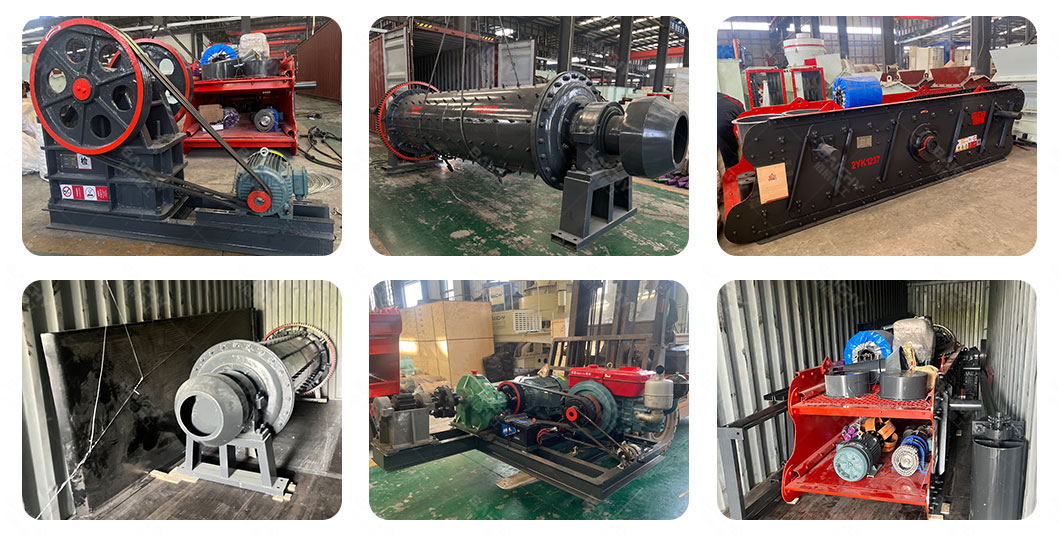
1. Jaw Crusher
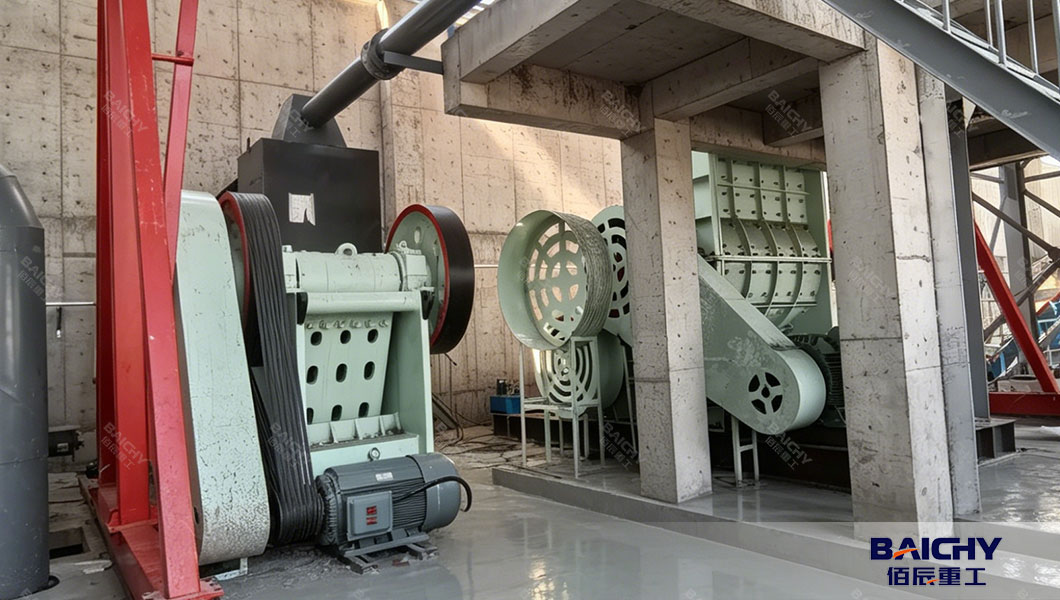
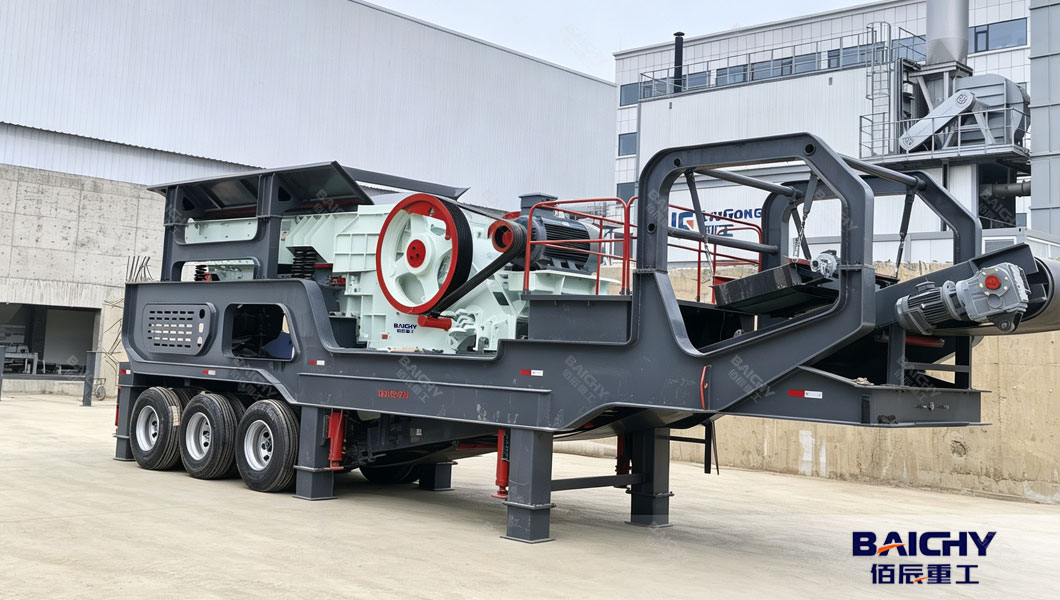
The jaw crusher serves as the primary crushing unit in this 2 TPH small-scale gold plant, designed to handle raw placer materials mixed with gravel, clay, and small rock pieces. It reliably reduces oversized feed into uniform small particles, creating consistent material flow for downstream grinding and separation. Sturdy, energy-saving, and easy to operate, it is perfectly suited for remote mining sites in Madagascar with limited maintenance support.
2. Ball Mill
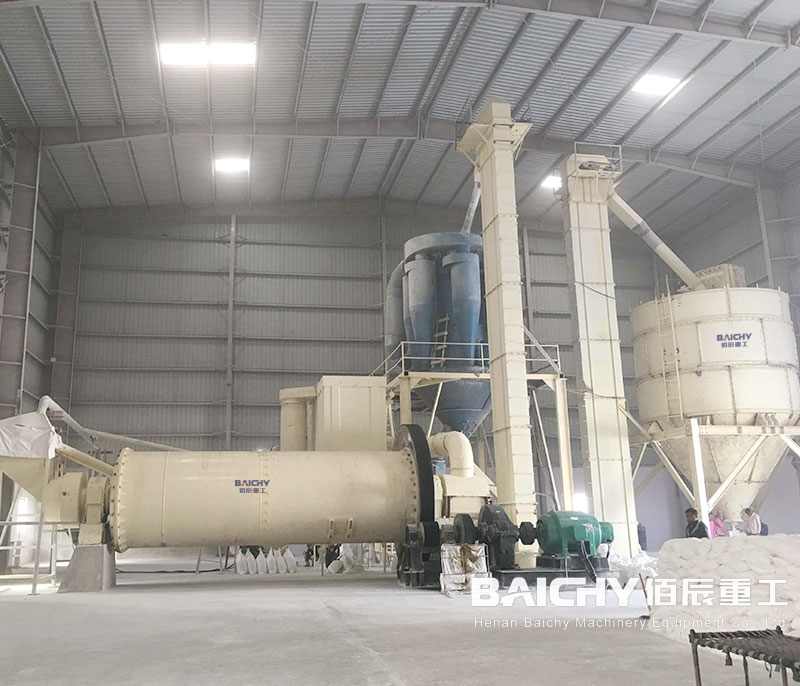
The high-efficiency energy-saving ball mill is responsible for fine grinding the crushed ore into a fine slurry, which fully liberates free gold particles from gangue minerals. Optimized for a 2 TPH processing rate, it grinds material to ideal fineness for gravity separation while keeping power consumption low. Its stable performance and long service life make it highly suitable for continuous small-scale gold production without frequent part replacement.
3. Spiral Classifier
The spiral classifier works closely with the ball mill to classify ground particles by size. It separates oversized particles from qualified fine slurry and sends coarse material back to the ball mill for re-grinding, ensuring only properly sized ore enters the gravity separation stage. This closed-loop system improves overall grinding efficiency, reduces energy waste, and helps achieve consistent particle size for higher gold recovery.
4. Gravity Separation Core Equipment
The gravity separation core equipment forms the key stage of gold extraction, combining a centrifugal gold separator, spiral chute, and shaking table to capture gold particles of different sizes. Using density differences between gold and gangue, this system achieves high recovery without using chemicals, making it economical and eco-friendly for placer gold mines. The spiral chute handles bulk pre-concentration, the centrifugal machine recovers fine gold effectively, and the shaking table produces clean, high-grade gold concentrate ready for final smelting.
Supporting components such as a vibrating feeder, water pump, and control panel ensure smooth, continuous operation, and the entire set is pre-assembled and installed inside a 40ft container for easy shipping and fast on-site deployment.
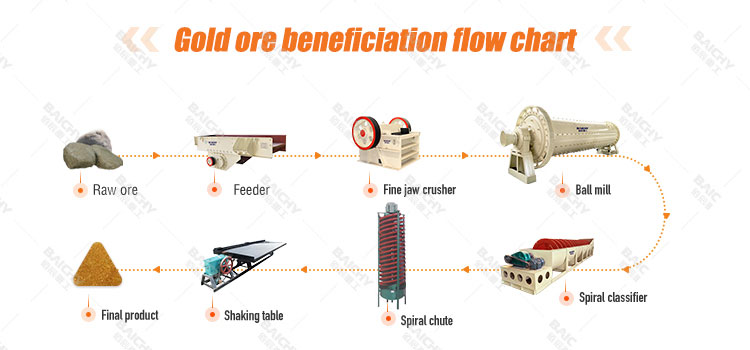
2 TPH Gold Processing Flow: Simple, Step-by-Step
The plant’s process is designed for efficiency and simplicity—no chemical additives, no complicated controls. Here’s how it works:
● Feeding & Crushing: Raw placer material (sand, gravel, and gold-bearing sediment) is fed into the jaw crusher via a vibrating feeder. It’s crushed to uniform 0–25mm particles.
● Fine Grinding: Crushed material moves to the ball mill, where it’s ground into a slurry to liberate free gold.
● Classification: The spiral classifier separates coarse particles (returned to the mill) from properly ground slurry.
● Gravity Separation:
○ Slurry first enters the spiral chute for bulk pre-concentration, capturing coarse and medium gold.
○ The centrifugal separator processes the chute’s output, recovering fine gold that might otherwise be lost.
○ Final concentrate goes to the shaking table, which cleans and upgrades the gold to high purity.
● Smelting: The cleaned gold concentrate is smelted into finished gold products (bars or ingots).
This flow ensures a gold recovery rate of 85–90%—far above the industry average for small-scale placer operations.
Ready to Start Your Placer Gold Operation?
Every gold mine is unique—your location, ore type, capacity needs, and budget all matter. Whether you’re mining placer gold in Madagascar’s riverbeds or rock gold in its interior, we don’t offer “one-size-fits-all” equipment. Our engineers design customized processing lines tailored to your exact conditions. Want to see the equipment layout diagram? Need a personalized quote for a 2 TPH (or larger) plant? Click here to connect with our online engineers—available 24/7 to answer your questions, assess your needs, and deliver a turnkey solution that maximizes your gold recovery and profits. Don’t let complex equipment or logistics hold you back. With the right tools, small-scale gold mining in Madagascar can be efficient, profitable, and sustainable.




 2026-09-14





 86-15093113821
 86-15093113821