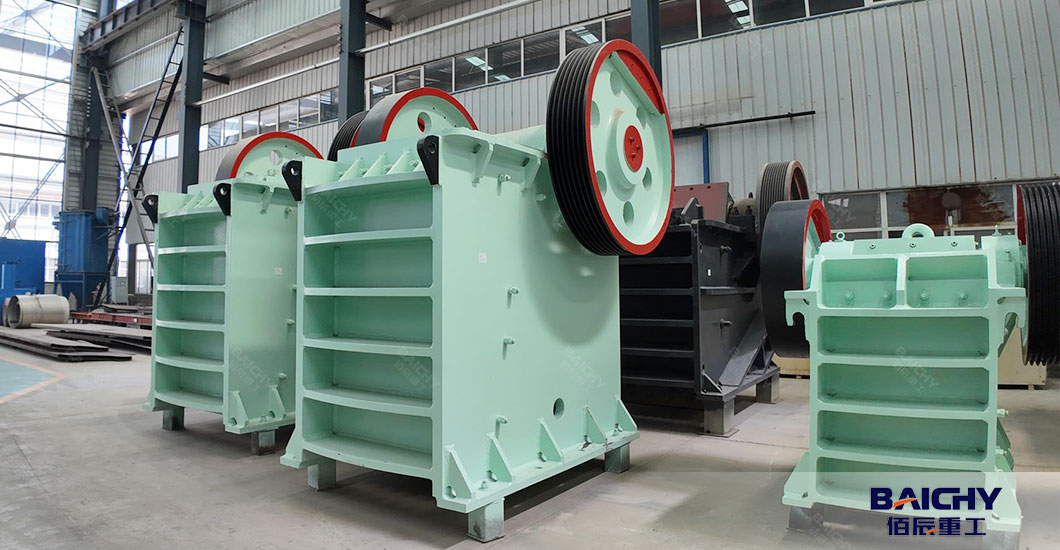
A cement crusher is a heavy-duty machine specifically designed to pulverize large blocks of waste concrete, cement slabs, bricks, and stones into reusable aggregate. As disposal costs in the construction and demolition (C&D) industry skyrocket, recycling directly on-site has become the most profitable and eco-friendly solution. This comprehensive guide explores how these powerful machines work, the different types available, and how to choose the perfect equipment for your specific project.
Why You Need a Cement Crusher for Construction Recycling
Eliminating Hauling and Landfill Costs
The traditional method of handling demolition waste is incredibly expensive. Contractors must pay for heavy dump trucks to haul broken cement away, and then pay steep tipping fees at the local landfill. By using a cement crusher directly on your demolition site, you completely eliminate these massive transportation and disposal costs. The waste never leaves your site, instantly saving you thousands of dollars in logistics and keeping your overall project strictly within budget.
Creating Profitable Backfill Material
Instead of throwing away old concrete, a cement crusher transforms it into a valuable commodity. The crushed cement chunks can be perfectly repurposed as high-quality road base, driveway gravel, or structural backfill for your own future projects. If you generate more aggregate than you actually need, you can easily sell this recycled material to other local contractors. This brilliant process essentially turns your useless demolition trash into a continuous, highly profitable revenue stream.
What Materials Can a Cement Crusher Process?
Reinforced Concrete and Cement Slabs
These rugged machines are built to handle the toughest materials, including high-PSI runway concrete and thick bridgedeck slabs. One of the biggest challenges in demolition is hidden steel rebar. Fortunately, modern cement crushers are equipped with powerful overband magnetic separators. As the machine crushes the reinforced concrete, the magnet automatically pulls out the valuable scrap wire and thick rebar, leaving you with a perfectly clean, ready-to-use pile of recycled aggregate.
Bricks, Asphalt, and Natural Stone
A high-quality cement crusher is not limited to just processing concrete. These versatile machines can easily chew through mixed demolition debris, including red clay bricks, old asphalt pavement, and natural quarry stones. Whether you are tearing down an old brick building or ripping up an outdated parking lot, the crusher handles the mixed materials effortlessly. This incredible versatility ensures your equipment never sits idle, maximizing your return on investment across various jobs.
Sidewalks, Curbing, and Pipes
Municipal demolition projects often produce awkwardly shaped waste that is very difficult to transport. Long sections of street curbing, broken sidewalk panels, and heavy concrete drainage pipes take up too much empty space inside a standard dump truck. Feeding these irregular municipal materials directly into an on-site cement crusher instantly reduces their volume. The machine safely breaks them down into uniform, easy-to-handle gravel that takes up a fraction of the original space.
Top Types of Cement Crushers for Sale
Mobile Tracked Impact Crushers
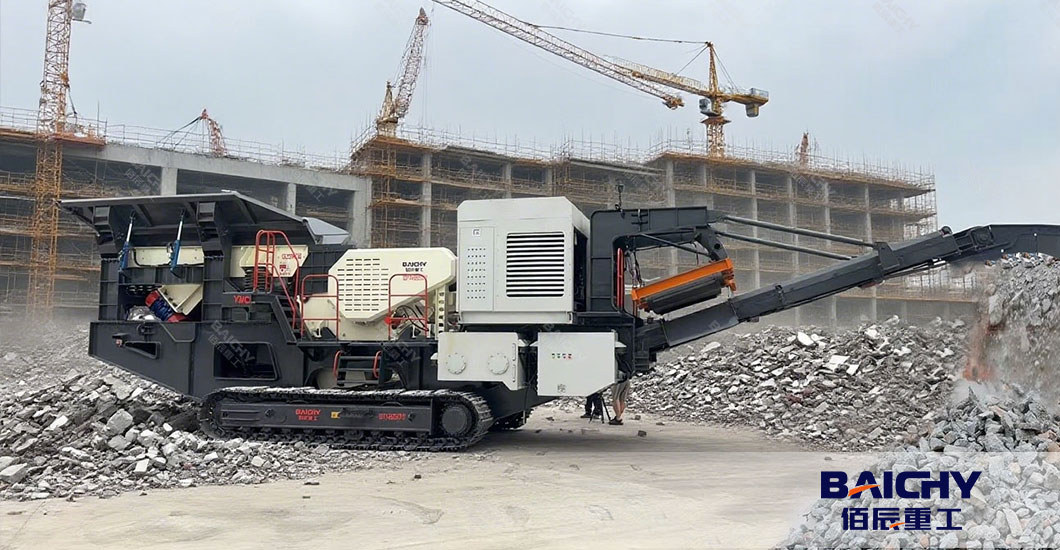
Tracked impact crushers are the absolute powerhouses of the recycling industry. Driven by their own diesel engines and mounted on heavy-duty crawler tracks, they can navigate rough demolition terrain with ease. They deliver massive daily throughput and produce a beautifully uniform, cubical aggregate. Impactors are especially excellent at processing cement with embedded steel rebar, making them the top choice for large-scale commercial demolition and professional recycling contractors.
Small Portable Jaw Crushers
For smaller urban projects with extremely tight spaces, a small portable jaw crusher is the ultimate solution. These highly compact machines are mounted on a wheeled chassis, meaning they can be easily towed behind a standard heavy-duty pickup truck. They are incredibly easy to maneuver into crowded city lots or residential driveways. Despite their small footprint, they provide aggressive crushing power to break down thick concrete blocks without the massive price tag of a tracked plant.
Skid Steer Concrete Crusher Attachments
If you only need to crush a tiny amount of material, you do not necessarily need to buy an entire standalone machine. Skid steer concrete crusher attachments are heavy-duty buckets that connect directly to your existing loader. They use the hydraulic power of your skid steer to slowly chew through concrete chunks. While their production capacity is very low (usually around 10 tons per hour), they are highly affordable and absolutely perfect for minor residential backfill jobs.
Case Study: Recycling Concrete with a Tracked Jaw Crusher
A recent urban demolition contractor faced massive landfill fees while tearing down an old concrete parking garage. To solve this, they rented a mobile tracked jaw crusher equipped with a magnetic separator. The excavator fed thick, rebar-laced cement slabs directly into the jaw. The crusher easily snapped the concrete, while the magnet cleanly extracted the steel. In just one week, they produced 5,000 tons of clean road base, saving $40,000 in disposal fees and selling the gravel for a profit.
How to Choose the Right Cement Crushing Equipment
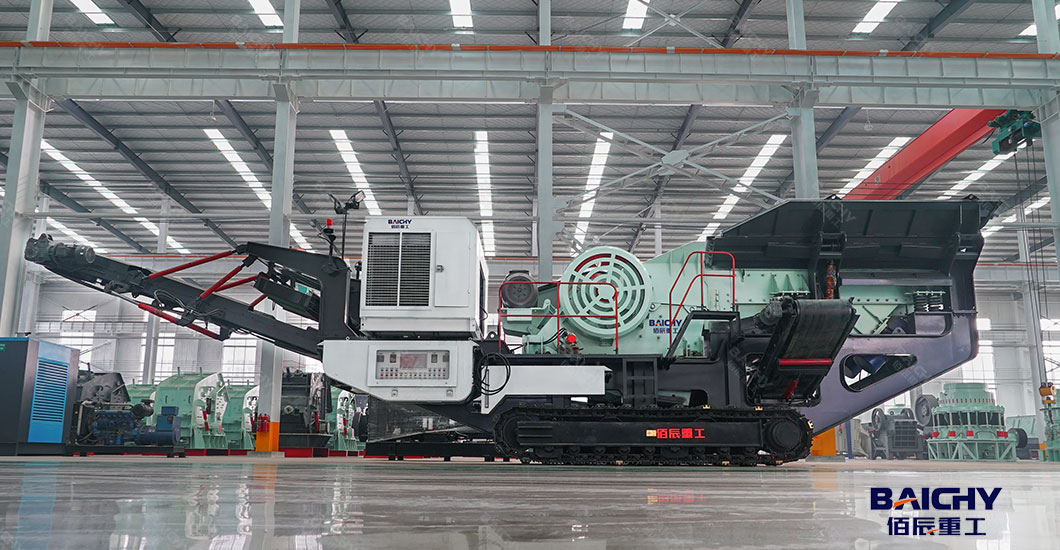
Selecting the right machine requires looking closely at your specific job site needs. First, evaluate your required production capacity; a massive commercial job demands a tracked plant, while a driveway needs a skid steer attachment. Second, consider the feed size and rebar content. If your cement is loaded with thick steel, ensure the machine has a magnetic separator. Finally, assess your site's space. Compact portable crushers are best for tight city streets with limited turning radius.
A cement crusher is much more than just a waste disposal machine. It is a powerful financial tool that literally turns your heavy demolition trash into cold, hard cash. By crushing and recycling on-site, you protect the environment while drastically boosting your contracting profits. Are you ready to completely transform your concrete waste management? Contact our expert engineering team today to find the perfect mobile or portable cement crusher tailored perfectly to your budget and capacity!
Frequently Asked Questions (FAQ)
Q1: Can a cement crusher handle concrete with steel rebar inside?
A: Yes. Professional jaw and impact crushers easily process reinforced concrete. As the machine crushes the cement, the embedded rebar is loosened. A powerful magnetic separator on the discharge belt then automatically pulls the scrap metal out, leaving you with 100% clean aggregate.
Q2: Do I need to break concrete slabs before feeding them into the crusher?
A: It depends on your crusher's feed opening. Large tracked crushers can swallow full slabs, but smaller portable units cannot. To prevent dangerous blockages and ensure a smooth operation, oversized slabs should always be pre-broken with an excavator hammer.
Q3: Does crushing concrete generate dust, and how is it controlled?
A: Yes, crushing dry concrete creates dust, but modern machines handle it safely. They come equipped with integrated dust suppression systems. Water spray nozzles mist the material at the crushing chamber and conveyor belt, instantly knocking dust out of the air to keep your site clean and compliant.




 2026-09-21





 86-15093113821
 86-15093113821