Home About us
Products
News
Solution
Video Service Contact us
Limestone Ball Mill Plant in Indonesia

Limestone Ball Mill Plant in Indonesia

Share
Capacity:         
Capacity: 5-8 tph
Output size:     
80-200mesh
Material:          
Limestone, feldspar, barite, clay, calcite, quartz
Configuration:

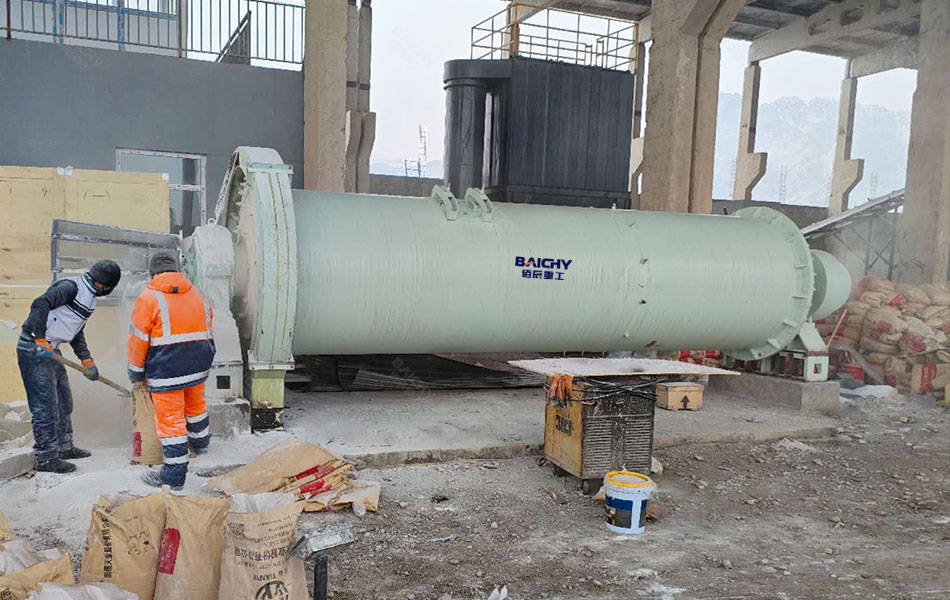
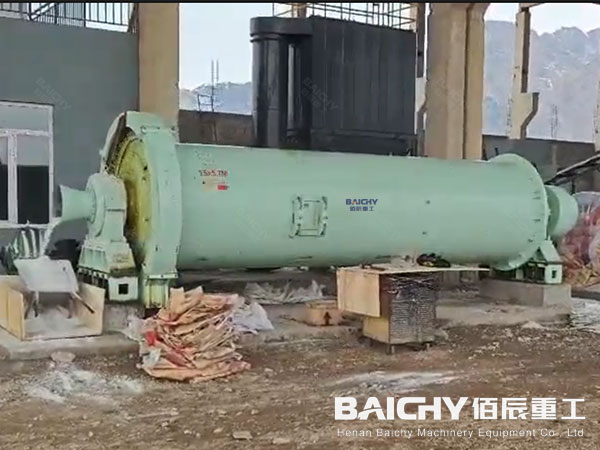
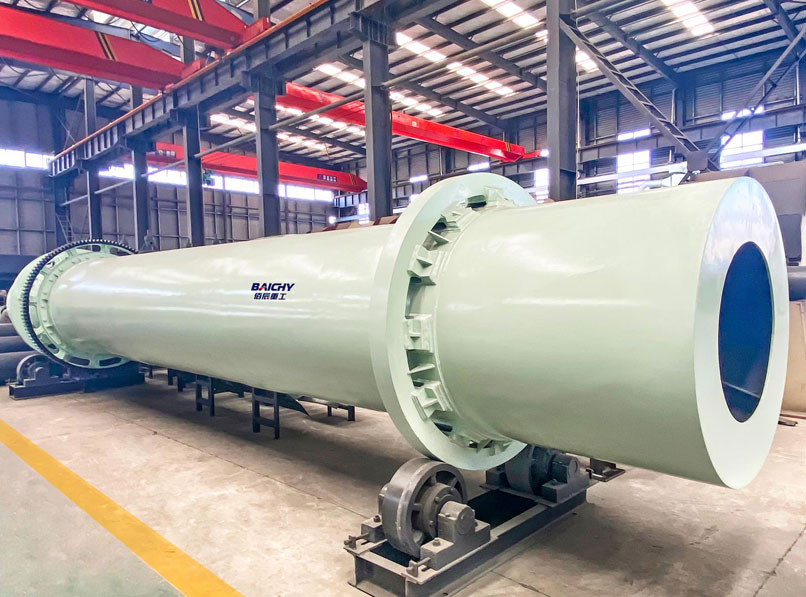
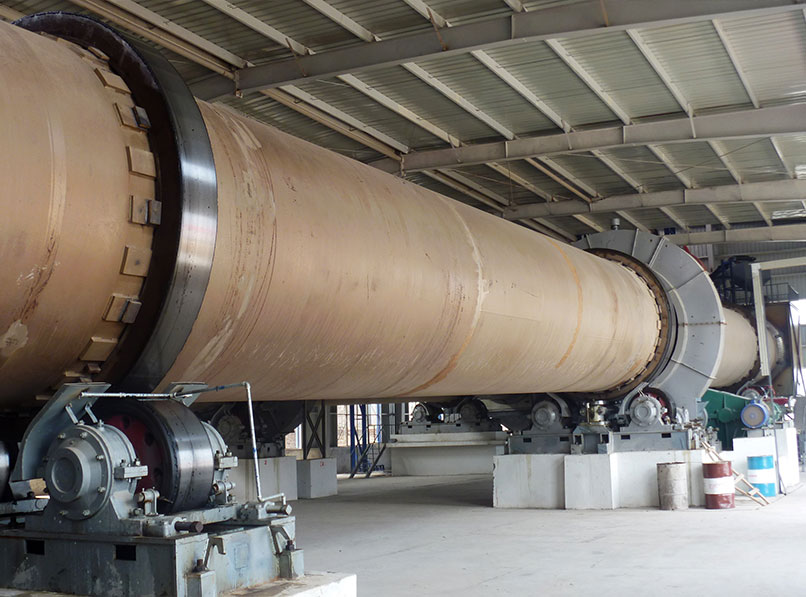
Dry ball mill 1500x5700, electro-vibrating feeder, transfer silo, DMC dust collector, bag filter 

Optimizing Limestone Grinding Ball Mill Plant

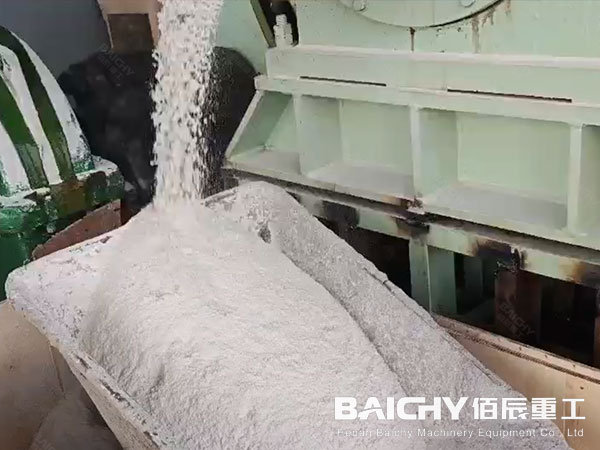
As infrastructure construction and industrial mineral demand continue to grow in Southeast Asia, Indonesia has become one of the important markets for limestone powder processing. To meet the increasing demand for high-quality limestone powder used in construction materials and industrial fillers, a customer in Indonesia selected Baichy Machinery to build a complete limestone grinding plant equipped with a 1500×5700 ball mill system. This project was designed for stable fine powder production with reliable operation under tropical climate conditions. The final limestone powder is mainly used in dry mortar production, building materials, and calcium carbonate applications.


The customer originally considered using a Raymond grinding mill. However, after analyzing the required output capacity, powder stability, and maintenance costs, Baichy engineers recommended a limestone ball mill solution.

Compared with traditional Raymond mills, the 1500×5700 ball mill provides:

   ● More stable production capacity for medium-scale industrial grinding
   ● Better adaptability to different limestone hardness levels
   ● Uniform particle size distribution
   ● Lower wear risk under continuous operation
   ● Easier integration with classifier systems for fine powder control

For Indonesia’s humid environment, the ball mill system also offers stronger operational stability during long production cycles.


The Process Flow: From Rock to Micro-Powder

The transformation of raw limestone into industrial-grade powder follows a rigorous four-stage circuit:

Stage 1: Crushing & Storage. Raw limestone is crushed to the optimal size for the ball mill. The crushed stones are then lifted into a storage silo, which acts as a buffer to ensure 24/7 operation.

Stage 2: Precision Feeding. Material is drawn from the silo via an electromagnetic or belt feeder. Consistency is key here; the feeding rate is synchronized with the mill’s load to maintain grinding equilibrium.

Stage 3: The Grinding Circuit. Inside the ball mill, the limestone is bombarded by high-chrome steel balls. As the cylinder rotates, the balls are lifted and dropped, crushing the material. The internal double-bin structure allows for coarse grinding in the first chamber and fine polishing in the second.

Stage 4: Classification & Collection. The ground powder is carried by airflow to the classifier.

    ● Qualified fineness (e.g., 200 mesh, 325 mesh) passes through to the cyclone collector.
    ● Oversized particles are rejected and sent back to the mill for another cycle (Closed-circuit grinding). 

Why Choose a Ball Mill for Limestone? (Key Advantages)

While there are many grinding technologies available (such as VRM or Raymond mills), the Limestone Ball Mill offers unique benefits:

1. Unmatched Product Consistency. The ball mill's long residence time ensures that every particle is subjected to the same grinding force, resulting in a very narrow particle size distribution—critical for high-end chemical applications.

2. Low Maintenance & High Durability. With fewer high-speed moving parts than impact mills, the ball mill experiences significantly less mechanical fatigue. The liners and grinding media are designed for 12–24 months of continuous use, reducing downtime.

3. Adjustable Fineness. By simply changing the ball charge ratio (the mix of large and small balls) or the classifier speed, operators can switch production between different grades of powder (from 0.074mm to 0.4mm) with ease.

4. Large Capacity for Industrial Scaling. Ball mills are the kings of volume. For projects requiring 10 to 100+ tons per hour, a ball mill provides a more stable and cost-efficient footprint than multiple smaller grinding units. 

Baichy Installation and Technical Support

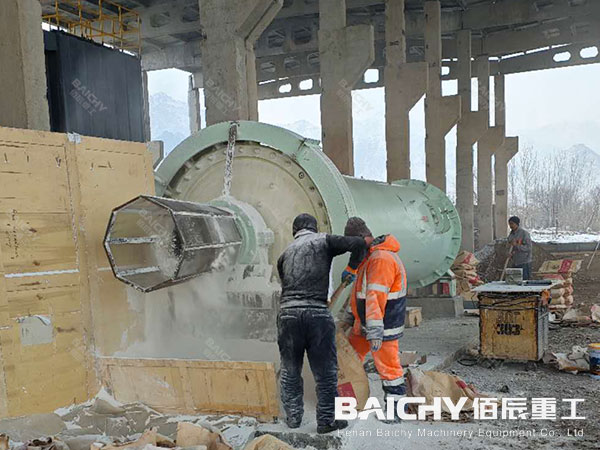
Baichy provided complete technical support for this limestone grinding project, including:

   ● Equipment layout design
   ● Foundation drawings
   ● Installation guidance
   ● Overseas commissioning support
   ● Operator training
   ● Spare parts supply

The Indonesian customer completed installation smoothly with remote engineering assistance from Baichy’s technical team.

Crushing Solutions Design

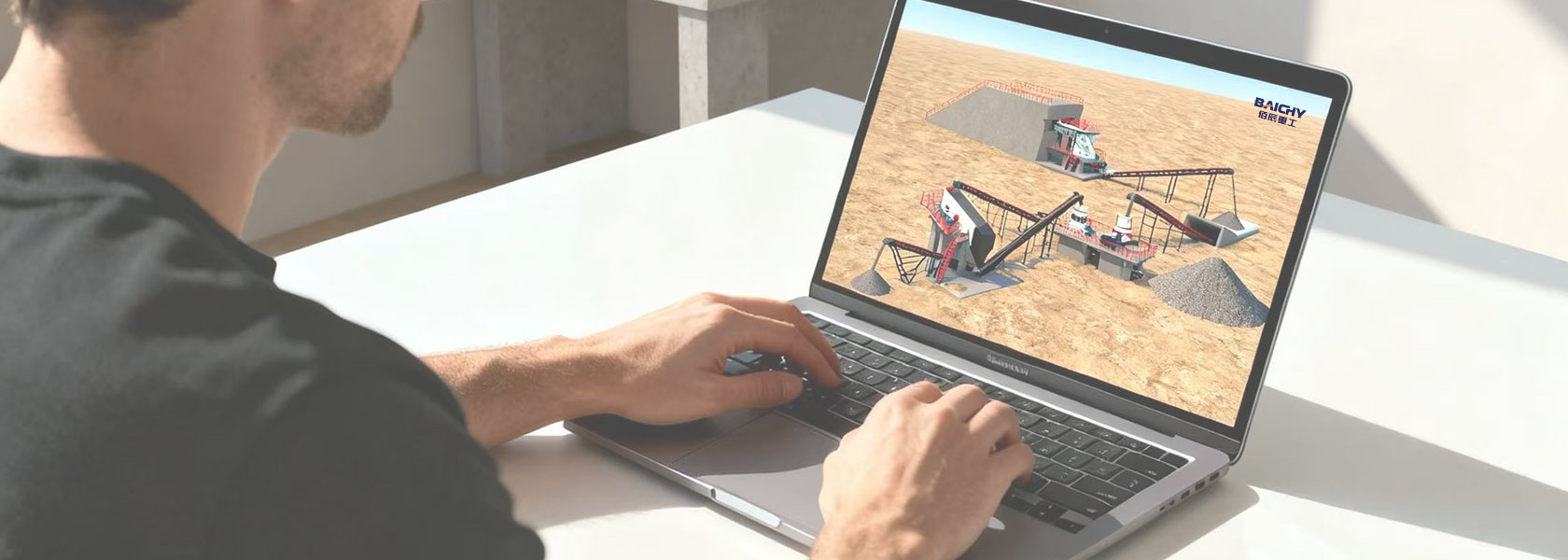
Baichy Machinery can customize a crushing plant for you based on the specific conditions of your project: such as the construction site, hardness of the raw materials, output, output size, budget, etc.

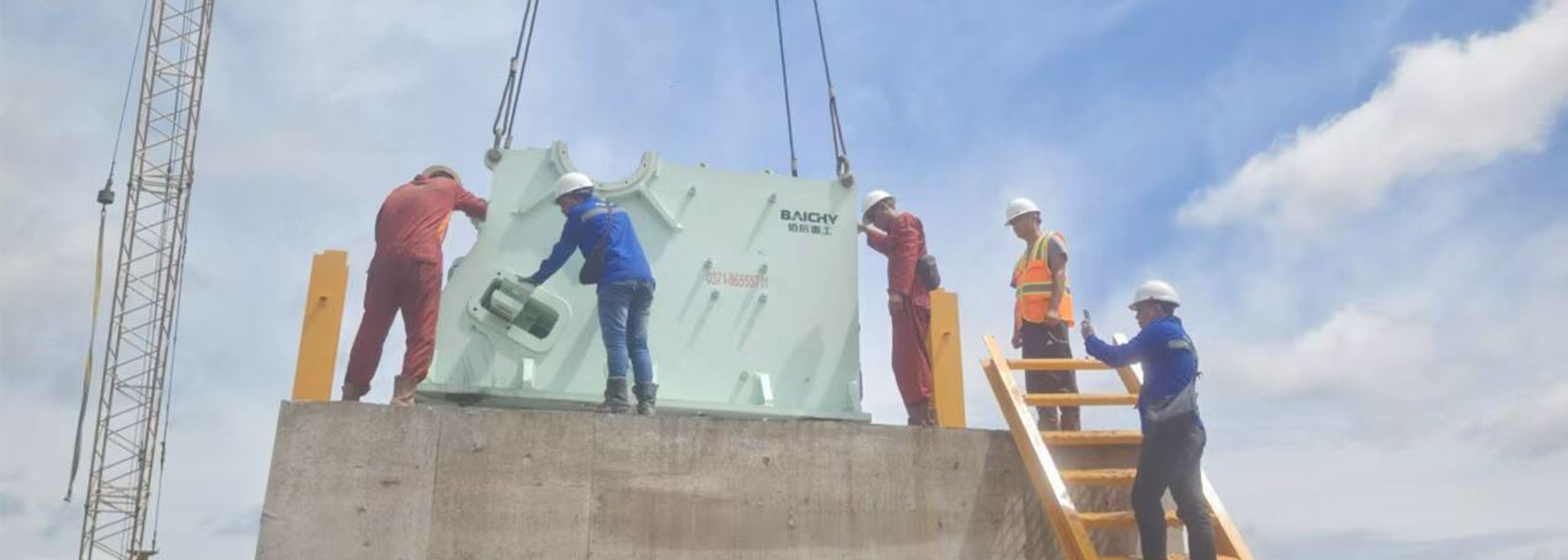
On-site Installation & Training

Our team provides on-site installation and thorough training to ensure safe operation of the crushing plant.

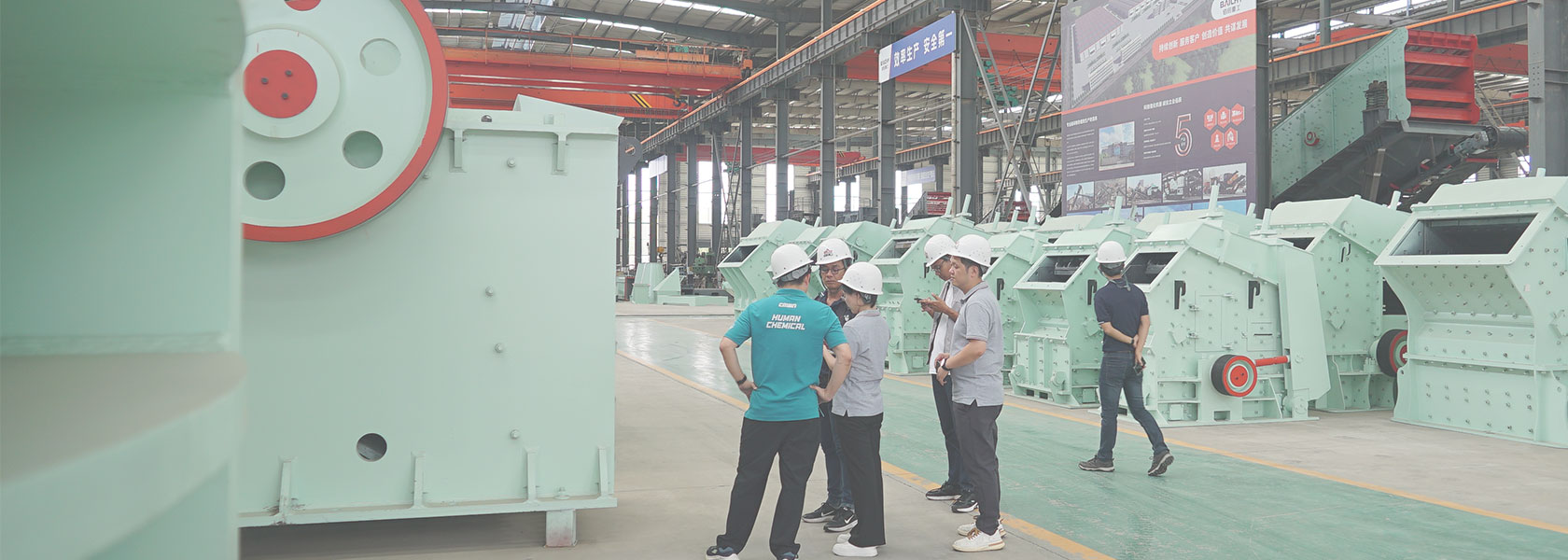
Quality Control & Global Delivery

Rigorous quality checks ensure compliance with standards, and we handle worldwide delivery to your location.

After-Sales Support

Baichy Machinery provides you with spare parts supply, project transformation, investment return analysis, etc.

Crushing Solutions Design
On-site Installation & Training
Quality Control & Global Delivery
After-Sales Support

Frequently Asked Questions (FAQs)

Find answers to the most common questions about Baichy Machinery. If you can’t find what you’re looking for here, please contact us.

1. What is a limestone ball mill used for?

A limestone ball mill is used to grind limestone into fine powder for industrial applications such as cement production, calcium carbonate processing, building materials, and dry mortar. It ensures uniform particle size and improves material reactivity.

2. What is the difference between wet and dry ball mill?

● Wet grinding: Limestone is mixed with water, reducing dust and helping with sticky or high-moisture materials. ● Dry grinding: Limestone is ground without water, which consumes less space and is more energy-efficient in certain conditions. The choice depends on the material characteristics and production requirements.

3. How do I choose right ball mill size for limestone grinding?

Ball mill size depends on: ● Desired production capacity (tons/hour) ● Feed size of limestone (usually ≤20 mm) ● Final powder fineness (mesh size) ● Available space and energy consumption Consulting with suppliers like Baichy helps select the optimal mill based on your specific application.

4. How to maintain a limestone ball mill?

● Regularly check and replace grinding media (steel balls) and liners. ● Monitor the motor, bearings, and transmission for wear. ● Keep dust collection systems clean. ● Ensure proper lubrication and alignment. ● Routine maintenance prolongs mill life and ensures consistent powder quality.
MAYBE YOU ARE INTERESTED IN