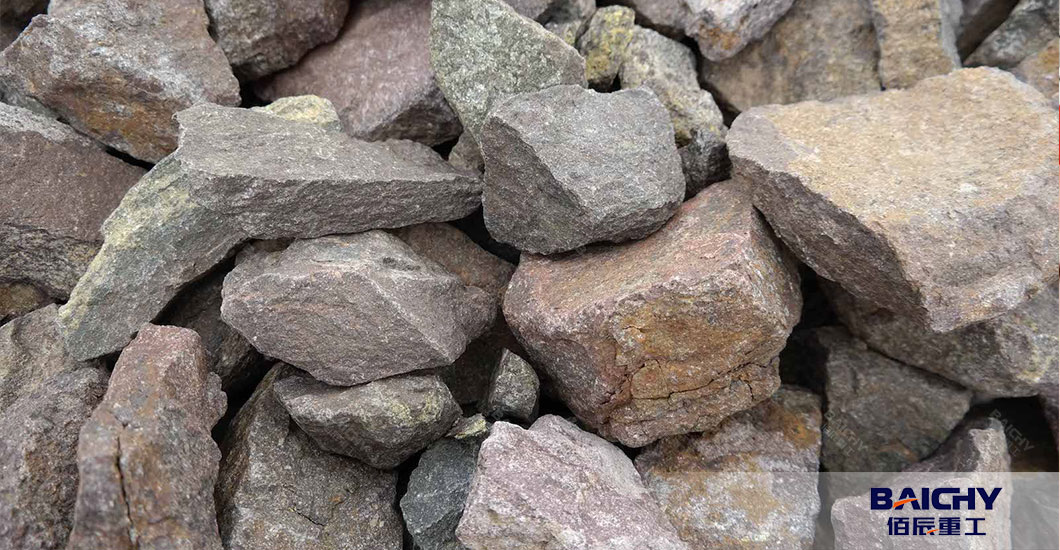
Basalt rock is one of the most commonly used hard rocks in modern construction. It is widely applied in highways, bridges, concrete production, railway ballast, and building materials because of its excellent strength and durability.However, basalt cannot usually be used directly after extraction. Large basalt blocks from quarries must be reduced into specific sizes through a professional crushing process.
So, how do you crush basalt rock efficiently?
The answer depends on the purpose of the final product. Producing coarse aggregate, road base materials, or manufactured sand requires different crushing methods and equipment combinations. A well-designed basalt processing system should consider the original rock size, hardness, required output, and production efficiency.
What Happens Before Crushing Basalt Rock?
Before basalt enters the crusher, quarry operators need to prepare the raw material properly. Basalt is usually extracted from open-pit quarries through drilling and blasting. After blasting, the large rock blocks are collected and transported to the crushing area. The size of these rocks can vary significantly, and some pieces may be too large for direct feeding into crushing equipment. Therefore, the first stage of basalt processing focuses on:
● Reducing oversized rocks into manageable sizes
● Removing unsuitable materials
● Ensuring stable feeding conditions
A consistent feed size helps the crushing equipment operate efficiently and reduces unnecessary wear.
Step 1: Feed Basalt Rock into the Crushing System
The crushing process begins with controlled feeding. A vibrating feeder is commonly used to deliver basalt rocks evenly into the crusher. Unlike manual feeding methods, an automatic feeding system provides a continuous material supply and prevents sudden overload. A properly designed feeding process helps to maintain stable crusher performance, improve production capacity, reduce equipment vibration and extend machine service life
For large basalt processing plants, uniform feeding is an important factor affecting overall efficiency.
Step 2: Break Large Basalt into Smaller Stones
The first crushing stage focuses on reducing large basalt rocks into smaller pieces that can be processed further. Primary crushing equipment needs to handle high impact loads because basalt is extremely hard and dense. The crusher selected at this stage should have sufficient crushing force and a large feeding opening. After primary crushing, basalt is reduced into smaller stones suitable for secondary processing. This stage determines the efficiency of the entire production line because it directly affects the workload of downstream equipment.
Step 3: Further Reduce Basalt Size According to Application Requirements
After the first crushing stage, the basalt material usually requires additional processing to reach the desired size. Different applications require different final products:
● Large aggregates for road foundation
● Medium aggregates for concrete production
● Fine aggregates for construction materials
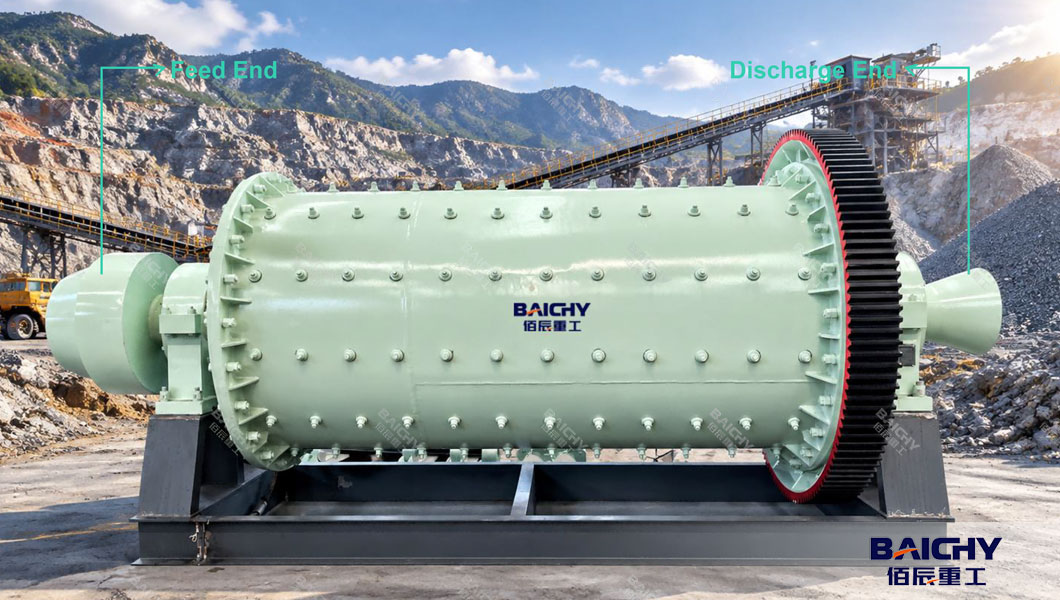
● Sand-sized particles for manufactured sand
For example, road construction may require strong and durable coarse aggregates, while concrete production may require more controlled particle grading. Therefore, the secondary crushing process should be designed based on the customer's final product requirements.
Step 4: Screen Crushed Basalt into Different Sizes
Crushing alone cannot produce qualified commercial aggregates. After crushing, basalt materials need to be separated according to particle size. A vibrating screen is used to classify crushed basalt into different grades.The screening process allows producers to obtain products such as:
● Fine aggregate
● Medium aggregate
● Coarse aggregate
Materials that do not meet the required size can be returned for additional crushing, improving resource utilization and maintaining consistent product quality.
Step 5: Produce Manufactured Sand from Basalt (Optional)
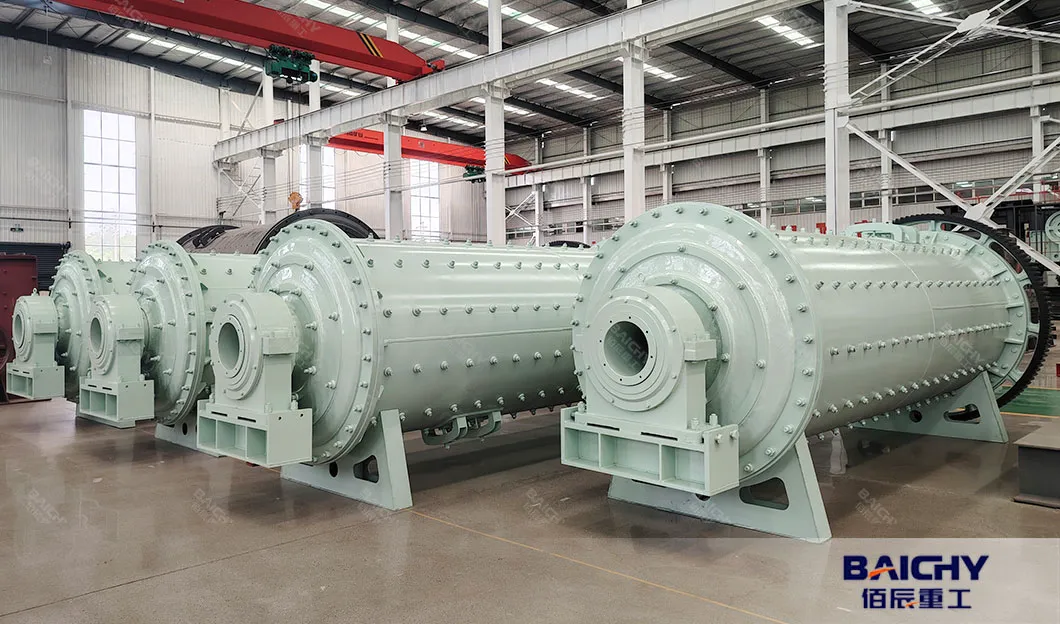
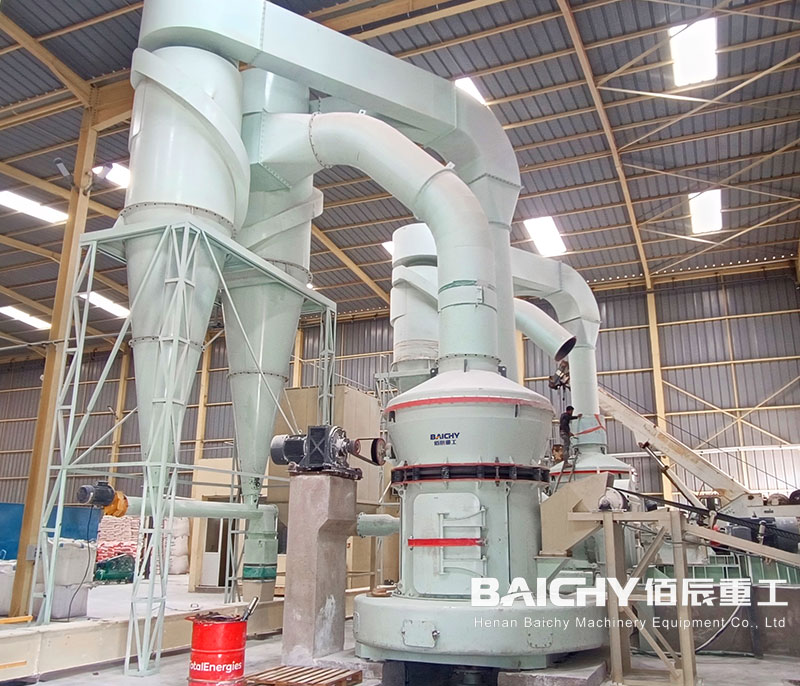
When customers need artificial sand, basalt requires an additional shaping and fine crushing process. A sand making system can further process crushed basalt into particles with controlled size and improved shape. Basalt manufactured sand is increasingly used because it provides:
● Stable supply compared with natural sand
● Adjustable particle grading
● Good mechanical strength
● Suitable performance in concrete applications
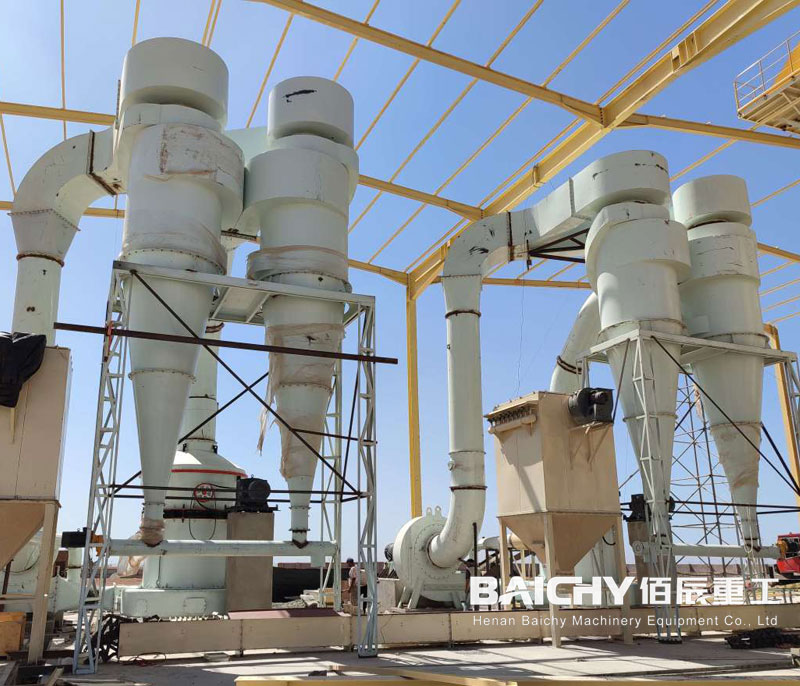
A complete basalt sand production system usually includes fine crushing, shaping, screening, and dust control equipment.
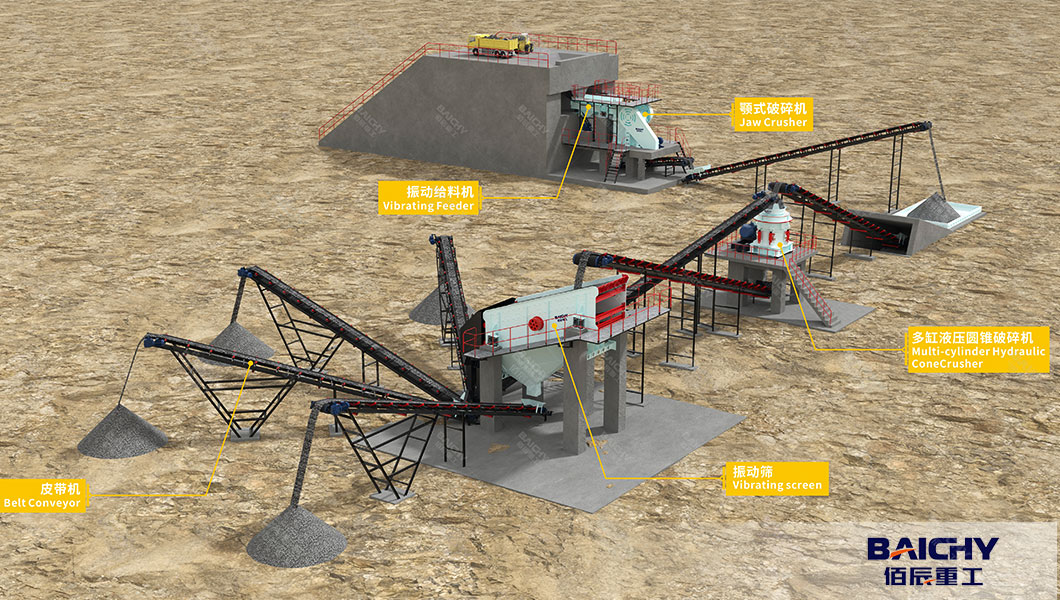
What Equipment Is Needed to Crush Basalt Rock?
The equipment required for basalt crushing depends on production goals.
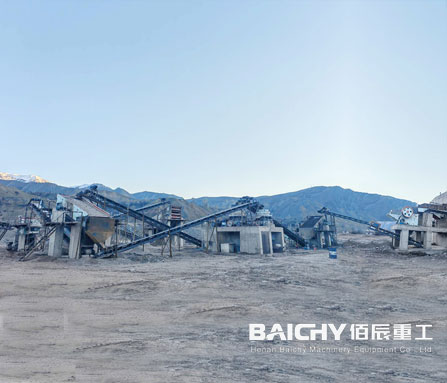
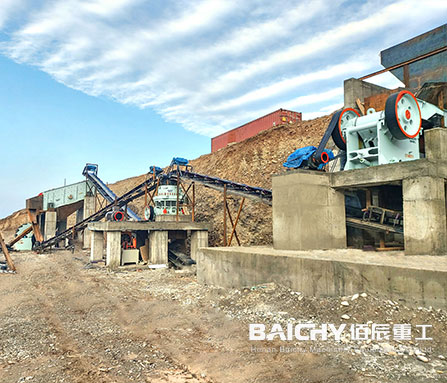
A complete basalt crushing plant may include:
1. Vibrating Feeder. The vibrating feeder provides continuous and controlled feeding, ensuring that basalt enters the crusher evenly.
2. Primary Crusher. The primary crusher is responsible for breaking large basalt blocks into smaller pieces. It is the foundation of the entire crushing process.
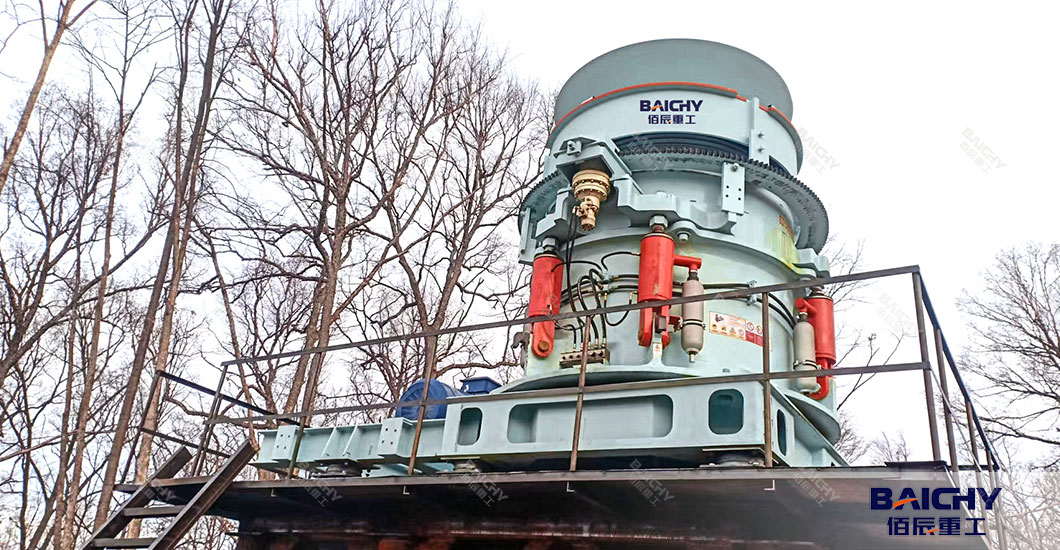
3. Secondary Crusher. The secondary crusher improves reduction efficiency and prepares materials for final screening or sand production.
4. Vibrating Screen. The screening equipment separates basalt aggregates according to different size requirements.
5. Belt Conveyor. Conveyors connect different stages of the production line and improve material handling efficiency.
How to Improve Basalt Crushing Efficiency?
Crushing basalt is more challenging than processing softer rocks, so production efficiency depends on proper operation and equipment management. Several factors influence basalt crushing performance:
1. Choose Equipment Based on Rock Characteristics
Basalt hardness and abrasiveness require crushers designed for hard rock applications. Selecting unsuitable equipment may lead to excessive wear and frequent downtime.
2. Maintain Proper Feeding Conditions
Uneven feeding can reduce crusher efficiency and increase component wear. Continuous and controlled feeding helps maintain stable production.
3. Optimize the Crushing Process
A well-designed crushing flow reduces unnecessary material circulation and improves energy efficiency.
4. Monitor Wear Parts Regularly
Because basalt is abrasive, checking and replacing worn components on time helps prevent unexpected production interruptions.
Baichy Basalt Rock Crushing Solution
Baichy Machinery provides complete basalt crushing solutions for quarry operators and aggregate producers worldwide. Baichy designs basalt processing plants according to:
● Basalt hardness and feed size
● Required production capacity
● Final product specifications
● Site conditions
The solutions may include feeding systems, jaw crushers, cone crushers, vibrating screens, conveyors, and sand-making equipment.
With professional engineering support and customized plant design, Baichy helps customers achieve stable basalt processing, efficient production, and reliable aggregate quality.
FAQ About Crushing Basalt Rock
1. Can basalt rock be crushed into sand?
Yes. Basalt can be processed into manufactured sand through additional fine crushing and shaping equipment.
2. Is basalt difficult to crush?
Yes. Basalt is a hard and abrasive rock, requiring strong crushing equipment and wear-resistant components.
3. What size can crushed basalt be produced?
The final size depends on customer requirements. Basalt can be processed into different sizes for aggregate, road construction, and sand production.
4. How many crushing stages are needed for basalt?
The number of crushing stages depends on the final product. Simple aggregate production may require two stages, while manufactured sand production usually requires additional fine crushing and shaping.




 2026-09-28





 86-15093113821
 86-15093113821