When investing in a new stone crushing plant, many customers focus only on equipment capacity and production efficiency. However, the installation period and civil engineering cost often have a major impact on the total project investment. For traditional stationary crushing plants, customers usually need to spend significant time and money on land preparation, concrete foundations, steel structures, and on-site installation. These hidden costs can delay production and increase the payback period.
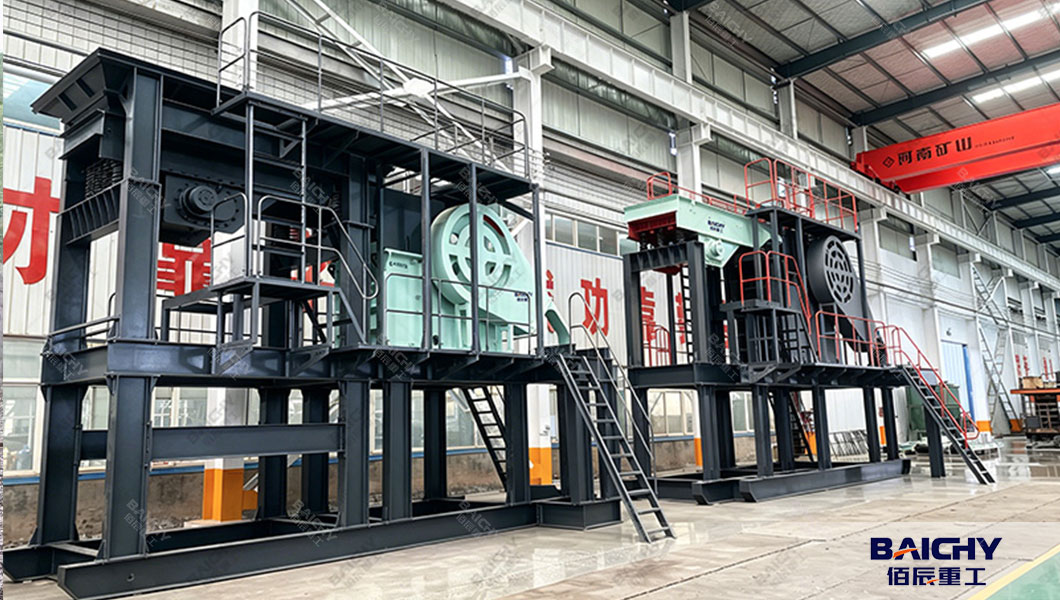
A modular crushing plant solves these challenges by changing the traditional construction method. Instead of building everything on-site, the plant is designed as standardized modules that are manufactured, assembled, and tested before transportation. For quarry owners and mining investors, this means faster commissioning, lower construction investment, and earlier revenue generation.
Why Do Traditional Crushing Plants Require High Installation Costs?
Before understanding the advantages of modular crushing plants, it is important to know where traditional crushing plants consume time and money.
A conventional stationary crushing plant usually requires:
● Detailed civil engineering design
● Large concrete foundations for crushers and screens
● Steel support structure construction
● Long equipment installation periods
● Large amounts of labor and construction equipment
For example, a large fixed crushing plant may require several months of preparation before the first stone is processed.
During this period, customers continue to pay for:
● Construction labor
● Equipment rental
● Engineering services
● Site management
● Project financing costs
Therefore, reducing installation time is not only a technical improvement but also a direct economic benefit.
1. Factory Manufacturing Reduces On-Site Installation Work
The biggest difference between modular and traditional crushing plants is where the construction work happens.
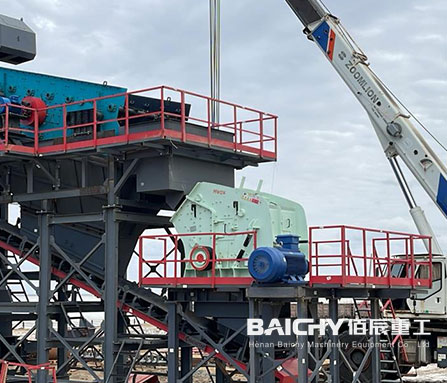
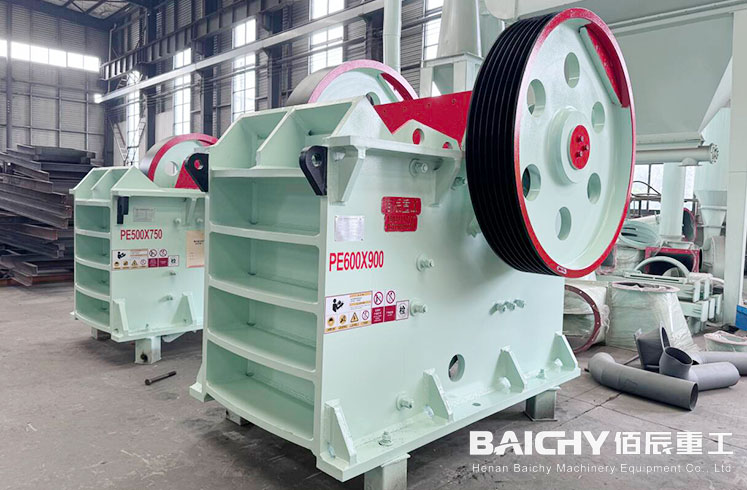
A modular crushing plant is manufactured and pre-assembled in the factory. Equipment positions, steel frames, electrical systems, and connection points are designed before delivery.
When the plant arrives at the customer's site, engineers mainly complete:
● Module positioning
● Mechanical connection
● Electrical connection
● System testing
This eliminates many uncertain factors caused by on-site construction.
For customers, the benefits include:
● Shorter project schedule
● Less dependence on local construction teams
● Lower installation risks
● Faster production startup
A project that previously required months of construction may be completed significantly faster with a modular design.
2. Reduced Concrete Foundation Requirements Lower Civil Engineering Costs
Civil engineering is often one of the largest expenses in a crushing plant project.
Traditional plants usually require:
● Deep reinforced concrete foundations
● Large equipment bases
● Underground structures
● Complex drainage systems
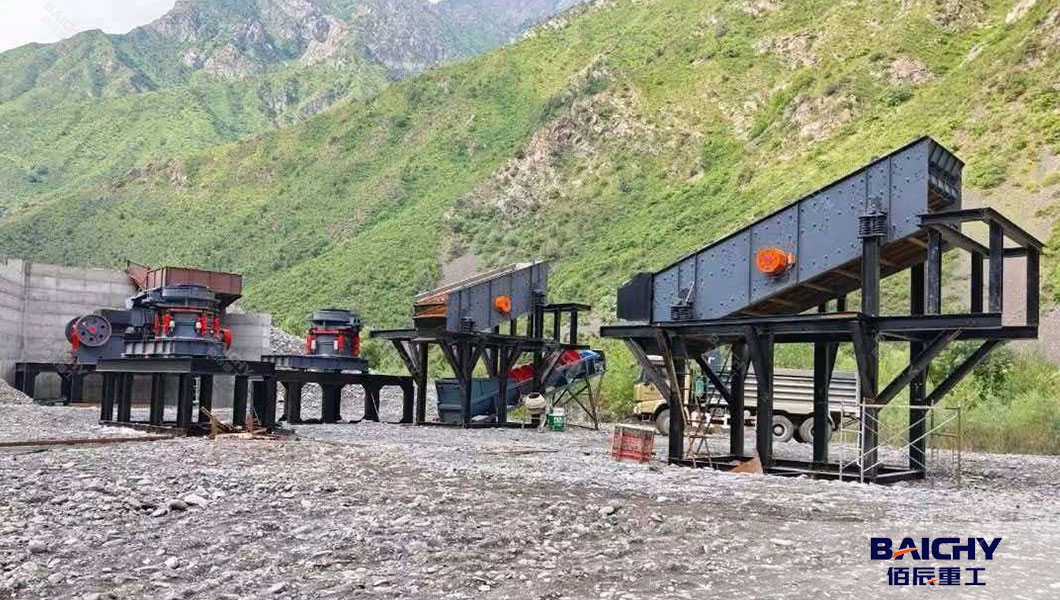
A modular crushing plant uses optimized steel structures and compact layouts, which reduces the need for heavy civil construction. For projects located in remote areas, reducing concrete construction is especially valuable because transporting cement, steel, and construction equipment can be expensive.
3. Faster Installation Helps Customers Start Production Earlier
For mining and quarry businesses, time directly affects profit.
Every additional month of construction delay means:
● No aggregate sales
● No mineral production income
● Higher project financing pressure
A modular crushing plant allows customers to shorten the period between investment and operation.
For example:
A quarry project requiring fast aggregate supply for road construction may choose a modular crushing solution because the plant can be deployed quickly and begin producing materials earlier. The earlier production starts, the faster the customer can recover equipment investment.
4. Lower Engineering Risk During Project Implementation
Large crushing projects often face unexpected problems during construction, such as:
● Foundation modification
● Equipment position adjustment
● Material transportation difficulties
● Installation delays
A modular system reduces these risks because the plant layout is designed and verified before shipment.
Customers can confirm:
● Equipment arrangement
● Production flow
● Maintenance space
● Material transportation route
before the equipment reaches the site. This improves project control and reduces unexpected additional costs.
5. Ideal Solution for Remote Mines and Temporary Projects
Not every crushing project is a permanent operation.
Many customers operate:
● Short-term mining projects
● Road construction contracts
● Mobile quarry operations
● Multiple mining locations
For these applications, building a traditional fixed plant may not be economical.
A modular crushing plant provides advantages because it can:
● Be installed in areas with limited infrastructure
● Be relocated when resources change
● Adapt to different production requirements
This protects the customer's investment and improves equipment utilization.
Baichy Modular Crushing Plant Solution
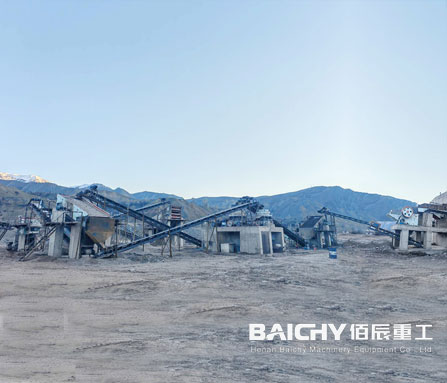
Baichy Machinery designs modular crushing plants based on customer project requirements, helping quarry and mining operators reduce construction complexity and improve investment efficiency.
Baichy modular solutions focus on:
● Factory-designed crushing modules
● Optimized plant layout
● Reduced civil engineering requirements
● Faster installation and commissioning
● Flexible capacity expansion
From small aggregate production plants to complete mining crushing systems, Baichy provides customized solutions to help customers achieve faster project operation and lower overall investment costs.
FAQ: Modular Crushing Plant Installation and Cost
1. Why does a modular crushing plant need less civil engineering?
Because the plant uses prefabricated modules and optimized steel structures, reducing the need for large concrete foundations and complex construction work.
2. How does a modular crusher plant reduce project costs?
It reduces costs by lowering foundation construction expenses, decreasing installation labor requirements, and shortening the time before production begins.
3. Is a modular crushing plant suitable for remote mining sites?
Yes. Modular plants are especially suitable for remote areas because they require less infrastructure and can be transported and installed more easily.
4. Can modular crushing plants be expanded in the future?
Yes. Additional crushing, screening, or conveying modules can be added according to future production requirements.




 2026-09-28





 86-15093113821
 86-15093113821