Limestone is a versatile material used in construction, mining, and landscaping—but it often comes with unwanted impurities like clay, silt, or dirt. Choosing the right washing machine for limestone depends entirely on two scenarios: processing raw quarry stone for industrial use or cleaning installed limestone surfaces (like floors, walls, or countertops). Industrial applications require heavy-duty machines to remove tough impurities from raw ore, while installed limestone needs gentle cleaning to protect its soft, porous structure. In this guide, we’ll break down the most effective limestone washing equipment, how they work, and key tips for safe, efficient cleaning.
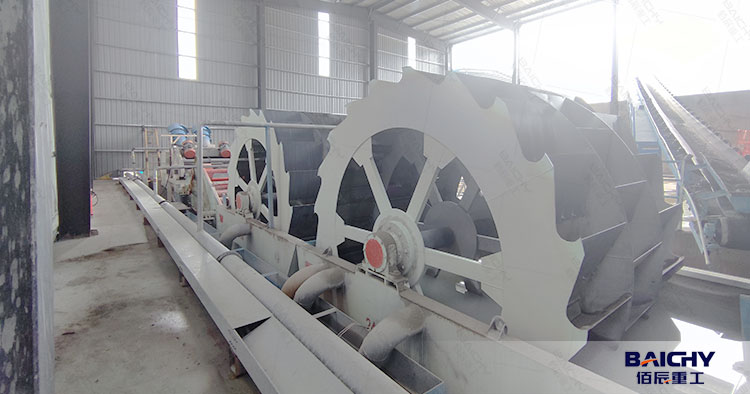
Industrial Limestone Washing Equipment (Mining & Aggregate Use)
Industrial limestone washing machines are designed to clean raw quarry stone before it’s used in concrete, construction, or other projects. Their main goal is to remove clay, silt, sand, and other impurities that can weaken the final product or clog downstream equipment. Here are the four most common types:
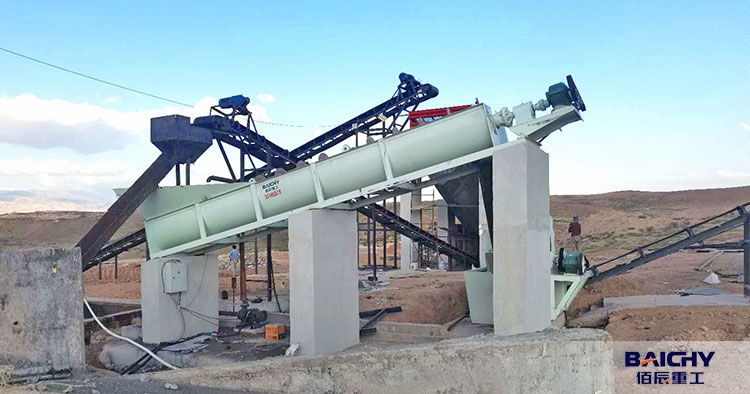
1. Spiral/Screw Sand Washers
Spiral sand washers (also called screw washers) are ideal for high-efficiency cleaning of limestone aggregate. They use a rotating spiral (or screw) inside a trough to agitate the limestone while water flows through. The spiral moves the stone forward, and the combination of agitation and water washes away loose dirt and slime.
These machines work well for continuous operation and can handle large volumes of limestone. They also help separate fine impurities from the stone—fine particles float away with the water (through an overflow system), while clean limestone is pushed out the discharge end. Spiral washers are especially useful for preparing limestone for concrete mixing or mining processes, as they reduce the stone’s clay content to very low levels .
2. Drum/Trommel Scrubbers
Drum scrubbers (or trommel scrubbers) are the go-to choice for high-capacity limestone cleaning. Think of them as giant rotating barrels that “tumble wash” the stone. Raw limestone is fed into the drum, which spins slowly (typically 15-30 RPM) . Inside the drum, 耐磨橡胶衬板 (wear-resistant rubber liners) lift and drop the stone, creating friction that loosens mud and dirt. Water is sprayed inside the drum to rinse away the impurities.
Drum scrubbers excel at cleaning large, dirty limestone chunks—some models can handle stones up to 300mm in size . They’re often used in large mining operations (like the Shagang Group’s 300-ton-per-hour limestone washing line ) because they’re efficient and require minimal manual intervention. The clean stone exits through a screen at the end of the drum, while dirty water and fine particles are drained away for treatment.
3. Vibrating Stone Washers
Vibrating stone washers are perfect for limestone that will be used in concrete mixing. They use vibration and water to clean the stone, and they’re commonly used for limestone, manganese, and iron ores . These machines have a vibrating tank or screen that shakes the limestone vigorously, dislodging dirt and clay. Water sprays over the stone to rinse off the loosened impurities.
One key advantage of vibrating washers is their compact design—they can fit into smaller industrial spaces. They also produce clean limestone with low moisture content, which is important for concrete mixing (too much water can weaken the concrete). The vibration helps separate different sizes of limestone, making them useful for grading as well as cleaning .
4. Log Washers
Log washers are heavy-duty machines built for limestone with high clay content. Unlike spiral or drum washers, they use large rotating logs (or paddles) to scrub the stone aggressively. The logs are set at an angle, and as they rotate, they push the limestone up the trough while water flows downward. This “scrubbing” action breaks up tough clay clumps that other washers might miss.
Log washers are designed for tough conditions—they can handle limestone with more than 10% clay content. They’re often used in mining operations where the raw limestone is heavily contaminated. The aggressive scrubbing ensures that even stubborn mud is removed, leaving clean, high-quality limestone ready for further processing.
Cleaning Installed Limestone Surfaces
Installed limestone (like floors, walls, or outdoor patios) is soft and porous. Using high pressure or harsh chemicals can etch the surface, cause discoloration, or push dirt deeper into the pores. That’s why gentle, targeted cleaning equipment is a must. Here are the best options:
1. Soft Washing Machines
Soft washing machines are designed specifically for delicate surfaces like limestone. They use low pressure (800–1200 PSI)—much lower than standard pressure washers—to avoid damaging the stone. The machine sprays a mixture of water and mild, pH-neutral cleaner (never acidic cleaners, which can corrode limestone ) onto the surface.
The low pressure ensures the cleaner soaks into the pores to break down dirt and mold without etching the limestone. Soft washers often use a wide fan jet nozzle to distribute the pressure evenly, preventing concentrated streams that could harm the stone. They’re great for cleaning large installed surfaces like building facades or outdoor patios.
2. Surface Cleaners
Surface cleaners (also called flat surface cleaners) are attachments for soft washers that make cleaning limestone floors faster and more even. They have a rotating bar with 40-degree fan jets that spin as you move the cleaner across the surface. This design ensures the pressure is distributed evenly—no streaks or missed spots.
Surface cleaners are ideal for indoor limestone floors (like in hotels or offices) or outdoor patios. They cover more area than a single nozzle and reduce overspray, which helps protect surrounding areas. The 40-degree fan jets are gentle enough for limestone but strong enough to lift dirt and stains.
3. Rotary Floor Machines
Rotary floor machines (like the Victor Contractor 400) are designed for deep cleaning limestone flooring. They operate at 180–240 RPM and use a soft brush or pad to scrub the surface gently. Unlike scrubbers that use water pressure, these machines rely on mechanical scrubbing to lift dirt from the limestone’s pores.
They’re perfect for indoor use because they’re quiet and don’t produce much overspray. You can use them with a mild stone cleaner to remove tough stains (like oil or grease) without damaging the limestone. Rotary floor machines are often used in commercial spaces like malls, museums, or office buildings where limestone floors need regular maintenance .
4. Commercial Scrubbers
For heavy-duty cleaning of large limestone floors (like in warehouses or airports), commercial scrubbers are the best choice. These machines have high-flow pumps (some up to 1500 PSI) and can heat water to 140°F to tackle tough stains. But don’t worry—they’re still gentle enough for limestone when used correctly.
Commercial scrubbers combine scrubbing, rinsing, and drying in one pass. They have a brush to scrub the floor, a water tank to apply cleaner, and a vacuum to suck up dirty water. This “wash-and-dry” design leaves the floor clean and dry immediately, reducing the risk of slips. They’re efficient for large areas and help maintain consistent cleaning standards.
Key Recommendations for Safe Limestone Cleaning
Whether you’re cleaning raw limestone or installed surfaces, following these rules will protect the stone and ensure good results:
1. Pressure Management
Always use low pressure (800–1200 PSI) for installed limestone. High pressure can etch the surface or push dirt into the pores permanently. Keep the nozzle at least 3 feet away from the stone—getting too close concentrates the pressure and causes damage .
For industrial limestone, follow the machine’s recommended pressure settings—different machines are designed for different stone hardness levels.
2. Choose the Right Nozzle
For installed limestone, use a 15–25 degree fan jet or a rotating turbo nozzle (use turbo nozzles with caution!). These nozzles spread the pressure evenly and avoid damaging the stone. Never use a zero-degree (jet) nozzle—this will blast the limestone and leave permanent marks.
3. Drying Tips
For processed limestone (in industrial settings), if you’re working in a high-moisture environment (like a rainy area), choose equipment with built-in hot air drying. This prevents the stone from staying wet too long, which can cause mold or discoloration.
For installed limestone floors, use a commercial scrubber with a vacuum function to dry the floor immediately. This not only prevents slips but also stops water from seeping into the stone’s pores.
4. Avoid Harmful Chemicals
Never use acidic cleaners (like vinegar or bleach) on limestone—they react with the stone’s calcium carbonate and cause etching . Use pH-neutral cleaners specifically designed for natural stone. For industrial cleaning, choose cleaners that are biodegradable to minimize environmental impact.
Choosing the right limestone washing machine is all about matching the equipment to your needs. For raw limestone in mining or construction, spiral washers, drum scrubbers, vibrating washers, or log washers will get the job done efficiently. For installed limestone surfaces, soft washers, surface cleaners, rotary floor machines, or commercial scrubbers will clean gently without damage. By following the pressure guidelines, using the right nozzles, and avoiding harsh chemicals, you can keep your limestone clean and in great condition for years. Whether you’re a miner, contractor, or property manager, the right washing machine will save you time, money, and headaches.




 2026-10-16





 86-15093113821
 86-15093113821