Home About us
Products
News
Solution
Video Service Contact us
Home  /  News

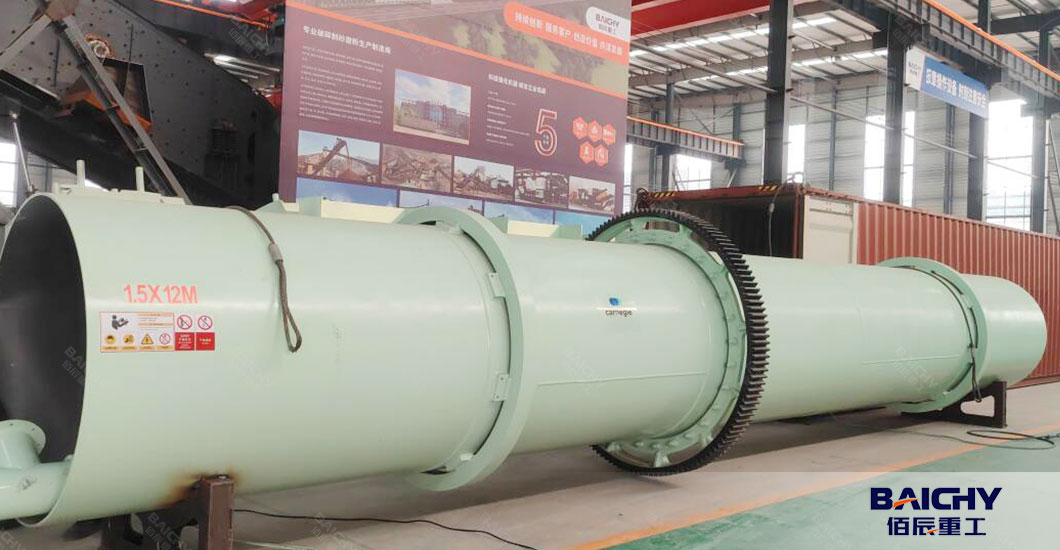
The global coffee industry generates millions of tons of spent coffee grounds (SCG) every year. While traditionally viewed as waste, these wet grounds hold massive potential when properly processed. The secret to unlocking this potential lies in effective moisture removal, and the most reliable equipment for the job is the rotary dryer for coffee grounds.


Rotary-Dryer-for-Coffee-Grounds-00.jpg


Whether you are a coffee factory looking to manage waste or an agricultural processor aiming to create sustainable energy, understanding how rotary drum dryer machines work is crucial.


What is a Rotary Dryer for Coffee Grounds?

A rotary dryer is a highly efficient industrial machine designed to reduce the moisture content of wet bulk materials. Specifically engineered for the coffee industry, a spent coffee grounds dryer utilizes a rotating cylindrical drum to tumble wet grounds through a precisely controlled hot air stream.

According to industry leaders like the ONIX Corporation, modern rotary drum dryers are designed to not only facilitate the rapid drying of coffee grounds but also to make the entire process highly energy-efficient.


How Does the Rotary Drum Dryer Process Work?

The drying process requires a careful balance of heat and airflow to ensure consistent drying without burning the material. Here is how the process generally unfolds:
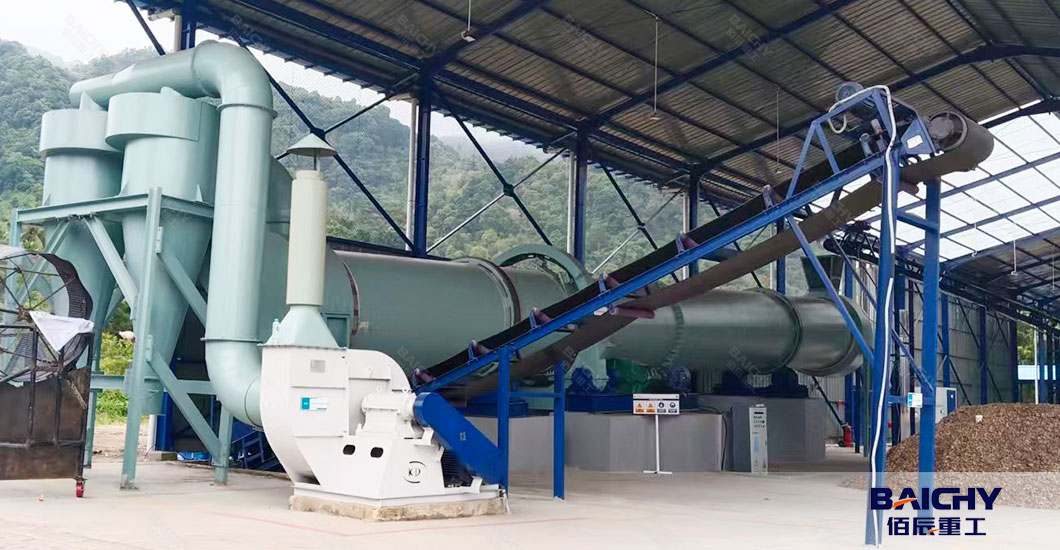
● Direct Heating & Mixing: single rotary drum dryer uses a breakthrough direct heating method. In this rotary drum dryer process, combusted gases mix with clean, heated air to create the perfect drying environment.
● Propulsion: The wet coffee grounds are fed into the rotating drum. As the drum turns, internal flights lift and shower the grounds through the hot gas air stream, propelling the bulk material efficiently through the system.
● Moisture Evaporation: The high surface area exposure allows moisture to evaporate rapidly, transforming heavy, wet grounds into a dry, usable byproduct.


Advanced Technology in Coffee Drying

Modern rotary dryers are no longer just simple heated drums; they are equipped with advanced technologies to maximize efficiency and preserve material quality. Recent studies show that integrating Fuzzy Logic Control (FLC) into rotary dryers allows for automated, precise regulation of temperature and airspeed. This ensures that the structural integrity and quality of the coffee grounds—are maintained throughout the drying phase.


Rotary-Dryer-for-Coffee-Grounds-01.jpg


Transforming Waste into Wealth: Biomass Pellet Fuel

Why invest in a spent coffee grounds dryer? The primary advantage is the transformation of industrial waste into a profitable resource.
Wet coffee grounds degrade quickly and are costly to dispose of. However, once dried using equipment from manufacturers like Jiutian Machinery, these coffee grounds can be upcycled into biomass pellet fuel. Dried coffee grounds have a high calorific value, making them an excellent, eco-friendly alternative to traditional fossil fuels. By implementing a rotary dryer, coffee factories can close the loop on their waste, significantly reducing disposal costs and even opening up new revenue streams by selling biomass fuel.


Investing in a rotary dryer for coffee grounds is a strategic move for any modern coffee processing facility. By utilizing direct heating methods, advanced temperature control systems, and energy-efficient drum designs, these machines seamlessly convert heavy, wet waste into valuable commodities like biomass pellets. Whether you are aiming to improve your factory's environmental footprint or looking to optimize your byproduct management, a rotary drum dryer provides a scalable, reliable, and profitable solution. Welcome to contact Baichy Machiney to get professional soluiton with price list.


People Alsi Frequently Asked Questions (FAQs) 

1. What is the main purpose of drying spent coffee grounds?

Answer: Drying wet coffee grounds prevents mold growth and significantly reduces their weight and volume, making them easier and cheaper to transport. Once dried, these grounds are primarily upcycled into high-value biomass pellet fuels, organic fertilizers, soil amendments, or used as raw materials in the cosmetics and biochemical industries.


2. How does a rotary dryer remove moisture from wet coffee grounds?

Answer: A rotary dryer consists of a slightly inclined, rotating cylindrical drum. Wet coffee grounds are fed into the drum, where internal lifting plates (flights) pick up the material and shower it through a continuous stream of hot air. This tumbling action ensures maximum surface exposure to the heat, allowing for rapid and uniform moisture evaporation without burning the grounds.


3. Can a rotary dryer handle the high moisture levels of freshly processed coffee waste?

Answer: Yes. Freshly extracted spent coffee grounds usually have a very high moisture content (often between 50% and 60%). Rotary dryers are specifically engineered to handle wet, sticky bulk materials. They are highly efficient and can be customized with adjustable airflow and temperature controls to bring the moisture content down to the desired 10-15% needed for biomass pelletizing or safe storage.


Maybe you are interested in