Perlite is a miracle mineral. It has the unique ability to expand up to 20 times its original volume when heated. From lightweight concrete and horticultural soil to cryogenic insulation and filtration aids, perlite is everywhere. But before perlite can be expanded or used, the raw ore must be processed. It must be crushed, ground, and classified into precise particle sizes.
In this guide, we break down the optimal workflow of a modern perlite grinding plant and the features you should look for in your machinery.
The Raw Material: What Are We Processing?
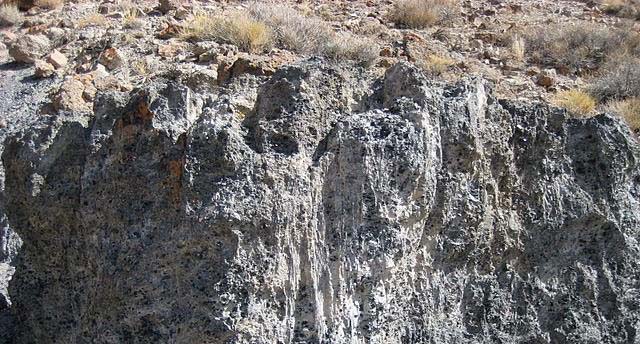
Perlite is an amorphous volcanic glass that has a relatively high water content. It is typically formed by the hydration of obsidian.
● Hardness: Mohs 5.5 (Medium Hardness).
● Characteristics: Brittle, abrasive (due to high silica content).
● The Goal: The goal of the grinding plant is usually to produce a sand-like or powder product (typically 30 mesh to 325 mesh) that serves as the "feed" for expansion furnaces.
The Process Flow: Step-by-Step
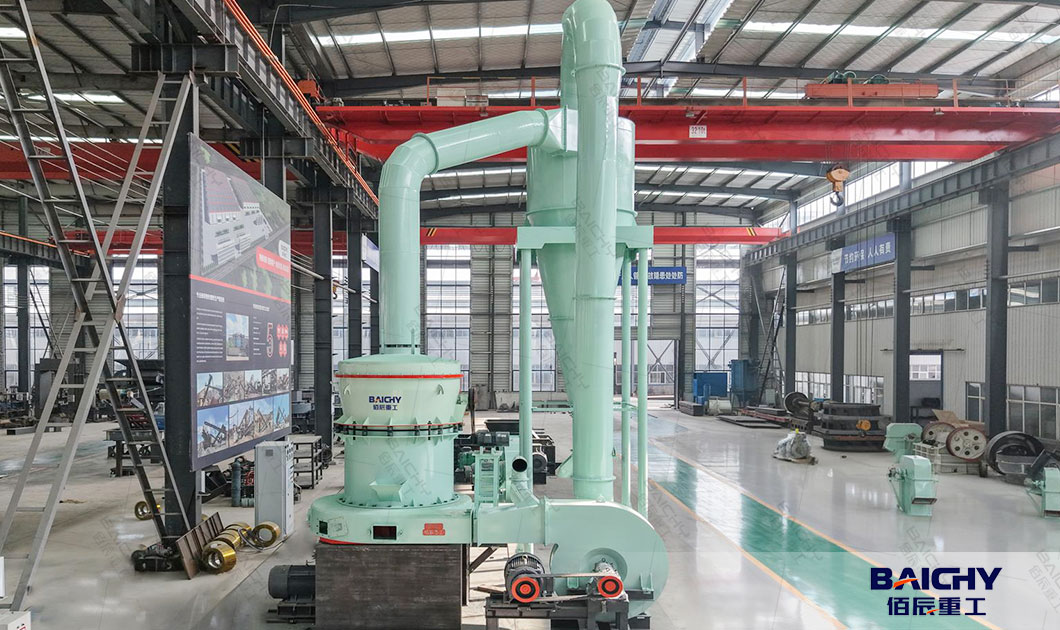
A complete Perlite Grinding Plant is not just a single machine; it is a closed-circuit grinding mill system. Here is the standard workflow for high-efficiency production.
Step 1: Crushing (Primary Size Reduction)
Raw perlite ore comes from the mine in large chunks (300mm to 500mm). This is too big for a grinding mill.
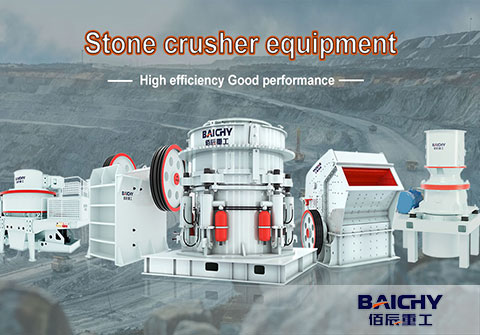
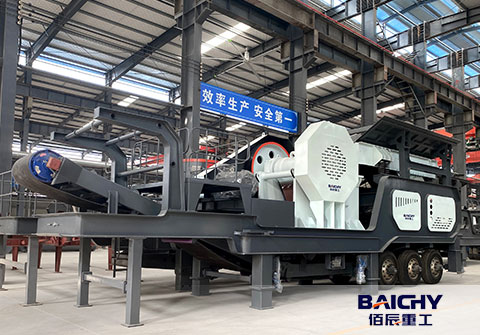
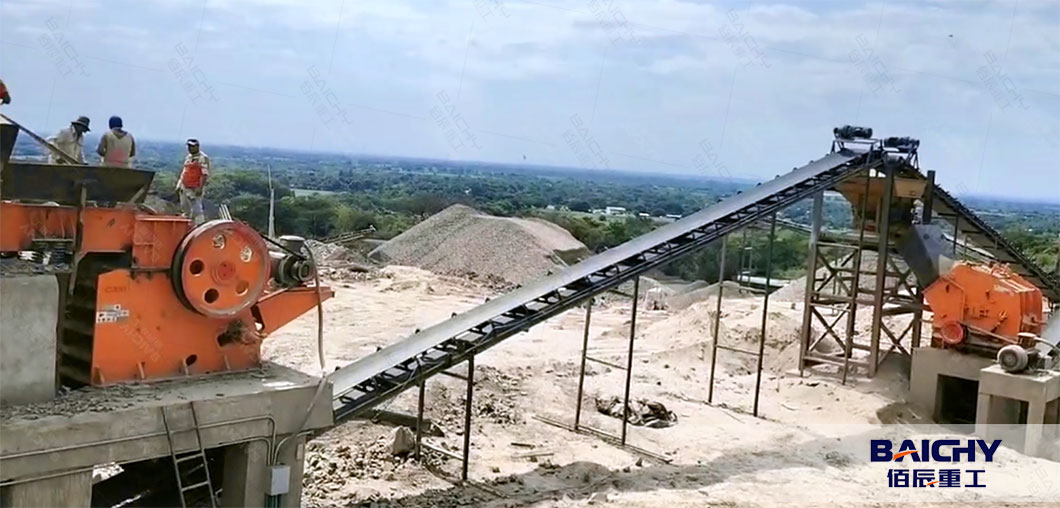
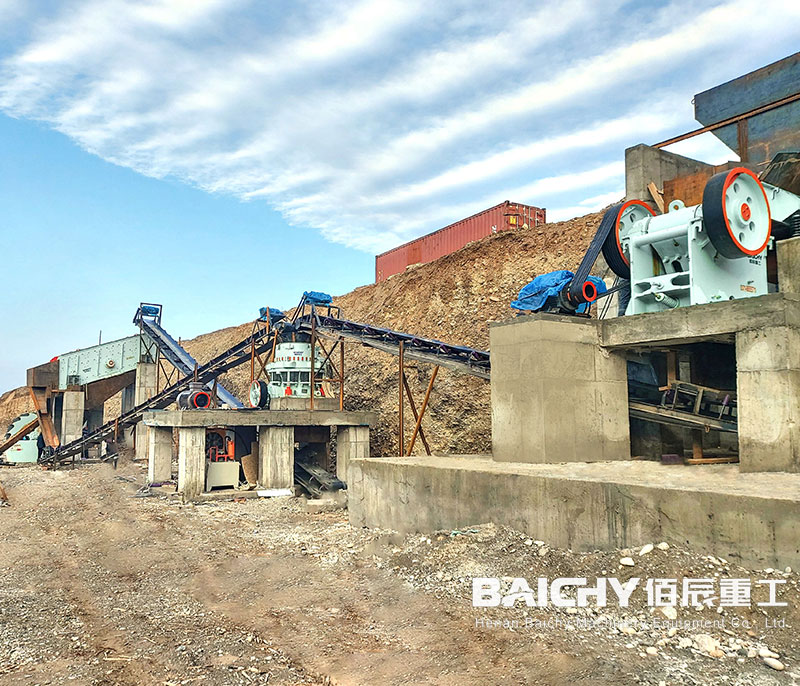
● Equipment: Jaw Crusher or Hammer Crusher.
● Action: The large rocks are crushed down to a size smaller than 25mm-40mm.
● Storage: The crushed material is sent to a storage hopper via a bucket elevator.
Step 2: Feeding
Uniform feeding is critical for mill stability.
● Equipment: Electromagnetic Vibrating Feeder.
● Action: The feeder sends the crushed perlite evenly into the grinding chamber of the mill. If you feed too fast, the mill chokes; too slow, and you lose capacity.
Step 3: Grinding (The Core Process)
This is where the magic happens. The material enters the main unit.
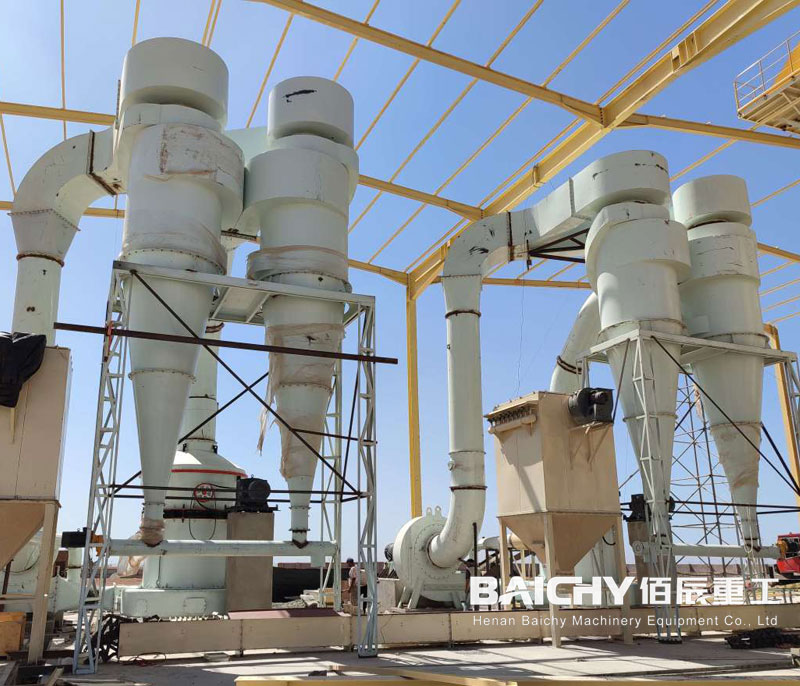
● Equipment: Raymond Mill (R-Series), MTW Trapezium Mill, or Vertical Roller Mill.
● Action: Inside the chamber, suspended rollers swing outward due to centrifugal force, pressing against the grinding ring. The perlite is scooped up by blades and ground between the roller and ring.
● Why it matters: Perlite is abrasive. High-quality wear parts (rollers and rings made of high-manganese steel or chrome alloy) are essential here to reduce maintenance costs.
Step 4: Classification (Screening via Air)
You don't want "dust" mixed with "sand." You need specific sizes.
● Equipment: Powder Classifier (Analyzer).
● Action: Airflow carries the ground powder upward. The rotating classifier acts as a gatekeeper.
● Particles that are fine enough pass through to the collector.
● Particles that are too coarse fall back down into the grinding chamber to be reground.
● Modern Feature: Advanced plants use Frequency Conversion Classifiers, allowing you to adjust the mesh size (e.g., switching from 80 mesh to 200 mesh) directly from the control panel without stopping the machine.
Step 5: Collection and Packaging
Equipment: Cyclone Powder Collector.
● Action: The finished powder is separated from the airflow in the cyclone and falls into the discharge valve for packaging.
Step 6: Environmental Control (Dust Removal)
Perlite dust can be hazardous if inhaled (silica).
● Equipment: Pulse Dust Collector.
● Action: Excess air flows through filters, trapping the finest dust particles and ensuring the exhaust air is clean, meeting environmental regulations.
Which Mill is Best for Perlite?
Not all mills are created equal. Depending on your capacity and fineness requirements, here are the top choices:
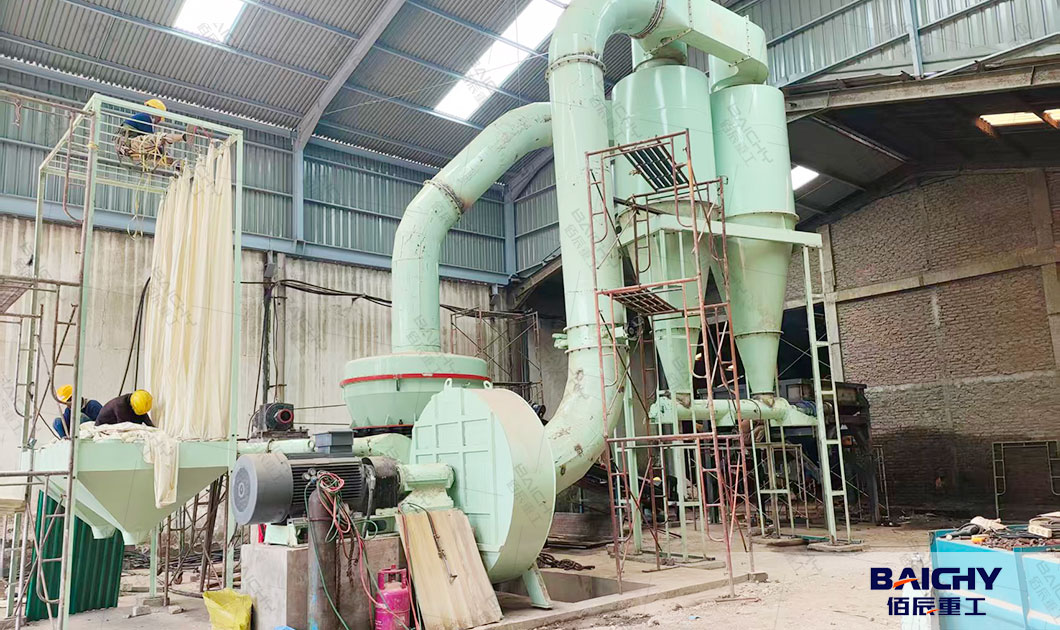
1. MTW European Trapezium Mill (The Modern Standard)
This is the upgraded version of the traditional Raymond Mill.
● Best For: Medium to large scale production (3 – 25 Tons Per Hour).
● Pros: It uses a bevel gear drive (no belts to slip), internal oil lubrication (low maintenance), and a curved air duct (energy efficient). It handles the abrasiveness of perlite well.
2. Traditional Raymond Mill
Best For: Small scale or budget-conscious start-ups.
● Pros: Lower initial investment cost. Reliable and easy to repair.
● Cons: Lower capacity and higher maintenance frequency compared to MTW.
● Best For: Massive industrial operations (20+ Tons Per Hour).
● Pros: Extremely efficient drying and grinding in one unit. Ideal if the raw perlite has high moisture content.
Key Features of a High-Quality Perlite Grinding Mill Plant
When evaluating quotes from manufacturers, look for these features to ensure ROI:
1. Precise Particle Control
For perlite expansion, the particle size distribution must be tight. If the range is too wide, the expansion furnace will work inefficiently. A high-quality Turbine Classifier is non-negotiable.
2. Wear Resistance
Since perlite is volcanic glass, it eats steel. Ensure the manufacturer uses High Chrome Alloy or Mn13 (Manganese) for the rollers and rings. This extends the service life from weeks to months.
3. Adjustable Airflow
Perlite is lightweight. The airflow in the mill must be carefully calibrated. If the wind is too strong, you pull coarse material into the finished product. If it is too weak, the mill clogs. Modern mills feature adjustable blowers to fine-tune this.
Applications: Where Does the Powder Go?
Once your plant is running, where is your market?
Construction & Insulation:
● Used in lightweight plasters, mortars, and ceiling tiles.
● Loose-fill insulation for masonry.
Horticulture (Agriculture):
● Added to soil mixes to improve aeration and water retention.
Industrial Filtration:
● Used as filter aids for beer, pharmaceuticals, and edible oils (Requires very fine grinding).
Cryogenics:
Insulation for LNG tanks.
Conclusion: Invest in Efficiency
A Perlite Grinding Mill Plant is more than just a crusher; it is a system that defines the quality of your final product. Whether you are prepping raw ore for expansion furnaces or creating filter aids, the consistency of your powder is key.
For most operators, the MTW Trapezium Mill offers the perfect balance of capacity, energy efficiency, and durability against the abrasive nature of volcanic rock.
Are you planning a perlite processing line? Do not leave your particle size to chance. Contact our engineering team today to discuss a customized layout and price list that fits your capacity needs and budget.




 2026-10-24





 86-15093113821
 86-15093113821