What Is Compact Tracked Mobile Crusher
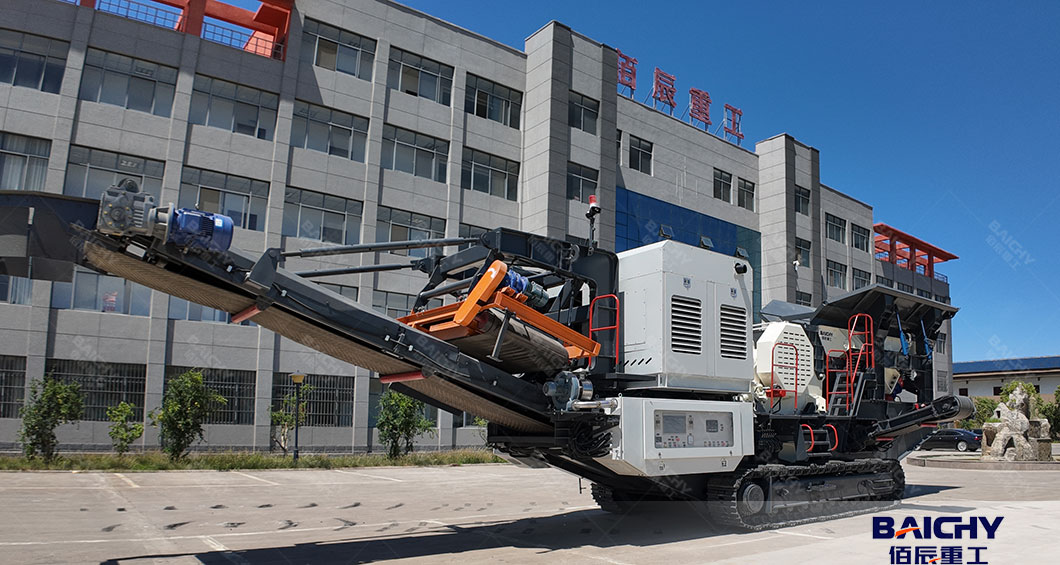
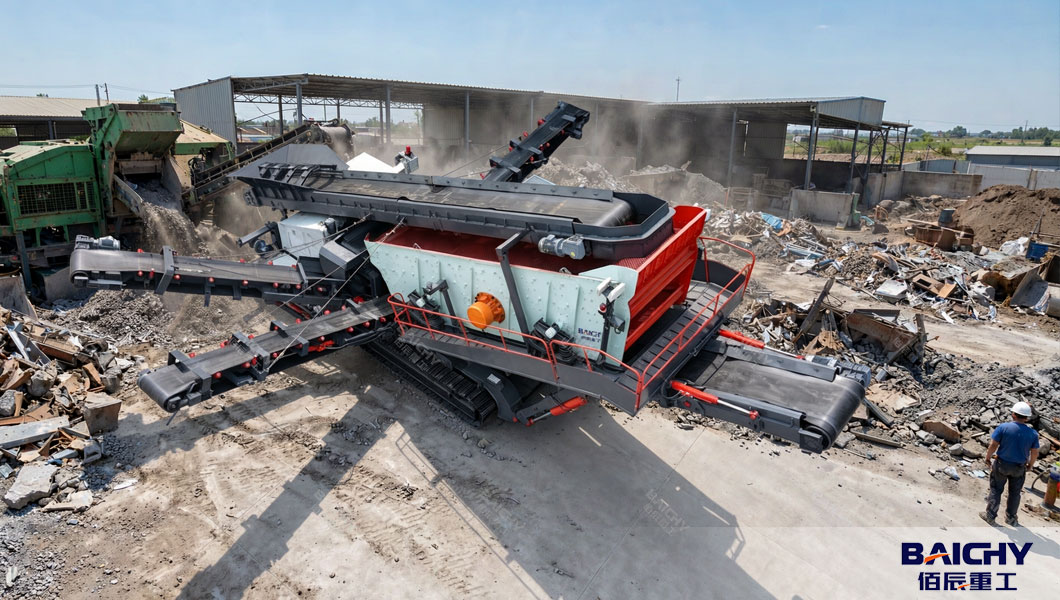
A compact tracked mobile crusher is a self-propelled plant on a crawler chassis that turns demolition concrete, bricks, blocks and rubble into reusable aggregates on site. It feeds, crushes, screens and conveys in one unit; no fixed foundation needed.
Choose a jaw unit for large, rebar-laden concrete, and an impact unit for cubical, saleable aggregate after steel removal. Baichy builds both on one platform; the model depends on feed size, target output and daily volume.
Materials a Baichy tracked unit handles
- Reinforced and plain concrete blocks
- Bricks, blocks, masonry and mixed C&D debris
- Demolition rubble, broken stone and pre-cast waste
Separate mud, organic waste and tangled scrap steel before feeding; they cut throughput and can damage the chamber.
Why On-Site Tracked Crushing Wins for Construction Waste
Conclusion first: crushing on site removes your two largest waste costs — hauling and landfill tipping fees — and turns debris into reusable or saleable material.
- Fewer truck trips. Concrete stays on site until sized; one unit replaces dozens of daily hauls to a landfill.
- Lower disposal cost. You pay tipping fees on waste removed, not on aggregate kept on site.
- Rough-ground traction. Tracked weight spreads the load, so it works on muddy, sloped or confined sites where a wheeled plant would bog down.
- Fast relocation. No foundation needed; hydraulic legs and foldable conveyors deploy and relocate between projects.
- Reusable output. Crushed concrete becomes road base, sub-base or backfill for the same project.
-
How a Baichy Tracked Crusher Works
The material path follows four integrated stages:
- Vibrating feeder meters blocks into the chamber steadily and pre-screens fine dirt.
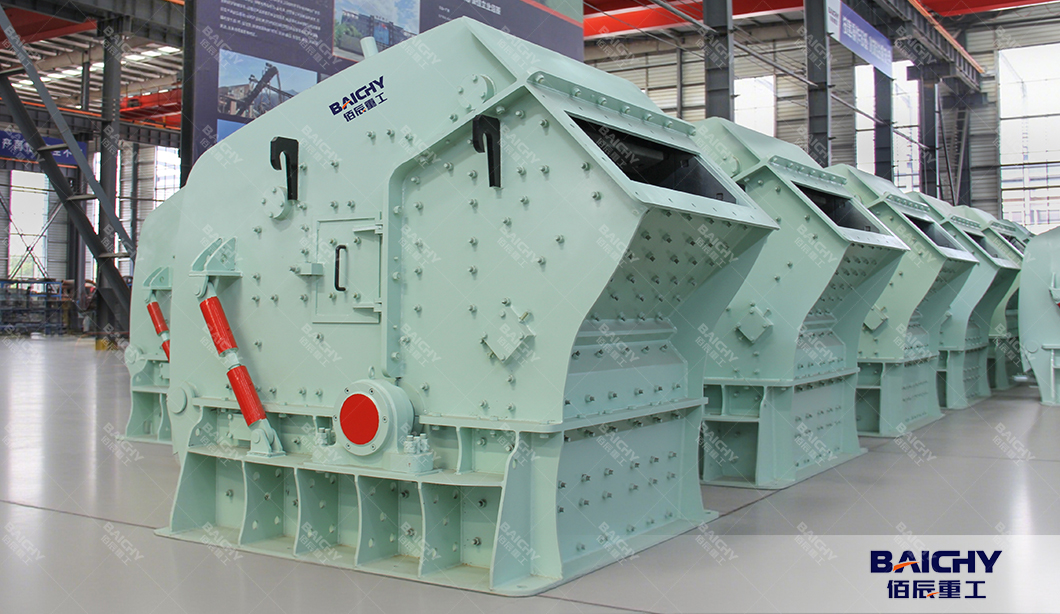
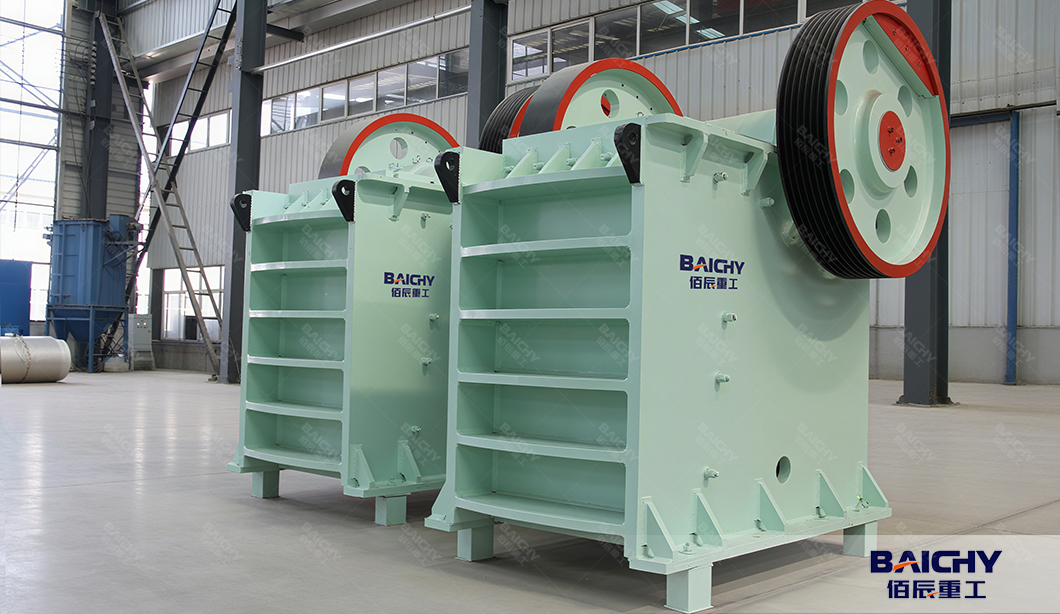
- Crushing chamber reduces blocks by compression (jaw) or impact (impact crusher).
- Optional screen separates finished sizes; oversize material returns for re-crushing.
- Main and side belts stockpile aggregate; an overband magnetic separator pulls out rebar and scrap.
Choose diesel drive for remote sites, or an electric motor where power exists. Water-spray dust suppression and noise guards suit urban zones.
Jaw vs Impact: Which Baichy Model Fits Your Waste?
Rule of thumb: large, rebar-laden concrete starts with a tracked jaw; clean, pre-sized concrete needing a cubical product goes to a tracked impact unit.
| Criterion |
Tracked Jaw (YMC series) |
Tracked Impact (YMCI series) |
| Crushing action |
Compression squeeze |
High-speed rotor impact |
| Best feed |
Large blocks, rebar-laden concrete |
Pre-cleaned, medium-hard material |
| Product shape |
Broad gradation, coarser |
Cubical, uniform aggregate |
| Rebar handling |
Passes steel toward the magnet |
Long rebar can wrap the rotor |
| Typical role |
Primary coarse crushing |
Secondary shaping, finish product |
| Wear cost |
Lower jaw plate consumption |
Blow bars wear faster on abrasive feed |
Baichy tracked jaw units (primary crushing)
| Model |
Crusher |
Feeder |
Capacity |
Max. feed size |
| (compact entry) |
C80 |
G2D8035 |
80–125 t/h |
[confirm against material] |
| YMC96 |
C96 |
G2D9638 |
100–250 t/h |
480 mm |
Baichy tracked impact unit (aggregate shaping)
| Model |
Crusher |
Feeder |
Capacity |
Max. feed size |
| YMCI12 |
CI1213 |
GZD1135 |
150–300 t/h |
550 mm |
Output varies with concrete strength, moisture, feed size and discharge setting. Send a sample and target gradation for a confirmed rating.
Match the Machine to Your Project in Four Steps
- Estimate daily volume. Divide daily tons by working hours, then size up about 20% for downtime and wet material.
- Measure the largest block. Max feed size must fit the crusher opening; oversized blocks need a primary jaw or pre-breaking.
- Set target output. Fractions like 0–5, 5–10, 10–20 or 20–40 mm decide whether you need a screen and closed-circuit return.
- Check site conditions. Confirm slope, working width, power supply, noise and dust limits before choosing diesel, electric or hybrid drive.
Request: feed opening, rated and stable TPH, discharge range, transport weight, power, included screens/conveyors, magnetic separator, wear parts, and CE / ISO certification.
Reference Case: Urban Demolition Site Recycling
Assumed project, showing the workflow (replace with the verified Baichy reference case for your region):
- Material: reinforced concrete, bricks and mixed demolition debris
- Setup: YMC80 tracked jaw with overband magnet and side conveyor
- Target output: 0–40 mm road base for site backfill
- Result: processed roughly [__] t/h on site, kept aggregate on project, and avoided hauling debris to a landfill.
For clean concrete sold as cubical road base, a YMCI12 impact unit follows the jaw stage.
Purchase, Rental and Operating Cost
Buy when you have recurring work with high utilization over several months. Rent when the job is short, one-off, or you want to test capacity before committing capital.
Cost per ton covers fuel/electricity, wear parts (jaw plates, blow bars, liners, belts), labor and maintenance. Savings come from avoided hauling, tipping fees and aggregate revenue. Spare-parts availability matters as much as price — ask Baichy what it stocks for your region.
Frequently Asked Questions
Can a mobile crusher handle concrete with rebar?
Yes. A tracked jaw squeezes concrete off the steel and passes rebar to a magnetic separator. Cut or sort tangled bars first; feed an impact chamber only after steel removal to avoid rotor wrap.
How much does a compact tracked concrete crusher cost?
Price depends on capacity, crusher type, configuration and drive. Small jaw units cost less; 150–300 t/h impact plants cost more; rental is hourly or monthly. Send material, volume and output size for a firm Baichy quotation.
What size crusher do I need for my demolition waste?
Start from daily tonnage and largest block. YMC80 suits small-to-medium urban demolition; larger waste calls for YMC96 or above. Sell finished aggregate? Add a screening or impact stage instead of over-sizing one chamber.
What recycled concrete sizes can I reuse or sell?
Common fractions: 0–5, 5–10, 10–20 and 20–40 mm. Larger sizes serve road base and backfill; finer material needs screening and grading tests to meet local standards.
Get a Custom Baichy Configuration
Send material type, daily volume, largest feed block, target output size and power supply. Baichy will match a tracked jaw or impact unit, list screens, conveyors and magnetic separator, and send a capacity and price proposal for your waste recycling project.




 2026-10-31






 86-15093113821
 86-15093113821