In the traditional quarry business, time is the enemy. Setting up a fixed crushing plant used to mean months of civil engineering: digging deep pits, pouring massive concrete foundations, and waiting for cement to cure. It was slow, expensive, and permanent. But what if you could set up a commercial-scale plant in a fraction of the time, without the massive concrete costs?

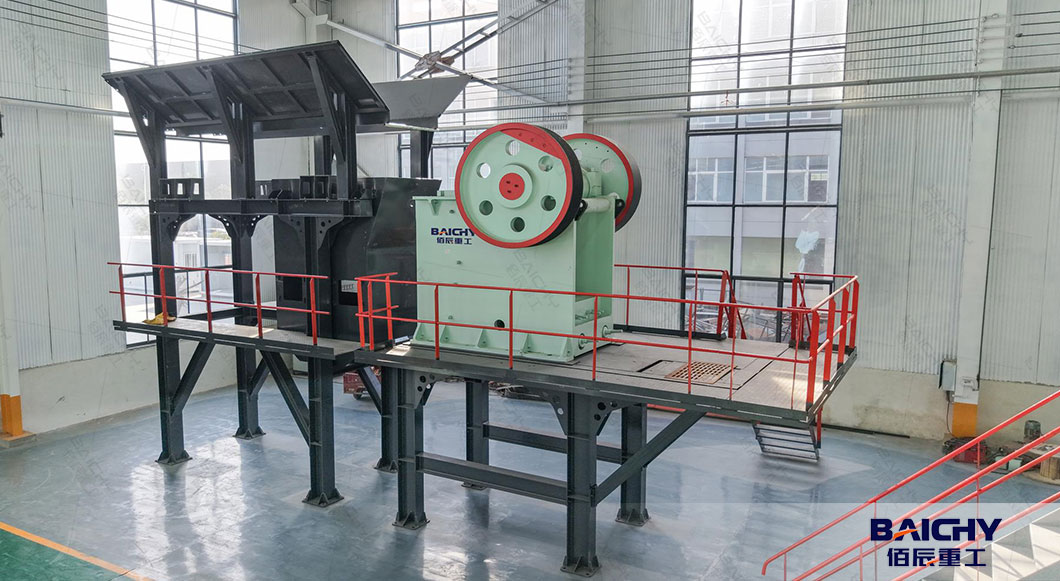
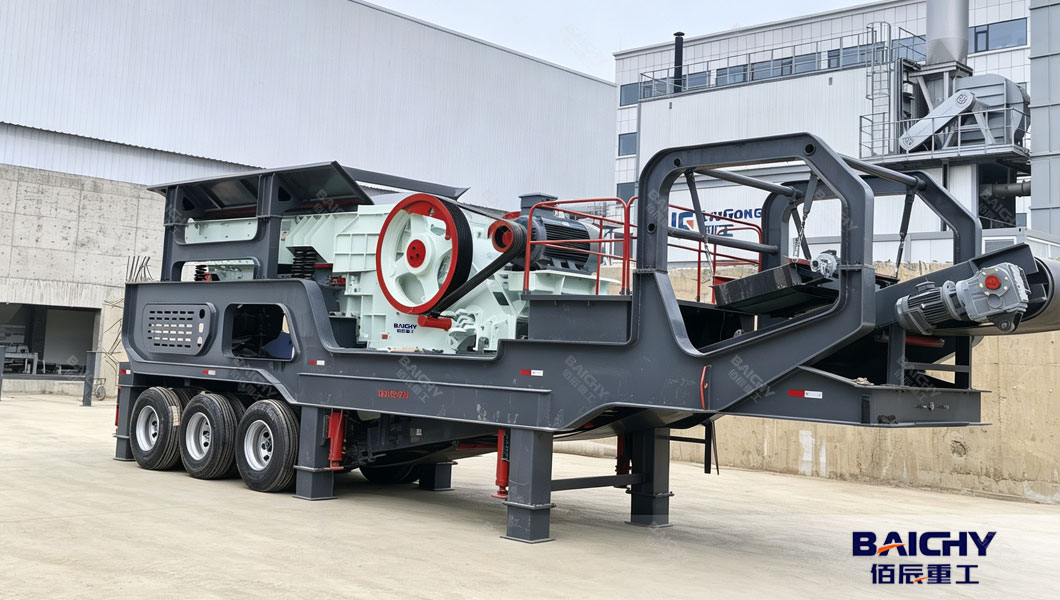
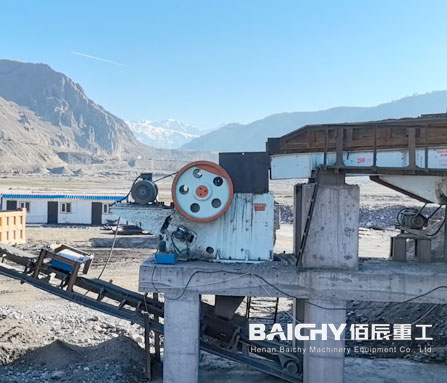
The first stage handles the "Run of Mine" (ROM) material by jaw crusher.
● The Role: It takes large boulders (up to 600-700mm) and crushes them down to a manageable size (100-200mm).
● Why It Works: Mounted on the steel frame, the vibration is absorbed by the structure design, ensuring stability without needing to be buried in the ground.
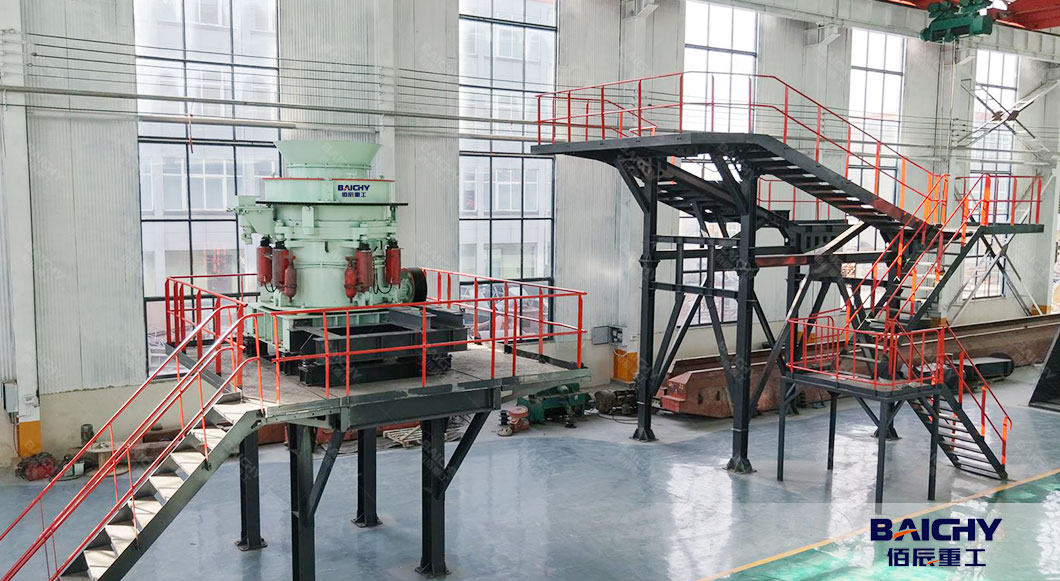
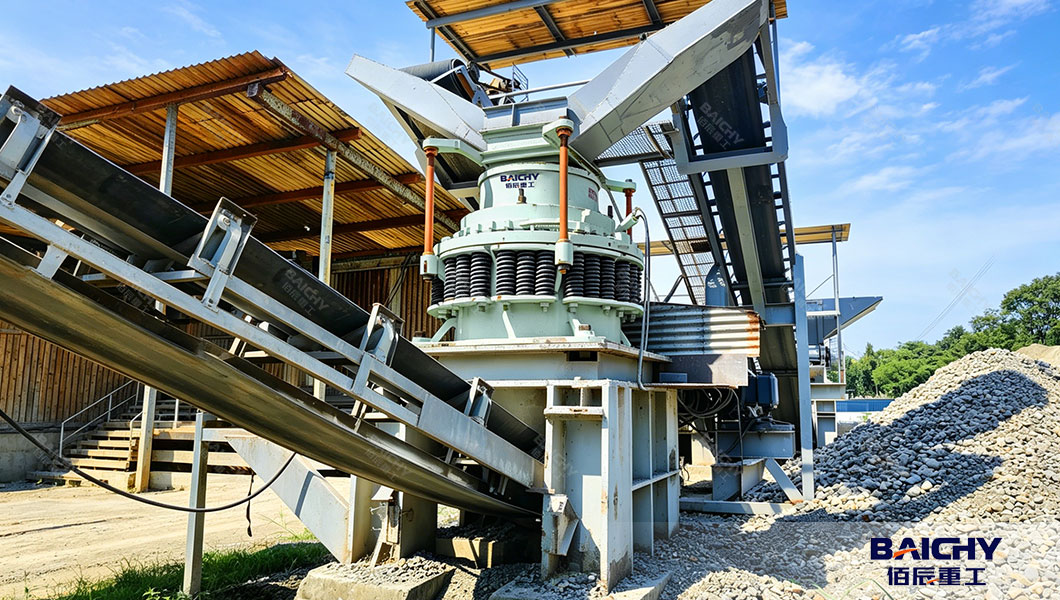
This is the game-changer. Why choose Multi-Cylinder cone crusher over a traditional spring cone or single-cylinder?
● Lamination Crushing: The multi-cylinder design crushes rock against rock, not just against steel. This produces a highly cubical product (perfect for high-grade concrete and asphalt).
● Hydraulic Protection: If a piece of excavator tooth or steel enters the chamber, the hydraulic cylinders instantly release the pressure, letting the steel pass, and then automatically reset. No manual clearing, no downtime.
● High Throughput: For the 150-250 TPH range, a Multi-Cylinder Cone (like the HPT300 or HP300 equivalent) is the perfect match. It eats what the Jaw Crusher spits out without bottling up.

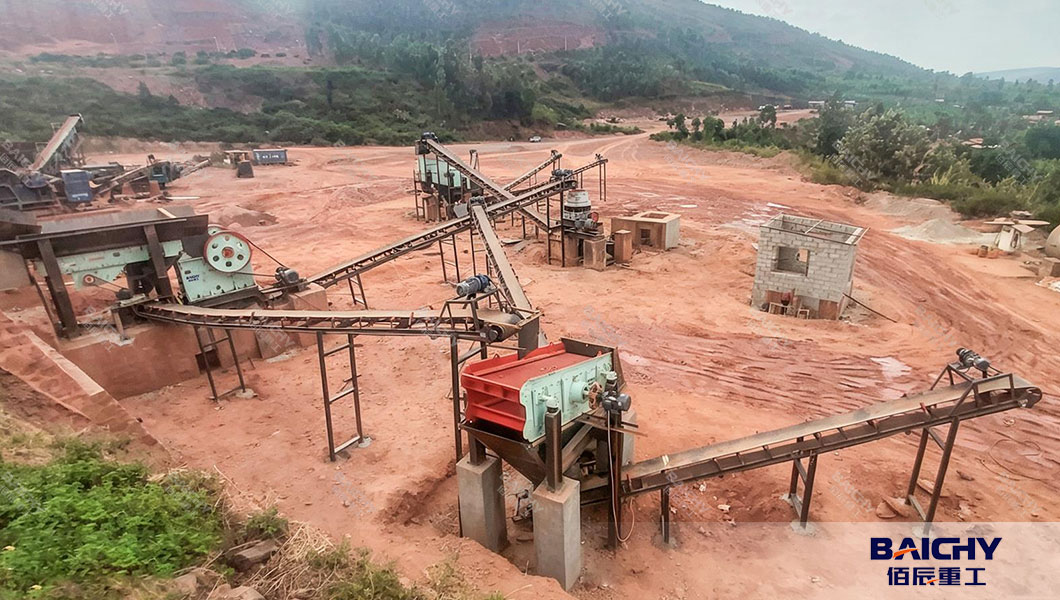
● Feeding: A Vibrating Feeder loads raw stone into the Jaw Crusher.
● Primary Crush: Big rocks become medium rocks.
● Transfer: A belt conveyor moves the material to the Multi-Cylinder Cone Crusher.
● Secondary Crush: The Cone Crusher pulverizes the stone into gravel.
● Screening: The material hits the Vibrating Screen (mounted on the same steel structure).
● Good Stone: Sized material (e.g., 0-5mm, 5-10mm, 10-20mm) goes to stockpiles.
Oversize Stone: Large stones are sent back to the Cone Crusher for a second round (Closed Circuit).

If you are a project manager or a quarry owner, here is why you should sign off on this design:
1. Rapid Installation (Time is Money)
A traditional concrete plant takes 3-4 months to build. A Steel Structure plant can be assembled and running in 30-45 days. That is two extra months of production and revenue.
2. Reduced Civil Costs
Concrete, rebar, and labor are expensive. By using a steel frame, you reduce your civil engineering costs by up to 60%.
3. Compact Footprint
These plants are designed vertically and compactly. They take up less land area than spread-out fixed plants, which is vital if your site has limited space or difficult terrain.
4. High Resale Value
A concrete foundation has zero resale value. A Steel Structure plant is an asset. If you upgrade or close the business, you can sell the entire plant—steel frames and all—to another buyer.
The 150-250 TPH integrated steel structure stone crusher (jaw + multi-cylinder hydraulic cone crusher) is a versatile, high-performance solution for large-scale stone crushing. Its integrated design saves time and space, while the powerful crushing combination delivers high-capacity, high-quality aggregates.Don't get stuck in the mud with old-school designs. [Contact us today] to get a layout drawing and quote for a customized Steel Structure Crushing Plant.
Save Time! Get A Detailed Quotation Quickly.