The Small Raymond Mill 3R1510 is a compact, efficient solution for small to medium-scale operations. It iS prerfect for labs, small mines, and processing plants with space limits. This machine blends performance and practicality. It handles non-metallic ores like limestone and calcite minerals into fine powder (80–425 mesh) easily.
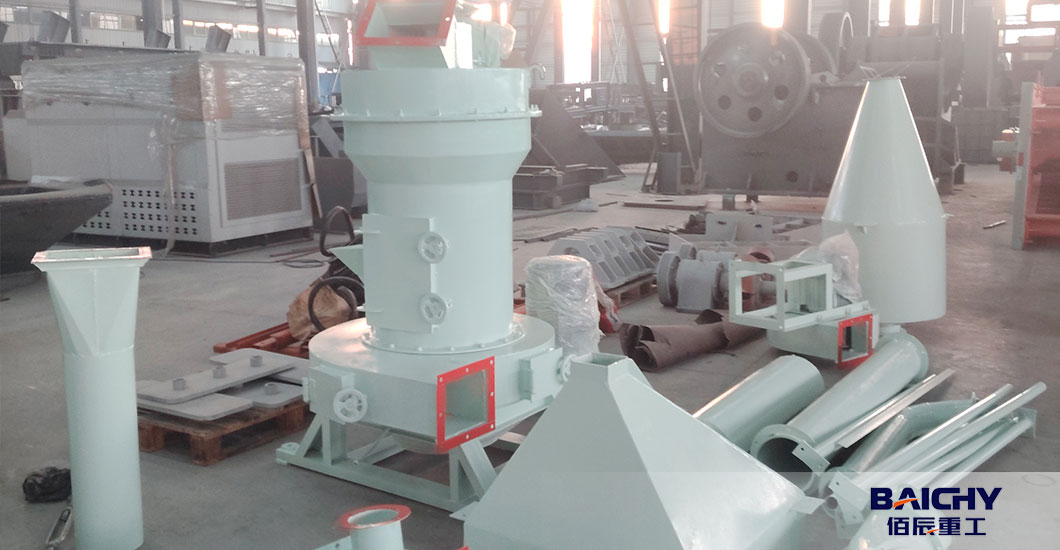
Key Technical Specifications
● Number of Rollers: 3
● Production Capacity: 0.3 – 1.2 tons per hour (TPH)
● Max Feed Size: ≤ 15 mm (Raw material must be crushed small first)
● Output Size: 80 – 425 Mesh (Adjustable)
● Main Motor Power: 7.5 KW or 11 KW (depending on manufacturer)
● Overall Weight: Approx. 2–3 Tons
Applications: What Can It Process?
The raymond powder ginding mill is designed for non-flammable and non-explosive materials.
Material Constraints:
● Hardness: Mohs hardness must be less than 9.3.
● Humidity: Moisture content must be less than 6%.
Common Materials:
● Soft Minerals: Gypsum, Talc, Kaolin, Clay.
● Medium-Hard Minerals: Limestone, Calcite, Barite, Dolomite, Marble.
● Industrial: Glass, thermal insulation materials, activated carbon.
Note: It is NOT suitable for metal ores (like gold or iron) or plastics.
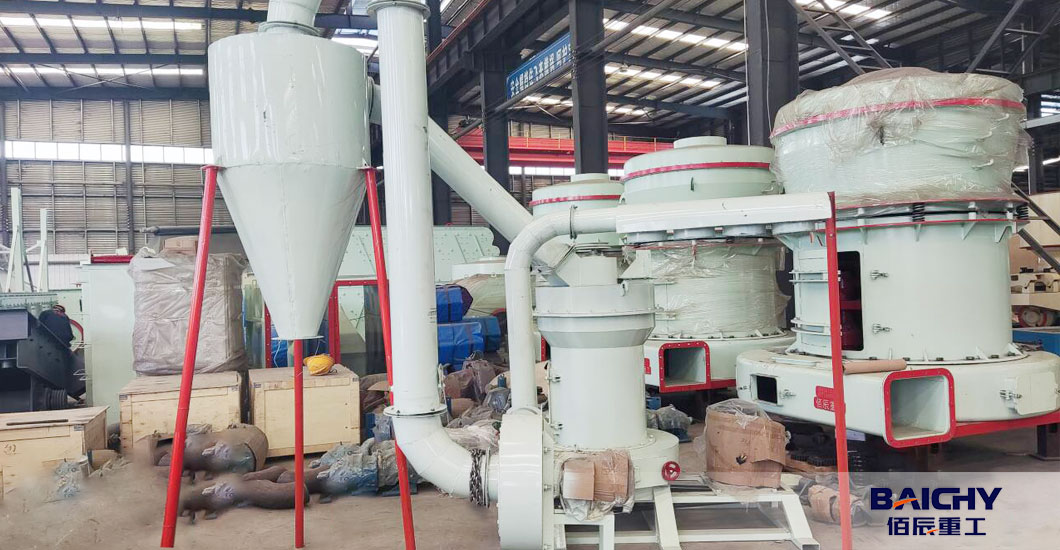
5 Major Advantages of the 3R1510
Why is this specific model so popular for small-scale grinding?
1. Compact Vertical Structure
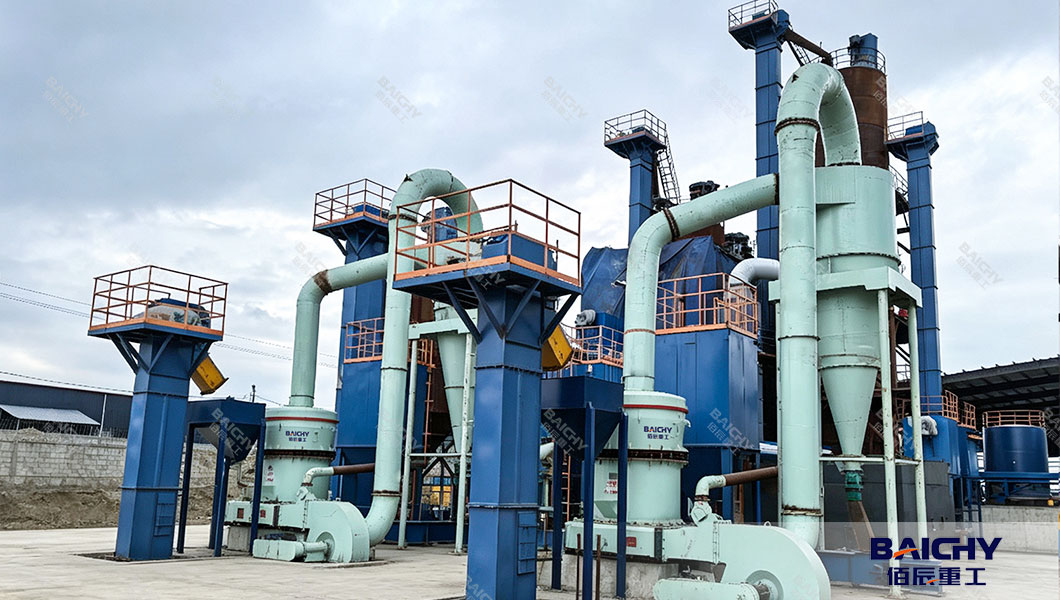
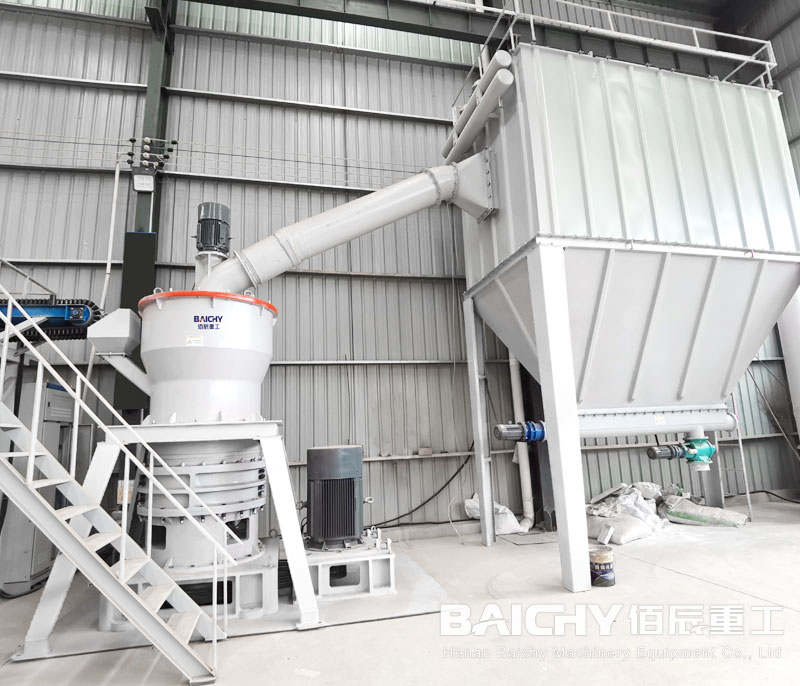
The small raymond mill 3R1510 uses a "stereochemical" structure. The entire production line—from the raw material bin to the final cyclone collector—is arranged vertically. This independent system occupies a very small floor area, saving you money on factory space.
2. High Screening Rate
Unlike ball mills, the Raymond mill has an exceptionally high passing rate. The finished powder is uniform. Up to 99% of the product can pass through the sieve, ensuring consistent quality for your customers.
3. Reliable Transmission
The transmission device of the main unit uses a sealed gearbox and pulley. This ensures smooth operation and reliable power transfer with low noise.
4. Durable Wear Parts
Key components, such as the grinding rollers and grinding rings, are cast from high-manganese steel. This maximizes their service life, even when processing abrasive materials like limestone.
5. Cost-Effective Investment
For a startup or a small plant, the 3R1510 offers the best price-to-performance ratio. It requires a much lower initial capital investment than large vertical roller mills (VRM) or ball mills.
Working Principle
The operation of the 3R1510 is simple and effective:
● Feeding: Crushed raw material is fed into the main chamber.
● Grinding: The central shaft rotates, causing the 3 rollers to swing outward due to centrifugal force. The rollers press tightly against the grinding ring.
● Scooping: A blade scoops material up and feeds it between the roller and the ring, where it is crushed into powder.
● Classifying: A blower pushes air into the chamber. The air carries the powder up to the Analyzer. Coarse powder falls back down for regrinding.
● Collecting: Fine powder that meets the size requirement passes through the analyzer and enters the Cyclone Collector, where it is discharged as the final product.
Maintenance and Spare Parts
To keep the 3R1510 running for years, you must maintain the wear parts.
Key Wear Parts:
● Grinding Roller: The moving part that crushes the stone.
● Grinding Ring: The stationary liner against which the stone is crushed.
● Scraper Blade: Lifts the material.
Maintenance Schedule:
● Daily: Check oil levels in the gearbox. Ensure bolts are tight.
● Every 500 Hours: Inspect the rollers and rings. If the wall thickness is less than 10mm, they should be replaced to maintain efficiency.
● Lubrication: Add grease to the roller bearings regularly. Do not let dust enter the bearings.
The Small Raymond Mill 3R1510 is a good choice for limestone and calcite grinding. It offers compact size, adjustable fineness, and energy efficiency. Low cost, eco-friendliness, and easy maintenance make it unbeatable. Whether you’re a small powder grinding mill plant or a lab, it delivers reliable performance. Welcome to contact us to get a customized 3R1510 Small Raymond Mill price list for powder production project.
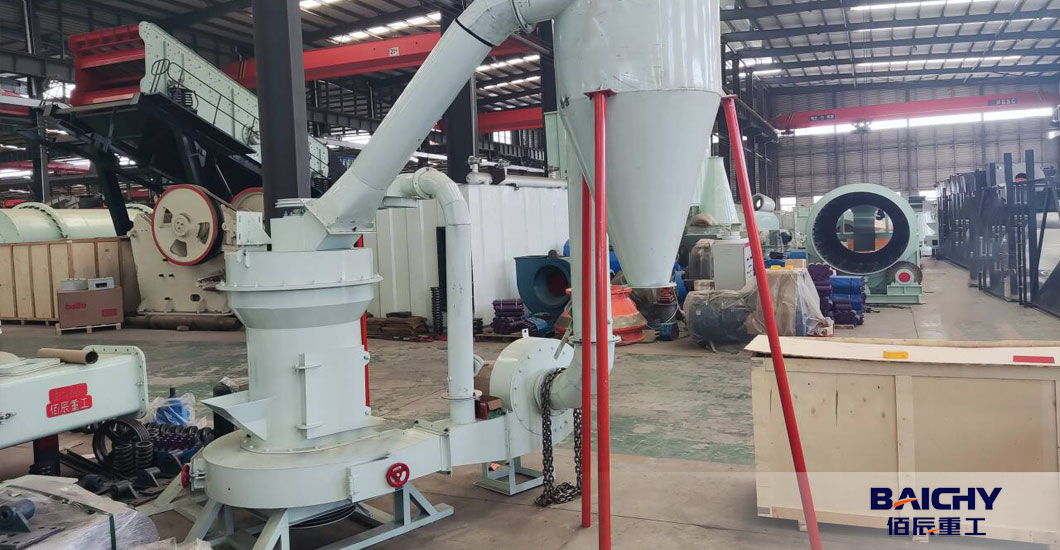
People Also Frequently Asked For - FAQ
1. How do I adjust the output fineness (mesh size) on the 3R1510?
You do not need to change the screen physically to adjust the particle size. The fineness is controlled by the speed of the analyzer (classifier) turbine located above the grinding chamber. To get a finer powder (up to 425 mesh), you increase the speed of the analyzer. To get a coarser product (down to 80 mesh), you decrease the speed. This allows for quick adjustments based on customer requirements.
2. Can the 3R1510 Raymond Mill process wet or sticky materials?
No, this machine is sensitive to moisture. The raw material should have a moisture content of less than 6%. If the material is too wet or sticky, it will adhere to the grinding rollers and clog the airflow channels, causing the machine to lose efficiency or shut down. If your material is wet, it must be passed through a dryer before entering the mill.
3. What is the difference between a Raymond Mill and a Ball Mill?
For soft to medium-hard minerals like limestone (80-400 mesh), the Raymond Mill is generally superior to a Ball Mill. The 3R1510 has a smaller footprint, consumes less energy, and produces a more uniform powder with a higher passing rate (99%). A Ball Mill is typically better suited for highly abrasive materials or when ultra-fine grinding (micro-powder) is required.
4. How often do the wear parts need to be replaced?
The service life of wear parts (rollers and rings) depends heavily on the hardness of the material you are processing. For soft materials like limestone or calcite, the parts may last 1,000 hours or more. However, if processing harder materials close to the limit (Mohs 7-9), the lifespan may drop to 500 hours. Regular inspection is recommended to ensure the wall thickness remains above 10mm.




 2026-10-09





 86-15093113821
 86-15093113821