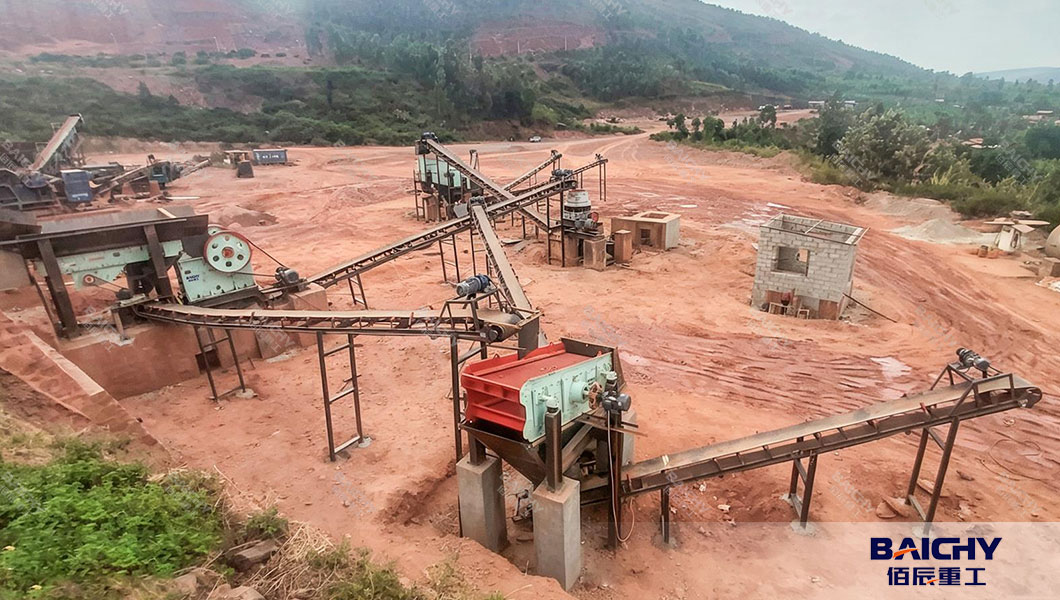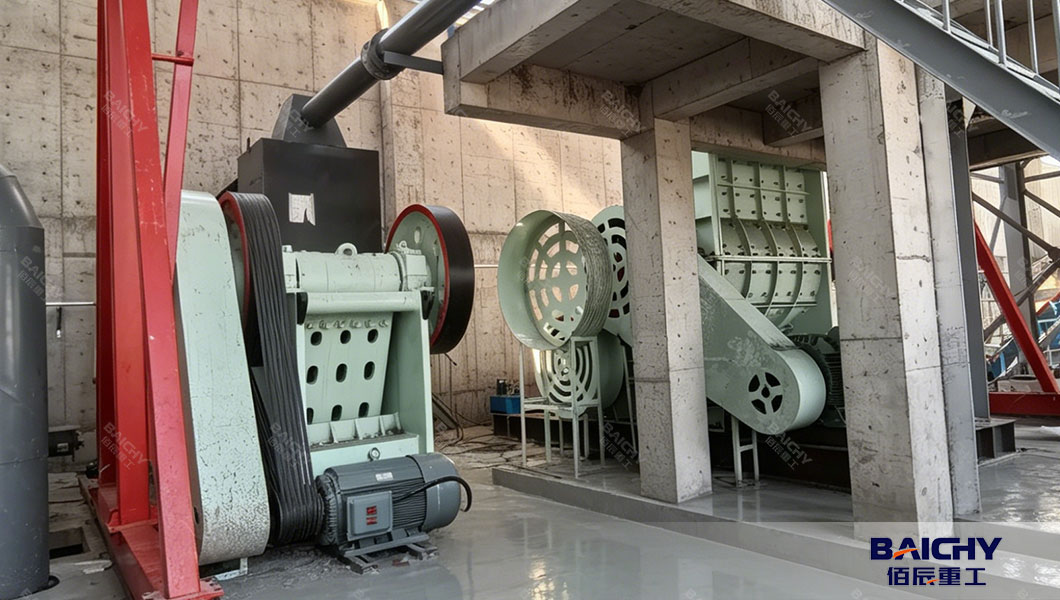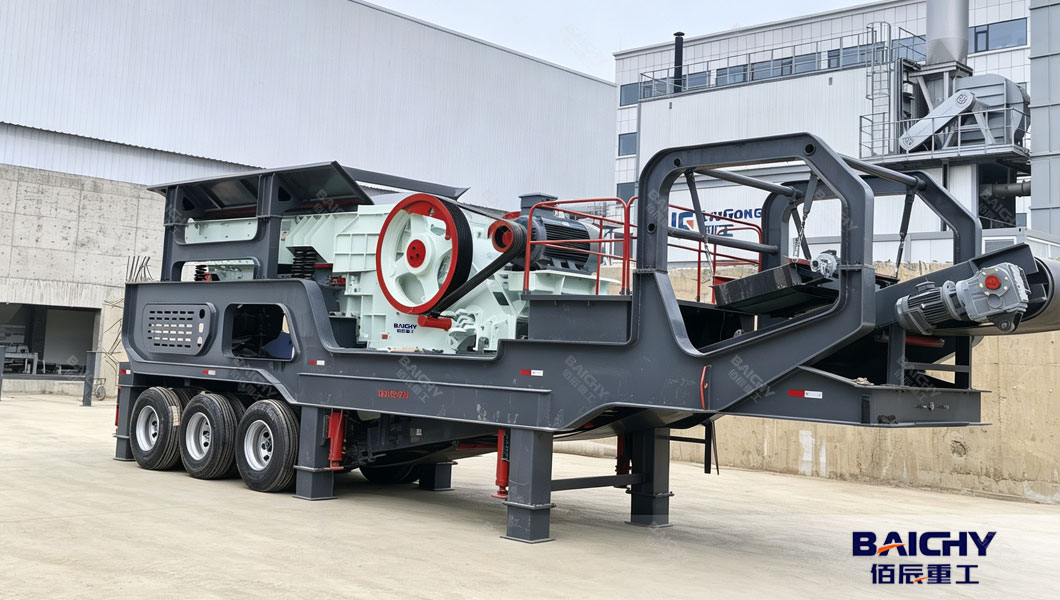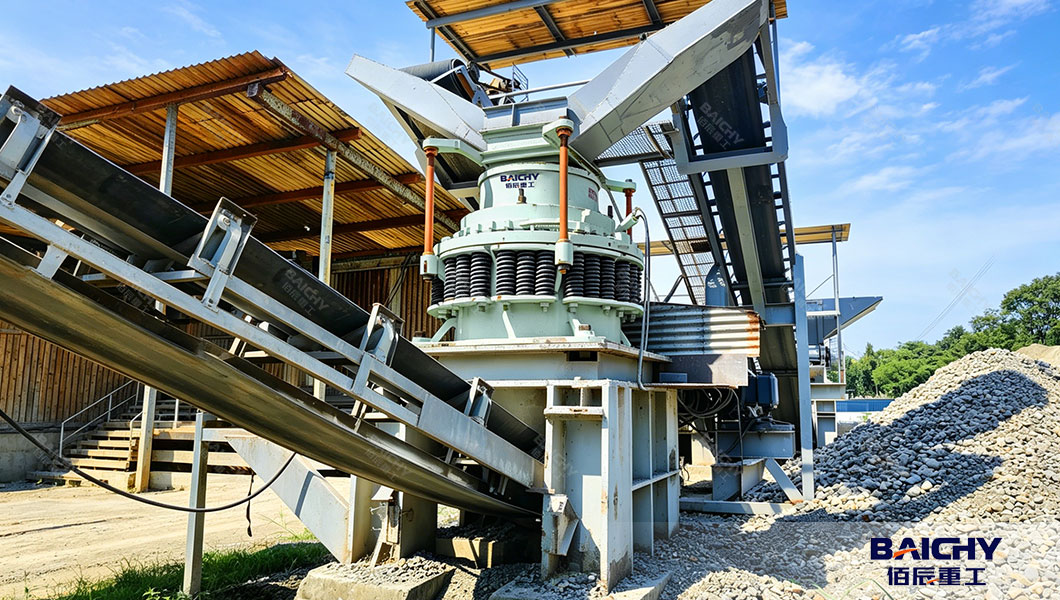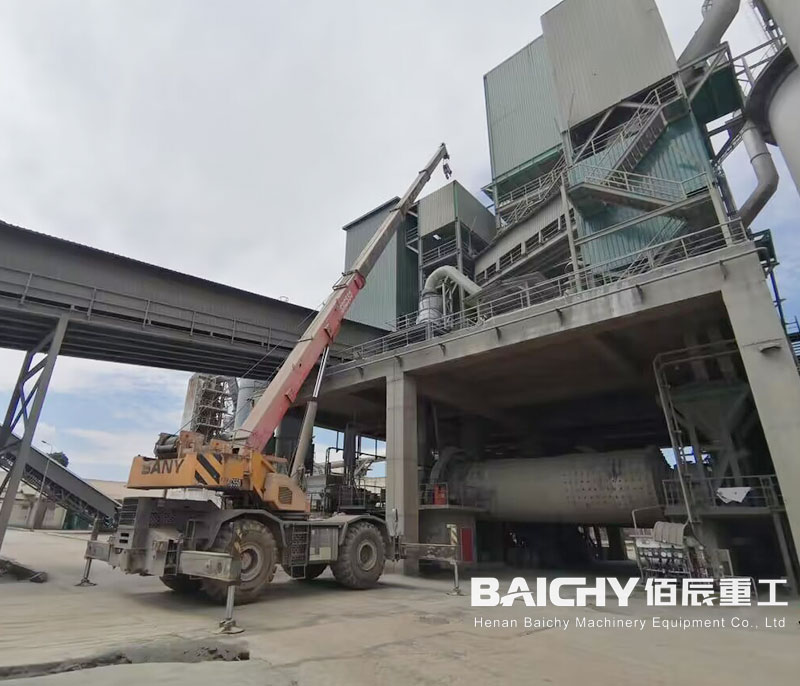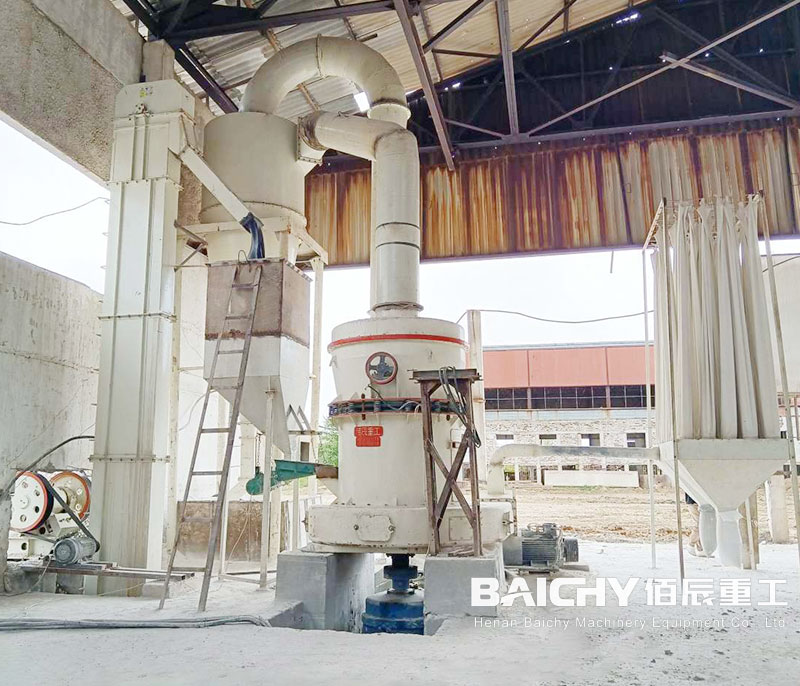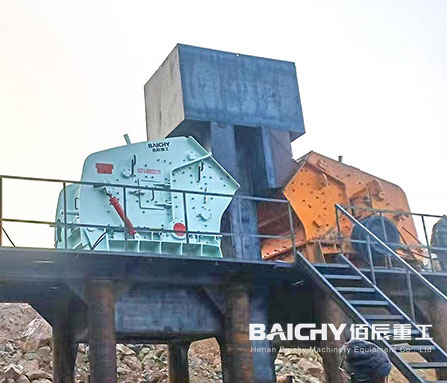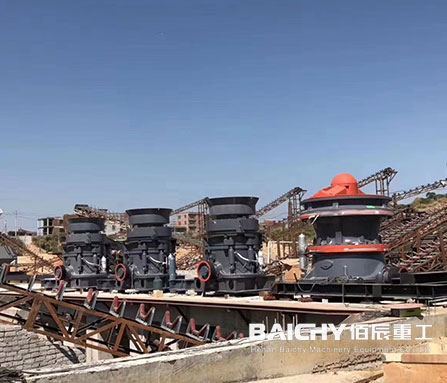
Just this week, Baichy Machinery successfully shipped a complete set of core equipment—including a Heavy-Duty Shredder, Rotary Dryer, and Rotary Drum Screen—to our international client. These machines are the heartbeat of a modern organic fertilizer plant. Following this successful delivery, our technical engineers are here to answer the most frequent questions: How do you turn waste into wealth? What is the professional process

An Organic Fertilizer Production Line is a systematic industrial process that converts organic waste into high-quality, commercial-grade fertilizer granules. Unlike chemical fertilizers, organic fertilizer is rich in organic matter and N-P-K elements derived from natural sources.
● Agricultural Waste: Straw, bean dregs, cotton dregs, rice bran.
● Animal Manure: Chicken manure, cow dung, pig manure, sheep manure (High Nitrogen source).
● Industrial Waste: Distiller's grains, vinegar residue, sugar residue, furfural residue.
● Municipal Sludge: River silt, sewage sludge, household garbage.
● Turning these "pollutants" into fertilizer not only solves environmental headaches but creates a high-margin product for the agricultural market.
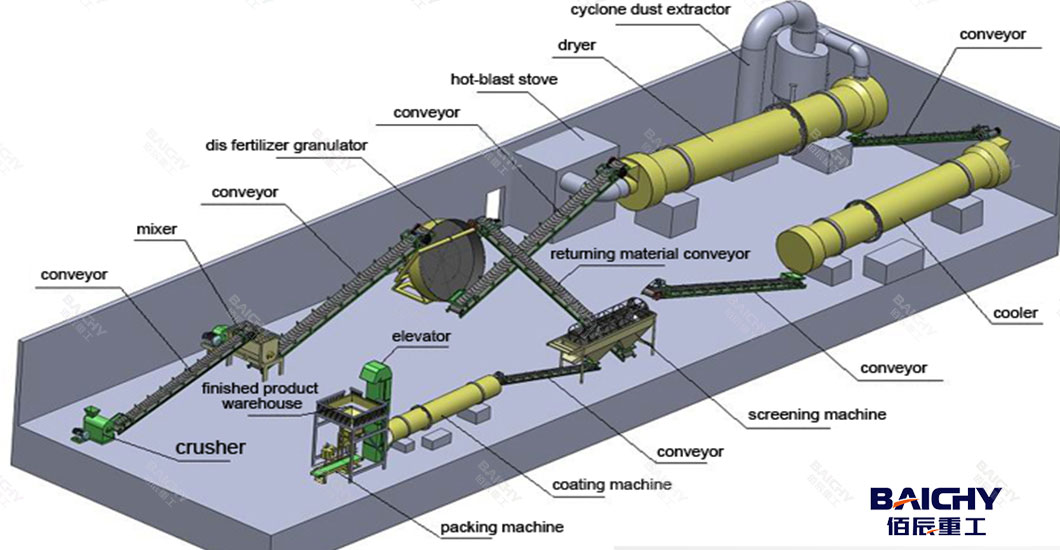
A professional line is not just about "crushing and mixing." It involves biological fermentation and mechanical processing. Here is the standard flow chart recommended by Baichy engineers:
Before processing, raw materials must undergo aerobic fermentation. This kills harmful bacteria, weed seeds, and parasite eggs while reducing moisture.
Equipment: Compost Turner (Groove type or Crawler type).
After fermentation, the materials may form agglomerates. We use a Shredder Machine (Crusher) to pulverize the composted material into fine powders.
Why it matters: Fine powder ensures uniform granulation in the later stages.
Nutrients (like N, P, K additives) are added to the organic powder. A Horizontal Mixer blends these materials evenly to ensure every granule contains the same nutrient ratio.
This is the most critical step. The mixed powder is fed into a Granulator to form spherical particles.
Options: Disc Granulator (lower cost, good for small plants) or Rotary Drum Granulator (high output, harder granules).
Fresh granules have high moisture.
Rotary Dryer: Uses hot air to reduce moisture content to <15%, increasing the fertilizer's shelf life.
Rotary Cooler: Rapidly cools the hot granules to prevent them from sticking together and increases particle strength.
The Rotary Drum Screen separates the finished product.
Oversized/Undersized particles are returned to the crusher for re-processing.
Qualified granules move to the packaging stage.
The final granules are weighed and packed into bags (e.g., 50kg) by an Automatic Packing Machine for sale.
Why is the global demand for organic fertilizer equipment exploding?
1. "Waste to Wealth" (Low Raw Material Cost): Your main inputs—manure, sludge, and straw—are often free or extremely cheap. In many cases, farms will pay you to take the waste away. This ensures a massive profit margin compared to chemical fertilizer production.
2. Government Policy Support:Governments worldwide are cracking down on chemical pollution and subsidizing organic farming. Producing organic fertilizer often qualifies for tax breaks and environmental grants.
3. Soil Improvement (Market Demand): Long-term use of chemical fertilizers hardens the soil. Organic fertilizer improves soil structure, aeration, and water retention. Farmers are actively switching to organic blends to restore their land's fertility.
4. Scalable & Flexible: Baichy’s production lines are modular. You can start with a small capacity (1-5 tons/hour) and expand equipment as your market grows.
From the Shredder machine to the Rotary Dryer and Drum Screen, Baichy Machinery provides the full lifecycle of equipment. We don't just ship machines; we provide installation, formula guidance, and long-term after-sales support. Send us your raw material type and expected capacity per hour. Click here to get a Custom Proposal.
Save Time! Get A Detailed Quotation Quickly.