Agricultural gypsum serves as a valuable soil conditioner to improve soil structure, reduce compaction and boost crop performance. Large‑volume raw materials such as FGD gypsum and phosphogypsum are widely adopted as feedstock. The Raymond mill is a classic, cost‑effective non‑metallic mineral grinding option, and many producers choose 5tph‑capacity Raymond mill lines to make agricultural gypsum powder.
Nevertheless, due to special physical‑chemical features of gypsum and limitations of medium‑small‑capacity Raymond mill units, operators frequently face unexpected downtime, quality defects and high operating costs. This blog sorts out core practical pain‑points in real‑world production and delivers actionable optimization & selection advice for plant managers and equipment buyers.
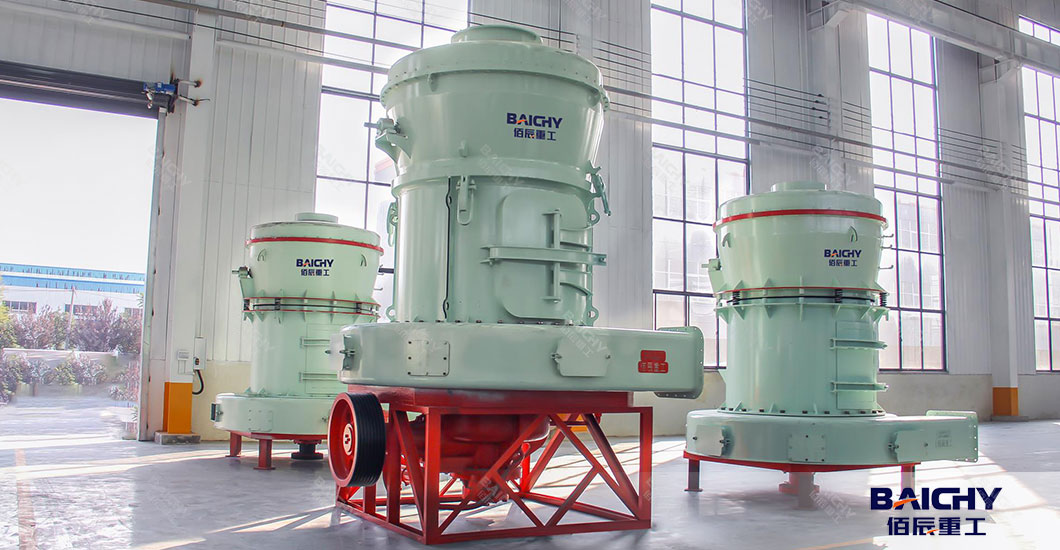
Main Production Pain‑Points of 5tph Raymond Mill for Agricultural Gypsum
1. Mill Coating, Blockage and Dihydrate Gypsum Dehydration
Most FGD gypsum and phosphogypsum feedstock carry free moisture of 10%‑15%, far higher than Raymond mill’s recommended inlet moisture below 6%. Excess moisture causes material adhesion on grinding rollers, grinding rings and shovels, known as “mill coating”. Consequences include sharp output drop, high main‑motor current and even mill stalling.
Another hidden risk comes from frictional heat inside the grinding chamber. When internal temperature exceeds approximately 107°C, dihydrate gypsum (CaSO₄·2H₂O) loses crystal water and turns into hemihydrate gypsum (plaster of Paris). Once transformed, gypsum powder will re‑harden when contacting soil moisture or irrigation water, resulting in soil compaction and crop yield loss — the finished product completely loses its agricultural amendment function.
2. Mismatched Particle‑size Distribution for Farm Application
Agricultural gypsum normally requires 80‑200 mesh powder; for bulk field spreading, 40‑100 mesh is sufficient. However, 5tph Raymond mill adopts closed‑circuit air classification. Short air ducts and limited low‑speed adjustment accuracy of the classifier easily generate excessive ultra‑fine powder finer than 325 mesh.
Too many fine fractions create heavy dust and material loss during field spreading, and also negatively impact granulation. Reducing classifier speed to get coarser powder without matching fan airflow causes over‑grinding inside the mill and higher specific power consumption. There is a clear imbalance between finished‑product yield and energy cost.
3. Dust Collector Condensation and Bag Blinding
Raymond mill relies on high‑volume airflow for powder conveying. Water vapor released from heated gypsum enters the pulse baghouse filter. Once gas temperature drops under the dew‑point, moisture condenses on filter bags and mixes with gypsum dust, forming hard crusts (“bag blinding”). This brings rapid system negative‑pressure loss, dust leakage and drastically shortened filter‑bag service life.
Moreover, cyclone separators on standard 5tph lines only achieve 85%‑90% collection efficiency. The remaining 10%‑15% micro‑powder flows to the bag filter, putting heavy load on dust‑removal hardware. Minor air leakage leads to severe workshop dust pollution.
4. Corrosion & Abrasion from By‑product Gypsum
Phosphogypsum or incompletely washed FGD gypsum contains residual free acid and chloride ions. Under hot‑humid operating conditions, these substances trigger electrochemical corrosion on pipes, classifier blades, cyclone inner walls and dust‑collector cabinets, shortening equipment service life.
Hard impurities such as quartz sand and calcite inside raw gypsum accelerate wear on rollers, rings and shovels of the small‑size 5tph mill, increasing maintenance frequency and production halt time.
5. Economic & Automation Limitations for 5tph Scale
Typical 3R / 4R Raymond mill for 5tph output has total installed power of 75‑110 kW, specific power consumption reaching 15‑22 kWh per ton, higher than large vertical roller mills.
Standard Raymond mill has limited in‑situ drying performance. If high‑moisture FGD / phosphogypsum is used, an extra rotary dryer is mandatory. This adds capital investment, footprint and fuel cost. Poor hot‑air control may accidentally dehydrate dihydrate gypsum into hemihydrate gypsum.
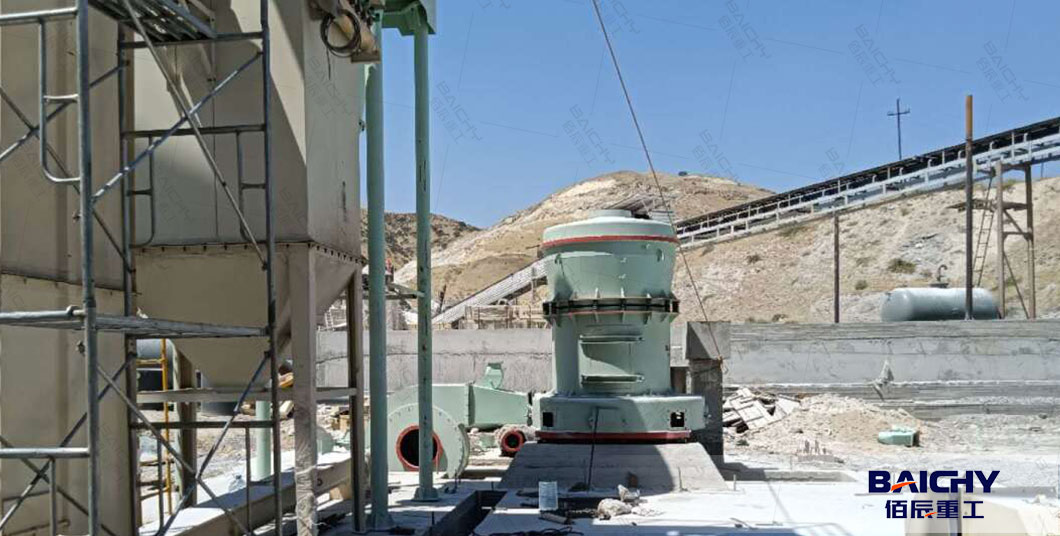
General Improvement Suggestions
- Raw‑material pre‑treatment: Stack and drain FGD or phosphogypsum naturally, or apply low‑temperature hot‑air pre‑drying and keep discharge temperature below 85°C. For feed moisture between 6%‑8%, introduce moderate low‑temperature hot air into the mill circuit and fully insulate ducts to avoid condensation.
- Optimize classification and airflow: Retrofit classifier blades and install frequency converter. Operate at lower rotating speed to obtain 80‑150 mesh coarser finished powder. Increase fan airflow capacity appropriately so qualified coarse powder exits the grinding chamber quickly, mitigating both over‑grinding and internal heat build‑up.
- Upgrade dust‑removal system: Deploy oil‑water‑repellent PTFE membrane filter bags. Insulate cyclone, bag‑house cabinet and main air ducts with 50 mm rock wool plus color‑steel cladding to prevent dew‑point condensation.
Route Comparison: Which Grinding Solution Fits You?
| Evaluation Item |
Option A: Custom-Modified 4R Raymond Mill (Mainstream Pick) |
Option B: Hammer / Cage Mill + Screening (Low-Cost Alternative) |
Option C: Small Vertical / Column Mill (High-End Alternative) |
| Application Precondition |
Feed moisture below 6%; finished powder 100-200 mesh for direct spreading or granulation |
Feed moisture below 10%; finished 40-100 mesh for large-field mechanical spreading |
Sufficient budget; feed moisture 8-12%; expect integrated drying-grinding and energy saving |
| Core Advantages |
Moderate CAPEX (approx USD 21,000-36,000), wide fineness range, full negative-pressure environmental performance |
Lowest investment (approx USD 7,000-14,000), no high-temperature dehydration risk, less mill coating |
20-30% power saving, partial in-built drying capacity, low wear rate |
| Critical Caveats |
Non-standard customization required for air duct, classifier and dust collector |
Anti-blinding screen (string screen) needed; cannot produce 200-mesh fine powder |
Small-capacity 5 tph models have limited market stock; high purchase price and technical-support threshold
|
Six Mandatory Non‑standard Customization Requirements If You Select 5tph Raymond Mill
If you confirm the Raymond‑mill path, select 4R3016 or 4R3216 rather than 3R models, since 3R cannot steadily hit 5 t/h for agricultural gypsum. Write down below six requirements in your technical agreement with suppliers:
- Oversize model for capacity margin against nominal‑rating overstatement Manufacturers’ 5 tph rating is usually peak theoretical output for 200‑mesh calcite. Gypsum is light‑weight and adhesive, actual throughput often falls to 70‑80% of nominal value. Adopt 4R3218 / 4R3620 configuration to guarantee real‑world ≥5 t/h at 100‑150 mesh and avoid continuous full‑load overheating.
- Temperature‑control design to prevent gypsum dehydration Fit temperature sensor at mill outlet before cyclone separator, connect to control cabinet: alarm threshold 95°C, shutdown threshold 105°C. Equip manual / motorized cold‑air damper on intake duct. Inject ambient cold air once outlet temperature approaches 90°C, protecting dihydrate crystal structure.
- Customized classifier & fan to reduce over‑grinding Equip variable‑frequency drive for classifier. Request supplier to adjust blade quantity / angle for stable 80‑150 mesh output under low‑frequency (15‑25 Hz) running. Select fan with 15‑20% higher airflow than standard calcium‑carbonate setup. Quick evacuation of qualified powder shortens material residence time inside mill, cutting both over‑grinding and heat.
- Dust‑collector anti‑blinding configuration Limit filter wind speed ≤0.8 m/min, choose one‑size‑larger dust collector. Specify “oil‑water‑repellent PTFE membrane polyester needle‑felt filter bags”. Apply 50 mm rock‑wool thermal insulation plus color‑steel cladding for cyclone, bag‑house and main ducts.
- Pre‑treatment and anti‑corrosion for high‑moisture / acidic gypsum Do NOT feed gypsum with moisture >6% directly into Raymond mill. For budget‑limited projects, build sun‑shed for natural drying down to <6%. If dryers are necessary, pick low‑temperature dispersing hot‑air dryer (hot‑air <150°C, material outlet <80°C), avoid high‑temperature direct‑fire rotary dryers. For phosphogypsum / acid‑containing FGD gypsum, coat elbows, cyclone inner wall and dust‑collector cabinet with acid‑resistant epoxy coal‑tar pitch paint; use 304 stainless‑steel for classifier blades.
- Upgrade shovel and wear‑resistant components Add anti‑sticking scrapers for shovel holder. Use 65Mn surfacing or high‑chromium alloy for shovels. 65Mn or 9CrSi material is adequate for rollers and rings — high‑chromium cast iron brings little extra benefit for soft gypsum and hurts cost‑effectiveness.
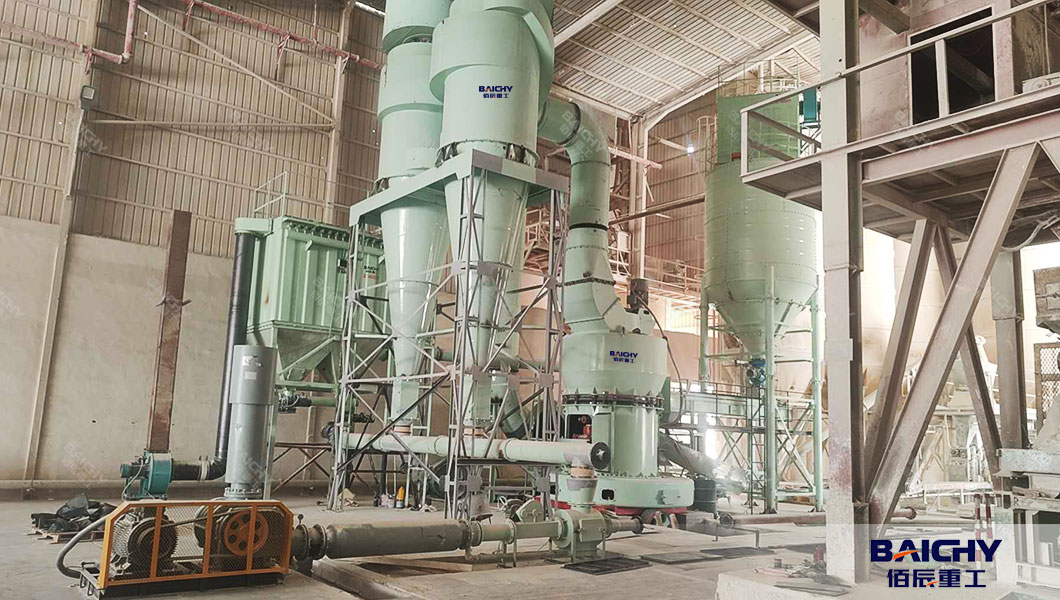
Final Conclusion
The 5tph Raymond mill can deliver competitive results for agricultural gypsum powder, but off‑the‑shelf standard configuration frequently creates quality‑control headaches: gypsum dehydration ruins soil‑amendment performance, bag‑house blinding stops production, while over‑fine powder raises waste and operational expense.
Before purchasing, evaluate your raw‑material moisture, target powder mesh and capital budget. Compare modified Raymond mill, crusher‑screening circuit and small vertical‑mill alternatives. When you settle on a Raymond‑mill solution, strictly enforce the six non‑standard custom‑specifications above in your purchasing contract to achieve stable, high‑quality dihydrate agricultural gypsum powder.
If you are planning a gypsum soil‑amendment production line, check these pain‑points and configuration check‑list against your supplier’s proposal to avoid costly on‑site surprises.
People Also Asked For About Gypsum Powder Grinding mill
1. What's the painpoints about raymond mill for agricultural gypsum?⇒
2. How to control raymond mill temperature below 100°C?⇒
3. How to produce 80–150 mesh agricultural gypsum?⇒
4. How to Prevent Pulse Dust Collector "Bag Blinding"?⇒




 2026-11-23






 86-15093113821
 86-15093113821