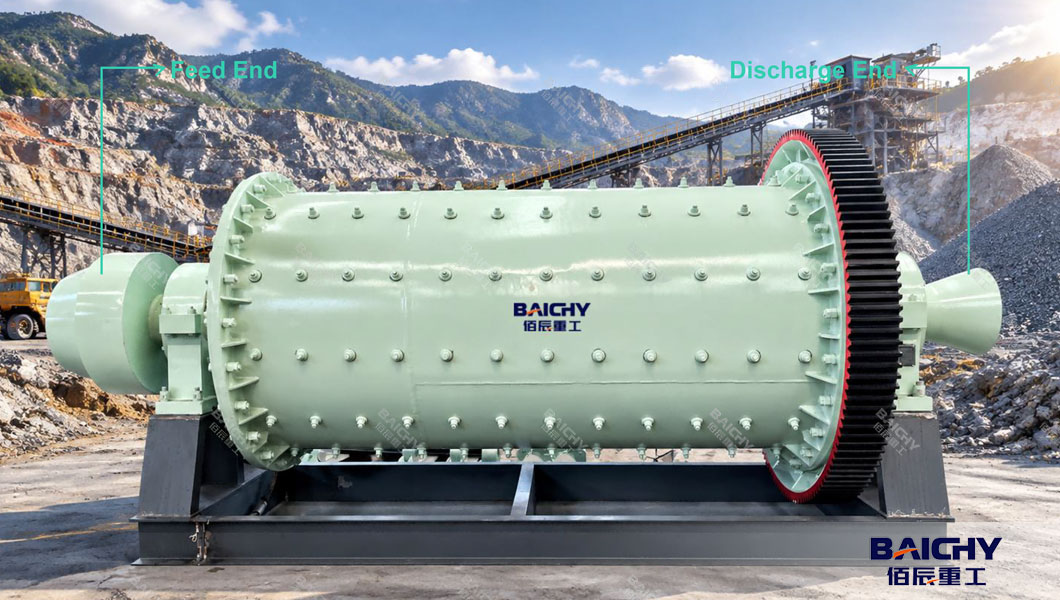
Ball mills are essential grinding equipment used in industries like mining, cement, and chemical processing. They work by rotating a cylindrical drum filled with grinding media to crush and grind materials into finer particles. While ball mills are robust and efficient, neglecting maintenance can lead to poor performance, high energy consumption, and costly repairs.
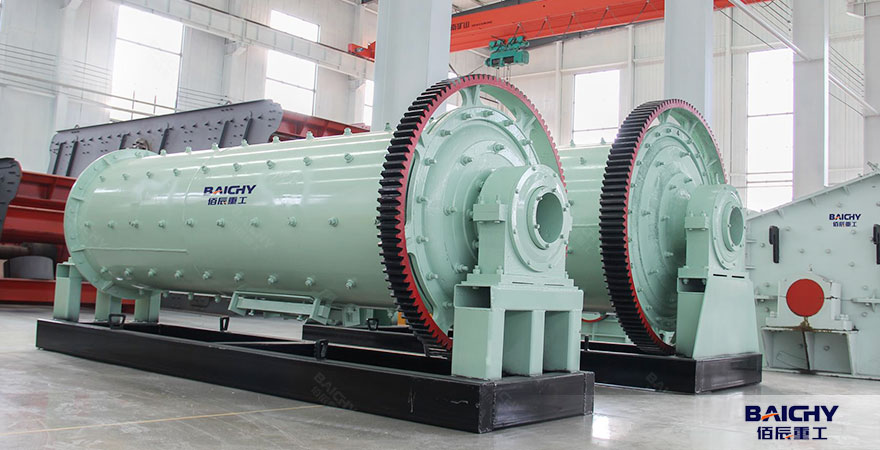
Regular maintenance ensures the ball mill operates smoothly, reduces unexpected downtime, and extends the lifespan of its components. This guide consolidates best practices from industry experts to provide a clear, step-by-step approach to maintaining your ball mill. Whether you operate a small-scale lab mill or a heavy-duty industrial system, following these procedures can optimize your grinding operations and reduce operational risks.
Why Ball Mill Maintenance Matters
Maintaining a ball mill is critical for several reasons.
● Firstly, it prevents unplanned breakdowns and expensive repairs. Ball mills contain many moving parts, such as gears, bearings, and liners, that can wear over time. Regular inspections catch problems early, minimizing downtime and avoiding major failures.
● Secondly, proper maintenance ensures consistent grinding efficiency. A worn liner or unbalanced drum can affect particle size distribution, resulting in poor product quality. Performance issues can also increase energy consumption, raising operational costs.
● Thirdly, maintenance improves safety. Ball mills handle heavy loads, rotating at high speeds. Neglecting components like bearings or lubrication systems can increase the risk of accidents. Finally, systematic upkeep prolongs equipment life, protecting your investment and reducing the need for frequent replacements.
Recommended Maintenance Schedule
The frequency of ball mill maintenance depends on usage and operating conditions. For general applications, an annual deep clean and inspection is recommended. Heavy-duty mills or multi-shift operations may require quarterly or even monthly checks.
Daily maintenance should include visual inspections for leaks, unusual noises, vibrations, and material buildup. Weekly checks can focus on lubrication levels, liner wear, and grinding media condition. Monthly inspections can involve gear alignment, bearing temperature monitoring, and a more detailed evaluation of the mill’s structural integrity.
By following a structured schedule, you can detect minor issues before they become major problems. Recording each inspection also creates a useful maintenance history that helps in planning replacements and predicting failures.
Step 1 – Preparing for Maintenance
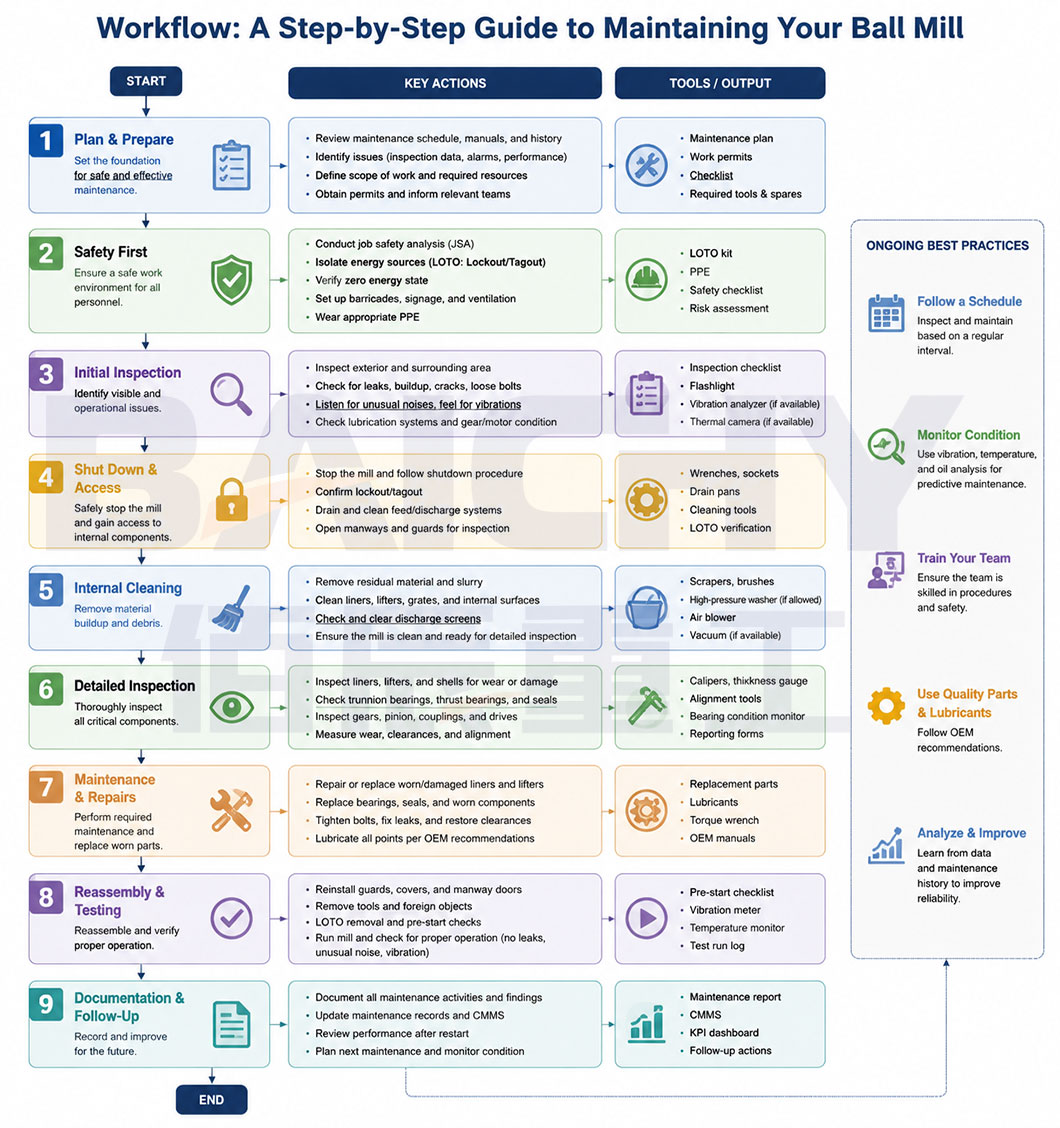
Before starting maintenance, ensure the ball mill is fully shut down and properly locked out to prevent accidental startup. Safety is paramount, so operators should wear appropriate personal protective equipment (PPE), including gloves, helmets, and eye protection.
Clear the surrounding area of debris or excess material to prevent contamination during inspection and cleaning. Gather all necessary tools, such as wrenches, cleaning brushes, and measurement devices, so you can perform maintenance efficiently. Proper preparation sets the stage for a thorough and safe maintenance session.
Step 2 – Cleaning the Ball Mill
Cleaning is a fundamental part of ball mill maintenance. Begin by removing residual materials inside the drum. Use brushes, vacuums, or pressurized air to clear dust and buildup from liners, grinding media, and the discharge chute.
Pay attention to areas where material tends to accumulate, such as corners and behind liners. Regular cleaning prevents contamination between batches and reduces wear caused by abrasive buildup. Avoid harsh cleaning methods that could damage the drum or liners. For heavily used mills, more frequent cleaning may be necessary to maintain efficiency and safety.
Step 3 – Inspection of Components
A detailed inspection identifies worn or damaged components before they cause operational issues. Key areas include:
● Liners: Check for cracks, deformation, or uneven wear. Replace as necessary.
● Grinding Media: Ensure balls are the correct size and replace worn or broken pieces.
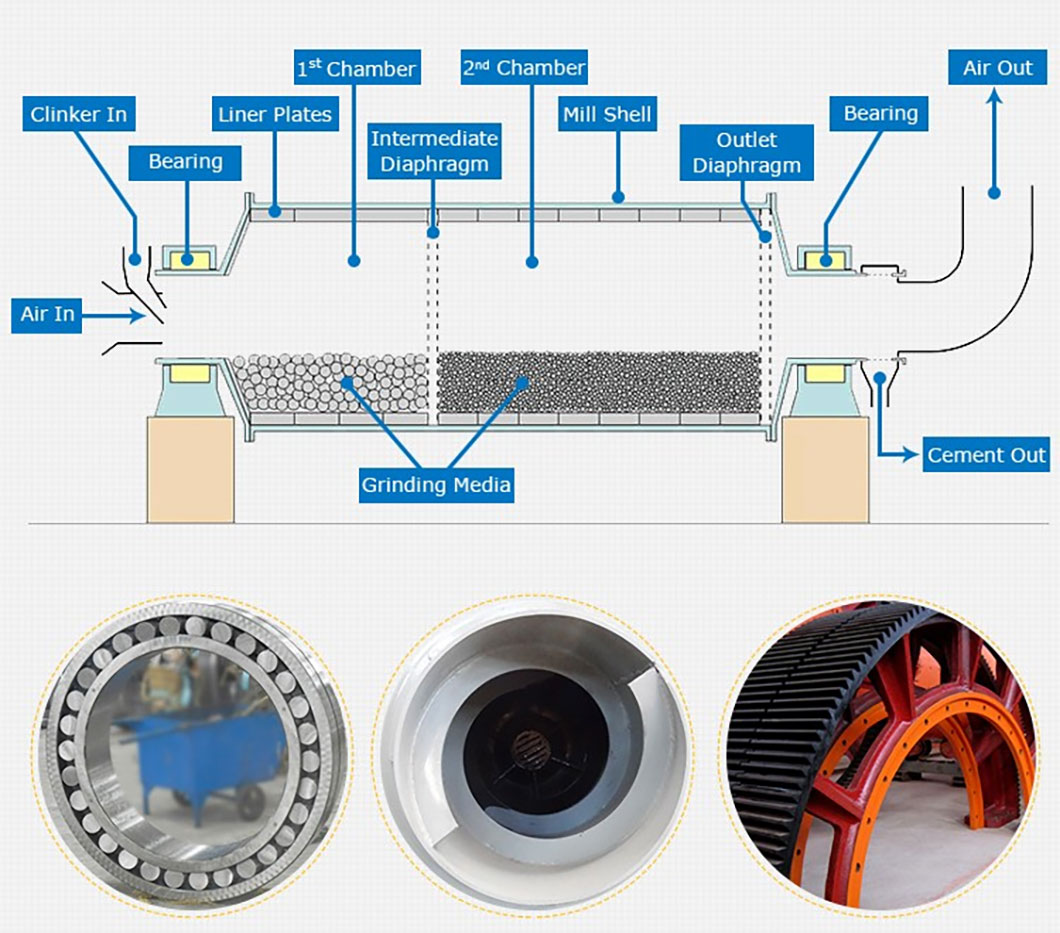
● Gears and Pinions: Inspect for proper alignment, wear, and lubrication. Misaligned gears can cause vibration and energy loss.
● Bearings and Seals: Look for leaks, overheating, or unusual noises. Proper lubrication is critical for smooth operation.
● Drive System: Check motor, belts, and couplings to ensure the mill rotates correctly and efficiently.
Document all findings for future reference, as this helps track wear trends and schedule replacements proactively.
Step 4 – Lubrication and Adjustment
Proper lubrication reduces friction, prevents overheating, and extends component life. Use manufacturer-recommended oils and greases for bearings, gears, and pinions.
Adjust gear backlash, check alignment, and verify the mill rotates in the correct direction. Misalignment or incorrect rotation can lead to uneven wear, vibration, and premature failure. Ensuring all moving parts are properly lubricated and aligned keeps the mill running smoothly and efficiently.
Step 5 – Troubleshooting Common Issues
Even with regular maintenance, some issues may arise. Common problems include unusual noise, excessive vibration, overheating, or material buildup.
Identify the root cause by inspecting affected components, reviewing maintenance records, and observing operational patterns. For example, unusual vibration may indicate misaligned gears or worn bearings, while overheating could result from insufficient lubrication. Take corrective action promptly and document the solution for future reference.
Step 6 – Testing After Maintenance
Once maintenance is complete, perform a controlled test run before resuming full production. Monitor noise levels, vibrations, feed rates, and discharge quality. Make minor adjustments if needed to optimize performance.
Testing ensures that all components are functioning correctly and confirms that the maintenance process was effective. Regular post-maintenance testing helps prevent operational surprises and maintains product quality.
Step 7 – Recordkeeping and Continuous Improvement
Maintaining a detailed log of inspections, repairs, and replacements is essential. These records help plan future maintenance, track component wear, and implement predictive maintenance strategies.
Encourage operators to provide feedback on operational issues and suggest improvements. Over time, structured recordkeeping and continuous learning enhance maintenance efficiency, reduce costs, and extend the life of your ball mill.
Tips for Maximizing Ball Mill Performance
● Clean the mill regularly to prevent material buildup.
● Monitor grinding media size and load to optimize efficiency.
● Train operators on proper handling, safety, and routine inspections.
● Schedule predictive maintenance rather than waiting for failures.
● Address minor issues promptly to avoid costly repairs.
By combining routine maintenance with performance monitoring, you can achieve consistent output, lower energy costs, and prolong the lifespan of your mill.
Systematic ball mill maintenance is essential for safe, efficient, and reliable operation. By following this step-by-step guide—preparation, cleaning, inspection, lubrication, troubleshooting, testing, and recordkeeping—you can maximize performance, reduce downtime, and protect your investment. Regular upkeep ensures that your ball mill continues to operate at peak efficiency for years to come.
People Also Frequently Asked For - FAQ:
Q1: How often should I perform maintenance on my ball mill?
A: The frequency of maintenance depends on usage and operating conditions. For standard applications, a thorough inspection and cleaning should be done at least once a year. Heavy-duty or multi-shift operations may require monthly or quarterly checks. Daily inspections for leaks, unusual noise, vibration, and material buildup are recommended to prevent unexpected downtime.
Q2: What are the most important components to inspect during ball mill maintenance?
A: Key components to check include:
● Liners and grinding media for wear or cracks
● Gears and pinions for alignment and lubrication
● Bearings and seals for leaks, overheating, or vibration
● Drive system (motor, belts, couplings) for proper rotation and efficiency
● Inspecting these parts regularly ensures consistent performance, reduces energy consumption, and prevents costly repairs.
Q3: How can I extend the life of my ball mill?
A: To maximize ball mill lifespan:
● Clean the mill regularly to remove buildup and prevent abrasion.
● Lubricate all moving parts according to manufacturer specifications.
● Monitor grinding media and component wear and replace them timely.
● Schedule predictive maintenance rather than reacting to failures.
● Train operators on proper handling and safety practices.
Following these practices keeps the mill efficient and minimizes downtime.




 2026-09-18






 86-15093113821
 86-15093113821