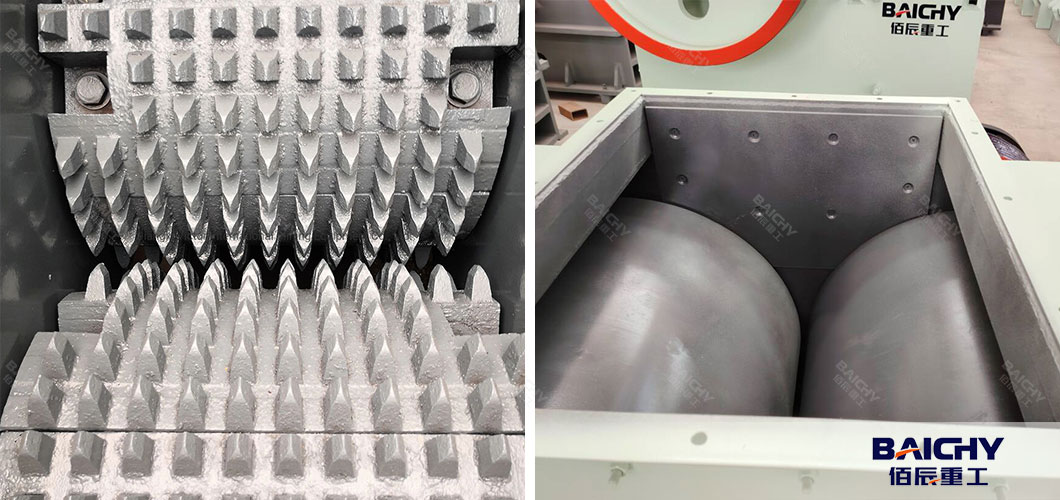
A Double Teeth Roller Crusher (also called toothed roll crusher) is a compression-type crushing machine designed to break medium-hard and soft materials using two counter-rotating toothed rollers. The intermeshing teeth apply both shear force and compressive force, enabling controlled particle size reduction. It is widely used in coal preparation plants, mining, cement, metallurgy, and chemical industries, especially where low over-crushing rate and uniform output size are required.
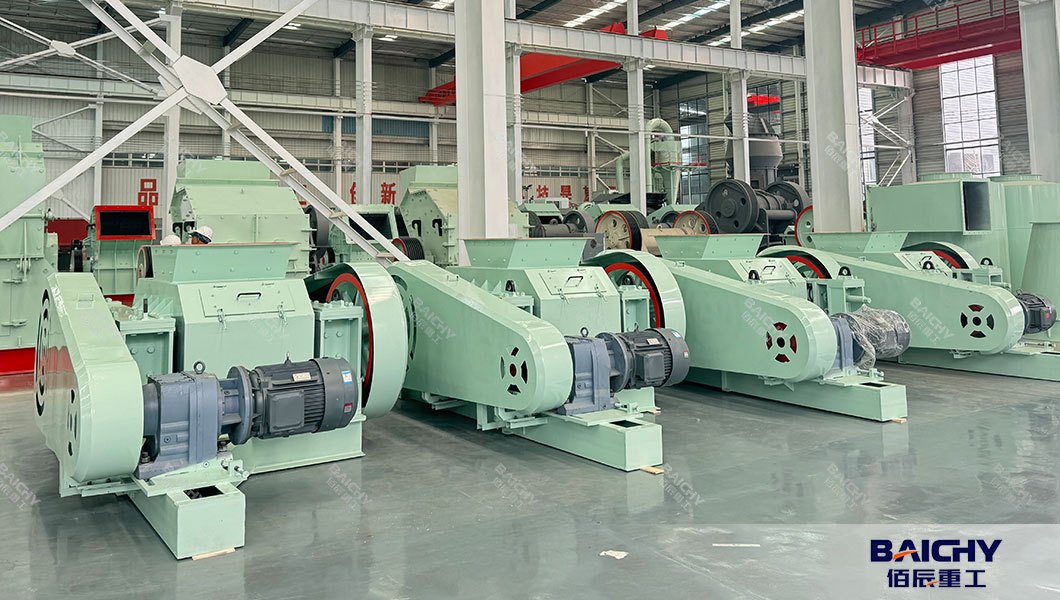
1. Technical Specifications
Below are verified industrial-grade parameters commonly used in mining and aggregate plants:
| Model |
Roller Diameter |
Roller Length |
Feed Size |
Output Size |
Capacity |
Motor Power |
| 2PGC400×250 |
400 mm |
250 mm |
≤200 mm |
10–50 mm |
5–20 tph |
5.5 kW ×2 |
| 2PGC610×400 |
610 mm |
400 mm |
≤300 mm |
15–60 mm |
20–60 tph |
15 kW ×2 |
| 2PGC900×500 |
900 mm |
500 mm |
≤400 mm |
20–100 mm |
50–120 tph |
37 kW ×2 |
Key engineering data:
● Crushing ratio: 3:1 to 5:1
● Rotation speed: 50–120 rpm
● Discharge adjustment: hydraulic or wedge system
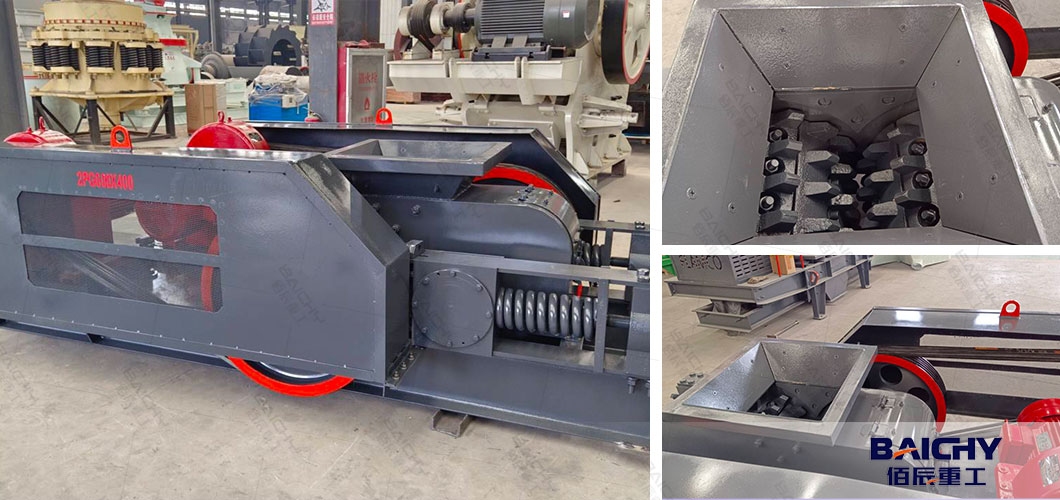
● Wear-resistant teeth material: high manganese steel (Mn13–Mn18)
2. Working Principle
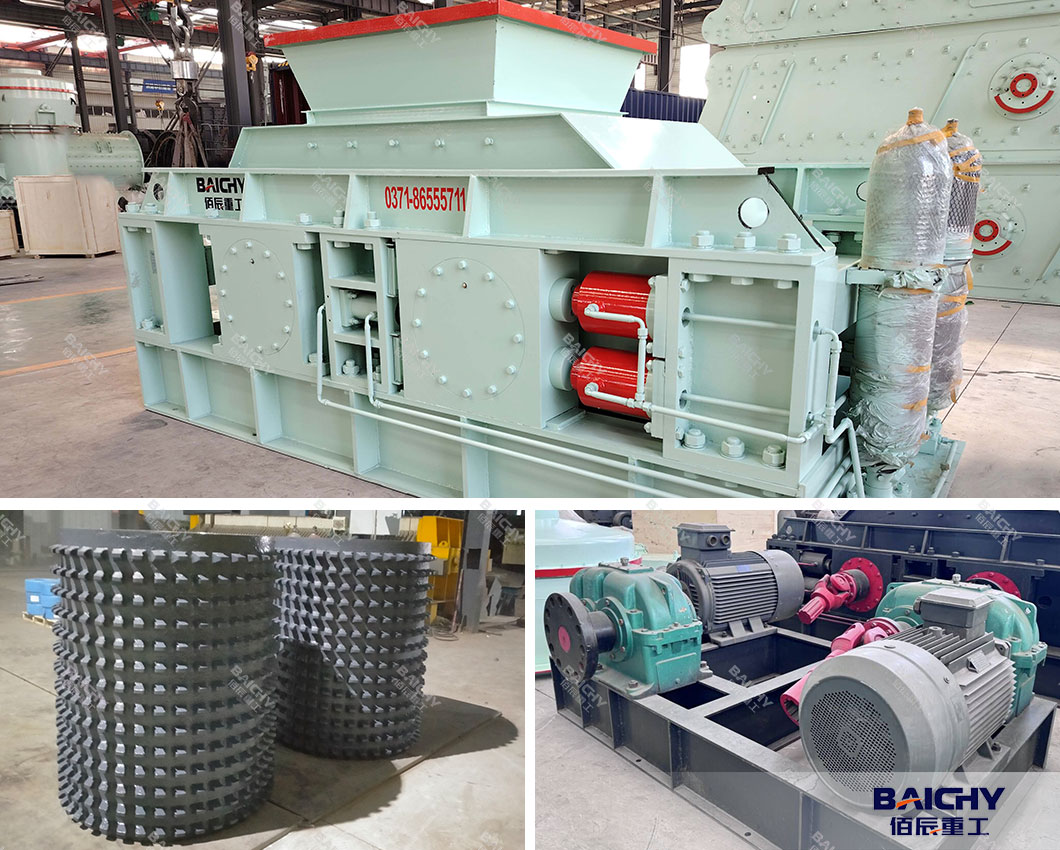
The double teeth roller crusher operates through two counter-rotating toothed rollers that pull material into the crushing chamber. Once the material enters the crushing zone, the specially designed teeth first grip and split the feed, then apply continuous compressive and shear forces to reduce particle size. The crushing process is gradual rather than instantaneous, which helps maintain a controlled and uniform output.
The final particle size is determined by the adjustable gap between the two rollers. By changing this spacing through a hydraulic or mechanical adjustment system, operators can precisely control the discharge size without stopping the machine. Compared with impact-based crushing systems, this mechanism significantly reduces over-crushing, minimizes dust generation, and improves the consistency of the final product, especially when processing coal, limestone, and other soft to medium-hard materials.
3. Real Application Scenarios
3.1 Coal Preparation Plants (Primary Application)
● Feed material: raw coal ≤300 mm
● Output: 10–50 mm clean coal chunks
● Benefit: reduces fines generation by 15–25% compared with hammer crushers
3.2 Limestone Crushing for Cement Plants
● Feed size: 200–350 mm limestone
● Output: 20–80 mm clinker feed material
● Stable operation under moisture conditions up to 12% humidity
3.3 Metallurgical Coke Crushing
● Controls over-crushing rate below 8%
● Maintains coke structural integrity for blast furnace efficiency
3.4 Industrial Waste & Shale Crushing
● Suitable for clay-rich materials without severe clogging
● Anti-sticking design improves uptime by 20–30%
4. Double Teeth Roller Crusher Advantages
4.1 High Efficiency with Low Energy Consumption
Due to direct compression crushing, energy utilization efficiency reaches 65–80%, higher than impact systems.
4.2 Adjustable Output Control
Hydraulic gap adjustment allows real-time control of final particle size, improving production consistency.
4.3 Wear-Resistant Design
Roller teeth use alloy steel with surface hardening treatment, extending service life by 30–50% in mining operations.
4.4 Stable Industrial Operation
Designed for continuous 24/7 operation in Mining plants, Cement production lines, Coal washing systems
5. Verified Industrial Case Example
In a Southeast Asian coal preparation plant, a 2PGC610×400 double teeth roller crusher was installed to process raw coal with a maximum feed size of approximately 280 mm. The production requirement was to achieve a stable output size between 15 mm and 50 mm for downstream washing and screening processes.
After commissioning, the system demonstrated stable performance under continuous operation. The actual throughput remained consistently between 58 and 62 tons per hour, closely matching the design capacity. One of the most notable improvements was the reduction of fine particles: compared with the previous hammer crusher setup, the proportion of excessive fines was reduced by approximately 22%, improving downstream washing efficiency.
In addition, due to the lower impact stress on wear components, the maintenance cycle was extended from around 20 days to approximately 45 days, significantly reducing downtime and spare part consumption. This case demonstrates the crusher’s strong adaptability to variable moisture coal conditions and confirms its suitability for long-term industrial coal processing applications.
9. Reliability & Manufacturer Expertise
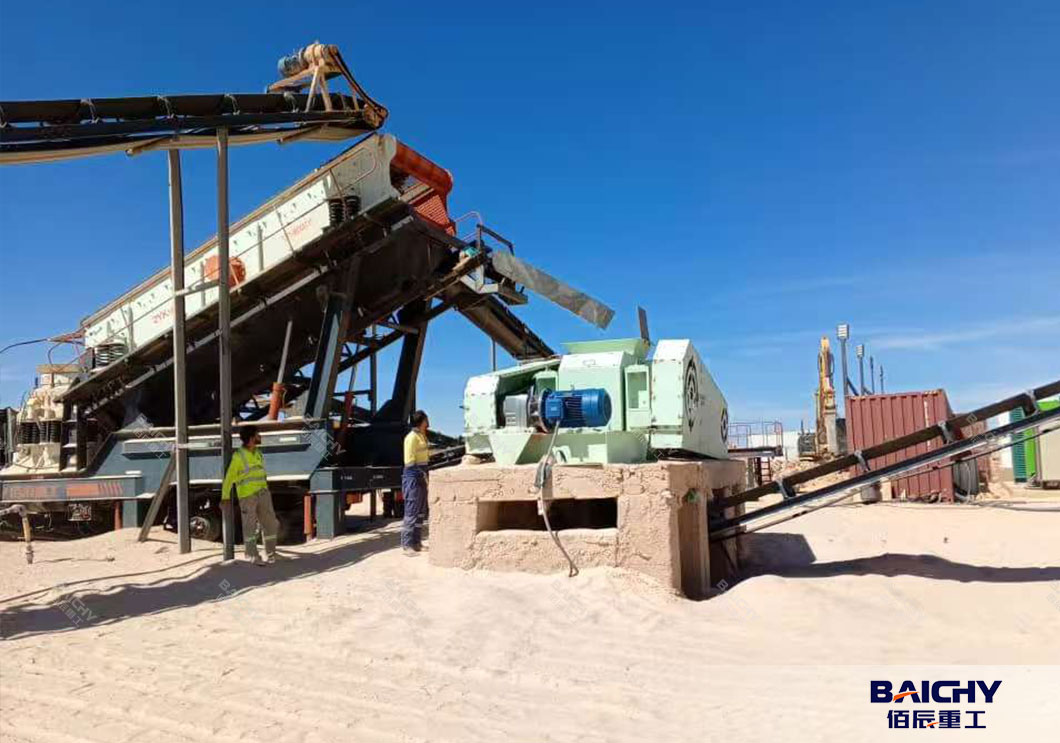
Industrial-grade toothed roller crushers, such as those provided by Baichy Machinery, are designed under strict quality control systems including ISO and CE standards. With experience in global mining and aggregate projects, the equipment is engineered for:
● Long-term durability
● Low operational risk
● Field-proven performance in Asia, Africa, and South America
People Also Frequently Asked For - FAQs
Q1: What materials can a double teeth roller crusher handle?
It is suitable for coal, limestone, shale, coke, clay, and soft rocks with medium hardness.
Q2: What is the typical output size range?
Output size is generally adjustable from 10 mm to 100 mm, depending on roller spacing.
Q3: Is it better than a hammer crusher?
Yes, for soft and wet materials, it produces fewer fines and lower energy consumption.
Q4: What is the maintenance cycle?
Wear parts typically last 30–60 days in mining conditions, depending on material hardness.




 2026-09-29





 86-15093113821
 86-15093113821