Gravel sorting plants play a crucial role in many industries, including construction, mining, and waste management. These plants are designed to separate materials based on size and quality, ensuring that only the most suitable particles are used in production. By using advanced screening technologies, gravel sorting plants help improve efficiency, reduce waste, and optimize the quality of the final product. In this article, we’ll explore how these plants work, the equipment involved, and the benefits they offer to various industries.
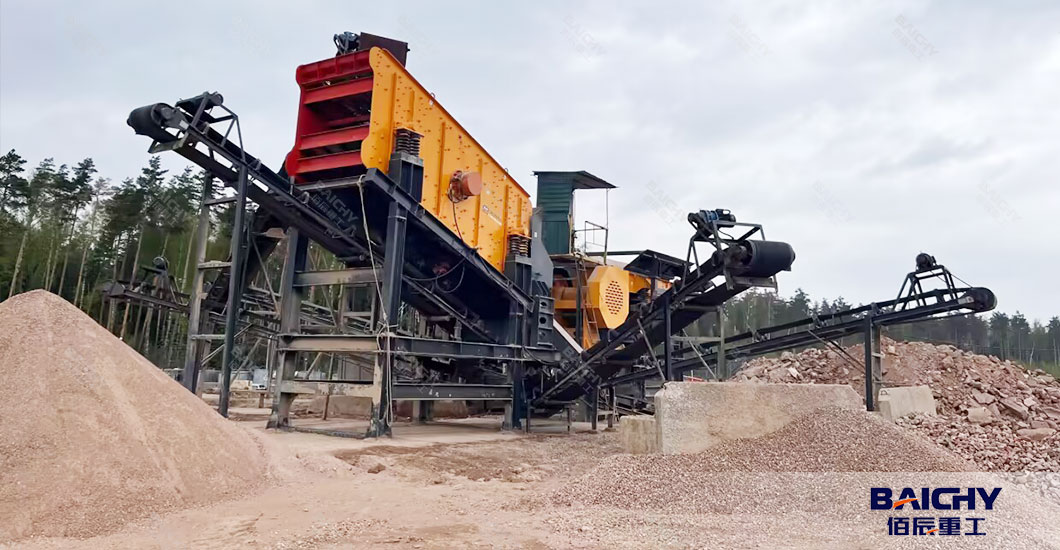
What is Gravel Sorting?
Gravel sorting is the process of classifying materials by size using screens. The goal is to separate particles into groups based on their size for different applications. For instance, in construction, smaller gravel may be used for concrete production, while larger stones are ideal for road building or landscaping. Efficient gravel sorting reduces waste, improves material utilization, and ensures high-quality outputs, benefiting businesses by saving on resources and increasing operational efficiency.
Overview of Gravel Sorting Process
Gravel sorting involves the separation of aggregates into different sizes using specialized screening equipment. This process helps to sort materials like sand, gravel, and stone based on their particle size, ensuring they meet the requirements for construction or other uses. Typically, the sorting process begins with the material being fed into a screen where vibrations help separate it based on size. The more precise the sorting process, the higher the quality of the final product, which is essential for industries like construction and mining.
Types of Screening Equipment Used in Gravel Sorting
Gravel sorting plants rely on different types of screening equipment to handle various materials. The most common types include vibrating screens, trommel screens, inclined screens, and mobile screening plants. Each type of equipment offers unique advantages depending on the material being processed and the operational requirements.
Vibrating Screens: The Versatile Choice
Vibrating screens are among the most commonly used equipment in gravel sorting plants. These screens use a vibrating motion to separate materials based on size. The material is placed on a mesh or perforated surface that shakes to allow smaller particles to pass through while larger ones remain on top. Vibrating screens are effective for processing a wide range of materials, from fine sand to coarse gravel, and can be used for both dry and wet materials. Their versatility and cost-effectiveness make them an essential part of many sorting operations.
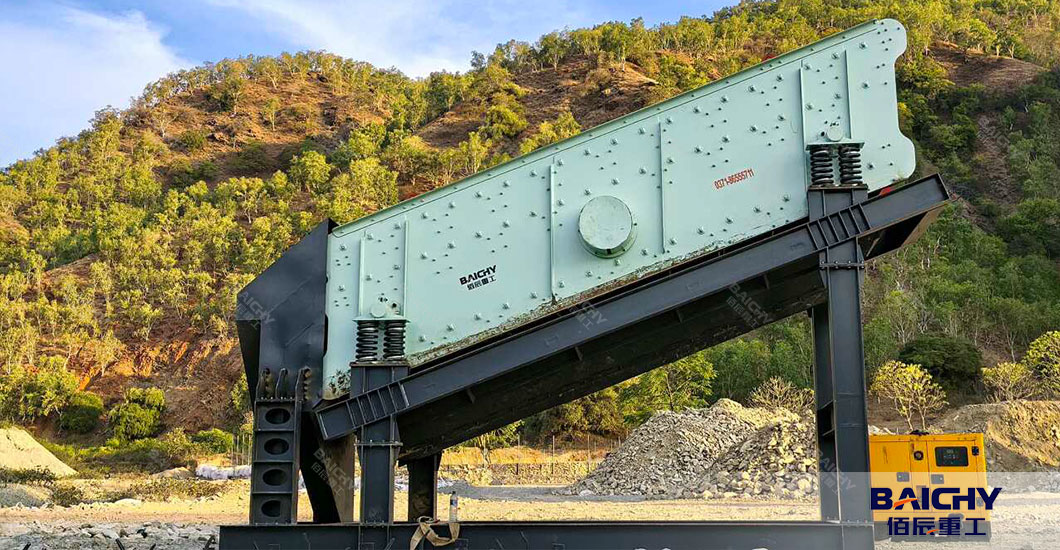
Grave Soring Equipment - Vibraing Screen
Trommel Screens: Ideal for Wet Materials
Trommel screens are cylindrical drums that rotate and separate materials based on size. They are particularly useful for processing wet or sticky materials, which might clog other types of screens. As the drum rotates, the material is lifted and dropped through a series of perforated holes, with finer particles falling through and larger ones being discharged. Trommel screens are commonly used in applications where material characteristics are challenging, such as in the recycling of construction debris or processing compost.
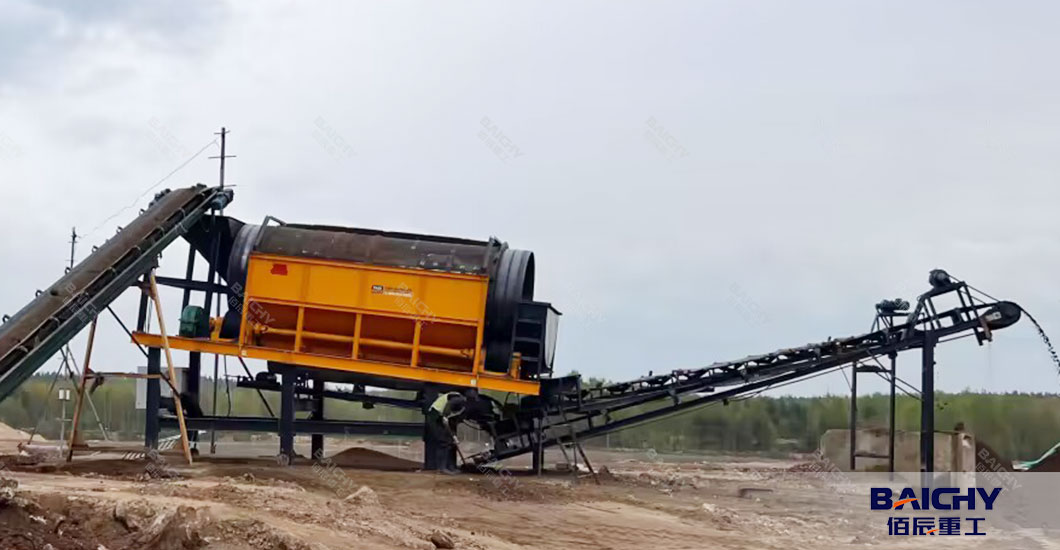
Grave Soring Equipment - Trommel Screen
Inclined Screens: Best for High-Capacity Operations
Inclined screens are designed to handle high volumes of material with minimal maintenance. These screens are set at an angle, allowing materials to flow down the surface while being separated by size. Inclined screens are highly efficient for sorting large volumes of gravel, sand, and other aggregates. Their ability to handle heavy loads makes them ideal for large-scale operations where high throughput is required. They are commonly used in mining operations where efficiency and durability are crucial.
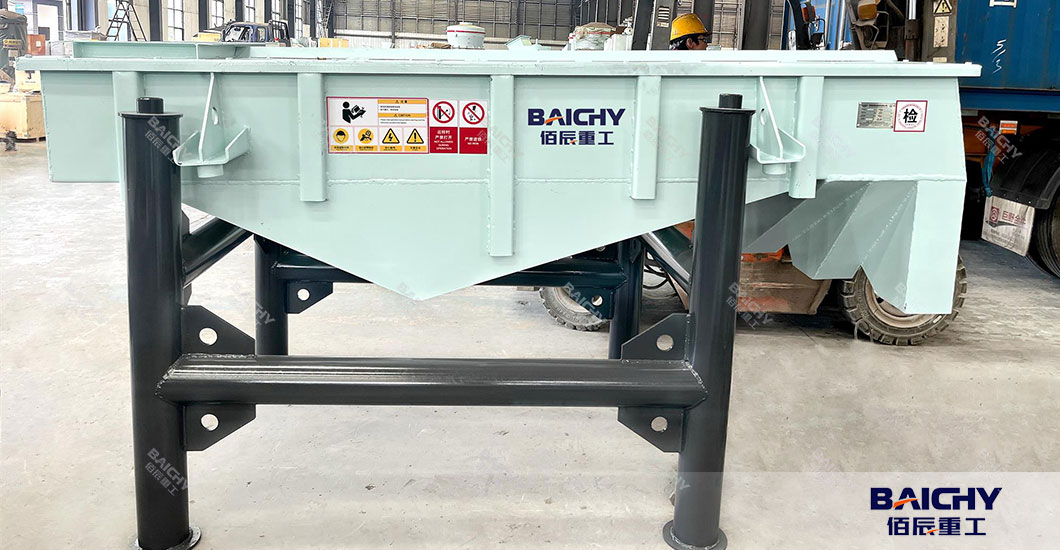
Grave Soring Equipment - LInear Screen
Mobile Screening Plants: Flexibility on the Go
Mobile screening plants provide exceptional flexibility for gravel sorting, especially in projects where material needs to be processed on-site. These plants are designed to be easily transported between locations, making them ideal for contractors and operations with multiple sites. With built-in conveyors and integrated screens, mobile plants allow for fast setup and operation. They are often used in temporary or smaller-scale operations, where mobility and quick deployment are essential.
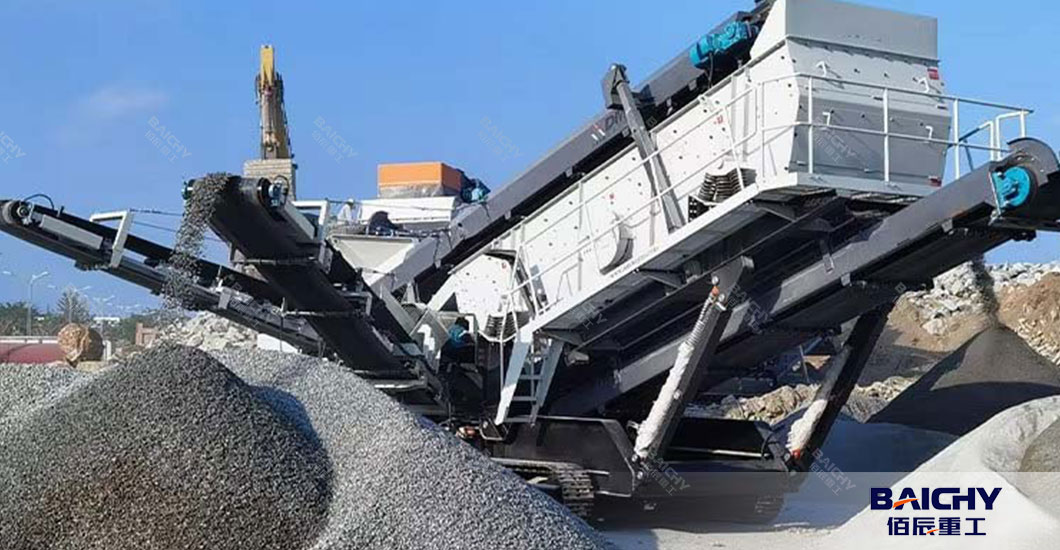
Grave Soring Equipment - Moible Vibraing Screen
How to Choose the Right Screening Equipment for Your Gravel Plant
Choosing the right screening equipment for your gravel sorting plant depends on several factors, including material type, production capacity, and maintenance requirements. To make an informed decision, it’s important to consider the characteristics of the material being processed. For example, wet or sticky materials may require trommel screens, while dry, coarse aggregates may be better suited for vibrating screens.
Key Considerations When Choosing Screening Equipment
● Material Type: Different materials require different types of screens. Wet materials need trommel screens, while dry materials can be handled by vibrating or inclined screens.
● Capacity Needs: If you're processing a high volume of material, you may need an inclined screen or a mobile screening plant to handle the load.
● Maintenance Requirements: Consider the ease of maintenance for each type of equipment. Trommel screens, for example, may require more frequent cleaning if processing sticky materials, while vibrating screens are generally easier to maintain.
● Flexibility: If you need to move your screening equipment from one location to another, mobile screening plants offer excellent flexibility and convenience.
Applications of Gravel Sorting Plants
Gravel sorting plants are used across a wide range of industries, each requiring specific types of materials to be sorted. The ability to separate materials based on size and quality is crucial for producing the right products for various applications, including construction, mining, recycling, and waste management.
1. Construction: Ensuring Quality Materials for Building Projects
In the construction industry, gravel sorting plants help produce high-quality aggregates for use in concrete, road building, and landscaping. By ensuring that only the right-sized gravel is used, these plants help to maintain the structural integrity and durability of buildings, roads, and other infrastructure projects. Efficient sorting also reduces waste and lowers production costs.
2. Mining and Aggregates: Enhancing Mineral Processing
Gravel sorting plays a key role in the mining industry, particularly in the processing of aggregates and minerals. Mining operations require accurate sorting of materials to ensure that valuable ores are separated from waste. Sorting also helps to improve the efficiency of downstream processes such as crushing and milling.
3. Recycling: Separating Reusable Materials
Recycling operations use gravel sorting plants to separate reusable materials from waste. Whether processing construction debris or organic waste, sorting plants help recover valuable materials like metals, plastics, and wood. By improving the efficiency of the recycling process, these plants help reduce landfill waste and promote sustainability.
4. Waste Management: Sorting for a Cleaner Environment
In waste management, gravel sorting plants are used to process large volumes of waste and separate useful materials. This is particularly important in construction and demolition waste, where valuable materials like metal and concrete can be recovered and reused, reducing the environmental impact of landfills.
Benefits of Gravel Sorting Plants
Investing in a gravel sorting plant offers numerous advantages for businesses, including increased efficiency, cost savings, and improved product quality.
1. Enhanced Efficiency and Productivity
By automating the sorting process, gravel sorting plants allow for faster material handling and processing. This reduces the need for manual labor and improves overall productivity, helping businesses meet demand more effectively.
2. Cost Savings through Improved Material Utilization
Gravel sorting plants help businesses optimize material use by ensuring that only the right-sized particles are used for production. This reduces waste and lowers costs associated with material disposal and reprocessing.
3. Durable Equipment for Long-Term Operations
Modern gravel sorting equipment is designed to be durable and low-maintenance, ensuring that businesses can rely on their equipment for long-term operations without frequent downtime or costly repairs.
Common Challenges in Gravel Sorting and Solutions
While gravel sorting plants offer significant benefits, they are not without challenges. Common issues include equipment wear, clogging, and material inconsistencies.
● Equipment Wear and Tear. Frequent use of screening equipment can lead to wear and tear, especially in harsh environments. To mitigate this, businesses should regularly maintain and replace components like screens and conveyors.
● Clogging Issues with Wet Materials. Wet or sticky materials can cause clogging in screens, reducing efficiency. Using trommel screens or upgrading to self-cleaning systems can help address this issue.
● Material Inconsistencies. Variations in material size and quality can affect the sorting process. Businesses can overcome this by adjusting screen sizes and maintaining consistent feed rates.
Gravel sorting plants are essential for improving efficiency, reducing costs, and ensuring high-quality materials in industries like construction, mining, and recycling. By selecting the right screening equipment for your needs and understanding the challenges involved, you can optimize your operations and stay competitive in the market. Ready to improve your gravel sorting operations? Contact us today to learn more about our advanced screening equipment and find the right solutions for your needs.




 2026-10-24






 86-15093113821
 86-15093113821