Dolomite is one of the most sought-after minerals for its application in industries ranging from construction to agriculture. In the Philippines, the demand for dolomite has been steadily increasing, largely driven by its use in the construction industry and its significance in producing steel. As a result, mining companies are constantly looking for efficient, reliable, and cost-effective dolomite crushing plant solutions.
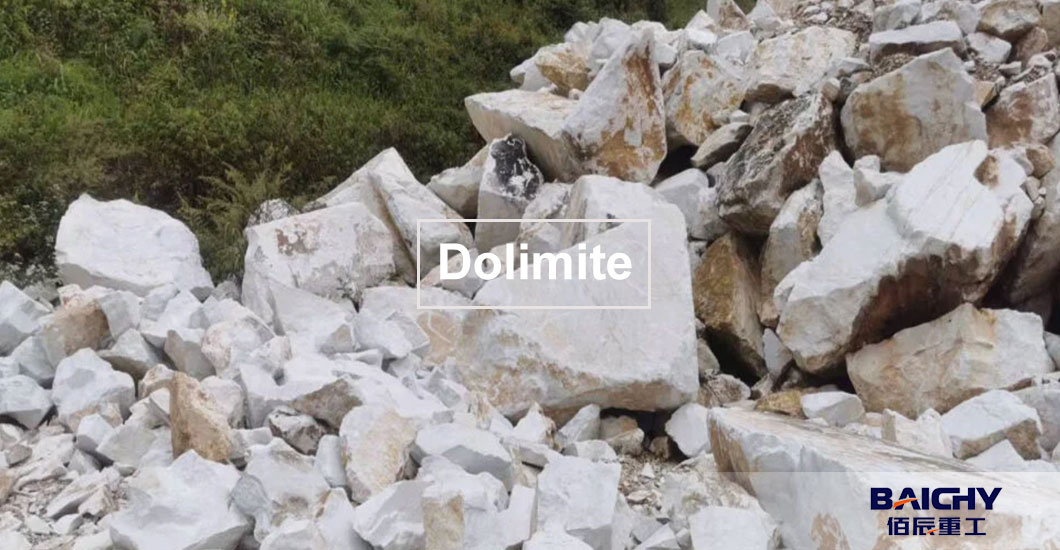
This article will explore how investing in the right dolomite crushing plant can improve processing efficiency, reduce costs, and meet the growing demand in the Philippine market. We’ll discuss key equipment configurations, production line features, and why the right setup can provide a significant edge in today’s competitive mining landscape.
Dolomite Market Demand in the Philippines
Dolomite has become a key resource in various sectors, particularly construction, where it's used as a raw material for cement and as a fluxing agent in steel production. The Philippines, with its abundant dolomite resources, is strategically positioned to meet both domestic and international demand.
Recent trends show a significant rise in the need for high-quality dolomite due to the booming construction and infrastructure projects across Southeast Asia. With rapid urbanization and an increasing demand for steel, the dolomite market in the Philippines is poised for growth.
However, mining and processing dolomite efficiently remains a challenge. The solution lies in choosing a high-performance crushing plant that maximizes throughput, reduces energy consumption, and ensures that the dolomite produced meets industry standards. A well-designed plant can boost production capacity while minimizing operational costs.
Equipment Configuration for Dolomite Crushing Plants
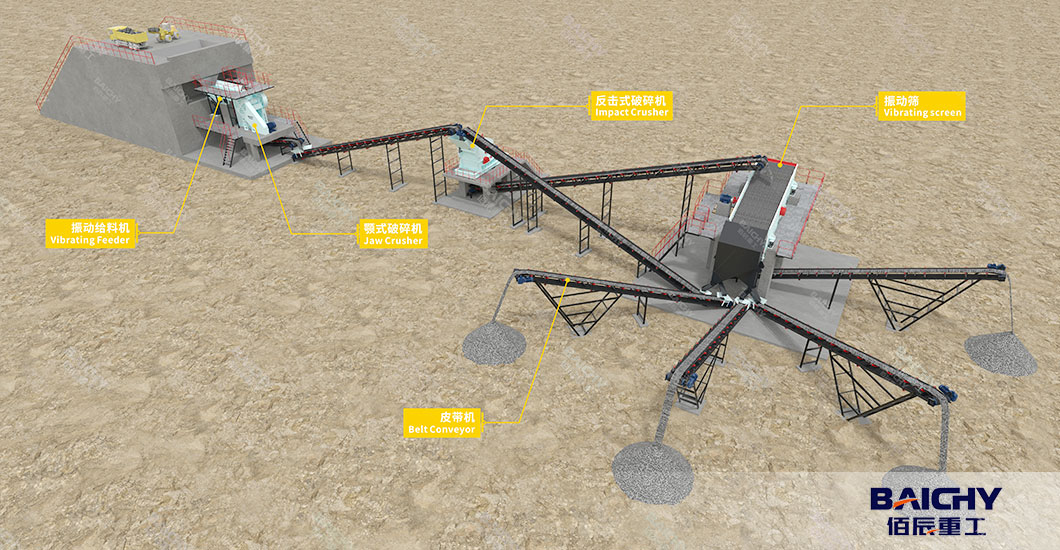
When setting up a dolomite crushing plant, selecting the right equipment is crucial to ensure optimal performance. Different pieces of equipment are designed to handle various stages of the crushing process, each with its unique strengths.
1. Jaw Crushers
A jaw crusher is typically used as the primary crusher in dolomite processing plants. Known for their durability and efficiency, jaw crushers effectively break down larger rocks into manageable sizes. These machines provide a reliable first stage of crushing, preparing the material for further processing.
2. Cone Crushers
For secondary and tertiary crushing stages, cone crushers are often the preferred choice. They offer precise control over product size and ensure uniform crushing. The high crushing ratio and adaptability to different dolomite hardness make cone crushers an ideal choice for optimizing production.
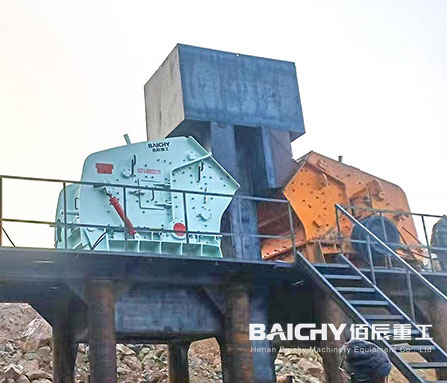
3. Impact Crushers
If the dolomite needs to be further broken into finer particles, impact crushers are often used. These crushers are designed to handle softer materials and produce a finer finished product. Impact crushers are particularly effective when working with dolomite that is not overly abrasive.
4. Vibrating Screens and Feeders
Efficient vibrating screens and feeders are essential for separating and transporting the crushed dolomite to the next stage in the production process. These systems ensure that only the right sizes of material move forward, improving the overall efficiency of the plant.
Production Line Features: Boosting Efficiency and Cost-effectiveness
A dolomite crushing plant is not just about the equipment; it’s about how all the components work together to maximize production efficiency while minimizing costs. The following features are key to achieving this balance:
1. High-Efficiency Crushing
The design of the crushing plant should include multiple crushing stages to achieve the desired product size and uniformity. By utilizing primary, secondary, and sometimes tertiary crushers, a plant can maximize the efficiency of the entire crushing process.
2. Energy Efficiency
Energy costs can significantly impact the overall operational expenses of a dolomite crushing plant. Modern crushing plants incorporate energy-efficient equipment, like high-efficiency motors and variable frequency drives (VFDs), which reduce energy consumption without compromising performance.
3. Automation and Smart Control
To further enhance productivity, many modern dolomite plants are incorporating automation. Automated systems can monitor equipment performance, adjust settings in real-time, and reduce the need for manual interventions. This not only improves efficiency but also enhances safety in the workplace.
4. Long-Term Operational Savings
A well-designed dolomite crushing plant is an investment that can offer long-term savings. The right configuration will reduce maintenance costs, extend equipment lifespan, and lower overall energy consumption, ultimately improving the plant’s profitability.
Case Study: Real-world Application in Philippine Dolomite Mines
Let’s take a look at how these crushing plants work in practice. Several dolomite mining operations in the Philippines have successfully implemented advanced crushing plant solutions to improve efficiency and reduce costs.
Case Study 1: Dolomite Crushing Plant 50tph in Cebu
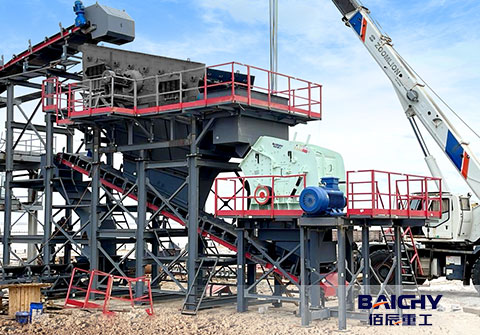
A dolomite mining operation in Cebu faced challenges related to processing capacity and energy consumption. The mine was located in a region where dolomite deposits were rich, but the processing plant was outdated and struggling to meet the rising demand. The mine decided to invest in a modern, two-stage dolomite crushing plant featuring a combination of jaw crushers, and impact crushers. Additionally, the new plant incorporated energy-efficient motors and variable frequency drives (VFDs) to minimize energy consumption during the crushing process.
Case Study 2: Cost-effective Small - Scale Dolomite Crushing Plant in Mindanao
Another dolomite mining operation located in Mindanao faced different challenges, mainly related to operational costs and equipment lifespan. The required final size is 0-10mm. They don't want to use grinding mill due to higher cost. In response to these challenges, the mining company decided to get the entire crushing plant. They focused on increasing energy efficiency, automation, and reliability. The new setup included jaw crusher for priamry crushing stage, double roller crusher for secondary crushing, and the hammer mill for fine crushing to get required size.
The Results:
● Reduced Operational Costs: By switching to energy-efficient equipment and automated systems, the plant reduced overall operational costs by 20%.
● Increased Equipment Reliability: The introduction of modern crushers and automation systems led to a 50% reduction in maintenance downtime, allowing the mine to maintain consistent production rates.
● Improved Production Capacity: The plant's daily processing capacity increased by 30%, helping the company meet rising customer demand and expanding its market share.
● Longer Equipment Lifespan: The upgraded equipment's improved durability led to fewer breakdowns and reduced repair costs, extending the lifespan of the crushing machinery by several years..
Both examples demonstrate how investing in the right equipment and production line features can provide tangible benefits, such as increased production rates, reduced costs, and higher overall efficiency.
Choosing the Right Crushing Equipment for Your Dolomite Project
Selecting the right crushing equipment for a dolomite project depends on several factors, including the specific characteristics of the dolomite ore, the desired production capacity, and the available budget.
Considerations for Equipment Selection
● Hardness of the Dolomite: Softer dolomite may be processed with an impact crusher, while harder dolomite requires a jaw or cone crusher.
● Production Capacity: Larger mines require high-capacity equipment to meet the growing demand, while smaller projects may benefit from more compact, cost-effective solutions.
● Cost vs. Performance: While high-performance equipment may come at a higher initial cost, it often results in lower operating costs and better long-term ROI.
Optimizing Your Dolomite Processing Line
Once the dolomite crushing plant is in operation, ongoing optimization is crucial for maintaining high efficiency and performance.
Process Optimization
Regularly review the entire production process to identify any bottlenecks or areas for improvement. For instance, fine-tuning crusher settings or adjusting feed rates can make a significant difference in overall efficiency.
Maintenance and Upgrades
Routine maintenance is essential to ensure equipment operates at peak efficiency. Additionally, upgrading to the latest technology can further enhance production capacity and reduce energy costs.
Investing in the right dolomite crushing plant for your mining project in the Philippines is crucial for maximizing efficiency, reducing costs, and meeting growing demand. By selecting high-performance equipment, optimizing production lines, and incorporating automation, you can significantly improve both operational and financial outcomes. If you’re ready to optimize your dolomite processing operations, contact us today for a personalized quote or to schedule a consultation with our experts. Let us help you build the most efficient and cost-effective crushing plant for your business.




 2026-10-24





 86-15093113821
 86-15093113821