Home About us
Products
News
Solution
Video Service Contact us
20-30TPH Gold CIP Processing Plant in Zambia

20-30TPH Gold CIP Processing Plant in Zambia

Share
Capacity:         
20-30 ton / hour
Output size:     
100-300 mesh
Material:          
Quartz gold, river gold, rock gold etc
Configuration:

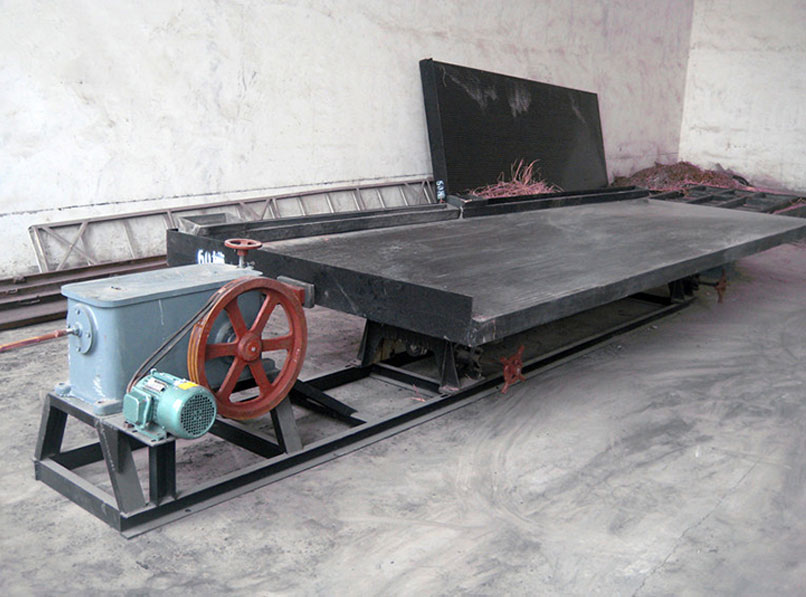
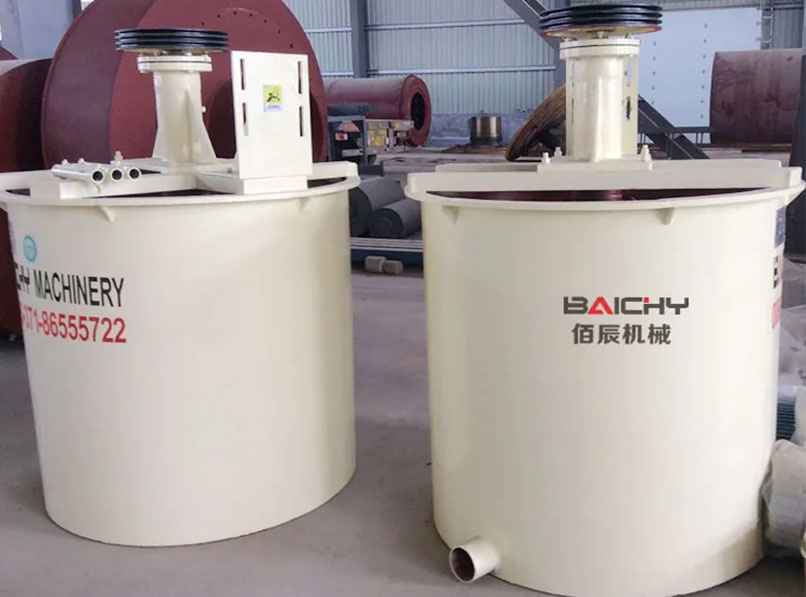
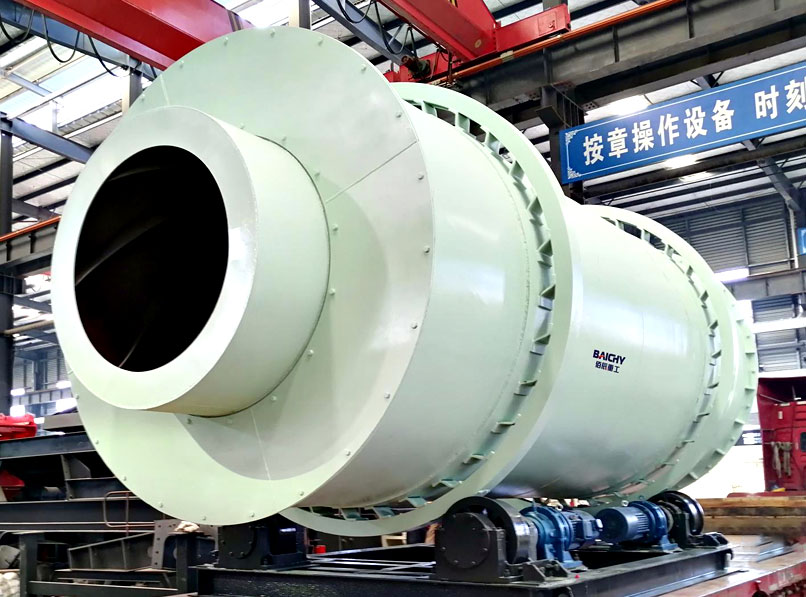
Primary jaw crusher, ball mill, spiral classifier, vibrating screen, mixting tank, leaching tank ,adsorption tank and other auxiliary equipment hopper, belt conveyor, filter, pumps etc


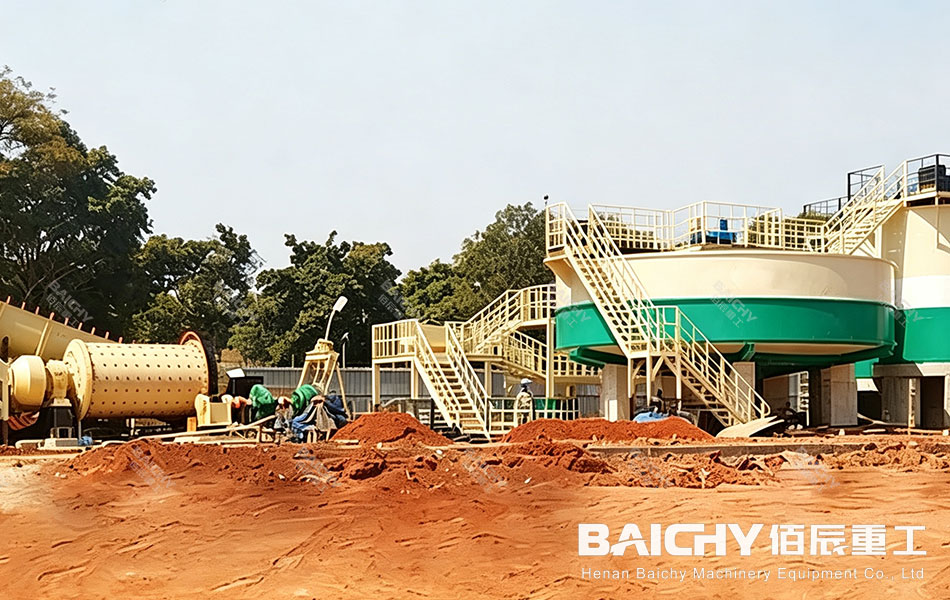
Zambia 20-30TPH Gold CIP Processing Plant Project

 A gold mining project in Zambia required a reliable and efficient mineral processing solution to handle raw gold ore with a processing capacity of 20-30 tons per hour. Based on the characteristics of the gold ore and production requirements, Baichy designed a complete Carbon-in-Pulp (CIP) gold processing plant integrating crushing, grinding, classification, cyanide leaching, activated carbon adsorption and gold recovery. The designed plant focuses on improving gold liberation, increasing recovery efficiency and providing a stable production system for small and medium-scale gold mining operations.


Gold-Rock-CIP-Processing-Plant-flowchart.jpg

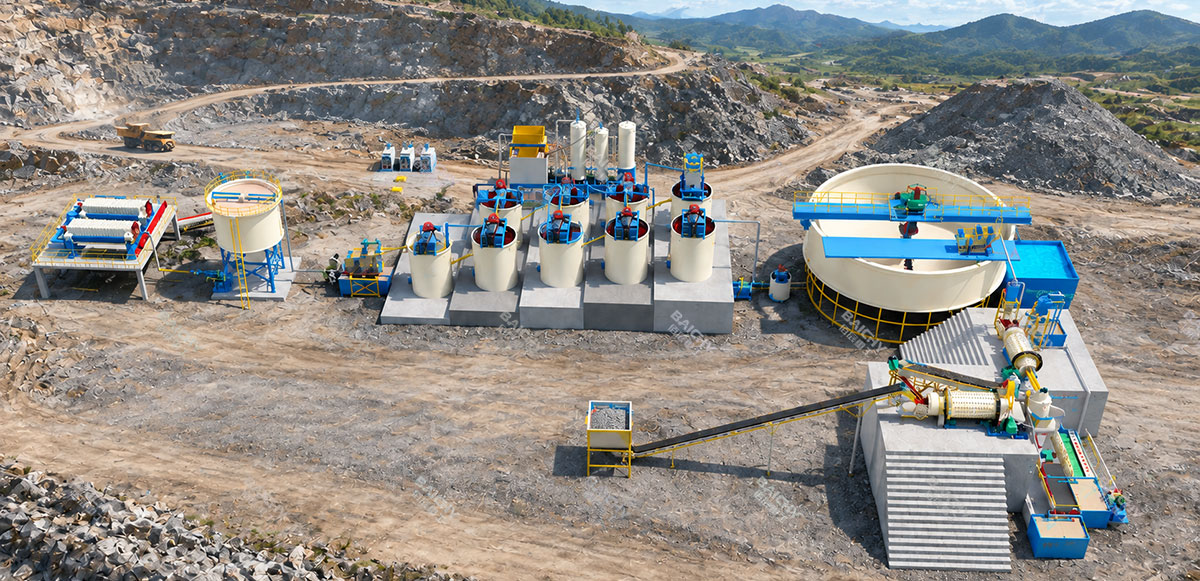
Complete Gold Ore Processing Flow

 The Tanzania placer gold processing plant follows a step-by-step recovery process:

1. 1. Crushing Stage: Reducing Raw Gold Ore Size

The raw gold ore is first fed into the feeding system and transported to the primary crushing section. A vibrating feeder provides stable feeding to the jaw crusher, where large ore blocks are reduced into smaller particles. After primary crushing, the crushed material is transported by belt conveyor to the screening stage. A vibrating screen separates qualified particles ensure suitable feed size for the grinding process. This crushing process improves material handling efficiency and prepares the gold ore for further mineral liberation.

2. Grinding and Classification: Improving Gold Liberation

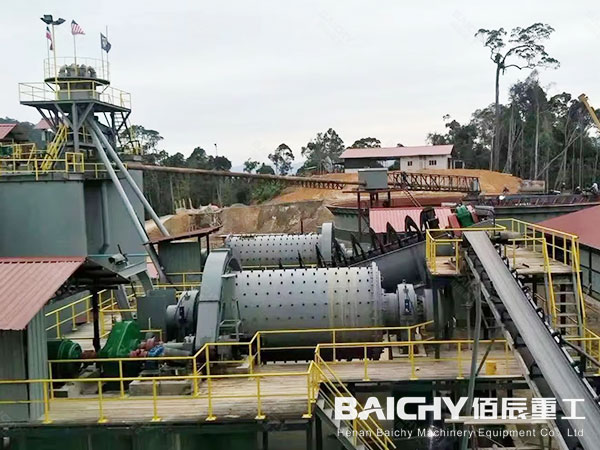
After crushing, the ore enters the grinding circuit. The plant uses a ball mill grinding system combined with a hydrocyclone classification unit. The ball mill reduces the ore particle size and releases gold particles from the surrounding minerals. The hydrocyclone separates fine qualified slurry from coarse particles, with coarse material returning to the mill for regrinding. This closed-loop grinding process helps achieve a suitable particle size for the following cyanide leaching stage and improves gold recovery performance.

3. Cyanide Leaching and Carbon Adsorption (CIP Process)

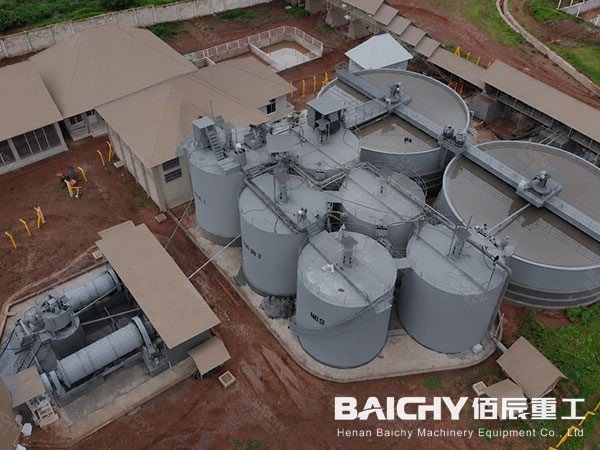
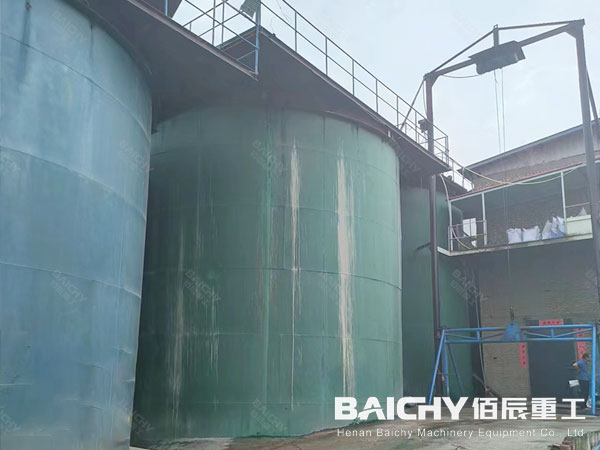
The ground ore slurry enters the thickening and mixing system before being pumped into multiple leaching tanks. During the leaching process, gold dissolves into the cyanide solution. The slurry then flows through a series of adsorption tanks, where activated carbon captures dissolved gold from the solution. The CIP (Carbon-in-Pulp) technology provides a continuous adsorption process, helping improve gold recovery and reduce gold loss in the tailings.

4. Gold Recovery and Carbon Treatment System

The loaded carbon from the adsorption tanks is separated through a carbon recovery screen and transferred to the gold recovery section. The carbon is processed through: Carbon washing and regeneration, Gold desorption, Electrowinning, Smelting. Through these steps, gold is recovered from the activated carbon and produced as final gold concentrate or bullion. The regenerated carbon can be reused in the adsorption circuit, reducing operating costs and improving the sustainability of the plant

5. Tailings Treatment System

After gold extraction, the remaining slurry is sent to the tailings treatment section. The plant is equipped with slurry pumping, filtration and tailings conveying systems to achieve effective solid-liquid separation. The treated tailings can then be safely transported or stored according to the mining site's requirements. This design helps improve water recycling and supports environmentally responsible mining operations.

Project Advantages

 1. Complete Solution from Crushing to Gold Recovery

This Zambia gold CIP plant integrates the entire mineral processing chain, including crushing, grinding, leaching, adsorption, desorption and tailings treatment. The complete process design reduces the need for multiple suppliers and simplifies plant management.

2. Stable Capacity for Small and Medium Gold Mines

With a processing capacity of 20-30TPH, the plant is suitable for gold mining projects requiring flexible production capacity. The equipment configuration is designed for continuous operation and easy maintenance.

3. Efficient Gold Extraction Process

The combination of fine grinding, cyanide leaching and carbon adsorption improves gold liberation and recovery efficiency. The CIP technology is widely used for processing oxidized and free-milling gold ores.

4. Customized Design for Local Mining Conditions

For the Zambia gold project, Baichy developed the processing flow according to ore properties, production targets and site conditions. The customized solution helps customers achieve stable operation and better economic performance.

Baichy Machinery Services for Zambia Gold CIP Project

1. Customized Project Solution

Baichy technical team analyzed the project needs and developed a practical CIP plant layout, helping the customer achieve a balanced design between production capacity, investment cost and operational efficiency.

2. Complete Project Coordination

From process planning and equipment manufacturing to delivery and technical communication, Baichy managed the project with professional coordination. The integrated service reduced communication difficulties between different suppliers and ensured that every stage of the project moved forward smoothly.

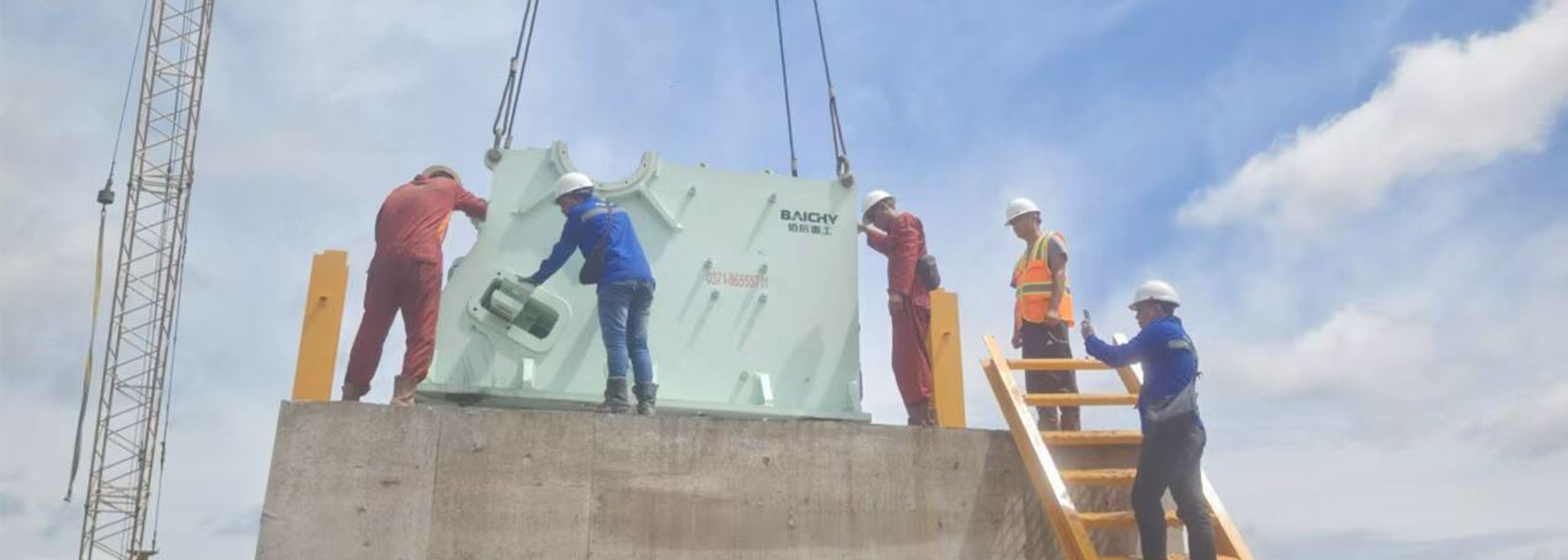
3. Technical Support During Installation

Baichy offered professional technical guidance during equipment installation and commissioning. Through installation instructions, operation support and production adjustment suggestions, Baichy helped the customer quickly understand the plant operation and achieve stable production.

4. Continuous Operation Support

Baichy continues to provide technical assistance after project completion, including equipment maintenance suggestions, spare parts support and production optimization advice. This long-term service helps customers maintain reliable operation and improve the overall return of their mining investment.

Crushing Solutions Design

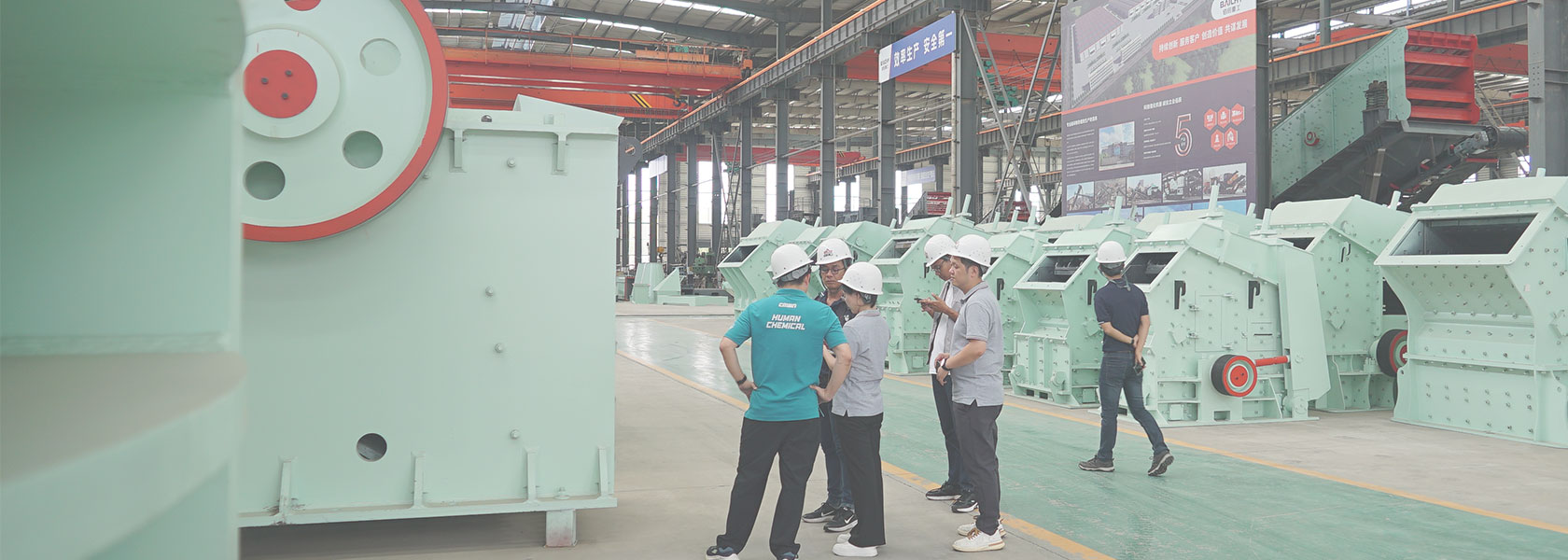
Baichy Machinery can customize a crushing plant for you based on the specific conditions of your project: such as the construction site, hardness of the raw materials, output, output size, budget, etc.

On-site Installation & Training

Our team provides on-site installation and thorough training to ensure safe operation of the crushing plant.

Quality Control & Global Delivery

Rigorous quality checks ensure compliance with standards, and we handle worldwide delivery to your location.

After-Sales Support

Baichy Machinery provides you with spare parts supply, project transformation, investment return analysis, etc.

Crushing Solutions Design
On-site Installation & Training
Quality Control & Global Delivery
After-Sales Support

Frequently Asked Questions (FAQs)

Find answers to the most common questions about Baichy Machinery. If you can’t find what you’re looking for here, please contact us.

1.What is a gold ore gravity separation plant?

The designed capacity of this gold CIP processing plant is 20-30 tons per hour, suitable for small and medium-scale gold mining operations.

2.What equipment is included in the gold CIP plant?

The plant includes crushing equipment, vibrating screens, belt conveyors, ball mills, hydrocyclones, leaching tanks, adsorption tanks, carbon recovery equipment, gold recovery equipment and tailings treatment systems.

3.Why is CIP technology used for gold processing?

CIP technology uses activated carbon to adsorb dissolved gold from cyanide slurry. It provides efficient gold recovery and is widely applied in gold ore processing plants.

4.Can Baichy customize a gold processing plant?

Yes. Gold processing plants can be designed according to ore characteristics, capacity requirements, installation conditions and customers' production goals.
MAYBE YOU ARE INTERESTED IN