Home About us
Products
News
Solution
Video Service Contact us
Home  /  News


At Baichy Machinery, we believe that the sale is not the end of the journey; it is the beginning of a partnership.

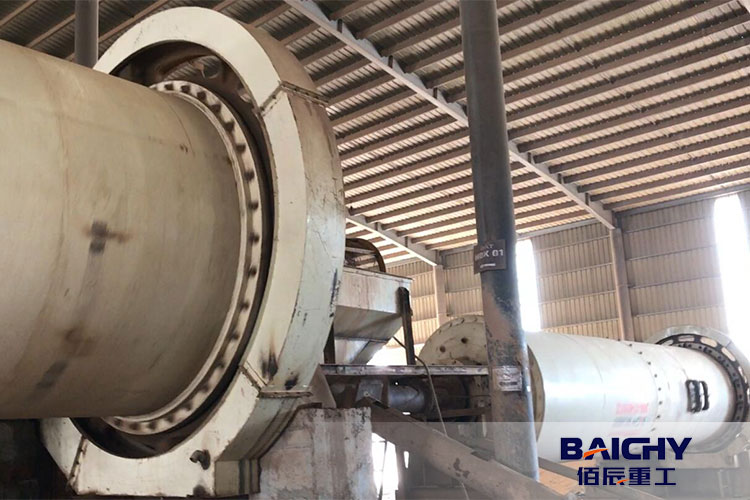
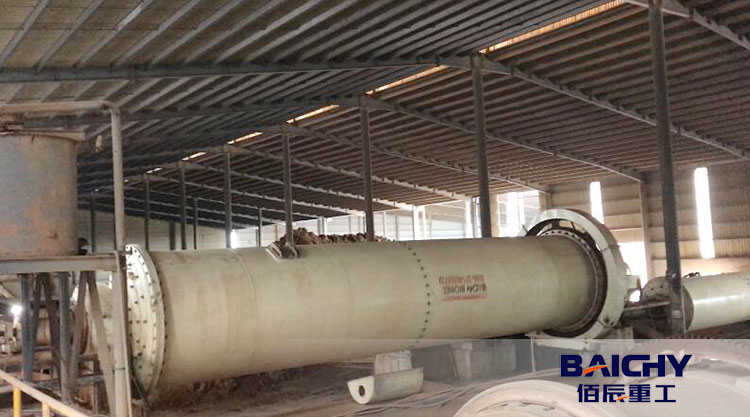
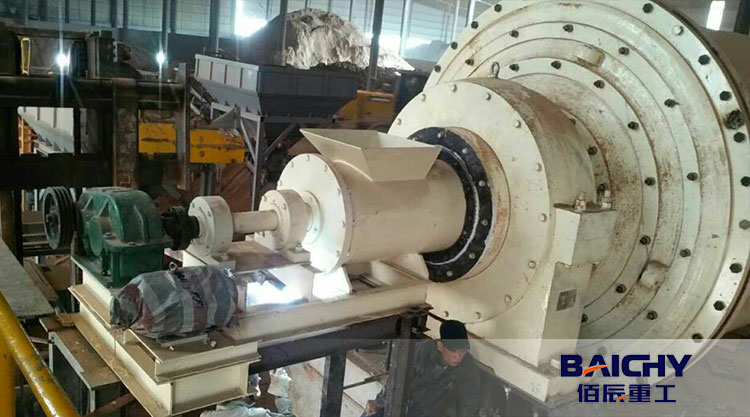
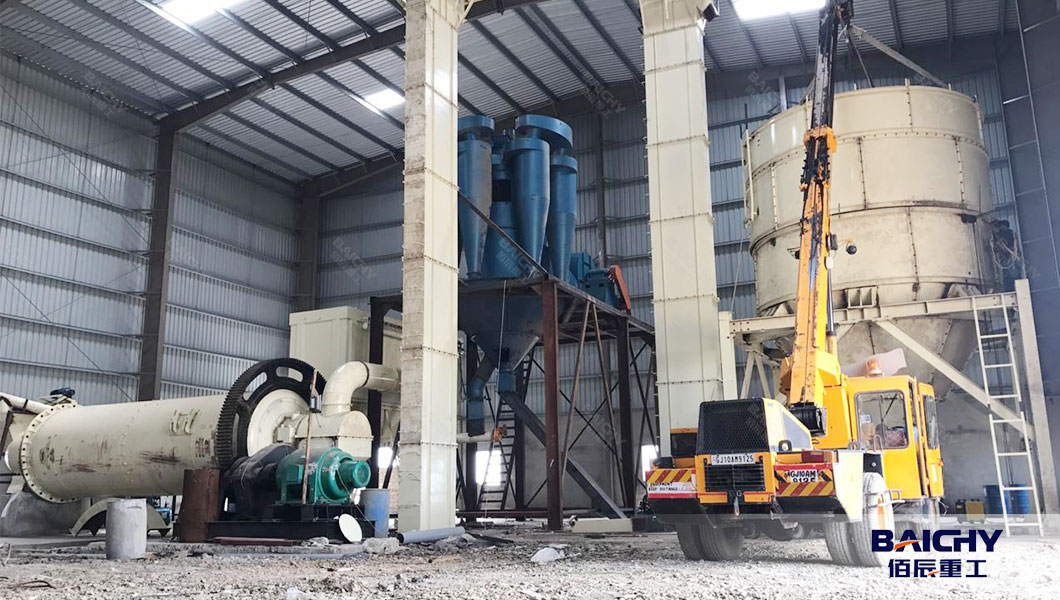
In May 2025, as part of our "Global Quality Tour," Baichy’s senior sales managers and lead technical engineers traveled to Vietnam to conduct a comprehensive follow-up inspection. The focus was a large-scale ceramic raw material processing plant equipped with two of our heavy-duty ball mills. This report details how our equipment transformed the client's production line, handling sticky clay materials with precision and delivering a record-breaking Return on Investment (ROI).


1. Project Background: Demanding Specs for the Porcelain Industry

The client, a prominent supplier in the Southeast Asian porcelain sector, required ultra-fine grinding of Kaolin Clay and Silica. The challenge was to achieve high throughput without compromising the fineness required for high-grade ceramics.

The Solution:
Baichy engineers customized a dual-mill configuration to maximize output:

● Unit A (Medium Scale): Ball Mill Φ1830×8000mm
   ○ Rotation Speed: 24.1 r/min (Optimized for cascading effect)
   ○ Grinding Media Load: Max 23 tons
   ○ Capacity: 7.5 - 17 tons per hour (TPH)


● Unit B (Large Scale): Ball Mill Φ2700×13000mm
   ○ Rotation Speed: 20.07 r/min
   ○ Grinding Media Load: Max 60 tons
   ○ Capacity: 50 - 90 tons per hour (TPH)

These large ball mills smoothly arrived to client’s site, also coming along with the Baichy’s technical engineers to install and make commission.


Ball-mill-in-Vietnam01


2. The Result: ROI Achieved in Just 6 Months

During the May 2025 site visit, the plant director gave our team an enthusiastic reception. The feedback was not just positive; it was financially significant.

● Operational Feedback:

The mills had been running continuously for over 3,000 hours with zero critical failures. The particle size distribution of the ground clay was consistent, meeting the strict standards of downstream ceramic molding.


● Financial Success:
"In the past 6 months," the Director stated, "the early stage investment of the equipment has been fully recovered. We are now in the net profit stage!"
Achieving a break-even point in half a year is rare in heavy industry. This success was attributed to the low energy consumption of Baichy’s drive design and the high uptime of the equipment.


Ball-mill-in-Vietnam02


3. Why Choose Baichy for Ceramic Processing?

This Vietnam project exemplifies the Baichy Standard:
● Customized Engineering: We don't just sell standard models; we adjust RPM and liner types based on your material (Clay, Feldspar, Quartz).
● Lifecycle Support: From the November installation to the May inspection, our presence ensures your machine remains at peak performance.


Ball-mill-in-Vietnam03


Looking for a similar solution?  Whether you are processing clay for ceramics or ore for mining, welcome to contact us to get professional solution. Baichy Machinery provides the expertise to turn your raw material into profit.


People Also Frequently Asked For - FAQ

1. How does Baichy prevent iron contamination when grinding ceramic materials?

For the porcelain and ceramic industry, maintaining material whiteness is critical. We customize our ball mills with ceramic or rubber liners and use high-alumina grinding balls instead of steel. This ensures zero iron contamination during the grinding process, preserving the purity and quality of your final product.


2. Does Baichy provide installation services for international clients?

Yes. As demonstrated in the Vietnam case, we dispatch senior technical engineers to your site. They oversee the entire process, including foundation construction, equipment installation, and commissioning, ensuring the machine runs smoothly before they leave.


3. How did the Vietnam client achieve ROI (Return on Investment) in just 6 months?

High ROI is achieved through energy efficiency and stability. Baichy ball mills use rolling bearings (instead of sliding bearings) and an optimized drive system, which reduces energy consumption by up to 30%. Combined with high reliability (low downtime), this minimizes operating costs and maximizes daily output.


4. How do I choose between the Φ1830 and Φ2700 ball mill models?

The choice depends on your required capacity (TPH) and grinding fineness. The Φ1830 model (7.5–17 TPH) is ideal for medium-scale production, while the Φ2700 model (50–90 TPH) is designed for large-scale industrial use. Our engineers will calculate the best size based on your specific raw material and output targets.


Maybe you are interested in