Home About us
Products
News
Solution
Video Service Contact us
Home  /  News

Improper operation of a single pass rotary dryer often leads to serious pain points: excessive fuel waste, uneven drying, material clogging, low output, and even premature equipment damage. If you want lower running costs, higher productivity, and stable drying quality, mastering efficient operation is essential. This guide covers working principle, pre-operation checks, step-by-step operation, troubleshooting, and maintenance to help you get the best performance from your rotary dryer.


1. Working Principle:It’s All About the "Curtain"

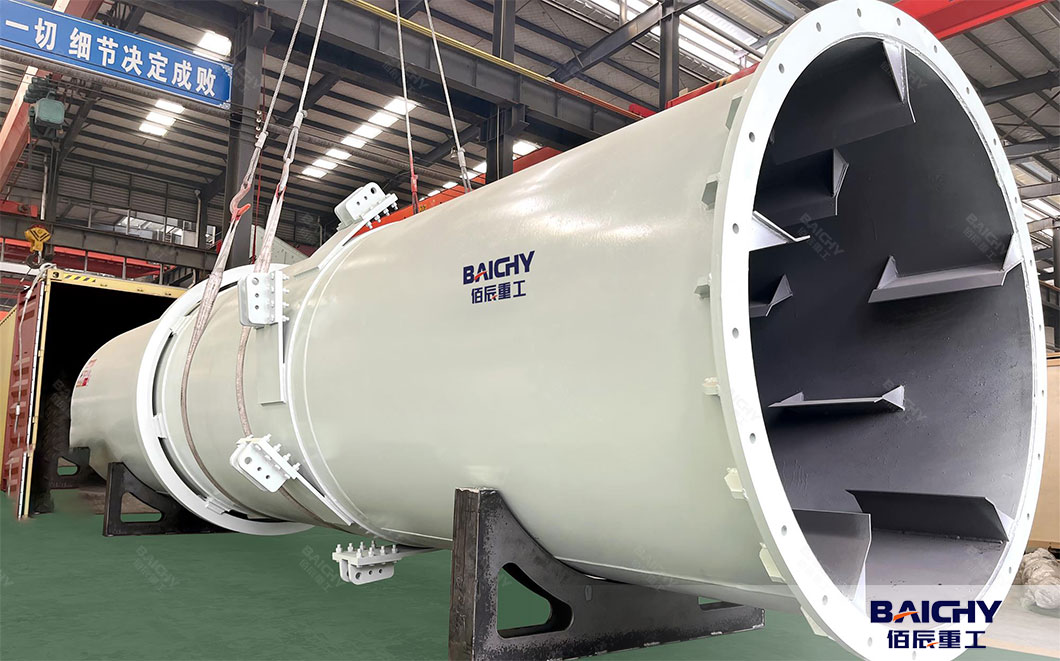
Before hitting the rotary dryer plalnt start button, you must understand what happens inside. A rotary dryer isn't just a hot tube. Inside the drum, there are Lifting Flights (Lifters). As the drum rotates, these lifters pick up the material and shower it down through the hot air stream. This creates a "material curtain."
● Good Operation: A full, uniform curtain ensures the hot air touches every particle.
● Bad Operation: If the drum is too slow or empty, the hot air just rushes through the top without drying anything. That is a waste of fuel.
● Pro Tip: Your goal is to maximize the surface area of the material exposed to the hot air.


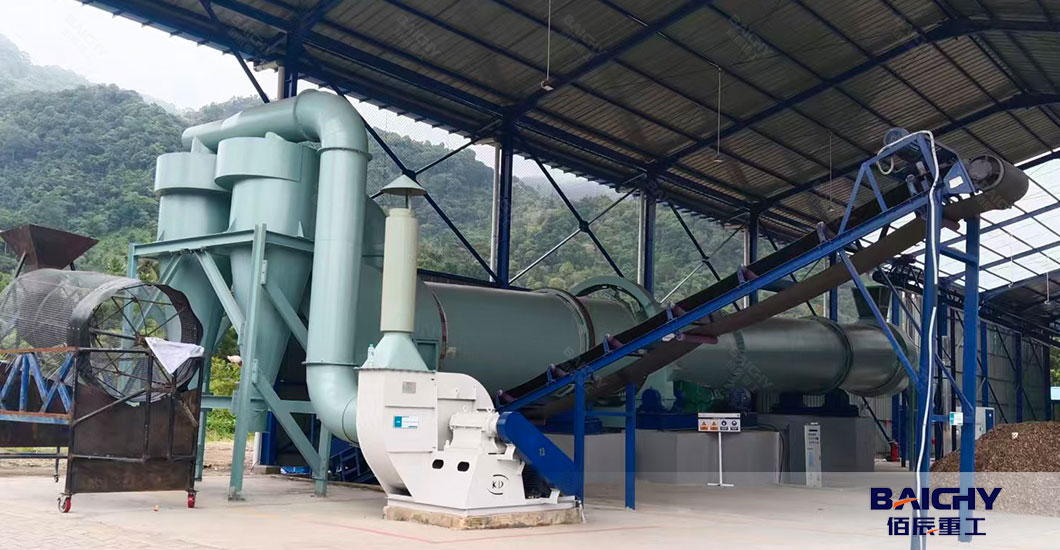
How-to-Use-a-Rotary-Drum-Dryer-01.jpg


2. Pre-Start Checklist: Safety First

Skipping inspection is the fastest way to damage the Trunnion Rollers and Gear Ring. Before ignition, perform this 5-minute check:
● Lubrication: Check the oil levels in the reducer and grease points on the support rollers.
● Seals: Inspect the inlet and outlet seals. Air leaks are the enemy of efficiency. If cold air sucks in, your burner has to work harder.
● Clearance: Ensure there is no debris blocking the gap between the drum and the stationary housing.
● Belt Tension: Check the tension of the motor belts. Loose belts mean the drum won't rotate at the correct speed under load.


3. Step-by-Step Operation Guide

Step 1: Ignition and Preheating (The "Soft Start")

Do not blast the burner to 100% immediately. The steel drum and the refractory lining inside the furnace need time to expand. Rapid heating can crack the lining or warp the drum. Start the induced draft fan (ID Fan) first to clear any residual gas. Ignite the burner on low fire. Let the drum rotate empty for 15-20 minutes to warm up uniformly.


Step 2: Feeding Control (Uniformity is Key)

This is where 80% of operators fail. You must feed the wet material at a constant, steady rate.
● The Mistake: Using a loader to dump a huge pile, then waiting, then dumping another. This causes "surges."
● The Consequence: You will get a batch of bone-dry material followed by a batch of wet mud.
● The Fix: Use a Disc Feeder or Vibration Feeder to ensure a continuous flow into the dryer.


Step 3: Temperature Management

How do you know if the material is dry without stopping the machine? Watch the Exit Gas Temperature.
● Target: If your required exit temp is 80°C (for example).
● Scenario A: Temp drops to 60°C.
● Diagnosis: The load is too heavy or too wet.
● Action: Increase burner heat OR slow down the feed rate.


Scenario B: Temp spikes to 120°C.
● Diagnosis: You are "over-drying."
● Action: Reduce fuel (save money!) OR increase feed rate (boost production).


How-to-Use-a-Rotary-Drum-Dryer-01.jpg


4. Troubleshooting Common Issues

Even with the best operation, things go wrong. Here is how to fix common headaches:

Issue Possible Cause Solution
Material coming out wet Feed rate too high / Rotation too fast Reduce feed rate or slow down drum RPM to increase "Residence Time.
Material catching fire Inlet temp too high / Material flow stopped Cut fuel immediately. Keep drum rotating to prevent warping. Check for clogging.
High Fuel Consumption Air leaks / Poor heat transfer Fix seals. Check if lifting flights are worn out or stuck with mud.
Drum Vibration / Noise Roller misalignment / Gear wear Re-align the trunnion rollers. Apply gear lubricant.


5. Maintenance for Longevity

To prevent unplanned downtime, follow this routine:
● Daily: Check bearing temperatures. If a bearing is hot to the touch, it lacks grease or is failing.
● Weekly: Check the wear on the Lifting Flights. If they are worn down, the "material curtain" will disappear, and efficiency will drop.
● Monthly: Inspect the Tyres (Riding Rings). They should have a shiny, polished surface. If you see chatter marks or uneven wear, the drum alignment needs adjustment immediately.
● Conclusion: Optimization Requires Customization

Operating a rotary drum dryer is a balance of Heat Source, Airflow, and Material Feed. Mastering this balance will lower your fuel bills and improve your product quality. However, every material is different. Drying Silica Sand requires a different internal structure than drying sticky Clay or biomass.
Contact Baichy Machinery Today.  Tell us your material type and moisture requirements. Our engineers will provide a customized drying solution and a free thermal calculation to help you build the most efficient plant. 


Maybe you are interested in