In the high-end quartz sand processing field, "whiteness" is the lifeline. For manufacturers of plate sand, glass raw materials or ceramic glazes, how to achieve a stable output of 3-4 tons per hour while maintaining a fineness of 200 mesh (75 microns) and eliminating the iron contamination caused by traditional equipment is a typical process pain point. Although traditional steel ball mills have high efficiency, the severe iron contamination they cause can lead to yellowing or blackening of the quartz powder, which requires a complex acid washing and iron removal process afterwards, resulting in extremely high environmental protection costs. On the other hand, ordinary short-cylinder ceramic ball mills often face problems of low grinding efficiency and severe coarse particle leakage.
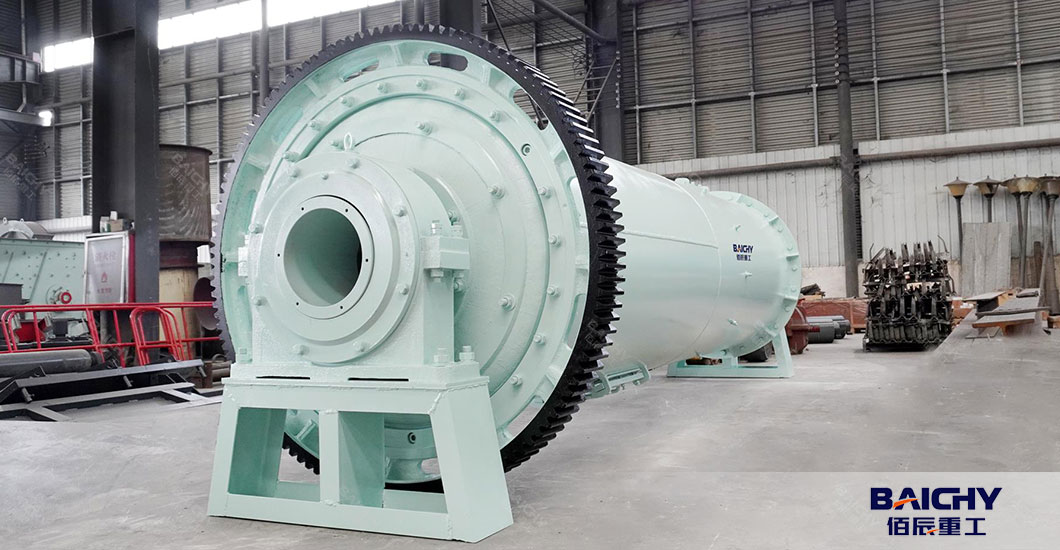
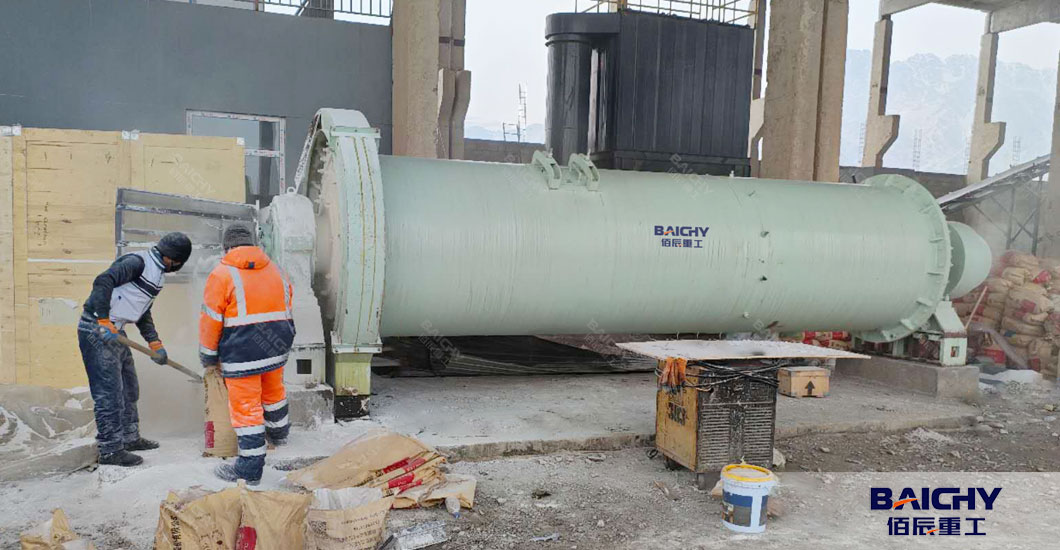
Recently, we successfully debugged a quartz stone grinding production line based on a Φ1500x5700mm open-circuit ceramic ball mill at a customer's site. This article will use real debugging records to explain how we balanced output and quality through equipment selection and precise gradation adjustment.
I. Why Choose Ball Mill 1500x5700mm Specification?
In this project, the customer's raw ore is block quartz with a Mohs hardness of 7.0, and the feed size is controlled at <20mm, with the requirement for the output fineness to reach 200 mesh (D90 passing rate).
Considering the customer's budget and site restrictions, we did not recommend a complex closed-circuit system (with a classifier), but instead recommended a 1500x5700mm ceramic ball mill. The choice of this specification is not accidental; it is based on rigorous process logic:
1. Golden Length-to-Diameter Ratio (L/D ≈ 3.8)
The length of a conventional 1.5-meter mill is typically 4.5 meters, but in an open-circuit grinding system, the material has no opportunity to recirculate. We extended the cylinder length to 5.7 meters, significantly increasing the effective residence time of the material in the ceramic ball mill. This ensures that the material, from the feed end to the discharge end, can undergo sufficient frequencies of impact and grinding, thereby achieving the 200-mesh fineness requirement in a single pass.
2. All-ceramic Lining System (Zero Iron Contamination):
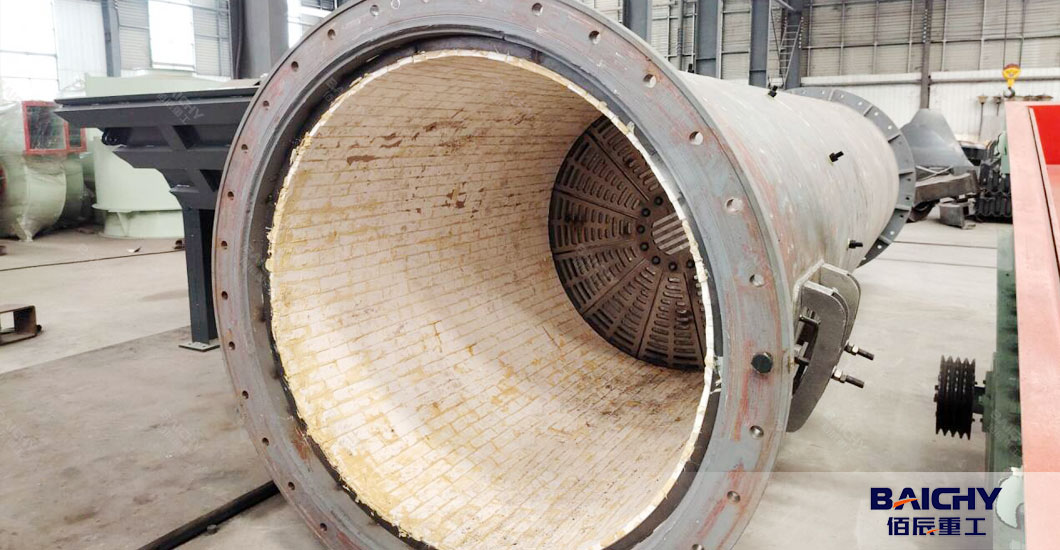
To ensure the whiteness of quartz powder, 92% high alumina ceramic lining bricks are used inside the cylinder. Unlike rubber liners, high alumina lining bricks have high hardness and good wear resistance. The trace ceramic powder worn off is composed of aluminum oxide and silicon dioxide, which are of the same origin as quartz and do not affect the whiteness and purity of the finished product at all.
II. Two-compartment Structure + Core Components: Targeted Solutions to Grinding Challenges
● First Compartment (Crushing Compartment): Features a special stepped liner design. The gradient change in the height of the protrusions on the liner significantly increases the height at which the high-alumina ceramic balls are lifted and the impact force when they fall. This design effectively compensates for the lighter specific gravity of ceramic balls compared to steel balls. For quartz stone raw materials less than 20mm, it can quickly achieve "large-scale crushing", laying a foundation for the subsequent fine grinding process.
● Second Compartment (Grinding Compartment): Equipped with corrugated liners, the corrugated structure on the surface increases the contact area between the ceramic balls and the material, while also extending the material's residence time in the compartment. It focuses on "fine grinding" and "particle shaping", ensuring uniformity in the final particle size.
● Double-layer Partition Board: Employs a forced screening design. The double-layer screen structure strictly controls the material flow rate, preventing incompletely crushed large particles from directly entering the second compartment. This avoids a decline in grinding efficiency and ensures the fineness of the output meets standards, structurally guaranteeing the stability of the grinding process.
III. Precise Commissioning Record: The Breakthrough from 2.5tph to 4tph
The installation of the equipment is just the beginning; the real test lies in commissioning. The following is the entire process of solving the production bottleneck at the customer's site.
1. Initial Test Run: Encountering Bottlenecks
During the first trial run with material, we either found that the output was not reaching the expected level (only 2.5 tons per hour), or when the feed rate was increased, there was a significant amount of coarse sand (screen residue of 200 mesh > 15%) at the discharge port, and the temperature at the tail end of the mill was abnormally high.
2. Diagnosis and Analysis
Our after-sales engineers identified two issues through sound judgment and shutdown inspection:
Excessive crushing capacity in the first chamber: The sound in the first chamber was clear, indicating that the large balls were hitting empty spaces, and the quartz feed was crushed quickly.
Insufficient grinding capacity in the second chamber: The material flow rate in the second chamber was too fast, and the number of small-sized grinding media was insufficient, resulting in inadequate fine grinding.
3. Key Adjustment: Reconfiguration of Ceramic Ball Gradation
This is the moment that showcases the technical sophistication. Instead of blindly adding balls, we recalculated the grinding media gradation (Ball Gradation):
● Adjustment in the first compartment: We appropriately reduced the proportion of Φ60mm large balls and increased the Φ40mm medium balls to make the crushing and filling more compact.
● Reconfiguration in the second compartment (the decisive point):
We found that the original plan had too many Φ30mm balls and too few Φ20mm balls. When grinding 200-mesh powder, the specific surface area is crucial. We decisively added 1.5 tons of Φ20mm and Φ15mm high-alumina microbeads. The more small balls there are, the contact points between the balls increase geometrically. This significantly enhances the probability of capturing and grinding fine particles. Based on the feedback from the main motor current, we precisely controlled the filling rate of the second compartment at around 42%, ensuring the mill operates under the optimal load condition.
After 48 hours of continuous operation and fine-tuning, the production line data has stabilized:
○ Output: Stabilized at 3.8 - 4.1 tons per hour.
○ Fineness: Residue on 200-mesh sieve is controlled within 3% (D90 meets the standard).
○ Whiteness: The whiteness of the feed raw ore and the finished product at the discharge end is exactly the same, and no increase in iron content is observed.
IV. Why Choose Open-Circuit Ball Mill?
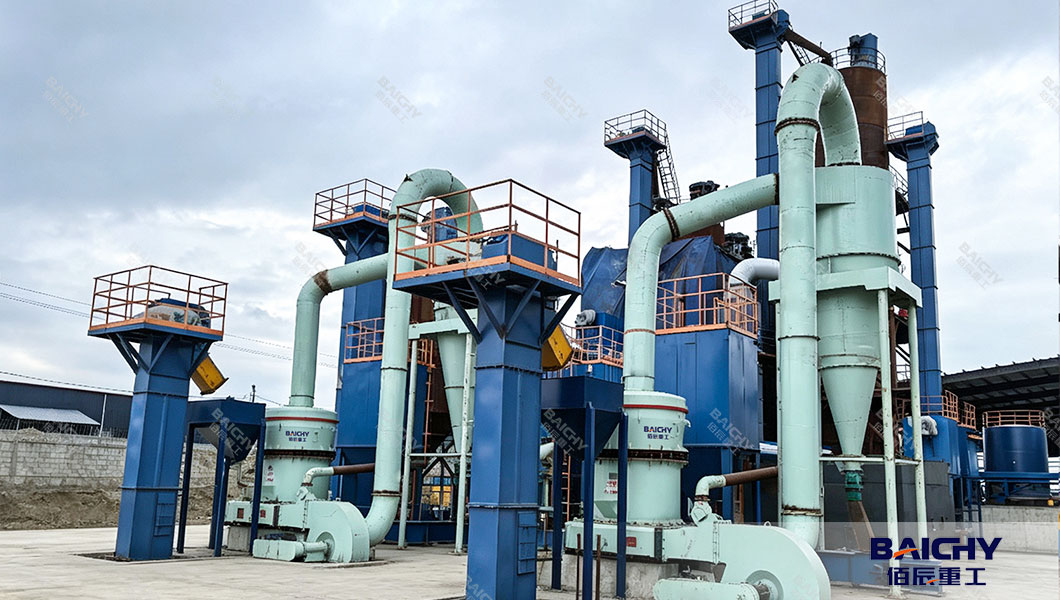
For medium and small production demands of 3-4 tons per hour, choosing an open-circuit mill (1500x5700 ceramic ball mill) over a closed-circuit system is based on the core logic of "balancing cost and efficiency":
1. Lower investment: Compared to a closed-circuit system, it eliminates the need for a complete set of auxiliary equipment such as a powder separator, elevator, and cyclone dust collector, reducing equipment investment.
2. Lower power consumption: With fewer auxiliary motors and no need to generate a large amount of circulating load to accommodate the powder separator, the power consumption per ton is kept within a reasonable range.
3. Simple maintenance: The structure is simple with fewer potential failure points. Maintaining production only requires regular replenishment of ceramic balls.
Many customers find that the output of their ceramic ball mills does not meet the expected standards. This is often not due to equipment quality issues, but rather the neglect of "grading customization" based on the hardness of different ores. As a professional ceramic ball mill manufacturer, what we deliver is not just a ball mill, but a complete grinding process solution that includes liner design, ball and stone ratio, and speed optimization. We can provide you with a free calculation of a customized grinding medium grading plan based on the hardness of your raw ore and the requirements for feed and discharge. At the same time, based on the characteristics of your raw materials, production capacity needs, and product standards, we offer a one-stop iron-free grinding solution to help you achieve efficient and high-quality production.




 2026-09-14





 86-15093113821
 86-15093113821