Home About us
Products
News
Solution
Video Service Contact us
100 TPD Copper Ore Flotation Plant in Pakistan

100 TPD Copper Ore Flotation Plant in Pakistan

Share
Capacity:         
4-5 ton / hour
Output size:     
100-300 mesh
Material:          
Cooper ore, gold ore, lead zinc ore etc
Configuration:

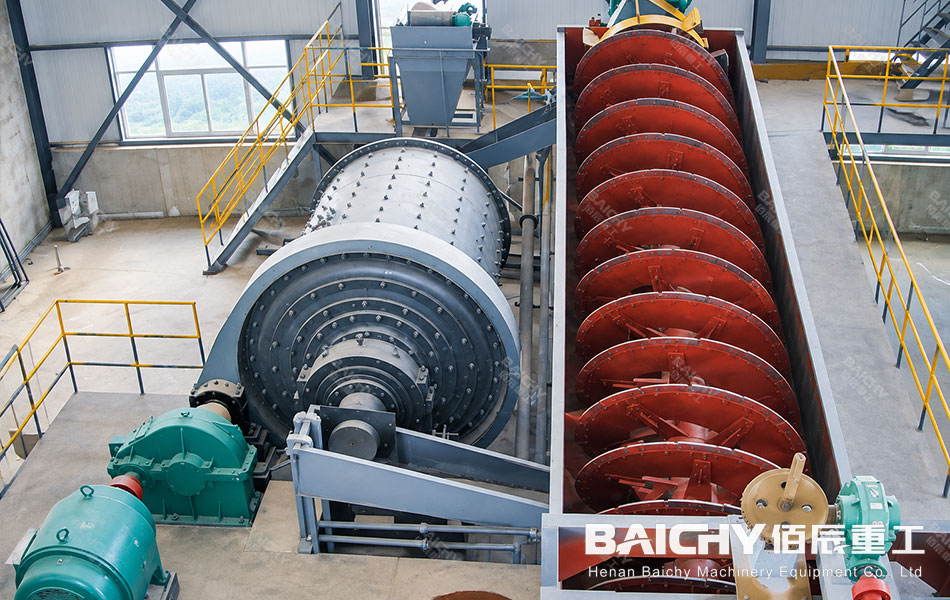
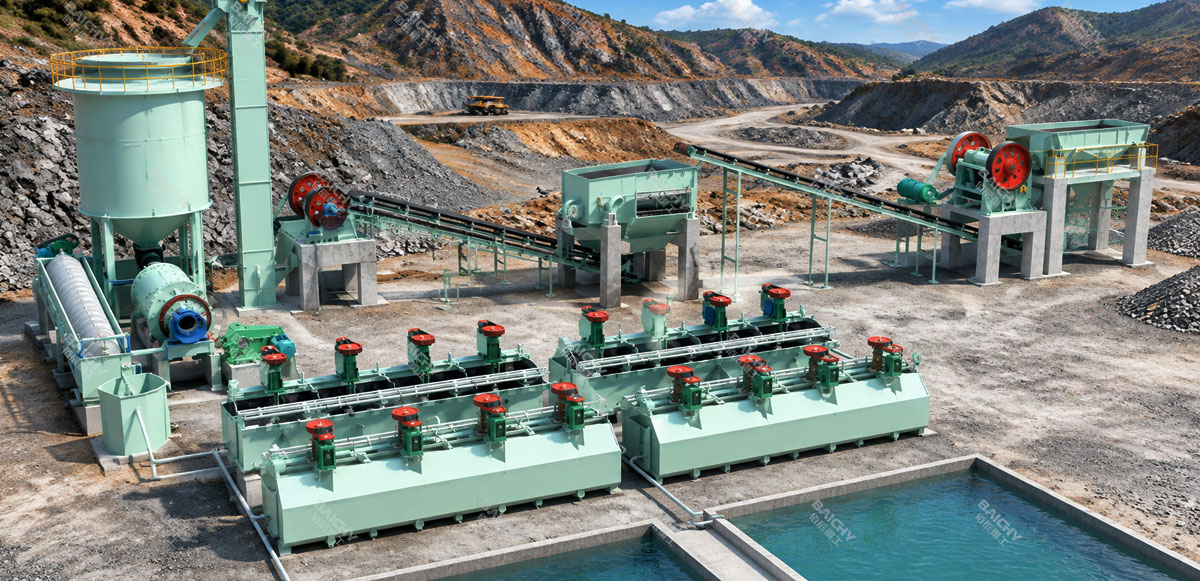
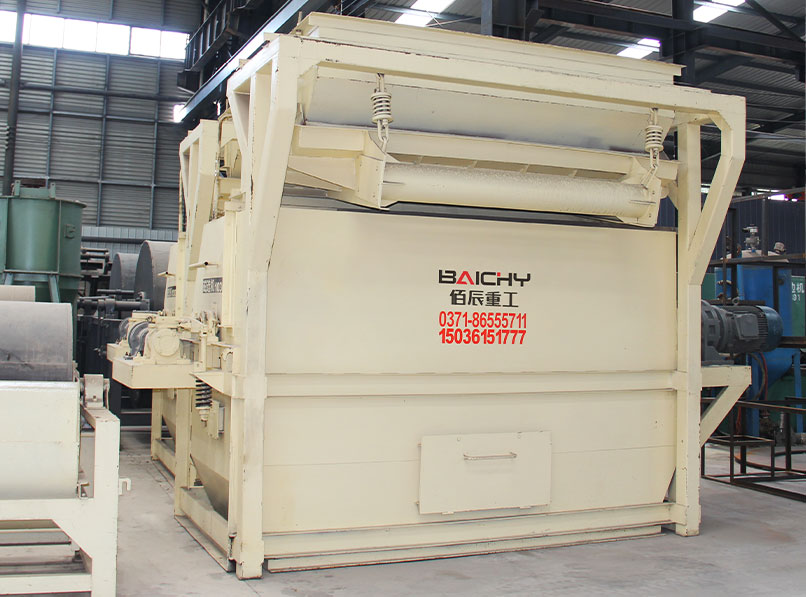
Jaw crusher, ball mill, spiral classifier, flotation cells, mixing tank, slurry pumps and other auxiliary machines

Background of Copper Ore Processing Plant

Copper is an important metal widely used in electrical, construction, transportation, and industrial applications. In many developing mining regions, including Pakistan, copper resources often exist in low-grade deposits that require efficient beneficiation technology to improve recovery and economic value. Froth flotation processing plant remains the most effective method for concentrating sulfide copper ores. For deposits with copper content around 0.5% and an oxidation rate of 7–8%, Baichy designs customized copper processing plants according to ore characteristics, production capacity, and customer requirements. It is designed to process raw copper ore , producing a higher-grade copper concentrate through crushing, grinding, flotation, and dewatering processes.


Flotation-Processing-Plant-flowchart.jpg

Project Overview: 100 TPD Copper Ore Beneficiation Plant

This copper flotation project is designed for a small-scale copper mining operation in Pakistan. The main objective is to recover valuable copper minerals from low-grade copper ore and improve the economic benefits of the mine. The complete copper beneficiation process mainly includes four stages: crushing, grinding, flotation separation, and concentrate dewatering.

1. Crushing Stage: Reducing Large Copper Ore Size
The raw copper ore with a maximum size of 300 mm is first sent to the jaw crusher. The purpose of crushing is to reduce the ore size and prepare suitable material for the grinding process. After crushing, the copper ore size is reduced to a suitable range for further grinding.

2. Grinding Stage: Improving Mineral Liberation

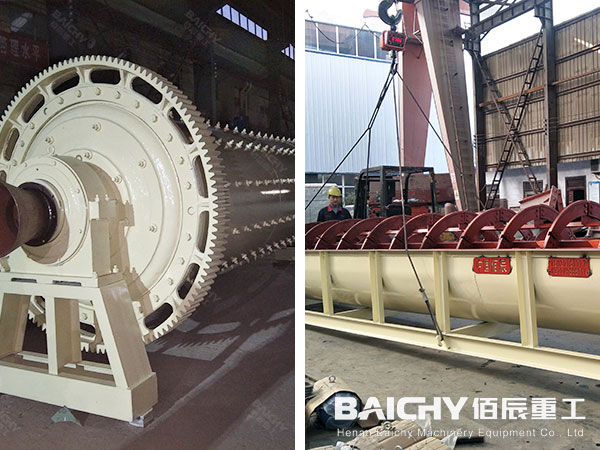
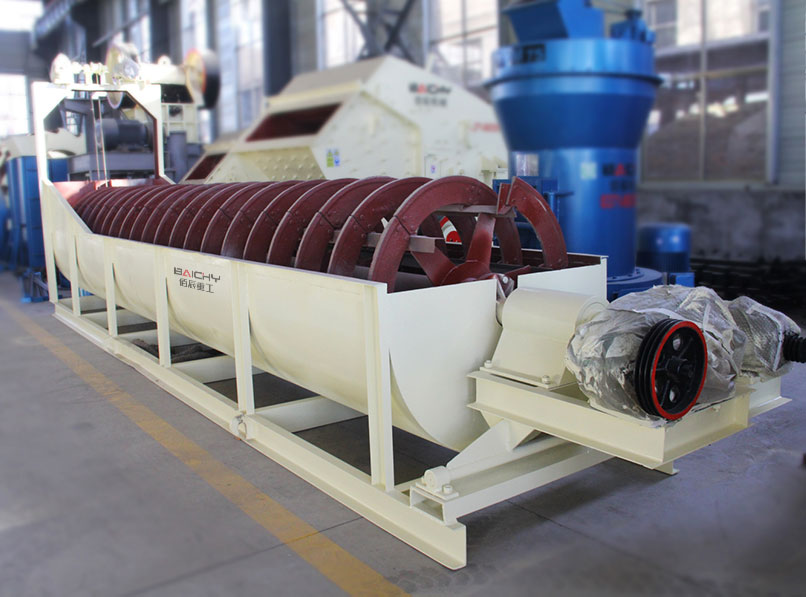
After crushing, the copper ore enters the ball mill for grinding. The grinding process is a key step because copper minerals need to be fully liberated from gangue minerals before flotation. The ball mill 1500x7000 works together with a classifier to control the grinding fineness. Proper grinding ensures better contact between copper minerals and flotation reagents, improving copper recovery. For a 100 TPD copper plant, a compact and energy-efficient grinding system is usually selected to reduce investment and operating costs.

3. Flotation Stage: Recovering Copper Minerals
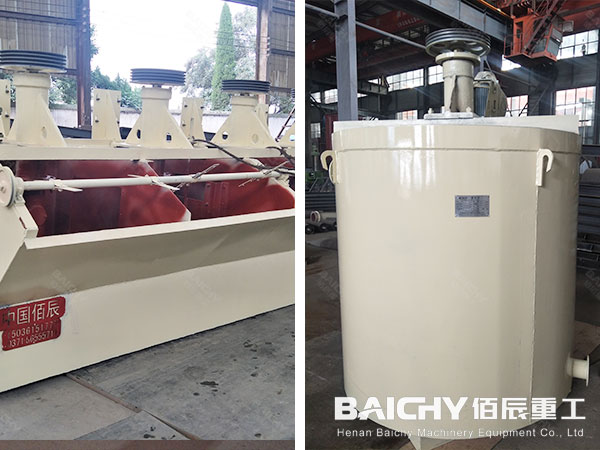
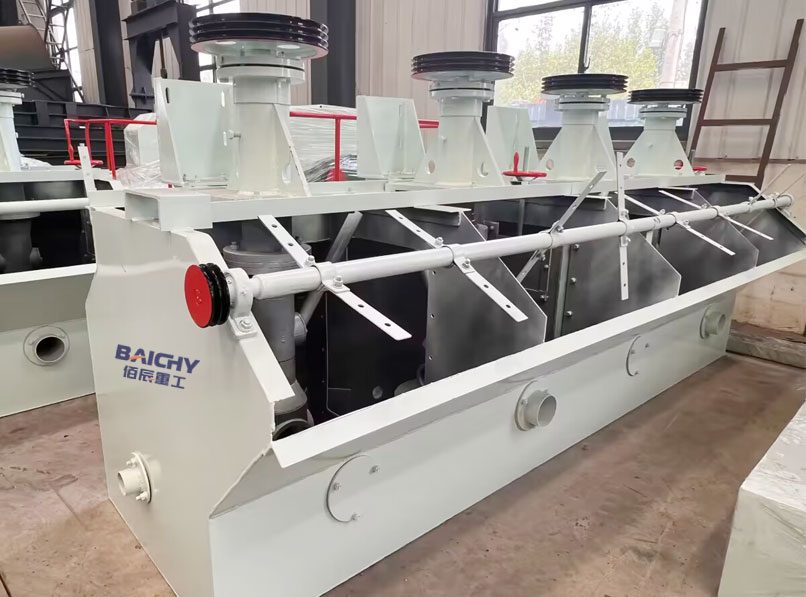
The ground copper slurry enters the flotation cell machines circuit. Through the addition of collectors, frothers, and regulators, copper minerals attach to air bubbles and rise to the surface, forming copper concentrate. A typical circuit includes rougher, scavenger, and cleaner stages. For 100 TPD capacity, mechanical flotation cells ranging from 0.5 to 2 m³ are appropriate. The rougher stage recovers the bulk of copper minerals, while cleaners upgrade the concentrate to saleable grade—typically 20-25% Cu.

4. Concentrate and Tailings Treatment
After flotation, the copper concentrate contains a high amount of water. The concentrate is sent to a thickener and filter press for dewatering. The final products include: Copper concentrate with reduced moisture content, process water recycled back into the plant, tailings safely discharged or stored. This closed-loop water recycling system helps reduce water consumption and improve environmental performance. 

Main Equipment for 100 TPD Copper Flotation Plant

A complete copper ore beneficiation plant usually includes the following equipment:

1. Crushing Equipment: Jaw crusher, Vibrating feeder, Vibrating screen
2. Grinding Equipment: Ball mill, Spiral classifier, Slurry pump
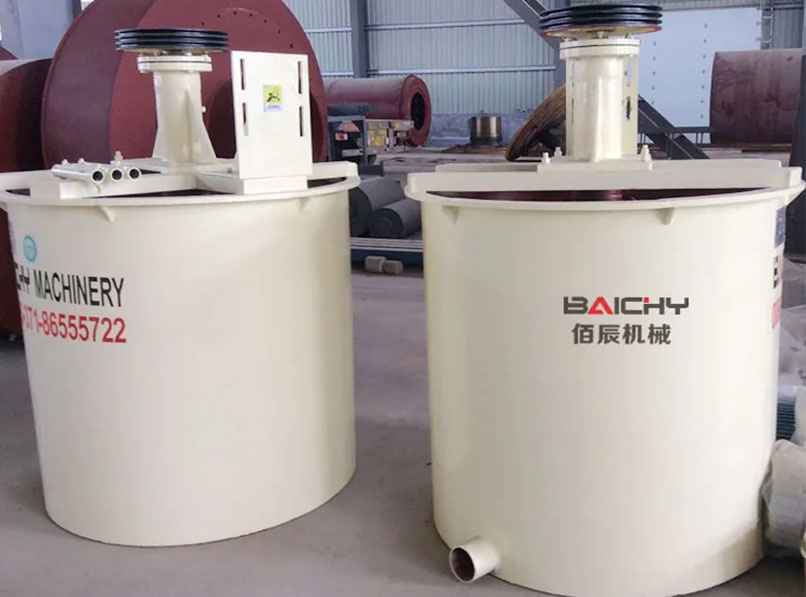
3. Flotation Equipment: Flotation cells, Mixing tanks, Reagent feeding system
4. Concentrate Processing Equipment: Thickener, Filter press, Conveyor system

Baichy provides complete solutions from equipment selection and process design to installation guidance and commissioning support. 

Advantages of This Copper Beneficiation Solution

1. Suitable for Low-Grade Copper Ore. With a feed grade of only 0.5% Cu, the flotation plant improves copper concentration by separating valuable minerals from waste materials. This allows mining companies to utilize resources that cannot be processed economically by traditional methods.

2. Compact Design for Small-Scale Mining. The 100 TPD capacity makes this plant suitable for small and medium copper mining projects. The equipment layout is optimized to reduce construction costs while maintaining stable operation.

3. Customized Process Based on Ore Characteristics. Copper ores vary significantly in mineral composition and oxidation degree. Baichy designs flotation flowsheets based on ore testing results, including mineral composition, hardness, and oxidation characteristics.

4. Lower Operating Cost. The plant uses efficient crushing, grinding, and flotation equipment to reduce energy consumption and improve production efficiency.


The Philippines 1TPH small scale CIP gold processing plant successfully provides an effective solution for recovering gold from mine tailings. Through the combination of fine grinding, CIP leaching technology and carbon adsorption, the plant helps maximize gold recovery while maintaining simple operation and manageable investment costs.

Crushing Solutions Design

Baichy Machinery can customize a crushing plant for you based on the specific conditions of your project: such as the construction site, hardness of the raw materials, output, output size, budget, etc.

On-site Installation & Training

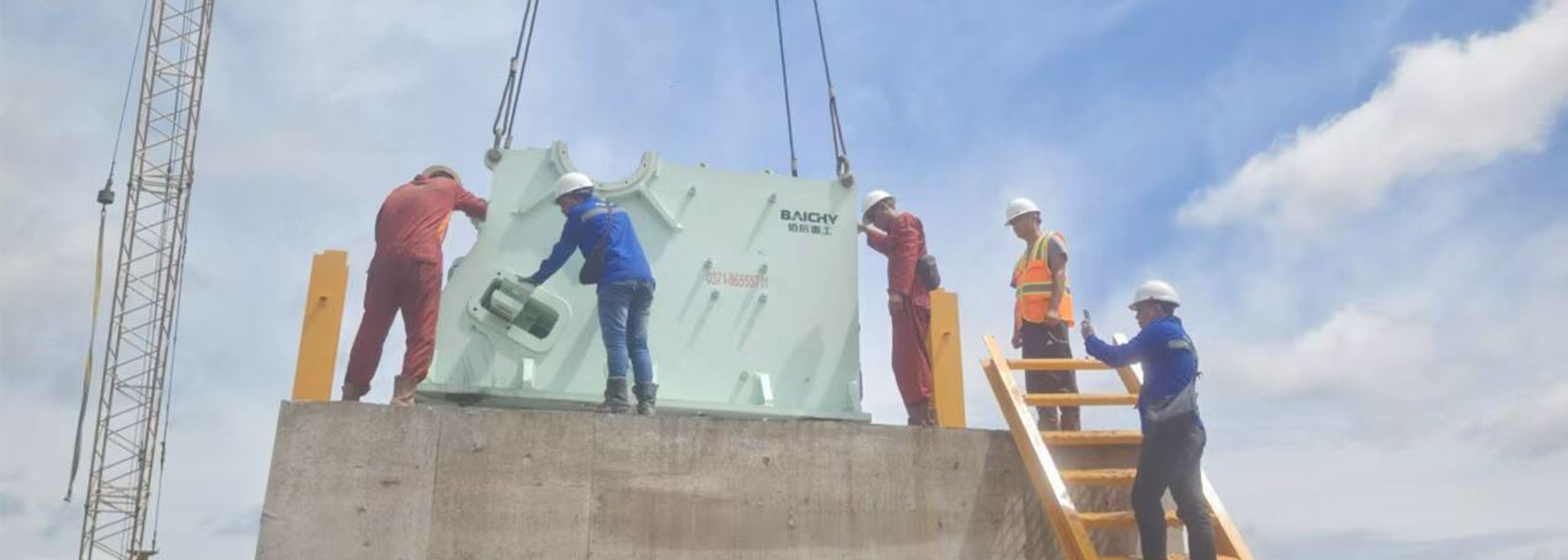
Our team provides on-site installation and thorough training to ensure safe operation of the crushing plant.

Quality Control & Global Delivery

Rigorous quality checks ensure compliance with standards, and we handle worldwide delivery to your location.

After-Sales Support

Baichy Machinery provides you with spare parts supply, project transformation, investment return analysis, etc.

Crushing Solutions Design
On-site Installation & Training
Quality Control & Global Delivery
After-Sales Support

Frequently Asked Questions (FAQs)

Find answers to the most common questions about Baichy Machinery. If you can’t find what you’re looking for here, please contact us.

1.What is the best processing method for copper ore?

It depends on the ore type. For sulfide copper ore (like chalcopyrite), froth flotation is the most effective and widely used method. For oxidized copper ore, hydrometallurgy (acid leaching followed by solvent extraction and electrowinning, or SX-EW) is usually preferred. If the ore contains both sulfide and oxide minerals, a combined flotation + leaching process may be the best choice. The final decision should always be based on ore testing.

2.What feed size is suitable for a copper processing plant?

The maximum feed size depends on your crushing circuit. Typically, run-of-mine ore can be up to 300–1000 mm, which is then reduced by crushing and grinding to the size needed for liberation. For flotation, the target grind size is usually 60–150 μm (d80). The optimal size is determined by how finely the copper minerals are disseminated in the ore.

3.What is the min capacity for a profitable copper processing plant?

There is no fixed number, but for small-scale operations, 50–100 tons per day (TPD) can be economically viable if the feed grade is high enough and operating costs are well controlled. Lower-grade ores (around 0.5% Cu) generally need larger capacity or very efficient circuits to be profitable. A feasibility study based on your specific ore grade, recovery rate, and local costs is essential.

4.What factors affect copper recovery in a flotation plant?

Several factors affect copper recovery in a flotation plant. The most important is ore mineralogy—fine-grained sulfide ores need finer grinding, while oxide copper is much harder to float. Grind size also matters. Too coarse, and the copper stays locked in the rock; too fine, and you lose it as slimes. Reagent selection is equally critical. Collectors, frothers, and pH modifiers must match your ore, and pH is usually kept around 10.5–11.5 to suppress pyrite. A higher oxidation rate will also reduce recovery. Finally, water quality and pulp density can affect froth stability. Since ore changes as you mine deeper, regular testing and adjustment are always necessary.
MAYBE YOU ARE INTERESTED IN