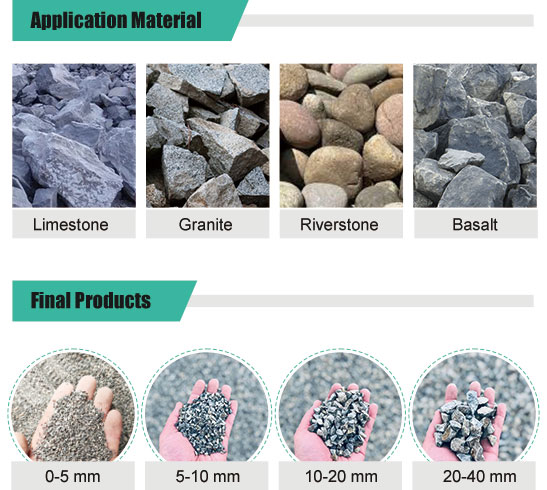
1. Raw Materials: The plant can be configured to process a variety of stones. Common materials include medium-soft rocks like Limestone, or highly abrasive hard rocks like Granite, Basalt, and River Pebble. The hardness of the rock directly dictates the type of crushers used.
2. Capacity: 800 to 1000 Tons Per Hour. This massive throughput requires heavy-duty, continuous-operation equipment.
3. Output Fractions: A well-designed plant is highly flexible and can produce multiple aggregate sizes simultaneously to meet market demands. Standard output sizes include 0-5mm (manufactured artificial sand), 5-10mm, 10-20mm, and 20-31.5mm for high-grade concrete aggregates. Additionally, it can produce 30-80mm stones for industrial uses or road base layers.
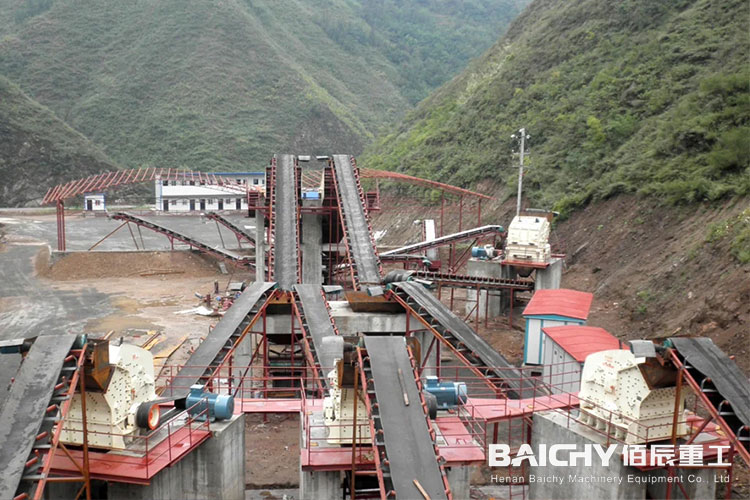
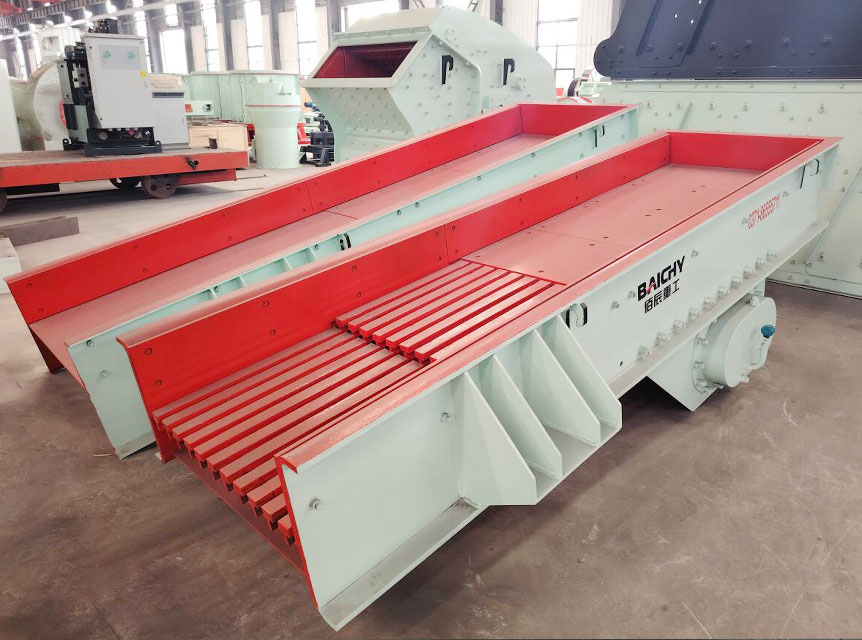
Achieving a stable 1000 TPH output requires perfectly matched accessory equipment. The feeders and belt conveyors must be engineered to handle massive, non-stop loads without becoming bottlenecks. Wide, heavy-duty conveyor belts with high-torque motors are mandatory.
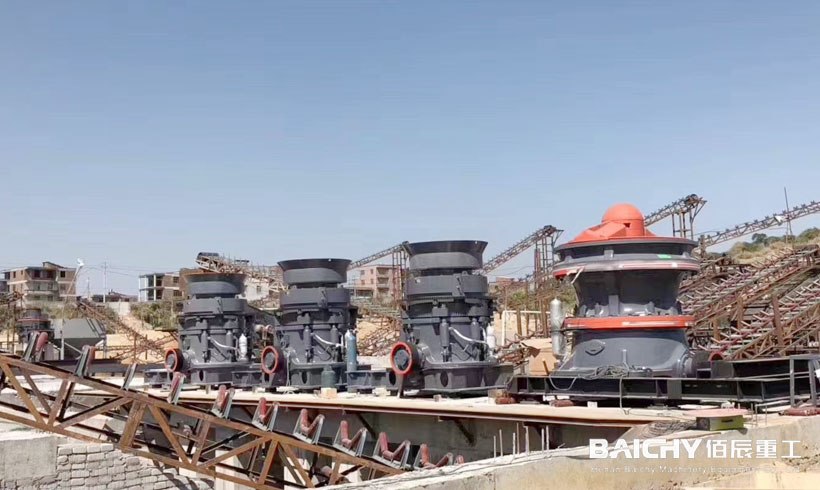
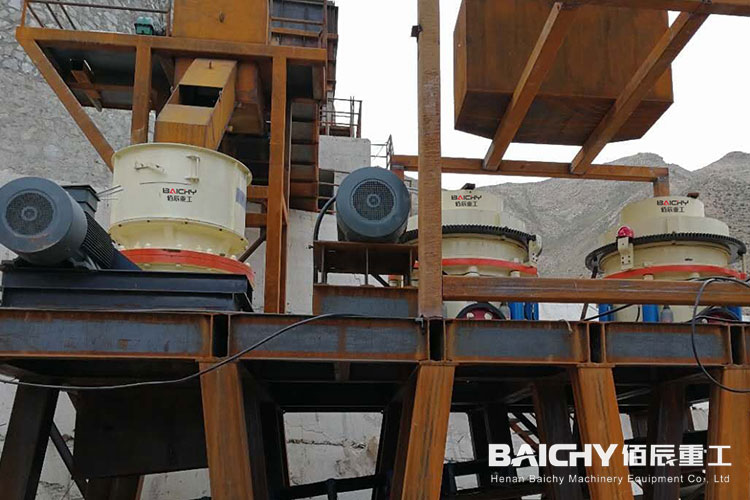
Furthermore, choosing the right secondary crusher is critical. Why do modern mega-plants favor Hydraulic Cone Crushers? At 1000 tons per hour, equipment reliability is everything. Hydraulic cone crushers offer automated cavity clearing; if an uncrushable piece of iron enters the chamber, the hydraulic system automatically drops the mantle to let it pass safely, preventing catastrophic downtime. Their high-speed rotation and laminated crushing action also ensure a much higher yield of usable aggregates compared to older, traditional spring cone crushers.

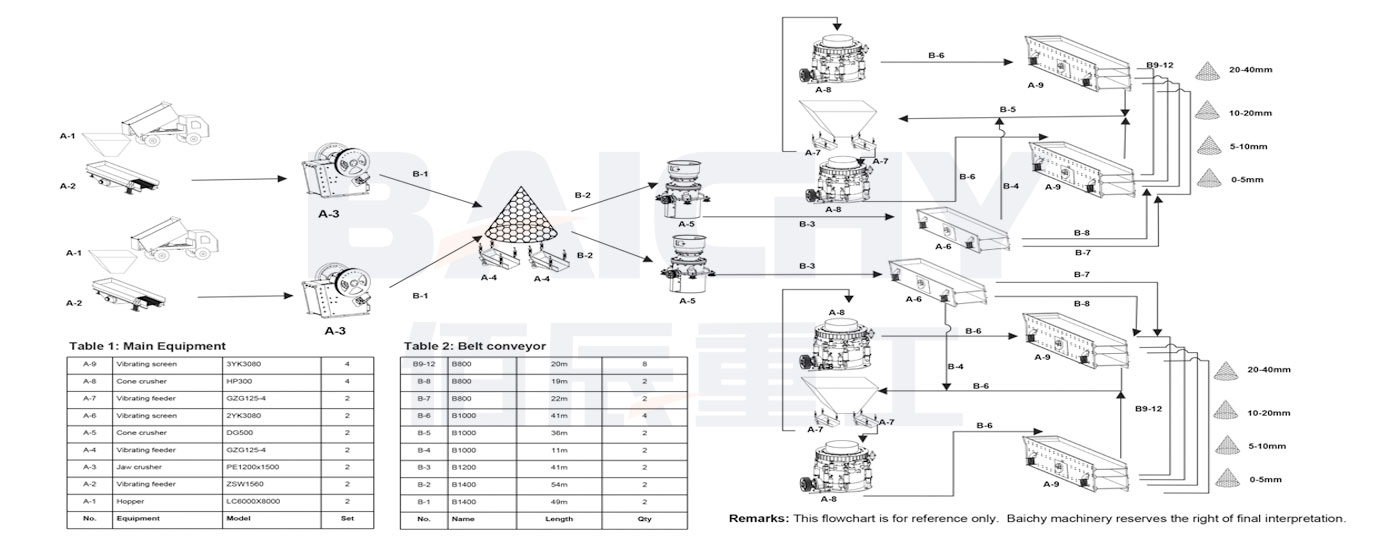
To handle 1000 tons of rock every hour efficiently, the crushing process must be broken down into logical, carefully managed stages. A standard high-capacity plant follows this core process flow:
Stage 1: Primary Crushing
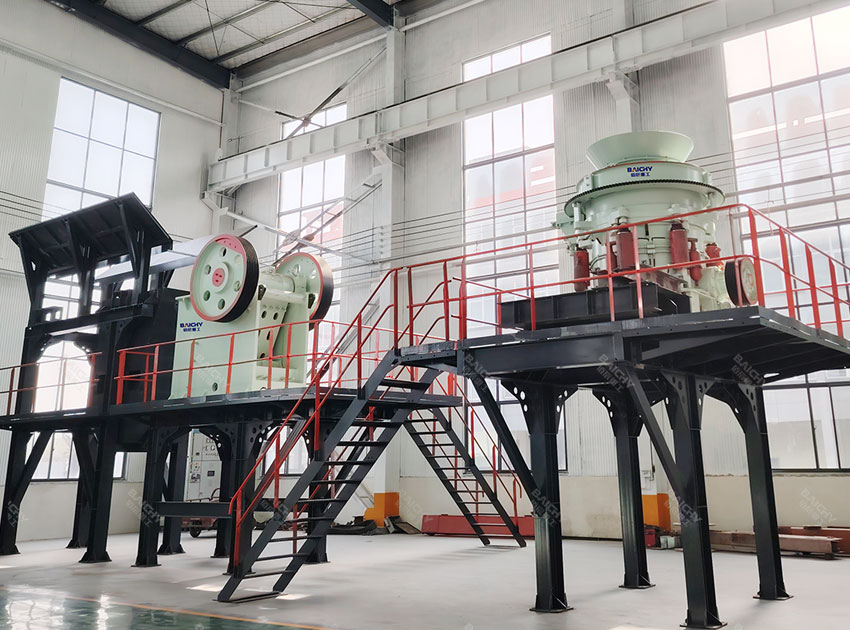
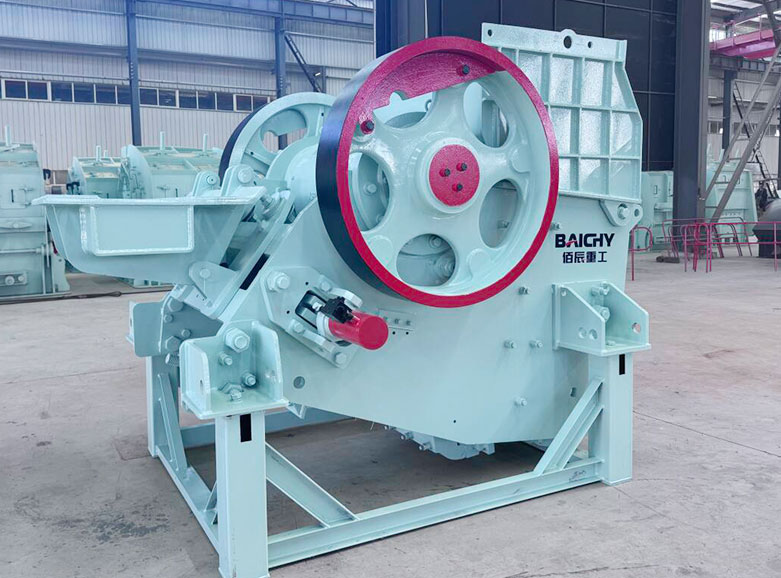
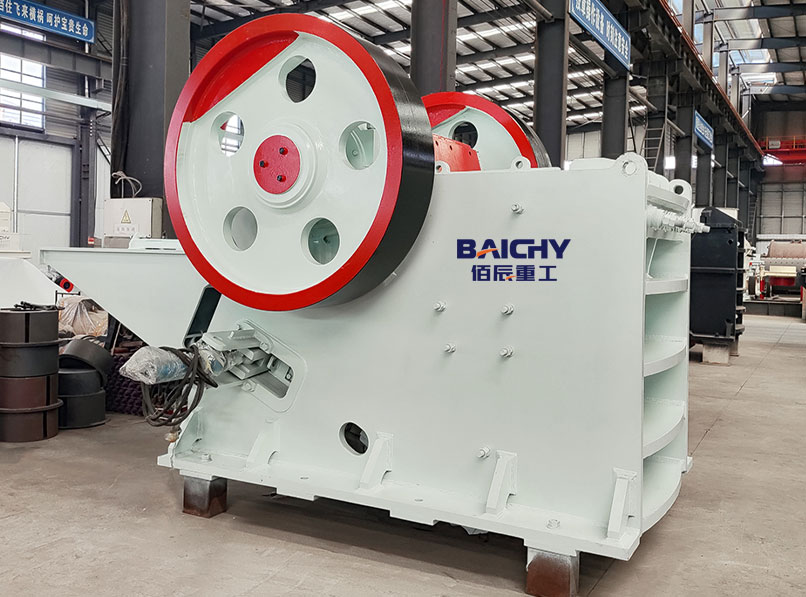
The journey begins at the raw material hopper. Massive dump trucks unload large blasted boulders into the hopper. A heavy-duty vibrating grizzly feeder evenly pushes these boulders into the Heavy-duty Jaw Crusher. The feeder also "scalps" the material, allowing smaller dirt and rocks to bypass the jaw crusher, saving energy. The jaw crusher acts as the primary workhorse, taking rocks as large as a meter in diameter and crushing them down to a manageable size of around 150-250mm.
Stage 2: Secondary & Tertiary Crushing
This stage is the heart of the 1000 TPH production line, where the actual shaping and sizing happen. The coarse stones from the jaw crusher are transported via belt conveyors to the secondary crushers. For hard rocks like granite, HPT Multi-Cylinder Hydraulic Cone Crushers are the gold standard, offering immense crushing force and producing well-shaped, cubic stones. If the raw material is softer, like limestone, large Impact Crushers may be used instead to achieve an excellent particle shape with a lower initial investment.
Stage 3: Screening and Washing
Once the stones are crushed to the desired sizes, they must be accurately sorted. The material is fed into a series of massive, multi-deck Vibrating Screens. These screens act like giant sieves, separating the crushed rock into exact commercial sizes (e.g., 20mm, 10mm, 5mm). Any oversized stone that does not pass the screen is automatically sent back to the cone or impact crusher for a secondary pass. For the 0-5mm fraction, Sand Washers are often integrated to wash away excess clay and stone powder, ensuring the final manufactured sand meets premium construction standards.
A top-tier equipment manufacturer provides more than just machinery; Baichy Machinery provide extensive plant design and engineering soft power.
1. Customized EPC Solutions (Plant Layout)
Every quarry has a different topography. A professional EPC provider will conduct a 3D topographic survey of your site to design a customized plant layout. By utilizing the natural gravity of hills or slopes, engineers can drastically reduce the required length of conveyor belts. A smart, compact layout not only saves land space but also significantly cuts down on initial steel investment and daily electricity consumption.
2. Dust Treatment & Environmental Protection
Crushing 1000 tons of rock per hour generates a massive dust storm. Today, strict environmental regulations mean dust control is no longer optional—it is mandatory. Modern mega-plants are designed with fully enclosed workshops. Key dust-emitting points (like crusher discharges and screen drops) are equipped with high-efficiency pulse bag-type dust collectors and high-pressure water spray systems. This ensures the plant operates cleanly, protecting both the environment and the workers' health.
3. Smart Automation Control
Managing a plant of this size manually is virtually impossible. Therefore, modern 1000 TPH plants are equipped with sophisticated PLC (Programmable Logic Controller) central control systems. Operators sit in an air-conditioned control room, monitoring the entire flow via SCADA screens and camera feeds. The system allows for one-button sequential start/stop, real-time current monitoring, and automatic fault alarms. This smart automation drastically reduces labor costs, minimizes human error, and ensures the plant runs at peak safety and efficiency.
4. Installation & Tranining
Baichy machines have delivered to hundreds of countries, such as Indonesia, Philippines, Vietnam, Malaysia, India, Pakistan, Kenya, the USA, Ghana, Zimbabwe, America, Australia Canada, Peru, Columbia, Guatemala, Uzbekistan, Russia etc. The experienced engineers are assigned to install and train in cusomter site.
Save Time! Get A Detailed Quotation Quickly.