Looking for a small ball mill for sale? Start with your material, required output size, processing capacity, and grinding method—not just the purchase price. The right mill should meet your production target without unnecessary power consumption or maintenance costs.
Small ball mills serve different purposes, from laboratory testing and ceramic production to small-scale mineral processing. Before requesting a quotation, confirm the specifications and the complete grinding system required for your application.
1. What Is a Small Ball Mill?
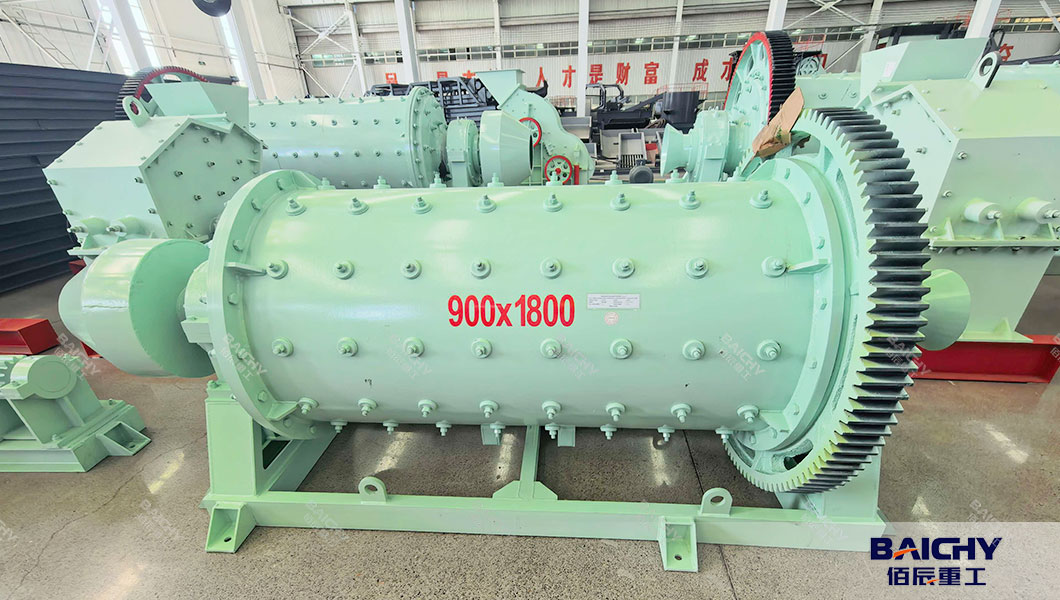
A small ball mill is a grinding machine that reduces material size through the impact and friction of grinding media inside a rotating cylinder. It can process minerals, ores, limestone, quartz, ceramics, and other suitable materials.
Typical applications include:
● Small-scale mining: Grinding crushed gold, copper, and other ores before further processing.
● Ceramic production: Preparing ceramic bodies and glaze materials.
● Pilot plants: Testing grinding conditions before investing in larger equipment.
● Industrial powder production: Processing suitable materials to a specified fineness.
The term “small” does not refer to one standard capacity. A laboratory mill handles small samples, while a compact industrial ball mill can process material continuously at a higher throughput. Choose the equipment according to the actual workload.
2. How to Choose the Right Small Ball Mill for Sale
The most reliable way to select a small ball mill is to define the material, feed size, target fineness, and required throughput before comparing models.
Confirm Your Processing Capacity
For continuous production, calculate the required hourly throughput:
Required capacity (t/h) = daily production (t) ÷ operating hours per day
For example, a plant that needs to process 12 tonnes in an 8-hour shift requires an average throughput of 1.5 t/h. The final mill selection must also account for ore hardness, grinding fineness, and the performance of connected equipment.
For batch production, specify the material quantity per batch and the number of batches required each day.
Check Feed Size and Target Fineness
A ball mill cannot be selected by capacity alone. Coarse feed, hard minerals, and finer output requirements can increase grinding demand and reduce throughput.
Before purchasing, provide the supplier with:
● Maximum feed particle size.
● Required final particle size, in millimeters, microns, or mesh.
● Material hardness and abrasiveness.
● Required hourly capacity or batch size.
If the feed is too coarse, a crushing stage may be necessary before grinding.
Choose the Right Operating Mode
Decide whether you need batch grinding or continuous grinding. Batch mills suit intermittent production and flexible product changes, while continuous mills are generally better for steady industrial processing.
For example, a small ceramic workshop producing several formulations may prioritize batch flexibility. A mineral-processing plant running a fixed production schedule will usually focus on continuous throughput and integration with classification equipment.
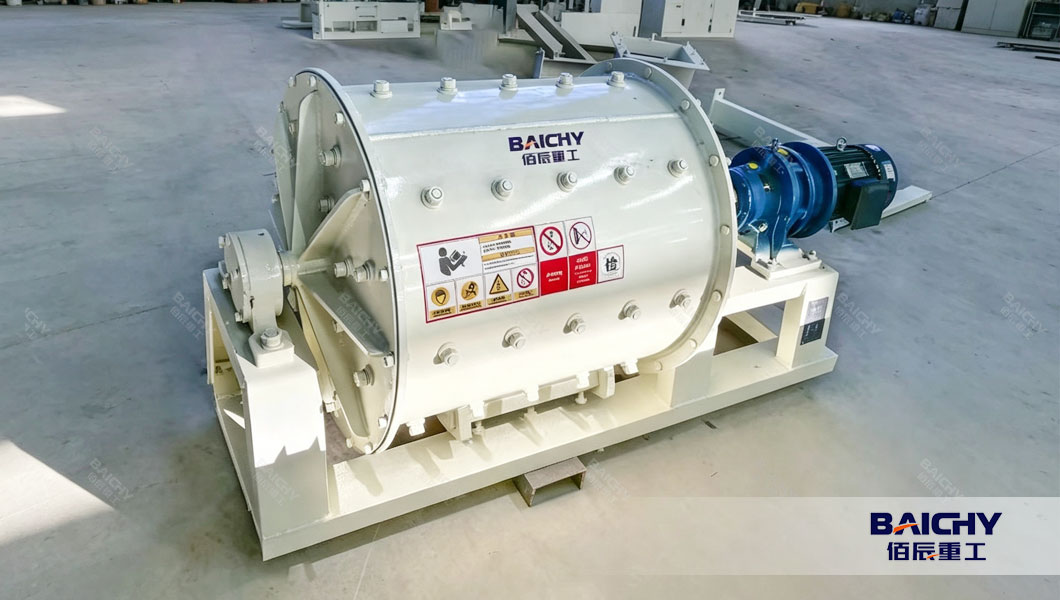
3. Wet Grinding vs. Dry Grinding
The best grinding method depends on the material and the next processing stage.
Wet grinding mixes the feed with water or another suitable liquid. It is common in mineral processing when the ground material will move into a slurry-based separation process.
Dry grinding avoids adding process water and may suit applications that require dry powder. However, dust control, heat generation, and particle agglomeration need consideration.
| Factor |
Wet Grinding |
Dry Grinding |
| Process medium |
Water or suitable liquid |
No liquid added |
| Product handling |
Slurry |
Dry powder |
| Additional equipment |
May require slurry pumps and classification |
May require dust collection and air classification |
| Key consideration |
Liquid compatibility and downstream separation |
Dust, heat, and powder handling |
Do not assume one method always delivers higher efficiency. Confirm the material properties, target fineness, and downstream process before deciding.
4. Small Ball Mill Price: What Affects the Cost?
The small ball mill price depends on the machine size, motor power, grinding configuration, materials of construction, and supplied accessories. A reliable quotation should reflect the actual working conditions rather than a generic price for a machine described as “small.”
The main cost factors include:
● Capacity and dimensions: Larger grinding volumes generally require a larger machine and drive system.
● Liner and grinding media: Steel, rubber, and ceramic options have different wear and contamination characteristics.
● Wet or dry configuration: Pumps, seals, dust collectors, and classification equipment may change the total cost.
● Installation requirements: Foundation work, electrical connections, and commissioning can add to project costs.
● Shipping and spare parts: Freight, replacement liners, and grinding media affect the overall investment.
When comparing quotations, check whether the price covers only the mill or a complete operating system. Compare the total installed cost and expected operating expenses, not just the initial equipment price.
5. Small Ball Mill Specifications Buyers Should Compare
Ask suppliers for a model-specific specification sheet. The following parameters help you determine whether the equipment matches your application.
| Factor |
Wet Grinding |
Dry Grinding |
| Process medium |
Water or suitable liquid |
No liquid added |
| Product handling |
Slurry |
Dry powder |
| Additional equipment |
May require slurry pumps and classification |
May require dust collection and air classification |
| Key consideration |
Liquid compatibility and downstream separation |
Dust, heat, and powder handling |
Important: Published capacity is not a guaranteed result for every material. Ask whether the quoted throughput applies to your feed size, ore hardness, and target fineness. For demanding applications, a material sample test can help verify performance.
6. Small Ball Mill for Gold Ore and Small-Scale Mining
A small ball mill can be used to grind crushed gold ore before subsequent mineral processing. However, the correct configuration depends on the ore's hardness, mineral composition, liberation size, and selected recovery method.
A typical process may follow this sequence:
● Crushing: Reduce run-of-mine ore to a suitable feed size.
● Grinding: Use a ball mill to liberate valuable minerals from the surrounding rock.
● Classification: Separate fine material from particles that need further grinding.
● Recovery: Select gravity separation, flotation, or another suitable method based on ore characteristics.
For example, a small gold project targeting a steady daily output should first establish its required tonnes per hour and target grinding size. The supplier can then evaluate the mill alongside the classification and recovery equipment.
A ball mill alone does not guarantee gold recovery. Confirm the ore's mineralogy and processing requirements before choosing the complete plant.
Get a Small Ball Mill Quotation
Choosing the right small ball mill for sale starts with a clear understanding of your production target and material properties. Compare technical specifications, operating costs, and system requirements before making a purchase.
Contact Baichy Machinery with your material, feed size, required capacity, target fineness, and wet or dry grinding requirements. Our team can evaluate your project conditions and recommend a suitable grinding equipment configuration.
Frequently Asked Questions
1. How much does a small ball mill cost?
There is no single price for all small ball mills. Capacity, configuration, liner material, motor power, and auxiliary equipment affect the quotation. Provide your processing requirements to obtain a model-specific price.
2. What capacity small ball mill do I need for gold ore?
Calculate the required tonnes per hour and specify the target grinding size. Ore hardness and mineral liberation requirements also affect the final selection, so capacity should be confirmed for the actual ore.
3. Can a small ball mill grind materials wet and dry?
Some models support both methods, but compatibility depends on the machine design, sealing, liner, and material. Confirm the permitted operating modes with the manufacturer.
4. What information is needed to get a quotation?
Provide the material type, feed size, target fineness, required capacity, wet or dry grinding method, power supply, and installation location. These details help the supplier recommend a suitable configuration.




 2026-10-30







 86-15093113821
 86-15093113821