The Raymond mill is an essential piece of equipment in the powder grinding industry, famous for turning bulk materials into fine powder. However, mastering its mechanics goes beyond just flipping a switch. Proper operation and scientific debugging are absolute necessities to extend the machine's lifespan, guarantee workplace safety, and maximize your production yield. In this comprehensive guide, we will walk you through the entire process. From pre-operation checks to precise debugging and safe shutdown sequences, you will learn how to handle your grinding mill like a true professional.
Phase 1: Preparation Before Operation
Operator Training and Safety Protocols
Safety and knowledge must always come first. Before anyone touches the control panel, specific operators need to undergo thorough technical training. They must understand the fundamental workings of the mill and know basic debugging methods to handle potential faults safely. Operating heavy machinery without proper training is a recipe for disaster. By ensuring your team is fully educated on the machine's safety operating procedures, you protect both your personnel and your valuable equipment from preventable accidents.
Comprehensive Equipment Inspection
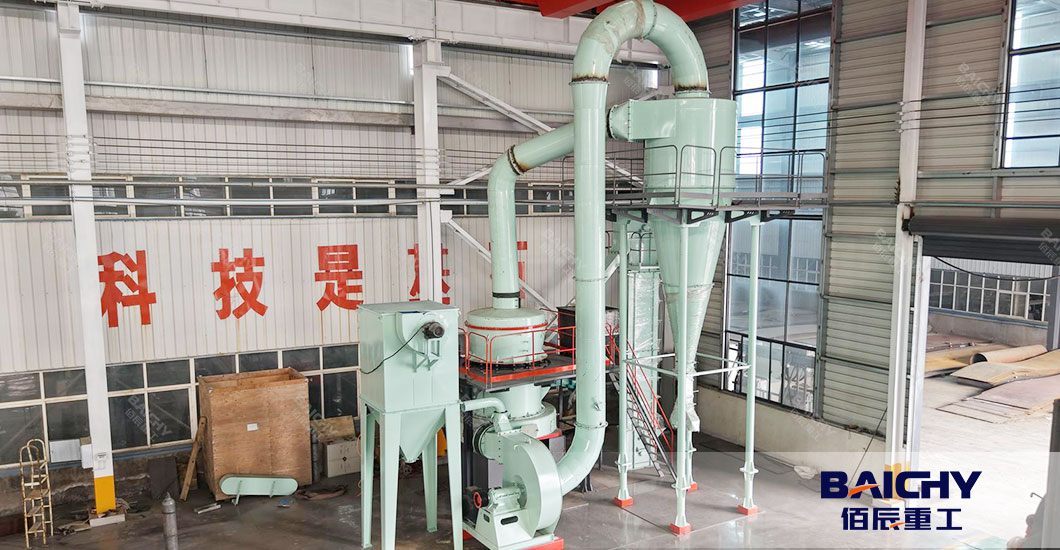
A meticulous physical inspection is required before starting the motor. First, check whether all inspection doors are tightly closed. If they are left open or loose, the system will leak air and fine powder, drastically reducing efficiency. Next, look inside the main machine to ensure there are no iron blocks, leftover rocks, or random debris that could damage the grinding rollers. Finally, verify that the rotational direction of all moving parts is correct and that the lubrication oil in the reducer is at the optimal level.
Phase 2: How to Debug a Raymond Mill
1. Empty Load Running Test
Debugging essentially starts with an empty load running test. This means turning on the machine without feeding any raw materials into it. Before this no-load test begins, you must ensure that the grinding roller device is firmly rolled and secured. Start the main engine and simply listen and watch. The equipment should run smoothly without any severe vibrations or abnormal grinding noises. This crucial step confirms that the mechanical assembly is solid and ready to handle heavy rock grinding.
2. Monitoring Core Parameters
During the debugging phase, keeping a close eye on internal temperatures is absolutely vital. Pay specific attention to the oil temperature within the reducer box. According to industrial standards, this oil temperature shall not exceed eighty degrees Celsius (80°C). Furthermore, the overall temperature rise during operation should not exceed forty degrees Celsius (40°C). If the machine runs hotter than these limits, you must shut it down immediately to prevent severe internal damage to the bearings and gears.
3. Air Blower and Air Load Debugging
The air blower is the lungs of your Raymond mill, carrying the ground powder up into the classifier. When we are debugging the operation, we must pay close attention to the blower to safely start the air load. You need to adjust the fan's inlet valve to ensure the airflow and air pressure are perfectly balanced. If the wind is too weak, the powder won't rise. If the wind is too strong, coarse particles will be blown into the final product. Precision here guarantees the perfect powder fineness.
4. Adjusting the Feeding System
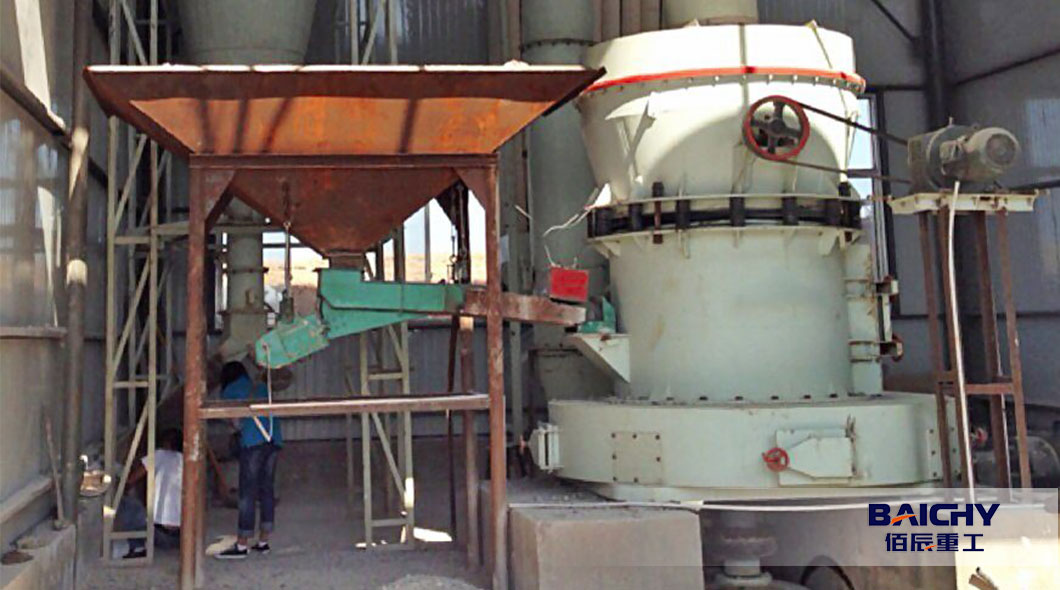
The feeding system determines how much raw material enters the grinding chamber. To debug this, first switch the control handle to the "manual" state. Next, start the electromagnetic vibration feeder and carefully adjust the feeding current of the SCR (Silicon Controlled Rectifier). You want to establish a steady, continuous flow of material. Feeding too fast will choke and stall the main mill, while feeding too slow will cause the grinding rollers to violently smash against the grinding ring, wasting energy and wearing out parts.
Phase 3: Standard Operational Procedures
1. Correct Startup Sequence
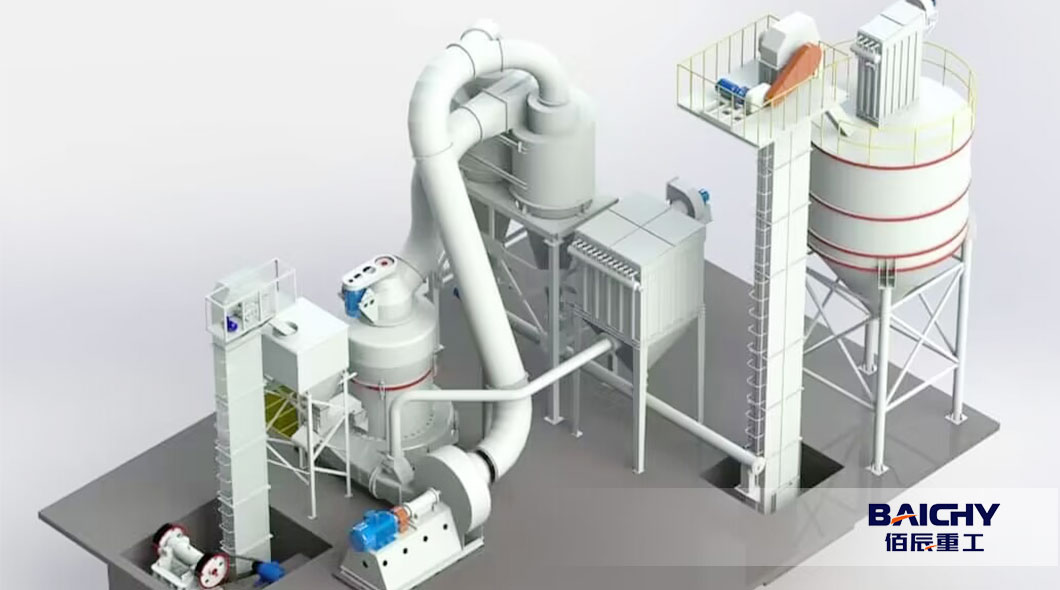
Starting a Raymond mill requires following a strict sequence to prevent mechanical overload. Never start everything at once. First, start the bucket elevator and jaw crusher to prepare your materials. Then, turn on the analyzer (classifier) followed by the main air blower. Once the airflow is stable, turn on the main host engine. Finally, after the main mill is running smoothly, activate the vibration feeder to drop rocks into the chamber. Following this exact order prevents electrical surges and material jams.
2. Continuous Operation Monitoring
Once the mill is fully operational, your job isn't over. The operator must continuously monitor the electrical current meter on the control cabinet. The current should remain stable, indicating a balanced feed rate. If you need a finer output powder, you can easily adjust the speed of the analyzer; a faster spin yields a finer product. Additionally, always keep an ear out for any sudden changes in the machine's humming sound, as abnormal noises are often the first sign of an impending mechanical issue.
Phase 4: Safe Shutdown Sequence
The Correct Shutdown Process
Just like starting up, shutting down the mill requires a specific step-by-step process. The shutdown sequence is essentially the reverse of the startup process. First and foremost, turn off the vibration feeder to stop raw materials from entering. Do not turn off the main engine immediately! Let the host run for a few more minutes to completely grind and clear out the remaining rocks inside the chamber. Once the chamber is empty, turn off the main engine, followed by the air blower, and finally, the analyzer.
Phase 5: Troubleshooting & Maintenance
Common Faults and Solutions
Even with perfect operation, minor issues can occur. If your mill produces no powder or too little powder, check for blocked air ducts or ensure the airlock valve is sealed tightly against air leaks. If the final product is too coarse or too fine, simply adjust the analyzer's frequency. Should you experience excessive vibrations in the main unit, stop the machine immediately. This usually means the feed is too heavy, the raw materials are too hard, or the grinding rollers have suffered uneven wear and need replacing.
Daily Maintenance Tips
Routine maintenance is the secret to a long-lasting grinding mill. Make it a habit to regularly inspect the wearing parts, such as the grinding rollers, grinding rings, and scraper blades. These components endure immense friction and must be replaced when heavily worn to maintain efficiency. Furthermore, keep a strict lubrication schedule. Regularly inject high-quality grease into the roller bearings and check the oil levels in the main shaft and reducer. A well-lubricated machine is a profitable machine.
Operating and debugging a Raymond mill doesn't have to be intimidating. By strictly following these safety protocols, empty load tests, and sequential startup rules, you can ensure a smooth and highly productive grinding process. Remember, a well-maintained machine saves you money on costly repairs and costly downtime. If you encounter severe mechanical faults or need high-quality replacement parts, never hesitate to contact professional engineers to keep your production line running flawlessly.
People Also Frequently Asked For-FAQ
1. What is a Raymond mill?
A Raymond mill is a grinding machine that grinds materials into fine powder. It's also known as a Raymond roller mill. It is used in cement plants to grind raw materials like limestone, coal, and gypsum. They can also prepare mineral powders and coal powder.
2. What are the parts of Raymond mill?
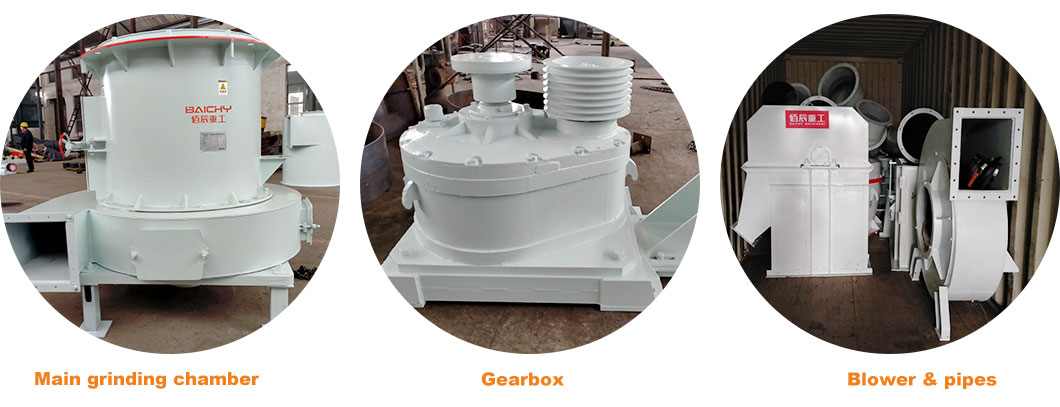
The Raymond mill is composed of the main frame, grinding roller, grinding ring, scraper blade, classifier, motor, ventilation device, analysis machine, blower, spring, belt, access door, etc.
3. What is a gypsum mill?
A gypsum powder grinding mill reduces large rock materials into smaller materials. This makes the gypsum easier to work with. Our machines are engineered to handle any gypsum size reduction project.
4. How do you use a grinding machine step by step?
1.plan the grinding activities before you start them
2.obtain and prepare the appropriate materials, tools and equipment
3.mount and set the required workholding devices, and set and secure the workpiece
4. set and adjust the machine tool speeds and feeds to achieve the component specification (where appropriate)




 2026-09-21






 86-15093113821
 86-15093113821